What is Logistics Management? Your Supply Chain Success Guide
what is logistics management

What is Logistics Management? Your Supply Chain Success Guide

Master the art of moving goods efficiently, from origin to consumption, and transform your business operations.

Explore Logistics Now

Key Takeaways

  • ✓ Logistics management is the process of planning, implementing, and controlling the efficient, effective forward and reverse flow and storage of goods, services, and related information between the point of origin and the point of consumption to meet customers' requirements.
  • ✓ It encompasses various critical functions including transportation, warehousing, inventory management, material handling, and order fulfillment.
  • ✓ Effective logistics management significantly reduces operational costs, improves customer satisfaction, and enhances competitive advantage.
  • ✓ Technology, such as WMS, TMS, and predictive analytics, plays a crucial role in modern logistics optimization.

How It Works

1
Planning & Strategy

Logistics begins with strategic planning, defining how goods will move from suppliers to customers. This involves forecasting demand, selecting transportation modes, and establishing warehousing needs.

2
Execution & Coordination

Once planned, the process moves to execution, coordinating the movement of materials, managing inventory levels, and overseeing warehousing operations. Real-time tracking and communication are vital here.

3
Monitoring & Control

Continuous monitoring of all logistical activities ensures adherence to schedules, quality standards, and budget. This step involves tracking shipments, managing unexpected delays, and resolving issues promptly.

4
Optimization & Improvement

Data analysis from monitoring helps identify areas for improvement, leading to process refinements and technological adoptions. This iterative approach ensures ongoing efficiency gains and cost reductions.

Unpacking the Core Concepts: What is Logistics Management?

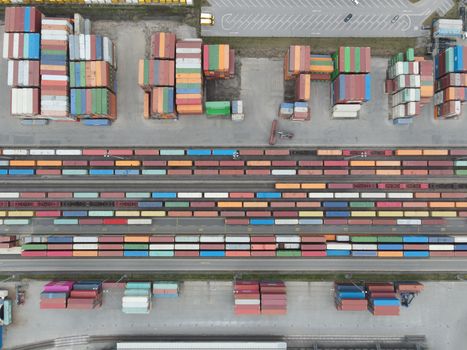
A bustling shipping port with colorful stacked containers and numerous cranes under a clear blue sky. Photo: Andrea Musto / Pexels
At its heart, logistics management is the intricate dance of ensuring that the right product, in the right quantity, at the right condition, is delivered to the right place, at the right time, for the right customer, at the right cost. This foundational principle, often referred to as the '7 Rs' of logistics, underpins every decision and action within the field. It’s far more than just moving boxes; it's a strategic discipline that orchestrates the entire flow of goods and information from the moment raw materials are sourced until the final product reaches the end-user, and even beyond, into reverse logistics for returns or recycling. Understanding what logistics means is crucial for any business operating in a globalized economy. Without a robust logistics strategy, even the most innovative products or services can fail to reach their market effectively, leading to lost sales, dissatisfied customers, and ultimately, a damaged brand reputation. The scope of logistics management is vast and multifaceted. It involves a continuous cycle of planning, implementing, and controlling the efficient, effective forward and reverse flow and storage of goods, services, and related information. This includes everything from inbound logistics, which manages the acquisition and movement of materials and products from suppliers to the company, to outbound logistics, which handles the storage and movement of the final product from the company to the customer. Reverse logistics, an increasingly important aspect, deals with the return of products from customers to the company, whether for repair, recycling, or disposal. Each of these stages requires meticulous planning and execution to ensure seamless operations and cost-effectiveness. The objective is not just to move things, but to move them intelligently, minimizing waste, maximizing speed, and enhancing value at every touchpoint. This strategic approach transforms logistics from a mere operational necessity into a critical competitive differentiator, enabling businesses to respond quickly to market changes and customer demands.

Key Components of Effective Logistics Management

A man walking through a large industrial warehouse with stacked shelves filled with goods and products. Photo: Tiger Lily / Pexels
Effective logistics management is a complex tapestry woven from several interconnected components, each playing a vital role in the overall efficiency and success of the supply chain. Understanding these elements is crucial for anyone looking to optimize their logistical operations. **1. Transportation Management:** This is arguably the most visible aspect of logistics. It involves selecting the most appropriate modes of transport (road, rail, air, sea, pipeline), optimizing routes, managing fleet operations, and negotiating freight rates. The goal is to move goods efficiently and cost-effectively, considering factors like speed, cost, reliability, and cargo type. Modern transportation management leverages advanced software for real-time tracking, route optimization, and carrier selection, ensuring timely deliveries and minimizing transit costs. **2. Warehousing and Storage:** Warehouses are not just places to store goods; they are strategic hubs for sorting, cross-docking, order fulfillment, and value-added services. Effective warehousing involves optimizing layout, managing storage capacity, and implementing efficient material handling systems. The choice between owning or leasing warehouse space, as well as the strategic placement of distribution centers, significantly impacts overall logistical costs and delivery times. **3. Inventory Management:** This component focuses on maintaining optimal stock levels to meet customer demand without incurring excessive holding costs or experiencing stockouts. It involves forecasting demand, setting reorder points, managing lead times, and implementing inventory control systems like JIT (Just-In-Time) or EOQ (Economic Order Quantity). Accurate inventory management is critical for balancing service levels with operational efficiency. **4. Material Handling and Packaging:** Efficient movement of goods within a warehouse or facility, and their protection during transit, falls under this category. Material handling includes the use of equipment like forklifts, conveyors, and automated guided vehicles (AGVs). Packaging, on the other hand, ensures products are protected from damage, comply with shipping regulations, and are easy to handle throughout the supply chain. **5. Order Fulfillment:** This is the process of receiving, processing, and delivering customer orders. It encompasses everything from order entry and processing to picking, packing, and shipping. Efficient order fulfillment is directly linked to customer satisfaction and requires seamless coordination across various logistical functions. **6. Information Flow and Technology:** In today's digital age, the flow of information is as critical as the flow of goods. Logistics management relies heavily on technology such as Warehouse Management Systems (WMS), Transportation Management Systems (TMS), Enterprise Resource Planning (ERP) systems, and supply chain visibility platforms. These tools provide real-time data, enable better decision-making, automate processes, and enhance overall supply chain transparency. **7. Reverse Logistics:** This often-overlooked but increasingly important aspect deals with the return of products from the customer back to the point of origin or another designated point for repair, recycling, disposal, or resale. Efficient reverse logistics can turn potential losses into value recovery and enhance customer loyalty. Each of these components, when managed effectively, contributes to a streamlined, cost-efficient, and customer-centric logistics operation.

The Strategic Benefits and Challenges of Modern Logistics Management

A bustling shipping port with colorful stacked containers and numerous cranes under a clear blue sky. Photo: Andrea Musto / Pexels
Embracing a comprehensive approach to logistics management offers a multitude of strategic benefits that directly impact a company's bottom line and competitive standing. Firstly, it leads to significant **cost reduction**. By optimizing transportation routes, consolidating shipments, minimizing inventory holding costs, and improving warehouse efficiency, businesses can drastically cut operational expenses. This direct saving can then be reinvested or passed on to customers, offering a competitive pricing advantage. Secondly, enhanced logistics directly translates to **improved customer satisfaction**. Timely and accurate deliveries, coupled with efficient order fulfillment and effective reverse logistics, build trust and loyalty. Customers today expect speed and reliability, and superior logistics is the key to meeting these expectations. A well-managed logistics system also provides **competitive advantage** by enabling faster market entry for new products, greater flexibility in responding to market changes, and the ability to offer differentiated services, such as expedited shipping or custom packaging. Furthermore, it contributes to **better risk management** by diversifying supplier and carrier networks, implementing contingency plans for disruptions, and enhancing visibility across the supply chain, allowing for proactive problem-solving. Lastly, optimized logistics supports **sustainability efforts** through route optimization to reduce fuel consumption, efficient packaging to minimize waste, and streamlined reverse logistics for recycling and responsible disposal. However, the path to logistical excellence is not without its challenges. One of the most significant hurdles is **rising transportation costs**, fueled by fluctuating fuel prices, driver shortages, and increased demand. Navigating complex global trade regulations and tariffs also presents a considerable challenge, especially for businesses engaged in international logistics. The need for **real-time visibility and data analytics** is paramount, yet integrating disparate systems and leveraging big data effectively remains a struggle for many organizations. **Technological adoption and integration** can be costly and complex, requiring significant investment in new software, hardware, and employee training. Moreover, managing **inventory complexity** in an era of diverse product lines and omnichannel retailing demands sophisticated forecasting and control mechanisms. Lastly, **supply chain disruptions**, ranging from natural disasters and geopolitical events to pandemics, underscore the fragility of global logistics networks, necessitating robust resilience strategies. Addressing these challenges requires continuous innovation, strategic partnerships, and a deep understanding of the evolving logistical landscape. Understanding what supply chain management entails provides a broader context for these logistical challenges.

Best Practices and Common Pitfalls in Logistics Management

Two men maneuver a trolley in a large warehouse filled with boxes and shelves. Photo: Alexander Isreb / Pexels
Achieving excellence in logistics management requires adherence to best practices and a keen awareness of common pitfalls. Embracing these strategies can transform your operations, while avoiding mistakes can save significant time and resources. **Best Practices for Optimal Logistics:** * **Embrace Technology:** Implement robust WMS, TMS, and ERP systems. Leverage AI and machine learning for demand forecasting, route optimization, and predictive maintenance. Cloud-based solutions offer scalability and real-time access. * **Data-Driven Decision Making:** Collect and analyze data from every stage of your logistics process. Use analytics to identify bottlenecks, measure performance, and inform strategic choices regarding inventory levels, carrier selection, and warehouse layout. * **Strategic Partnerships:** Collaborate closely with suppliers, carriers, and third-party logistics (3PL) providers. Strong relationships foster better communication, shared risk, and more efficient operations. * **Continuous Improvement (Kaizen):** Foster a culture of ongoing evaluation and refinement. Regularly review processes, seek feedback from employees and customers, and implement changes to enhance efficiency and service quality. * **Visibility and Transparency:** Implement systems that provide end-to-end visibility across your supply chain. Knowing the status and location of goods at all times allows for proactive problem-solving and better customer communication. * **Sustainability Initiatives:** Integrate environmentally friendly practices, such as optimizing routes to reduce emissions, using sustainable packaging, and implementing effective reverse logistics for recycling. **Common Pitfalls to Avoid:** * **Lack of Integration:** Operating with siloed systems for different logistics functions (e.g., separate systems for warehousing and transportation) leads to data inconsistencies, manual errors, and inefficiencies. * **Poor Demand Forecasting:** Inaccurate predictions of customer demand result in either excessive inventory (high carrying costs) or stockouts (lost sales and customer dissatisfaction). * **Ignoring Reverse Logistics:** Neglecting the returns process can lead to significant financial losses, customer frustration, and missed opportunities for value recovery or sustainability. * **Inadequate Communication:** Poor communication channels between departments, suppliers, and customers can cause delays, misunderstandings, and service failures. * **Over-reliance on Manual Processes:** Manual data entry and tracking are prone to errors, time-consuming, and scale poorly, hindering overall efficiency. * **Failure to Adapt:** The logistics landscape is constantly evolving. A reluctance to adopt new technologies, adjust to market changes, or innovate processes can leave a business behind competitors. * **Ignoring Risk Management:** Failing to identify potential disruptions (e.g., natural disasters, geopolitical events, labor strikes) and develop contingency plans can have catastrophic consequences for the supply chain.

Comparison

FeatureIn-House Logistics3PL (Third-Party Logistics)4PL (Fourth-Party Logistics)
Control LevelHighModerateLow (Strategic Oversight)
Cost StructureHigh fixed costsVariable costs, scale benefitsPerformance-based, often lower total cost
ExpertiseInternal developmentSpecialized industry knowledgeComprehensive supply chain management
Technology InvestmentSignificant upfrontProvided by 3PLProvided by 4PL, integrated
Flexibility/ScalabilityLimitedHighVery High
FocusCore business + logisticsLogistics operationsStrategic supply chain optimization

What Readers Say

"Understanding what is logistics management transformed our small business. We optimized our shipping routes, cutting costs by 15% in the first quarter alone, leading to happier customers and better margins."

Sarah Chen · Seattle, WA

"This guide clearly explains the complexities of logistics. We were struggling with inventory control, but applying these principles helped us reduce stockouts and improve our fulfillment rates dramatically."

David Ramirez · Dallas, TX

"As a supply chain manager, I found this article incredibly insightful. It reinforced our strategic approach to logistics management, helping us achieve a 20% improvement in on-time delivery performance."

Emily White · Chicago, IL

"Excellent overview of logistics management. While some parts were familiar, the emphasis on data-driven decisions and reverse logistics offered fresh perspectives that we're now integrating into our operations."

Mark Johnson · Atlanta, GA

"Our e-commerce startup desperately needed to streamline our shipping. This resource on what is logistics management provided the foundational knowledge to scale effectively and delight our growing customer base."

Jessica Lee · Los Angeles, CA

Frequently Asked Questions

What is the primary goal of logistics management?

The primary goal of logistics management is to ensure the efficient and effective flow and storage of goods, services, and related information from the point of origin to the point of consumption. This is done to meet customer requirements while minimizing costs and maximizing value throughout the supply chain.

How does logistics management differ from supply chain management?

Logistics management is a component of supply chain management. Supply chain management encompasses a broader scope, covering all aspects from sourcing raw materials to final customer delivery, including strategic planning, procurement, manufacturing, and IT. Logistics focuses specifically on the movement and storage of goods within that larger supply chain.

What are the key functions within logistics management?

Key functions include transportation management (selecting modes, optimizing routes), warehousing and storage (facility design, inventory placement), inventory management (stock levels, forecasting), material handling, order fulfillment, packaging, and reverse logistics. Information flow and technology underpin all these functions.

What are the biggest costs associated with logistics?

The biggest costs in logistics typically include transportation expenses (fuel, labor, vehicle maintenance), warehousing costs (rent, utilities, labor, equipment), and inventory carrying costs (storage, insurance, obsolescence, capital tied up). Labor costs across all these areas are also significant.

Can small businesses benefit from advanced logistics management?

Absolutely. While they may not have the scale for complex systems, small businesses can significantly benefit from optimizing their logistics. This includes efficient inventory practices, smart route planning, leveraging 3PL services, and using cloud-based software to reduce costs and improve customer service.

Who should be concerned with what is logistics management?

Anyone involved in moving products or services from one point to another should be concerned with logistics management. This includes manufacturers, retailers, e-commerce businesses, distributors, freight forwarders, and even service-based companies that rely on physical assets or delivery of materials.

What risks are mitigated by effective logistics management?

Effective logistics management mitigates risks such as supply chain disruptions (e.g., port delays, natural disasters), stockouts, product damage or loss, increased operational costs, customer dissatisfaction due to late deliveries, and compliance issues with international trade regulations. It builds resilience and responsiveness.

What is the future of logistics management?

The future of logistics management is driven by automation, artificial intelligence, big data analytics, blockchain for transparency, and sustainable practices. Expect more autonomous vehicles, drone deliveries, advanced robotics in warehouses, hyper-personalization of delivery, and an increased focus on circular economy principles.

Mastering what is logistics management is no longer optional; it's a strategic imperative for business success. By optimizing your supply chain, you can reduce costs, enhance efficiency, and build lasting customer loyalty. Start transforming your logistics operations today to unlock your full potential.

Topics: what is logistics managementsupply chain optimizationinventory managementtransportation managementwarehouse operations
Leo List
Brampton weed
Adultwork EstrelaBet Vai de Bet R7 Bet Betão Galera Bet Rainbet Bet9ja Shop SportyBet BetKing Sisal Loto Foot Hollywoodbets YesPlay Odibets RushBet Jugabet BetWarrior BetCity MSport betPawa Fortebet