

Supply Chain Management Definition: Your Ultimate Guide
supply chain management definition

Supply Chain Management Definition: Your Ultimate Guide

A colossal cargo ship loaded with containers navigates through calm waters against a vibrant sunset sky.Photo: Pixabay / Pexels

Supply Chain Management Definition: Your Ultimate Guide

Understand the core concepts of SCM to transform your operations, reduce costs, and enhance customer satisfaction.

Explore SCM Now

Key Takeaways

  • ✓ SCM encompasses the entire flow of goods, services, and information from origin to consumption.
  • ✓ Effective SCM focuses on optimizing efficiency, reducing costs, and improving customer satisfaction.
  • ✓ Key components include planning, sourcing, manufacturing, delivery, and returns.
  • ✓ Technology, data analytics, and collaboration are crucial for modern SCM success.

How It Works

1
Plan & Strategize

Define your supply chain goals and develop a comprehensive strategy. This involves forecasting demand, planning production, and setting inventory levels.

2
Source & Procure

Identify and select reliable suppliers for raw materials and components. Establish strong relationships and negotiate favorable terms for procurement.

3
Manufacture & Produce

Transform raw materials into finished products efficiently. This step includes production scheduling, quality control, and factory management.

4
Deliver & Distribute

Transport finished goods to customers through various channels. Optimize warehousing, transportation, and last-mile delivery for speed and cost-effectiveness.

Unpacking the Core Supply Chain Management Definition

Aerial shot of stacked cargo containers at Regensburg port showcasing freight transport activity.Photo: Tobi &Chris / Pexels
At its heart, the supply chain management definition refers to the comprehensive oversight of the entire flow of goods, services, and information, from the initial sourcing of raw materials to the final delivery of the product to the end consumer. It’s a vast, intricate network that connects various entities, including suppliers, manufacturers, distributors, retailers, and customers. More than just a linear process, it's a dynamic ecosystem designed to optimize efficiency, minimize costs, and maximize customer satisfaction across every stage. Historically, businesses viewed various stages of their operations in isolation. Procurement was separate from manufacturing, which was separate from logistics. The advent of supply chain management (SCM) revolutionized this perspective, promoting an integrated approach. Instead of a series of disconnected departments, SCM emphasizes the interconnectedness of all activities. This integration ensures that decisions made in one part of the chain consider their impact on others, fostering a holistic view that drives better overall performance. For instance, a decision to switch to a cheaper raw material might seem beneficial at first, but if it leads to quality issues in manufacturing, increased returns from customers, or delays in delivery, the initial cost saving is negated. SCM aims to prevent such siloed thinking. Key to understanding the supply chain management definition is recognizing its strategic importance. It's not merely an operational function; it's a strategic imperative that directly impacts a company's competitiveness and profitability. Businesses with well-managed supply chains can respond more quickly to market changes, introduce new products faster, reduce waste, and build stronger relationships with their partners and customers. In today's globalized economy, where products are sourced, manufactured, and sold across continents, the complexity of supply chains has grown exponentially. This complexity underscores the critical need for sophisticated SCM strategies and technologies to navigate potential disruptions, ensure seamless operations, and maintain a competitive edge. Without a clear understanding and robust implementation of SCM principles, businesses risk inefficiencies, increased costs, and ultimately, a loss of market share. The goal is to create a lean, agile, and responsive supply chain that can adapt to ever-changing market demands and unforeseen challenges, turning potential vulnerabilities into opportunities for growth and resilience.

The Pillars of Modern Supply Chain Operations
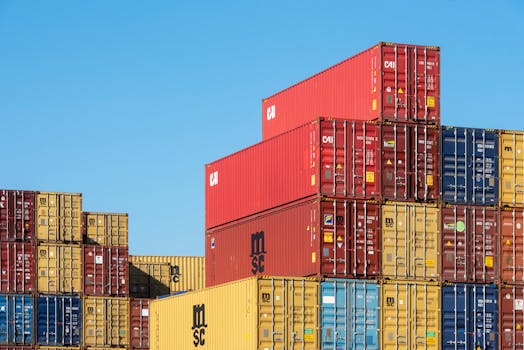
A vibrant collection of stacked shipping containers under a clear, blue sky. Ideal for logistic themes.Photo: Jan van der Wolf / Pexels
Modern supply chain operations are built upon several foundational pillars, each crucial for the effective functioning and optimization of the entire system. Understanding these pillars is essential for any comprehensive supply chain management definition. These include planning, sourcing, manufacturing, delivery (logistics), and returns. Each stage is interdependent, and a breakdown in one can ripple through the entire chain, impacting efficiency, cost, and customer satisfaction. **Planning** is the strategic blueprint for the entire supply chain. It involves forecasting demand, developing strategies for managing inventory, scheduling production, and planning for distribution. Effective planning requires robust data analytics and predictive modeling to anticipate market fluctuations, customer needs, and potential disruptions. Without sound planning, businesses can face stockouts, overstocking, or missed opportunities, all of which directly impact profitability. This initial phase sets the stage for how efficiently resources will be utilized and how effectively customer demands will be met. **Sourcing**, also known as procurement, focuses on identifying, evaluating, and engaging with suppliers to acquire raw materials, components, and services necessary for production. This pillar is not just about finding the cheapest supplier; it’s about establishing strong, collaborative relationships that ensure quality, reliability, and ethical practices. Strategic sourcing involves risk assessment, contract negotiation, and supplier relationship management to secure a stable and sustainable supply of inputs. Poor sourcing can lead to delays, quality issues, and increased costs down the line, highlighting its critical role in the overall health of the supply chain. **Manufacturing**, or production, is where raw materials are transformed into finished products. This stage involves managing production schedules, optimizing manufacturing processes, ensuring quality control, and maintaining equipment. The goal is to produce goods efficiently, at the right quality, and in the quantities dictated by demand forecasts. Lean manufacturing principles, automation, and continuous improvement methodologies are often employed to enhance productivity and reduce waste within this pillar. The efficiency of manufacturing directly impacts inventory levels and the speed at which products can reach the market. **Delivery**, often synonymous with logistics, encompasses all activities related to transporting, storing, and distributing finished products to customers. This includes warehousing, freight management, order fulfillment, and last-mile delivery. Optimizing delivery involves choosing the right transportation modes, managing warehouse operations efficiently, and ensuring timely and cost-effective distribution. The rise of e-commerce has placed immense pressure on this pillar, demanding faster delivery times and more flexible options, making robust delivery networks a key competitive differentiator. Finally, **Returns**, or reverse logistics, deals with the processes of managing product returns, repairs, and recycling. While often overlooked, this pillar is increasingly important for customer satisfaction and sustainability. An efficient returns process can turn a potentially negative customer experience into a positive one and allows businesses to recover value from returned goods. It involves managing the flow of products from the customer back to the origin point for repair, refurbishment, or disposal, closing the loop of the supply chain. Together, these pillars form the robust framework necessary for a successful and resilient supply chain.

The Strategic Advantages of Optimized Supply Chain Management

Aerial view of vibrant cargo containers arranged in a pattern, emphasizing logistics and transportation.Photo: Jan van der Wolf / Pexels
Beyond merely understanding the supply chain management definition, grasping its strategic advantages is crucial for businesses aiming for sustained growth and market leadership. An optimized SCM strategy isn't just about operational efficiency; it's a powerful tool that can dramatically enhance a company's competitive posture, profitability, and customer loyalty. The benefits span across cost reduction, improved efficiency, enhanced customer satisfaction, better risk management, and fostering innovation. One of the most immediate and tangible benefits of effective SCM is **cost reduction**. By streamlining processes, eliminating waste, optimizing inventory levels, and negotiating better terms with suppliers, businesses can significantly lower their operational expenses. This includes reducing warehousing costs through just-in-time (JIT) inventory systems, minimizing transportation costs through optimized routing and carrier selection, and cutting down on production costs through efficient manufacturing practices. Every dollar saved in the supply chain directly contributes to the bottom line, enhancing profit margins in a highly competitive market. Furthermore, a well-managed supply chain can mitigate the costs associated with obsolescence and spoilage by ensuring products move through the chain efficiently. **Improved efficiency and productivity** are also hallmarks of strong SCM. By integrating various functions and fostering collaboration among partners, the entire supply chain operates more smoothly. This leads to faster order fulfillment, reduced lead times, and a more agile response to market demands. Automation and advanced analytics play a significant role here, enabling businesses to predict demand more accurately, optimize resource allocation, and identify bottlenecks before they become major issues. This streamlined operation allows companies to do more with less, freeing up resources that can be reinvested into other areas of the business or passed on as savings to customers. **Enhanced customer satisfaction** is a direct outcome of an optimized supply chain. When products are delivered on time, in perfect condition, and at competitive prices, customers are more likely to be satisfied and become repeat buyers. SCM enables businesses to meet customer expectations for speed and reliability, and also supports personalized services, such as tailored delivery options or easy returns. In an age where customer experience is paramount, a responsive and reliable supply chain is a critical differentiator. Positive customer experiences build brand loyalty and generate positive word-of-mouth, which are invaluable assets for any business. Effective SCM also plays a pivotal role in **risk management and resilience**. Global supply chains are susceptible to a wide array of disruptions, from natural disasters and geopolitical events to supplier failures and cyberattacks. A robust SCM strategy includes contingency planning, supplier diversification, and real-time visibility into the supply chain, allowing businesses to identify potential risks and respond quickly to mitigate their impact. This resilience is vital for maintaining business continuity and protecting revenue streams during times of crisis. Companies with resilient supply chains are better positioned to weather storms and emerge stronger. Finally, SCM can **foster innovation**. By collaborating closely with suppliers and leveraging advanced technologies, businesses can identify opportunities for new product development, process improvements, and sustainable practices. For instance, working with suppliers on developing greener materials or implementing more sustainable production methods not only reduces environmental impact but can also lead to new market opportunities and enhance brand reputation. The insights gained from a well-managed supply chain can drive strategic decisions that push the boundaries of what's possible, creating a virtuous cycle of improvement and growth. These strategic advantages collectively underscore why mastering the supply chain management definition and its practical application is non-negotiable for modern businesses. Logistics is one key component within this broader strategic framework.

Common Pitfalls and Best Practices in Supply Chain Management

Two workers handle a package in a spacious warehouse surrounded by shelves stocked with boxes and products.Photo: Tiger Lily / Pexels
Even with a clear supply chain management definition, implementing and maintaining an effective SCM system is fraught with potential challenges. Understanding these common pitfalls and adopting best practices is essential for navigating the complexities and achieving optimal outcomes. Ignoring these can lead to significant inefficiencies, increased costs, and reputational damage. **Common Pitfalls:** * **Lack of Visibility:** Many companies struggle with a lack of end-to-end visibility across their supply chain. This makes it difficult to track goods, anticipate delays, or identify potential issues before they escalate. Without clear visibility, reactive decision-making becomes the norm, leading to costly expediting and missed opportunities. * **Siloed Operations:** Despite the integrated nature of SCM, many organizations still operate in silos, where departments like procurement, manufacturing, and logistics do not effectively communicate or share data. This fragmentation leads to inefficiencies, redundancies, and conflicting objectives. * **Poor Demand Forecasting:** Inaccurate demand forecasting is a perennial problem, leading to either stockouts (lost sales) or overstocking (increased holding costs and potential obsolescence). This often stems from reliance on outdated methods or insufficient data analysis. * **Over-Reliance on Single Suppliers:** While building strong supplier relationships is good, over-reliance on a single supplier for critical components can expose a business to significant risk if that supplier faces disruptions, quality issues, or goes out of business. * **Neglecting Reverse Logistics:** Focusing solely on forward logistics and neglecting the returns process can lead to customer dissatisfaction, missed opportunities for value recovery, and increased waste. **Best Practices:** * **Embrace Technology and Data Analytics:** Leverage SCM software, AI, machine learning, and IoT to gain real-time visibility, automate processes, improve forecasting accuracy, and make data-driven decisions. This allows for proactive rather than reactive management. * **Foster Collaboration and Communication:** Break down internal silos and establish robust communication channels not just within the organization, but also with external partners like suppliers and distributors. Regular information sharing and collaborative planning are crucial. * **Implement Robust Risk Management:** Develop comprehensive risk assessment strategies, diversify your supplier base, and create contingency plans for various disruption scenarios. Building resilience into the supply chain is paramount in today's volatile environment. * **Focus on Sustainability and Ethical Sourcing:** Integrate sustainable practices and ethical considerations into your SCM strategy. This includes responsible sourcing, reducing carbon footprint, and ensuring fair labor practices throughout the supply chain. This not only enhances brand image but also appeals to conscious consumers and investors. * **Continuous Improvement and Agility:** View SCM as an ongoing process of improvement. Regularly review performance metrics, seek feedback from partners, and be prepared to adapt quickly to changing market conditions, technological advancements, and customer expectations. An agile supply chain can quickly pivot to new strategies and overcome unforeseen obstacles. By proactively addressing these pitfalls and diligently implementing these best practices, businesses can move beyond a theoretical understanding of the supply chain management definition to build a highly efficient, resilient, and competitive supply chain that drives long-term success.

Comparison

FeatureIntegrated SCM (Best Option)Traditional LogisticsFragmented Operations
ScopeEnd-to-end, strategicTransportation & warehousingDepartmental, siloed
FocusOptimization, value creationCost of movement/storageIndividual task efficiency
VisibilityHigh, real-timeLimited to own operationsLow, manual updates
ResponsivenessAgile, proactiveReactive, slowerVery slow, rigid
Risk Management✓ Comprehensive✗ Limited✗ Poor
Customer SatisfactionHigh prioritySecondaryVariable, inconsistent

What Our Readers Say

5 ★★★★★

"Understanding the detailed supply chain management definition from this guide completely reshaped how we view our operations. We've gone from reactive problem-solving to proactive strategy."

5 ★★★★★

"This article provided the clearest supply chain management definition I've come across. It helped our team identify key areas for improvement in our sourcing and distribution processes."

5 ★★★★★

"After implementing some of the SCM best practices discussed here, our inventory turnover increased by 20% and customer complaints about delivery dropped significantly. A real game-changer!"

4 ★★★★☆

"The information on the supply chain management definition was incredibly thorough. While we still have a long way to go, this guide gave us a solid framework to start our optimization journey."

5 ★★★★★

"As a small business owner, I thought SCM was only for large corporations. This article showed me how even basic principles of supply chain management definition can scale and benefit my e-commerce brand."

Frequently Asked Questions

What is the primary goal of supply chain management?
The primary goal of supply chain management is to optimize the entire flow of goods, services, and information to maximize customer value while minimizing costs. This involves enhancing efficiency, improving product quality, reducing lead times, and building resilience against disruptions, all contributing to a stronger competitive position and higher profitability for the organization.
Is supply chain management the same as logistics?
No, supply chain management (SCM) is a broader concept that encompasses logistics. Logistics specifically deals with the planning, implementation, and control of the efficient, effective forward and reverse flow and storage of goods, services, and related information between the point of origin and the point of consumption. SCM integrates logistics with other functions like procurement, manufacturing, and strategic planning across multiple organizations.
How can technology improve supply chain management?
Technology significantly enhances SCM through tools like Enterprise Resource Planning (ERP) systems, Warehouse Management Systems (WMS), Transportation Management Systems (TMS), and advanced analytics platforms. These technologies provide real-time visibility, automate processes, improve forecasting accuracy, enable better communication, and facilitate data-driven decision-making, leading to greater efficiency and resilience.
What is the cost of poor supply chain management?
The cost of poor supply chain management can be substantial, including increased operational expenses due to inefficiencies, higher inventory holding costs, lost sales from stockouts, reputational damage from delivery delays or quality issues, and financial losses from unmitigated risks. It can directly impact a company's profitability and long-term competitiveness.
How does supply chain management differ from operations management?
Operations management focuses on managing the processes within an organization to produce goods or services efficiently. Supply chain management, however, extends beyond the single organization to integrate and coordinate all activities across multiple organizations (suppliers, manufacturers, distributors, retailers) that are involved in bringing a product or service to the end customer. While related, SCM takes a more holistic, inter-organizational view.
Who should use supply chain management principles?
Every organization that produces or sells a physical product, or even complex services, can benefit from applying supply chain management principles. This includes manufacturers, retailers, e-commerce businesses, healthcare providers, and even small businesses. The scale and complexity of implementation will vary, but the core principles of optimizing flow and value are universally applicable.
What are the biggest risks in modern supply chains?
Modern supply chains face significant risks including geopolitical instability, natural disasters, cyberattacks, supplier bankruptcy, labor shortages, raw material scarcity, and rapid shifts in consumer demand. Effective SCM involves identifying these risks, building resilience through diversification and contingency planning, and leveraging technology for early warning systems and agile response.
What is the future trend for supply chain management?
The future of SCM is characterized by increased digitalization, hyper-personalization, and sustainability. Key trends include greater adoption of AI and machine learning for predictive analytics, blockchain for transparency and traceability, automation and robotics in warehousing, and a stronger focus on circular economy principles and ethical sourcing to meet evolving consumer and regulatory demands.

Ready to transform your business? Delve deeper into the practical applications of the supply chain management definition and start building a more efficient, resilient, and profitable supply chain today. Your journey to operational excellence begins here.

Topics: supply chain management definitionlogistics managementsupply chain optimizationinventory managementsupply chain strategy
Leo List
Brampton weed
Adultwork EstrelaBet Vai de Bet R7 Bet Betão Galera Bet Rainbet Bet9ja Shop SportyBet BetKing Sisal Loto Foot Hollywoodbets YesPlay Odibets RushBet Jugabet BetWarrior BetCity MSport betPawa Fortebet