Top Logistics Companies in USA: Your Supply Chain Advantage
logistics companies in usa

Top Logistics Companies in USA: Your Supply Chain Advantage

Uncover the best partners to streamline your operations and gain a competitive edge in the American market.

Find Your Logistics Partner

Key Takeaways

  • ✓ The U.S. logistics market is projected to reach over $1.6 trillion by 2026, driven by e-commerce growth.
  • ✓ Third-Party Logistics (3PL) providers handle over 80% of Fortune 500 companies' logistics needs.
  • ✓ Technology adoption, including AI and IoT, is rapidly transforming the efficiency of logistics operations.
  • ✓ Sustainability and 'green logistics' are increasingly critical factors in choosing a logistics partner.

How It Works

1
Assess Your Needs

Identify your specific supply chain requirements, including shipping volume, warehousing needs, and geographical reach. This initial assessment forms the foundation for selecting the right partner.

2
Research & Shortlist

Explore top logistics companies in USA, considering their service offerings, industry specializations, and technological capabilities. Create a shortlist of providers that align with your business goals.

3
Request Proposals & Evaluate

Solicit detailed proposals from shortlisted companies, comparing pricing, service level agreements, and value-added services. Pay close attention to their communication and problem-solving approaches.

4
Implement & Optimize

Integrate your chosen logistics partner into your operations, leveraging their expertise for seamless execution. Continuously monitor performance and collaborate to identify areas for ongoing optimization and improvement.

Understanding the Landscape of Logistics Companies in USA

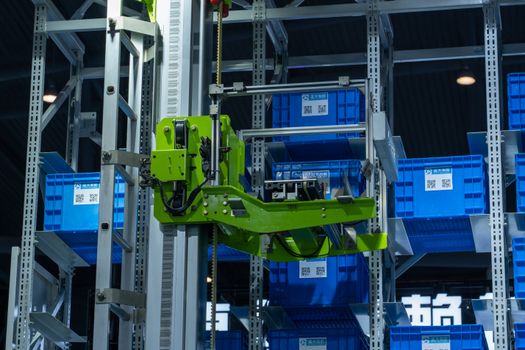
The United States boasts one of the most complex and dynamic logistics markets globally, a direct reflection of its vast geographical expanse, diverse industries, and robust consumer economy. For businesses operating within or looking to enter this market, understanding the intricacies of its logistics infrastructure is paramount. Logistics companies in USA are not merely transporters of goods; they are sophisticated orchestrators of supply chains, managing everything from raw material procurement to final product delivery. This comprehensive approach encompasses a wide array of services, including freight forwarding, warehousing, distribution, customs brokerage, and supply chain consulting. The sheer scale of the U.S. market means that logistics providers vary significantly in size, specialization, and technological integration. From global giants like FedEx and UPS, which offer extensive integrated networks, to specialized regional carriers and third-party logistics (3PL) providers focusing on niche industries, the options are vast. The growth of e-commerce has been a monumental driver, pushing companies to innovate faster delivery methods, optimize last-mile delivery, and enhance inventory management. This has led to an explosion in demand for agile and technologically advanced logistics solutions capable of handling fluctuating order volumes and consumer expectations for speed. Furthermore, regulatory compliance, particularly concerning transportation, customs, and environmental standards, adds another layer of complexity. Reputable logistics companies in USA possess deep expertise in navigating these regulations, ensuring smooth operations and avoiding costly delays or penalties. They act as invaluable partners, allowing businesses to focus on their core competencies while entrusting the intricate world of supply chain management to experts. Choosing the right partner can significantly impact a company's operational efficiency, cost structure, and ultimately, its competitive standing. The decision often hinges on a careful analysis of a company's specific needs, volume, geographical footprint, and strategic goals. For a deeper dive into the fundamental principles of managing these complex networks, explore our guide on what is logistics. Investment in infrastructure, such as advanced warehousing facilities, automated sorting systems, and a robust network of intermodal transportation options, is a hallmark of leading logistics companies. They leverage cutting-edge software for route optimization, real-time tracking, and predictive analytics to minimize disruptions and maximize throughput. This technological prowess is not just about efficiency; it's about providing transparency and control to their clients, offering insights into every stage of the supply chain. As businesses continue to globalize and consumer demands evolve, the role of these logistics powerhouses will only grow in importance, becoming even more integrated into the strategic fabric of modern commerce.

Key Services Offered by Top Logistics Companies in USA

Leading logistics companies in USA offer a comprehensive suite of services designed to meet the diverse and evolving needs of businesses across various sectors. These services are typically categorized, but many providers offer integrated solutions that combine multiple aspects for a seamless supply chain. Understanding these core offerings is crucial for any business seeking to optimize its operations. **Freight Transportation:** This is perhaps the most visible service, encompassing the movement of goods via various modes. * **Full Truckload (FTL):** Ideal for large shipments that can fill an entire truck, offering direct transport and often faster delivery. * **Less Than Truckload (LTL):** Cost-effective for smaller shipments that don't require a full truck, as space is shared with other cargo. * **Intermodal:** Combines different transportation modes (e.g., truck, rail, ship) to leverage the advantages of each, often for long-haul or international shipping. * **Air Freight:** For urgent or high-value shipments, offering speed but at a higher cost. * **Ocean Freight:** The most economical option for large-volume international shipments, though slower. **Warehousing and Distribution:** Beyond simple storage, modern warehousing is a strategic component of the supply chain. Services include: * **Inventory Management:** Utilizing advanced systems to track, manage, and optimize stock levels, reducing holding costs and preventing stockouts. * **Cross-Docking:** A logistics practice where incoming goods are directly transferred to outbound vehicles with minimal or no storage time, increasing efficiency and reducing storage costs. * **Order Fulfillment:** Picking, packing, and shipping orders directly to customers, often including value-added services like kitting and labeling. * **Reverse Logistics:** Managing the return of goods from customers back to the warehouse, including inspection, repair, recycling, or disposal. **Supply Chain Management & Consulting:** Many top logistics companies in USA extend their expertise to help businesses design, plan, execute, control, and monitor their supply chain activities. This can involve: * **Supply Chain Optimization:** Analyzing existing processes to identify inefficiencies and recommend improvements. * **Technology Integration:** Implementing and managing advanced logistics software, including Warehouse Management Systems (WMS), Transportation Management Systems (TMS), and Enterprise Resource Planning (ERP) integrations. * **Risk Management:** Developing strategies to mitigate disruptions from natural disasters, geopolitical events, or supplier issues. **Customs Brokerage and International Trade:** For businesses engaged in global commerce, navigating international regulations is critical. Logistics partners provide: * **Customs Clearance:** Handling all necessary documentation and procedures for importing and exporting goods across borders. * **Trade Compliance:** Ensuring adherence to international trade laws, tariffs, and duties. * **Global Freight Forwarding:** Arranging the entire process of moving goods internationally, from origin to destination, across various modes. These comprehensive services allow businesses to outsource complex logistical functions, enabling them to focus on core competencies, reduce operational overheads, and leverage the economies of scale and expertise offered by dedicated logistics providers.

Choosing the Right Logistics Partner: What to Look For

Selecting the appropriate logistics partner among the many logistics companies in USA is a critical decision that can profoundly impact your business's efficiency, customer satisfaction, and bottom line. It's not just about finding the cheapest option, but about identifying a strategic partner that aligns with your operational needs and long-term goals. Here are key factors to consider during your selection process. **1. Service Offerings and Specialization:** Does the company offer the specific services you require? If you need cold chain logistics, do they specialize in temperature-controlled transport and warehousing? If you deal with hazardous materials, are they certified and experienced in handling such goods? A generalist might suffice for standard freight, but complex needs demand specialized expertise. Evaluate their capabilities in areas like freight forwarding, warehousing, distribution, and value-added services like kitting or light assembly. **2. Geographic Reach and Network:** Assess if their operational footprint matches your current and future market presence. Do they have a robust network of hubs, warehouses, and transportation routes in the regions you serve? For nationwide distribution, a partner with a strong presence across all major U.S. regions is essential. For international operations, check their global network and customs clearance capabilities. **3. Technology and Innovation:** Modern logistics is heavily reliant on technology. Look for companies that leverage advanced Warehouse Management Systems (WMS), Transportation Management Systems (TMS), real-time tracking, and data analytics. Transparency through client portals, EDI integration, and API capabilities for seamless data exchange are also crucial. A tech-forward partner can provide greater visibility, efficiency, and predictive insights into your supply chain. Learn more about the strategic importance of these systems in our overview of logistics management. **4. Reputation and Reliability:** Research their track record. Look for case studies, client testimonials, and industry awards. What is their on-time delivery rate? How do they handle disruptions or unforeseen challenges? A reliable partner minimizes costly delays and ensures consistent service quality. Speak to their current clients if possible to get firsthand accounts of their performance. **5. Cost Structure and Transparency:** While cost isn't the only factor, it's significant. Understand their pricing model thoroughly. Are there hidden fees? Is their billing transparent? Request detailed quotes that break down costs for different services. A good partner will offer competitive pricing while demonstrating clear value for their services. **6. Scalability and Flexibility:** Your business needs may change. Can the logistics company scale its services up or down to accommodate seasonal fluctuations, market expansions, or unexpected shifts in demand? A flexible partner can adapt to your evolving requirements without compromising service quality. **7. Customer Service and Communication:** Effective communication is vital. How responsive are they to inquiries? Do they assign dedicated account managers? A partner that offers proactive communication and readily addresses concerns can be invaluable in maintaining a smooth supply chain. By meticulously evaluating these factors, businesses can forge strong, long-lasting partnerships with logistics companies in USA that truly contribute to their success.

Common Pitfalls to Avoid When Partnering with Logistics Companies in USA

While partnering with logistics companies in USA can unlock significant efficiencies and strategic advantages, businesses often encounter common pitfalls that can undermine these benefits. Being aware of these traps can help you navigate the selection and partnership process more effectively. **1. Underestimating Your Needs:** Many businesses rush into a partnership without a thorough assessment of their own logistics requirements. This can lead to choosing a provider that is either too large and expensive for your current scale, or too small and unable to handle future growth. Take the time to quantify your shipping volumes, warehousing needs, special handling requirements, and desired delivery speeds before engaging with providers. A mismatch in capabilities can lead to service failures and increased costs. **2. Focusing Solely on Price:** While cost is a crucial factor, making a decision based purely on the lowest bid is a common mistake. The cheapest option might come with hidden fees, poor service quality, lack of technology, or unreliable delivery, ultimately costing you more in terms of lost business, damaged reputation, and corrective actions. Prioritize value, reliability, and service quality over minimal upfront costs. **3. Neglecting Technology Integration:** In today's digital age, seamless data exchange and real-time visibility are non-negotiable. Failing to inquire about a logistics company's technological capabilities, such as WMS, TMS, API integration, and client portals, can leave you in the dark about your shipments and inventory. Ensure their systems can integrate effectively with your own ERP or e-commerce platforms to avoid manual data entry errors and improve operational transparency. **4. Ignoring Contractual Details:** The service level agreement (SLA) is your blueprint for the partnership. Overlooking crucial details regarding performance metrics, liability, insurance coverage, dispute resolution, and termination clauses can lead to significant issues down the line. Ensure that performance indicators (e.g., on-time delivery, order accuracy) are clearly defined, measurable, and penalties for non-compliance are stipulated. **5. Lack of Communication and Transparency:** A successful logistics partnership thrives on open and consistent communication. If a provider is unresponsive during the vetting process or lacks transparent reporting mechanisms, it's a red flag. Poor communication can lead to misunderstandings, delayed problem-solving, and a general lack of control over your supply chain. **6. Failing to Plan for Scalability:** Your business is likely to grow, and your logistics partner should be able to grow with you. If a company struggles to scale their services up or down, you might find yourself needing to switch providers prematurely, which is a costly and disruptive process. Discuss their capacity for growth and their flexibility in adapting to changing demands. **7. Inadequate Due Diligence:** Skipping background checks, neglecting to ask for references, or not verifying certifications (e.g., for hazmat, cold chain) can expose your business to significant risks. Always perform thorough due diligence to ensure the company is reputable, financially stable, and compliant with all necessary regulations.

Comparison

FeatureBest for Small to Mid-SizeBest for Large & GlobalBest for Specialized Needs
Typical Service FocusE-commerce fulfillment, regional LTLGlobal freight, complex supply chainsTemperature-controlled, heavy haul
Technology IntegrationGood WMS/TMS, basic APIsAdvanced WMS/TMS, AI, predictive analyticsSpecialized tracking, compliance software
Geographic ReachRegional to National (selective)National & InternationalNiche routes, specific industries
Cost StructureCompetitive, often flexibleEnterprise-level pricing, volume discountsPremium for expertise, specialized assets
Scalability✗ (often capacity-limited)
Customer SupportPersonalized, dedicated repTiered support, global teamsExpert-level, industry-specific

What Readers Say

"Partnering with one of the logistics companies in USA transformed our e-commerce operations. We went from handling fulfillment in-house to a seamless, efficient system that scaled perfectly with our holiday rush. Their real-time tracking was a game-changer for customer satisfaction."

Sarah J. · Austin, Texas

"We needed a reliable partner for our cross-country LTL shipments, and the logistics company we chose exceeded expectations. Their communication was excellent, and our goods arrived consistently on time and undamaged. It's truly streamlined our distribution network."

Mark D. · Chicago, Illinois

"Our previous logistics provider was a constant headache. Switching to one of the top logistics companies in USA immediately cut our shipping errors by 30% and significantly reduced our overall transportation costs. The ROI was clear within the first quarter."

Emily R. · Los Angeles, California

"They offer a solid service, especially for international freight forwarding. While their pricing isn't always the lowest, the peace of mind knowing our complex customs clearances are handled expertly is worth the investment. Sometimes, response times could be a bit quicker, but overall, a reliable partner."

David L. · Miami, Florida

"As a small manufacturing business, finding logistics companies in USA that understood our unique needs was tough. Our current partner provides flexible warehousing and distribution solutions that adapt to our production cycles, allowing us to focus on manufacturing instead of logistics headaches."

Jessica M. · Seattle, Washington

Frequently Asked Questions

What is a 3PL and why should I consider one among logistics companies in USA?

A 3PL (Third-Party Logistics) provider offers outsourced logistics services, covering everything from transportation and warehousing to inventory management and order fulfillment. You should consider a 3PL to gain access to expert knowledge, economies of scale, advanced technology, and reduced operational costs, allowing you to focus on your core business competencies.

How do I ensure my goods are safe with logistics companies in USA?

Ensure your chosen logistics partner has comprehensive insurance coverage, robust security measures at their facilities (e.g., surveillance, access control), and a strong track record of low damage rates. Review their service level agreements (SLAs) for liability clauses and consider purchasing additional cargo insurance if your goods are high value.

What is the typical process for engaging with a logistics company?

The process usually involves an initial consultation to discuss your needs, followed by a request for proposal (RFP) where companies submit detailed service and pricing plans. After reviewing proposals and conducting due diligence, you'll enter into a contract and begin the onboarding and integration phase, often with a pilot program before full-scale operation.

How much do logistics services cost in the USA?

Logistics costs vary widely based on factors like service type (e.g., FTL vs. LTL, warehousing vs. fulfillment), volume, distance, urgency, and specific handling requirements. While there isn't a single answer, competitive quotes from multiple providers for your specific needs will give you a clear picture. Many companies offer tiered pricing or custom solutions.

Are small businesses able to leverage large logistics companies in USA?

Yes, many large logistics companies in USA have divisions or specialized services tailored for small to medium-sized businesses (SMBs), particularly in e-commerce fulfillment and LTL freight. They often provide scalable solutions, allowing SMBs to access enterprise-level efficiency and technology without needing to invest heavily in their own infrastructure.

Who should use logistics companies in USA?

Any business that ships products, manages inventory, or requires specialized transportation and warehousing services can benefit. This includes e-commerce businesses, manufacturers, retailers, wholesalers, and even individual consumers with complex shipping needs. Companies looking to expand their market reach, reduce operational costs, or improve supply chain efficiency are prime candidates.

What are the environmental considerations when choosing a logistics partner?

Many logistics companies in USA are adopting 'green logistics' practices. Look for partners that prioritize fuel-efficient fleets, optimize routes to reduce emissions, invest in sustainable warehousing (e.g., solar power, LEED certification), and offer carbon offsetting programs. This aligns with corporate social responsibility and can appeal to environmentally conscious consumers.

How is technology changing the landscape of logistics companies in USA?

Technology is revolutionizing logistics through AI-driven route optimization, IoT sensors for real-time tracking and condition monitoring, autonomous vehicles (pilots), blockchain for supply chain transparency, and advanced robotics in warehouses. These innovations lead to greater efficiency, reduced costs, enhanced visibility, and improved decision-making across the entire supply chain.

Navigating the complex world of supply chain management requires expertise and reliable partners. By understanding the landscape and making informed choices, you can leverage the best logistics companies in USA to optimize your operations, reduce costs, and gain a significant competitive advantage. Start your search for the perfect logistics partner today and transform your business's future.

Topics: logistics companies in usasupply chain management usafreight forwarding usa3pl providers usawarehouse and distribution usa
Leo List
Brampton weed
Adultwork EstrelaBet Vai de Bet R7 Bet Betão Galera Bet Rainbet Bet9ja Shop SportyBet BetKing Sisal Loto Foot Hollywoodbets YesPlay Odibets RushBet Jugabet BetWarrior BetCity MSport betPawa Fortebet