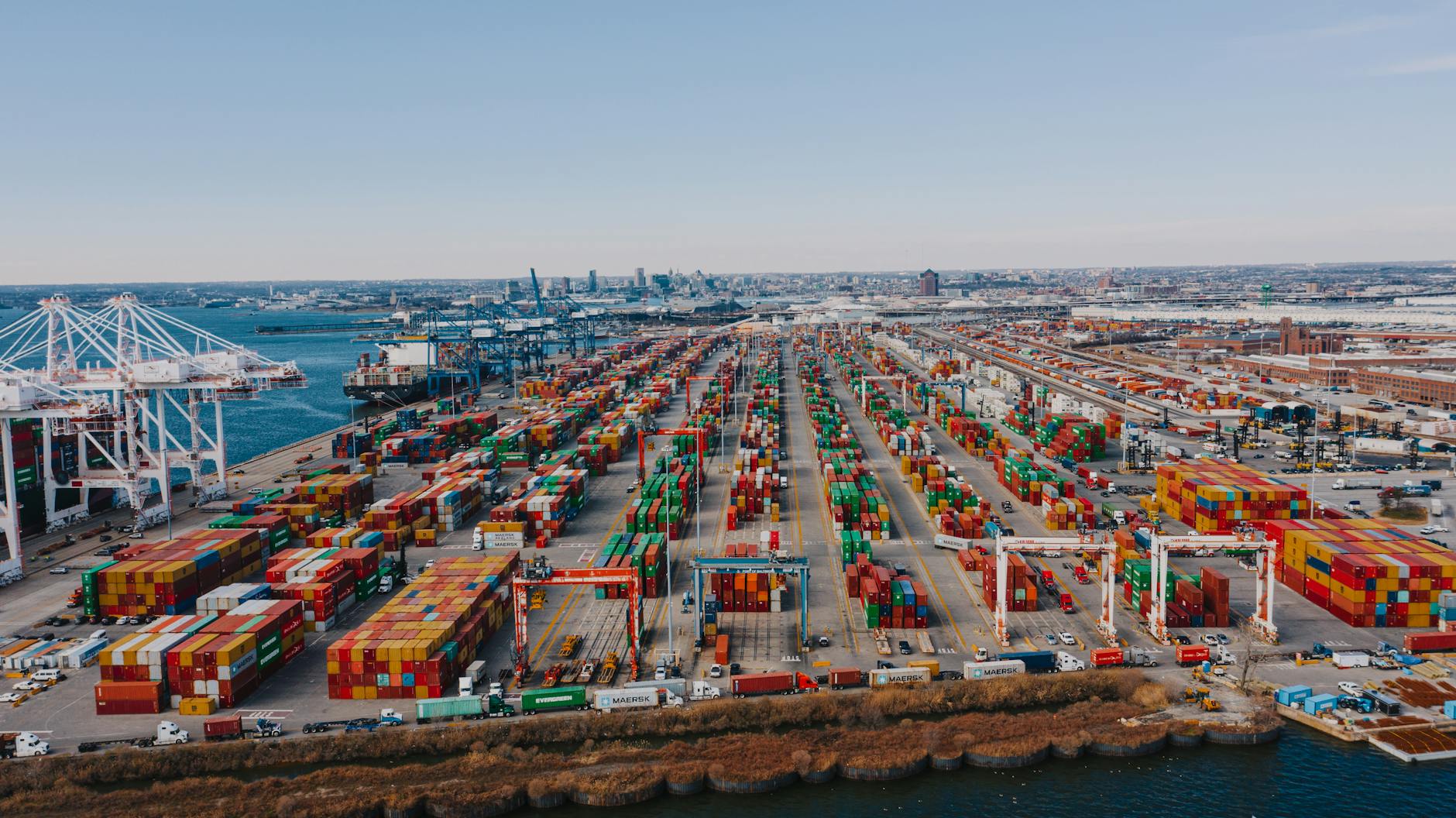
Supply Chain Logistics Definition: Your Ultimate Guide
Master the intricate world of supply chain logistics to optimize your business operations and drive unparalleled efficiency.
Explore Logistics NowKey Takeaways
- ✓ Supply chain logistics is the comprehensive management of product, service, and information flow from origin to consumption.
- ✓ It encompasses planning, implementing, and controlling efficient forward and reverse flow and storage of goods.
- ✓ Effective logistics minimizes costs, enhances customer satisfaction, and builds competitive advantage.
- ✓ Key components include transportation, warehousing, inventory management, and information systems.
How It Works
Companies define their network, identify suppliers, and establish relationships. This involves forecasting demand and aligning production with market needs.
Goods are stored strategically in warehouses, optimized for space and accessibility. Inventory levels are meticulously managed to balance availability and cost.
Products are moved efficiently across various modes (road, rail, air, sea) to reach distribution centers and ultimately the end customer. Route optimization is crucial here.
Real-time data exchange across the entire chain ensures transparency and responsiveness. Excellent customer service handles inquiries, returns, and delivery expectations.
Understanding the Core: What is Supply Chain Logistics?
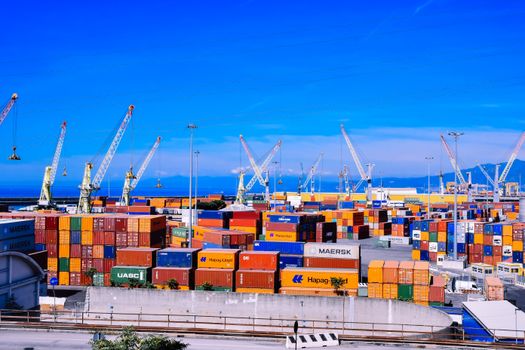 Photo: Andrea Musto / Pexels
Key Components of Modern Supply Chain Logistics
 Photo: Alexander Isreb / Pexels
The Strategic Impact of Effective Logistics Management
Photo: Andrea Musto / Pexels
Common Challenges and Best Practices in Supply Chain Logistics
Photo: Andrea Musto / Pexels
Comparison
| Feature | Traditional Logistics | Modern Supply Chain Logistics | E-commerce Logistics |
|---|---|---|---|
| Scope | Movement of goods | End-to-end flow of goods, info, finance | Hyper-speed last-mile delivery, returns |
| Focus | Cost reduction | Value creation, customer satisfaction | Speed, convenience, personalization |
| Technology Use | Basic tracking, manual processes | ERP, WMS, TMS, automation, analytics | AI, IoT, drones, predictive analytics |
| Collaboration | Limited, transactional | Extensive, strategic partnerships | API integrations, platform ecosystems |
| Inventory Strategy | Buffer stock, safety stock | Just-in-Time (JIT), demand-driven | Distributed inventory, micro-fulfillment |
| Risk Management | Reactive, limited | Proactive, resilience building | Real-time monitoring, AI-driven alerts |
| Sustainability | Low priority | Growing importance | High priority, green last-mile options |
What Readers Say
"Understanding the supply chain logistics definition completely transformed how we approach our inventory. This guide made complex concepts easy to grasp and immediately applicable to our small business. We've seen a noticeable improvement in our delivery times and reduced storage costs."
Sarah J. · Dallas, TX"As a logistics manager, this article provided a fantastic refresher and new insights into modern practices. The strategic impact section really resonated with me, highlighting how crucial our role is beyond just moving goods. Truly premium content."
Michael R. · Chicago, IL"Our company was struggling with fragmented supply chain operations. After reading this comprehensive explanation of supply chain logistics definition, we implemented several of the best practices, resulting in a 15% reduction in transportation expenses and happier customers."
Emily C. · Atlanta, GA"The article is incredibly thorough and well-researched. While some parts were a bit advanced for a beginner, the overall structure and detailed explanations made it accessible. I particularly appreciated the comparison table, which clarified the evolution of logistics."
David L. · Los Angeles, CA"Working in e-commerce, I'm always looking for ways to optimize our delivery networks. This deep dive into the supply chain logistics definition gave me actionable strategies for enhancing our last-mile delivery and improving our customer return process. Highly recommend!"
Jessica M. · New York, NYFrequently Asked Questions
What is the primary difference between logistics and supply chain management?
Logistics is a component of supply chain management. Logistics primarily focuses on the efficient movement and storage of goods, services, and related information within the supply chain. Supply chain management, however, is a broader concept that encompasses all activities involved in sourcing, procurement, conversion, and logistics management, including collaboration with channel partners.
How does technology impact modern supply chain logistics?
Technology is transformative, enabling real-time visibility, predictive analytics, automation, and improved communication. Systems like ERP, WMS, and TMS optimize operations, reduce errors, enhance decision-making, and increase overall efficiency and responsiveness across the entire supply chain.
How can I improve my company's logistics efficiency?
To improve logistics efficiency, focus on optimizing transportation routes, streamlining warehouse operations, implementing robust inventory management systems, fostering strong supplier relationships, and leveraging data analytics for informed decision-making. Continuous process improvement and technology adoption are key.
What are the typical costs associated with supply chain logistics?
Typical costs include transportation (freight, fuel, labor), warehousing (rent, utilities, labor, equipment), inventory holding costs (storage, insurance, obsolescence), packaging, and administrative expenses. Optimizing these areas is crucial for cost control and profitability.
Is sustainability a significant factor in supply chain logistics?
Yes, sustainability is increasingly significant. Companies are adopting greener practices by optimizing routes to reduce emissions, using eco-friendly packaging, minimizing waste, and implementing reverse logistics for recycling and reuse. This aligns with corporate social responsibility and consumer demand.
Who benefits most from understanding supply chain logistics definition?
Virtually any business involved in manufacturing, retail, e-commerce, or distribution benefits. Supply chain managers, operations directors, procurement specialists, and even small business owners gain crucial insights to enhance efficiency, reduce costs, and improve customer satisfaction.
What are the risks of a poorly managed supply chain logistics?
Poorly managed logistics can lead to increased operational costs, delayed deliveries, stockouts, damaged goods, customer dissatisfaction, reduced profitability, and a loss of competitive advantage. It also makes a business more vulnerable to disruptions and market volatility.
What future trends will shape supply chain logistics?
Future trends include greater adoption of AI and machine learning for predictive analytics, increased automation and robotics in warehouses, blockchain for enhanced transparency and security, sustainable and circular economy practices, and the continued growth of last-mile delivery innovation.
Mastering the supply chain logistics definition is more than just understanding a concept; it's about unlocking strategic advantages for your business. By applying these insights, you can optimize operations, reduce costs, delight customers, and build a resilient supply chain ready for tomorrow's challenges. Start transforming your logistics today.