
Mastering Shipping Logistics Solutions USA: Your Ultimate Guide
shipping logistics solutions usa

Mastering Shipping Logistics Solutions USA: Your Ultimate Guide

Streamline your operations, cut costs, and delight customers with cutting-edge shipping logistics strategies across the United States.

Optimize Your Shipping Now

Key Takeaways

  • ✓ The US logistics market is valued at over $1.6 trillion, representing roughly 8% of the national GDP.
  • ✓ E-commerce growth has significantly increased demand for efficient last-mile delivery solutions.
  • ✓ Approximately 60% of logistics costs are associated with transportation, making optimization crucial.
  • ✓ Effective logistics can reduce inventory holding costs by up to 20% and improve delivery times by 15%.

How It Works

1
Assess Current Operations

We begin by thoroughly analyzing your existing shipping processes, identifying bottlenecks, inefficiencies, and areas for potential cost savings. This foundational step ensures a tailored approach to your unique business needs.

2
Strategize & Design Solutions

Based on the assessment, we develop a comprehensive logistics strategy, integrating advanced technologies and best practices. This includes route optimization, carrier selection, and warehouse management system recommendations.

3
Implement & Integrate

Our team assists with the seamless implementation of new systems and processes, ensuring minimal disruption to your daily operations. This often involves integrating new software with existing platforms for a cohesive workflow.

4
Monitor, Optimize & Support

Post-implementation, we continuously monitor performance metrics, providing ongoing support and making data-driven adjustments for continuous improvement. This iterative process ensures sustained efficiency and cost-effectiveness.

Understanding the Landscape of Shipping Logistics Solutions USA
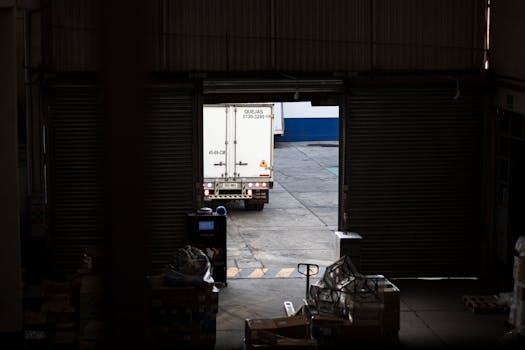
A white delivery truck exits a dimly lit warehouse loading dock, surrounded by packages and pallets. Photo: Juan R. Real / Pexels
The United States, with its vast geographical expanse and diverse economic sectors, presents a unique and often complex landscape for shipping logistics. Businesses operating within or shipping to and from the USA face a myriad of challenges, from fluctuating fuel prices and regulatory compliance to infrastructure limitations and the ever-increasing demands of e-commerce. Effective shipping logistics solutions usa are not merely about moving goods from point A to point B; they encompass a holistic approach to managing the entire supply chain, ensuring goods are transported efficiently, cost-effectively, and reliably. This involves strategic planning, advanced technology adoption, and robust operational execution. At its core, shipping logistics in the USA is about navigating a highly competitive and dynamic environment. Companies must contend with a complex web of transportation modes, including trucking (which accounts for the vast majority of freight movement), rail, air cargo, and ocean shipping. Each mode comes with its own set of advantages, disadvantages, cost structures, and transit times. For instance, while air freight offers speed for time-sensitive shipments, it comes at a premium cost. Conversely, ocean freight is economical for bulk goods but involves significantly longer transit times. The right logistics solution often involves a multimodal strategy, leveraging the strengths of different transportation methods to achieve optimal balance between speed, cost, and reliability. Beyond just transportation, the US logistics infrastructure includes a sprawling network of warehouses, distribution centers, and fulfillment hubs. The strategic placement and efficient management of these facilities are paramount to reducing lead times and improving customer satisfaction. Modern logistics solutions often incorporate sophisticated warehouse management systems (WMS) that optimize inventory placement, picking routes, and overall operational flow. Furthermore, the rise of e-commerce has put immense pressure on last-mile delivery capabilities, leading to innovations in route optimization, drone delivery trials, and the expansion of local micro-fulfillment centers. Businesses that fail to adapt to these evolving demands risk falling behind competitors and alienating customers. Regulatory compliance is another significant factor shaping the US logistics landscape. From Department of Transportation (DOT) regulations for trucking to customs procedures for international shipments, businesses must adhere to a complex set of rules and standards. Non-compliance can lead to hefty fines, delays, and reputational damage. Therefore, robust logistics management systems often include features for tracking and ensuring regulatory adherence. Moreover, sustainability is becoming an increasingly important consideration, with consumers and regulators pushing for greener shipping practices. Logistics providers are responding by investing in more fuel-efficient fleets, optimizing routes to reduce mileage, and exploring alternative energy sources. Understanding these multifaceted elements is the first step towards implementing truly effective shipping logistics solutions in the USA, paving the way for operational excellence and competitive advantage.

Key Components of Effective Shipping Logistics Solutions USA
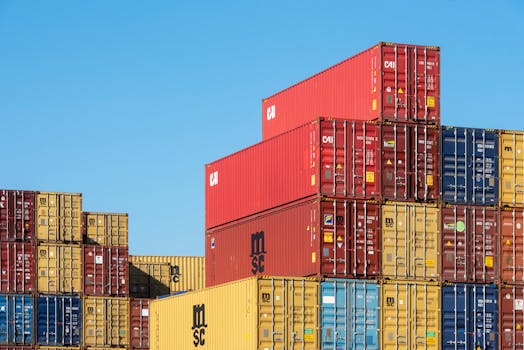
A vibrant collection of stacked shipping containers under a clear, blue sky. Ideal for logistic themes. Photo: Jan van der Wolf / Pexels
Implementing effective shipping logistics solutions in the USA requires a deep understanding of several interconnected components, each playing a critical role in the overall efficiency and success of your supply chain. These components, when integrated seamlessly, create a robust framework that can withstand market fluctuations, enhance responsiveness, and drive significant cost savings. **Transportation Management Systems (TMS):** At the heart of modern shipping logistics lies the Transportation Management System. A TMS is a software platform designed to manage and optimize the daily operations of transportation. It helps businesses plan, execute, and optimize the physical movement of goods, both inbound and outbound. Key functionalities include freight planning and optimization (e.g., load consolidation, route optimization), freight procurement (e.g., carrier selection, rate negotiation), freight audit and payment, and advanced analytics for performance tracking. For businesses seeking to optimize their freight management, a robust TMS is indispensable, allowing for real-time visibility into shipments, proactive issue resolution, and data-driven decision-making. **Warehouse Management Systems (WMS) and Inventory Control:** Efficient warehousing and precise inventory control are critical to preventing stockouts, minimizing holding costs, and ensuring timely order fulfillment. A WMS optimizes every aspect of warehouse operations, from receiving and putaway to picking, packing, and shipping. It uses data to guide decisions on storage locations, streamline picking paths, and manage labor resources effectively. Paired with robust inventory control practices, a WMS provides accurate, real-time inventory counts, enabling businesses to make informed purchasing decisions and reduce waste. This synergy is particularly vital for e-commerce businesses where rapid fulfillment is a competitive differentiator. **Carrier Relationship Management and Selection:** The choice of shipping carriers profoundly impacts costs, transit times, and service quality. Effective shipping logistics solutions involve cultivating strong relationships with a diverse portfolio of carriers, from national behemoths like FedEx and UPS to regional specialists and last-mile delivery services. Strategic carrier selection involves analyzing factors such as pricing structures, service level agreements (SLAs), geographic coverage, tracking capabilities, and reliability. Negotiating favorable rates and establishing clear communication channels with carriers are essential for managing expectations and resolving potential issues swiftly. Many logistics providers offer freight brokerage services, leveraging their volume discounts and expertise to secure better rates for their clients. **Data Analytics and Supply Chain Visibility:** In today's data-driven world, the ability to collect, analyze, and act upon supply chain data is a powerful competitive advantage. Advanced analytics provide insights into performance metrics such as on-time delivery rates, transportation costs per unit, inventory turnover, and order accuracy. This data allows businesses to identify inefficiencies, predict potential disruptions, and make proactive adjustments to their logistics strategies. End-to-end supply chain visibility, facilitated by technologies like GPS tracking, RFID, and IoT sensors, ensures that businesses know where their goods are at every stage of their journey. This transparency is crucial for managing customer expectations, responding to delays, and enhancing overall operational control. Embracing these key components allows businesses to build resilient, efficient, and cost-effective shipping logistics solutions in the USA.

Leveraging Technology for Advanced Shipping Logistics Solutions USA
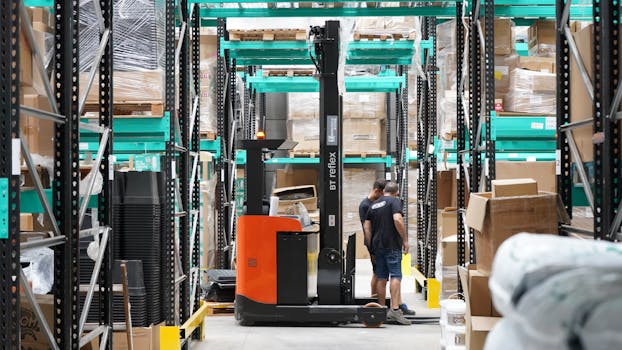
Warehouse scene featuring workers and a forklift navigating aisles for logistics and inventory management. Photo: GB The Green Brand / Pexels
The rapid advancement of technology has fundamentally reshaped the landscape of shipping logistics, transforming it from a purely operational function into a strategic differentiator. For businesses seeking to optimize their shipping logistics solutions usa, embracing cutting-edge technologies is no longer an option but a necessity. These innovations offer unprecedented levels of efficiency, visibility, and control, allowing companies to meet the escalating demands of modern commerce. **Artificial Intelligence (AI) and Machine Learning (ML):** AI and ML are revolutionizing logistics by enabling predictive analytics and intelligent automation. AI algorithms can analyze vast datasets to forecast demand more accurately, optimize inventory levels, and even predict potential supply chain disruptions before they occur. Machine learning models can refine route optimization in real-time, considering variables like traffic congestion, weather patterns, and delivery windows to suggest the most efficient paths. Furthermore, AI-powered systems can automate tasks such as freight auditing, invoice processing, and even customer service interactions, freeing up human resources for more complex problem-solving. The ability of AI to learn and adapt makes logistics operations more agile and responsive. **Internet of Things (IoT) and Sensor Technology:** IoT devices, embedded with sensors, provide real-time data on the location, condition, and environment of goods in transit. This includes tracking temperature and humidity for sensitive cargo, monitoring vibration to detect potential damage, and providing precise location data. This level of granular visibility is invaluable for ensuring product integrity, preventing theft, and offering customers accurate delivery updates. For instance, cold chain logistics heavily relies on IoT sensors to maintain and monitor specific temperature ranges, critical for pharmaceuticals and perishable goods. The data collected by IoT devices feeds into TMS and WMS, offering a comprehensive view of the supply chain. **Blockchain Technology:** While still emerging, blockchain holds immense promise for enhancing transparency, security, and traceability within shipping logistics. By creating an immutable, distributed ledger of all transactions and movements, blockchain can eliminate disputes, reduce fraud, and streamline customs processes. Each stage of a shipment, from origin to destination, can be recorded on the blockchain, providing a verifiable history that is accessible to all authorized parties. This increased trust and transparency can significantly reduce administrative overhead and accelerate resolution times for discrepancies, particularly in complex international shipping scenarios. **Robotics and Automation in Warehousing:** In warehouses and distribution centers, robotics and automation are transforming operations. Automated guided vehicles (AGVs) and autonomous mobile robots (AMRs) can transport goods, while robotic arms handle picking and packing tasks with speed and precision, reducing labor costs and improving accuracy. Automated storage and retrieval systems (AS/RS) maximize storage density and retrieval speed. These technologies not only boost throughput but also improve workplace safety by taking over repetitive or hazardous tasks. Integrating these advanced technologies allows businesses to build highly resilient, adaptive, and efficient shipping logistics solutions in the USA, positioning them for sustained growth and competitive leadership.

Common Pitfalls and Best Practices in US Shipping Logistics

Two men maneuver a trolley in a large warehouse filled with boxes and shelves. Photo: Alexander Isreb / Pexels
Navigating the complexities of shipping logistics in the USA can be challenging, and businesses often encounter common pitfalls that can lead to increased costs, delayed deliveries, and diminished customer satisfaction. Understanding these traps and adopting proven best practices is crucial for optimizing your operations. **Common Pitfalls:** * **Lack of Supply Chain Visibility:** Without real-time tracking and data, businesses often operate in the dark, unable to anticipate or react to disruptions effectively. This leads to reactive problem-solving rather than proactive management. * **Inefficient Route Planning:** Relying on outdated methods or generic mapping tools can result in longer routes, higher fuel consumption, and missed delivery windows. This directly impacts both cost and customer experience. * **Poor Carrier Management:** Failing to diversify carriers, negotiate favorable terms, or monitor carrier performance can lead to overspending and unreliable service. A single point of failure can cripple operations. * **Inadequate Inventory Management:** Overstocking ties up capital and incurs high holding costs, while understocking leads to lost sales and dissatisfied customers. Balancing inventory levels is a perpetual challenge. * **Ignoring Regulatory Compliance:** The US has a complex web of shipping regulations. Overlooking permits, declarations, or safety standards can result in hefty fines, delays, and legal issues. * **Resistance to Technology Adoption:** Sticking to manual processes or outdated systems limits scalability, increases human error, and prevents businesses from leveraging data-driven insights for optimization. **Best Practices for Shipping Logistics Solutions USA:** * **Embrace End-to-End Visibility:** Implement robust TMS, WMS, and IoT solutions to gain real-time insights into every stage of your supply chain. This transparency allows for proactive issue resolution and better decision-making. * **Strategic Network Design:** Regularly review and optimize your warehouse and distribution center locations relative to your customer base and supplier network. This minimizes transit times and costs. * **Diversify and Nurture Carrier Relationships:** Work with multiple carriers to mitigate risks and negotiate better rates. Establish clear communication channels and performance metrics to ensure accountability. * **Implement Advanced Inventory Optimization:** Utilize predictive analytics and demand forecasting tools to maintain optimal inventory levels, reducing carrying costs and preventing stockouts. * **Stay Abreast of Regulations:** Invest in compliance software or partner with logistics experts who specialize in regulatory adherence. This ensures smooth operations and avoids legal pitfalls. * **Leverage Data Analytics for Continuous Improvement:** Regularly analyze performance data to identify trends, pinpoint inefficiencies, and make informed adjustments to your logistics strategy. Data is your most powerful tool for optimization. * **Focus on Last-Mile Excellence:** Recognize the critical importance of the last mile in customer satisfaction. Invest in technologies and strategies that ensure fast, reliable, and transparent delivery to the end consumer. * **Prioritize Sustainability:** Integrate eco-friendly practices into your logistics, such as route optimization to reduce emissions, use of electric vehicles, and sustainable packaging. This aligns with consumer values and can lead to long-term cost savings. By actively avoiding these common pitfalls and diligently applying these best practices, businesses can significantly enhance their shipping logistics solutions in the USA, leading to greater efficiency, cost savings, and a superior customer experience.

Comparison

FeatureIntegrated 3PL SolutionIn-House LogisticsBasic Carrier Service
Cost EfficiencyHigh (volume discounts, optimized networks)Medium (high overhead for small/medium businesses)Medium (limited optimization)
ScalabilityExcellent (adapts to demand fluctuations)Limited (requires significant investment)Moderate (depends on carrier capacity)
Technology & ExpertiseAdvanced (latest TMS, WMS, analytics)Variable (requires continuous investment)Basic (tracking, simple portals)
Supply Chain VisibilityHigh (end-to-end tracking, dashboards)Medium (if systems are integrated)Low to Medium (package level)
Focus on Core Business✓ (offloads logistics burden)✗ (diverts resources)✓ (simple shipping transactions)
Risk MitigationHigh (diversified carriers, expertise)Medium (internal vulnerabilities)Low (single carrier reliance)
CustomizationHigh (tailored solutions)High (full control)Low (standard services)

What Readers Say

"Our e-commerce business was struggling with shipping delays and soaring costs. After implementing their shipping logistics solutions in the USA, we saw a 20% reduction in shipping expenses and our on-time delivery rate jumped to 98%. Their team is incredibly responsive and knowledgeable."

Sarah J. · Austin, TX

"The transition to their integrated logistics platform was seamless. We now have complete visibility over our entire supply chain, which has eliminated guesswork and greatly improved our inventory management. Truly transformative for our nationwide distribution."

Mark D. · Chicago, IL

"As a small manufacturing company, managing our own freight was a nightmare. Their shipping logistics solutions in the USA provided us with access to better carrier rates and optimized routes, saving us thousands annually. Our customers are happier too!"

Emily R. · Los Angeles, CA

"Their expertise in cross-border shipping within the US has been invaluable. While initial setup took a bit longer than expected, the long-term benefits in compliance and efficiency are undeniable. We appreciate their detailed approach."

David P. · Miami, FL

"We needed a solution that could handle fluctuating seasonal demand without breaking the bank. Their flexible shipping logistics solutions in the USA provided the scalability we needed, allowing us to meet peak season orders effortlessly and without significant capital investment."

Lisa K. · Seattle, WA

Frequently Asked Questions

What are the primary benefits of implementing advanced shipping logistics solutions in the USA?

Advanced shipping logistics solutions offer numerous benefits, including significant cost reductions through optimized routes and carrier negotiations, improved delivery times leading to higher customer satisfaction, enhanced supply chain visibility for better decision-making, and increased operational efficiency by automating manual processes. They help businesses adapt to market changes and maintain a competitive edge.

Is investing in new logistics technology really worth the upfront cost for smaller businesses?

Absolutely. While there is an initial investment, the long-term savings and efficiency gains often far outweigh the costs, even for smaller businesses. Many modern solutions are scalable and offered on a subscription basis, making them accessible. The improved accuracy, reduced errors, and better customer experience translate directly into profitability and growth that manual processes cannot achieve.

How can I improve my last-mile delivery performance in the USA?

Improving last-mile delivery involves several strategies: utilizing advanced route optimization software, partnering with local or regional carriers specializing in last-mile, exploring micro-fulfillment centers, offering flexible delivery options (e.g., scheduled, expedited), and providing real-time tracking to customers. Focusing on customer communication and proactive problem-solving is also key.

What's the typical cost structure for shipping logistics solutions in the USA?

The cost structure varies widely depending on the scope and complexity of the services. It can include software licensing fees (for TMS/WMS), per-shipment fees, percentage of freight spend for 3PLs, warehousing fees (storage, picking, packing), and consulting fees for initial setup and optimization. Many providers offer customized pricing based on volume and specific needs, so it's crucial to get a tailored quote.

How do 3PLs (Third-Party Logistics) compare to in-house shipping logistics solutions?

3PLs typically offer greater scalability, access to advanced technology, and specialized expertise without the need for significant capital investment. They leverage volume discounts with carriers, potentially reducing costs. In-house solutions offer complete control but require substantial internal resources, infrastructure, and continuous investment in technology and personnel. The best choice depends on business size, volume, and strategic priorities.

Who should consider implementing comprehensive shipping logistics solutions in the USA?

Any business that ships goods within or from the USA can benefit, especially e-commerce companies, manufacturers, distributors, and retailers. If you're experiencing high shipping costs, frequent delays, lack of visibility, inventory inaccuracies, or difficulty scaling your operations, comprehensive shipping logistics solutions are designed to address these challenges and drive efficiency.

What are the risks of not optimizing my shipping logistics?

Not optimizing your shipping logistics can lead to a cascade of negative outcomes: increased operational costs, customer dissatisfaction due to delays or errors, lost sales from stockouts, reputational damage, inefficient use of resources, and a diminished competitive advantage. In today's market, inefficient logistics can be a direct threat to business viability.

How will sustainability trends impact shipping logistics solutions in the USA?

Sustainability is increasingly a core focus. Expect to see greater adoption of electric and alternative-fuel vehicles, more efficient route planning to reduce carbon footprint, increased use of sustainable packaging, and greater transparency in reporting environmental impact. Logistics providers will need to offer 'green' shipping options to meet consumer and regulatory demands, making eco-friendly practices a competitive advantage.

Ready to transform your supply chain and unlock unparalleled efficiency? Explore how tailored shipping logistics solutions in the USA can propel your business forward, reduce costs, and delight your customers. Contact us today for a personalized consultation and take the first step towards a smarter, more streamlined shipping operation.

Topics: shipping logistics solutions usasupply chain optimizationfreight managementlogistics technologywarehouse management
Leo List
Brampton weed
Adultwork EstrelaBet Vai de Bet R7 Bet Betão Galera Bet Rainbet Bet9ja Shop SportyBet BetKing Sisal Loto Foot Hollywoodbets YesPlay Odibets RushBet Jugabet BetWarrior BetCity MSport betPawa Fortebet