✓ The U.S. is the world's second-largest goods exporter and largest goods importer, making its international logistics landscape incredibly complex.
✓ Customs compliance and documentation are among the most significant hurdles in international shipping, often leading to delays if not handled expertly.
✓ Technological advancements, such as AI and blockchain, are increasingly shaping the future of international logistics, enhancing transparency and efficiency.
✓ Choosing the right incoterms is crucial for defining responsibilities and costs between buyers and sellers in international transactions.
How It Works
1
Planning & Origin Logistics
This initial phase involves strategic planning of the shipment, including route selection, packaging, and arranging pickup from the origin point. It also covers initial documentation like commercial invoices and packing lists.
2
Main Carriage & Transit
Goods are transported via air, sea, or land from the origin country to the U.S. border. This stage requires careful coordination with carriers, tracking, and adherence to international transport regulations.
3
U.S. Customs Clearance
Upon arrival in the U.S., shipments undergo customs inspection and clearance, necessitating accurate documentation, duty/tax payment, and compliance with all U.S. import laws. This is a critical step that can significantly impact delivery times.
4
Last-Mile Delivery & Distribution
After customs clearance, the goods are transported from the port of entry to their final destination within the U.S. This includes warehousing, domestic trucking, and potentially final delivery to the end customer.
Navigating the Complexities of International Shipping Logistics USA
Photo: Bernd von Darl / Pexels
The United States, as a global economic powerhouse, sits at the nexus of an incredibly intricate web of international trade. For businesses looking to import or export goods, understanding the nuances of international shipping logistics USA is not just beneficial; it's absolutely essential for success. This isn't merely about moving a package from point A to point B; it's about orchestrating a complex ballet of documentation, compliance, transportation modes, and regulatory adherence across multiple jurisdictions. The stakes are high: delays can lead to lost revenue, dissatisfied customers, and even significant fines.
At its core, international shipping logistics in the USA encompasses every step involved in getting goods from an overseas origin to a destination within the United States, or vice-versa. This includes everything from initial planning and freight forwarding to customs clearance, warehousing, and final delivery. Each stage presents its own set of challenges and opportunities for optimization. For instance, selecting the most appropriate Incoterms® (International Commercial Terms) is a foundational decision that dictates who is responsible for what costs and risks at each point in the journey. Misunderstanding these terms can lead to unexpected expenses or disputes.
Moreover, the regulatory landscape is continuously evolving. U.S. Customs and Border Protection (CBP) enforces a vast array of laws and regulations on behalf of over 40 other government agencies, covering everything from product safety and intellectual property rights to agricultural restrictions and anti-dumping duties. Staying abreast of these changes requires vigilance and often the expertise of seasoned professionals. Without a deep understanding of these regulations, businesses risk delays, seizures, or even penalties that can severely impact their bottom line and reputation.
Beyond regulations, the choice of transportation mode – air, ocean, or sometimes even ground for cross-border movements with Canada or Mexico – plays a critical role in balancing cost, speed, and reliability. Ocean freight is generally the most cost-effective for large volumes and non-time-sensitive cargo, but it comes with longer transit times. Air freight offers speed but at a premium price. Hybrid solutions, combining different modes, can offer a strategic balance. The decision hinges on the specific characteristics of the goods, the urgency of delivery, and the overall budget.
Furthermore, the sheer geographical scale of the USA means that inland transportation from ports of entry to final destinations can be a significant logistical undertaking. This 'last-mile' or 'final-leg' delivery often involves domestic trucking, rail, or intermodal solutions, each with its own set of considerations regarding cost, efficiency, and infrastructure. Integrating these various components into a cohesive and efficient supply chain requires sophisticated planning and execution. Ultimately, mastering international shipping logistics in the USA is about achieving a delicate balance between speed, cost, compliance, and reliability, all while navigating a global network of partners and regulations. Understanding these fundamental principles is the first step towards building a resilient and competitive global supply chain. Learn more about optimizing your supply chain.
Key Players and Essential Documentation in U.S. Global Trade
Photo: Tima Miroshnichenko / Pexels
Successfully navigating international shipping logistics USA requires a clear understanding of the various entities involved and the critical documentation they require. This ecosystem is populated by a range of key players, each with a distinct role in ensuring goods move smoothly across borders. Central among these are freight forwarders, customs brokers, and carriers. Freight forwarders act as intermediaries, coordinating the entire shipping process from origin to destination, often consolidating shipments, negotiating rates, and managing documentation. They are invaluable for businesses that lack the internal expertise or resources to handle complex international movements.
Customs brokers, on the other hand, are licensed professionals specializing in customs clearance. Their expertise is paramount for ensuring compliance with U.S. Customs and Border Protection (CBP) regulations. They prepare and submit necessary documentation, calculate duties and taxes, and communicate with CBP on behalf of the importer. Given the stringent and ever-changing nature of U.S. import laws, a reliable customs broker can prevent costly delays, penalties, and even cargo seizures. Carriers – whether ocean lines, airlines, or trucking companies – are responsible for the physical transportation of goods. Selecting the right carrier involves assessing their reliability, route networks, transit times, and cost structures.
Beyond these service providers, governmental agencies play a significant oversight role. CBP is the primary agency for imports, but other bodies like the Food and Drug Administration (FDA) for food and medical products, the Environmental Protection Agency (EPA) for chemicals, and the Department of Agriculture (USDA) for agricultural goods, also have jurisdiction over specific types of imports. Adhering to the requirements of all relevant agencies is non-negotiable for successful international trade.
When it comes to documentation, accuracy and completeness are paramount. The essential documents typically include:
* **Commercial Invoice:** A bill for the goods from the seller to the buyer, detailing the products, quantities, prices, and terms of sale. It's crucial for customs valuation and duty assessment.
* **Packing List:** Provides a detailed breakdown of the contents of each package, including dimensions and weight, aiding in cargo handling and customs inspection.
* **Bill of Lading (B/L) or Air Waybill (AWB):** A contract of carriage between the shipper and the carrier, serving as a receipt for goods and a document of title (for B/L). It specifies the type, quantity, and destination of the goods.
* **Certificate of Origin:** Confirms the country where the goods were manufactured, which can impact duty rates under free trade agreements.
* **Import/Export Licenses:** Required for certain controlled goods or industries, ensuring compliance with specific trade regulations.
* **Customs Bond:** A financial guarantee ensuring that duties, taxes, and fees owed to the U.S. government will be paid. Most commercial importers need a continuous bond.
Each document serves a specific purpose, and any discrepancies or omissions can lead to significant delays and complications. Leveraging experienced freight forwarders and customs brokers can significantly streamline this process, minimizing errors and ensuring a smoother journey for your international shipments into or out of the USA. Their expertise in managing these intricacies is often the difference between a successful, timely delivery and a logistical nightmare.
Optimizing Your International Supply Chain for U.S. Market Entry
Photo: Tiger Lily / Pexels
For businesses eyeing the lucrative U.S. market, optimizing their international supply chain is not merely a matter of efficiency; it's a strategic imperative for competitive advantage. The journey of goods from an overseas manufacturing plant to a consumer's doorstep in the USA involves numerous touchpoints, and each presents an opportunity for optimization or a potential bottleneck. A well-optimized supply chain in the context of international shipping logistics USA focuses on reducing costs, minimizing transit times, enhancing visibility, and ensuring compliance, all while maintaining product quality.
One critical area for optimization is **inventory management**. Holding too much inventory can tie up capital and incur storage costs, while too little can lead to stockouts and lost sales. Implementing just-in-time (JIT) or lean inventory practices, carefully balanced with lead times for international shipments, can significantly improve cash flow and reduce warehousing expenses. This often involves leveraging demand forecasting tools and building strong relationships with suppliers to ensure a steady, predictable flow of goods.
Another significant aspect is **port and route selection**. The U.S. has numerous major ports on its East, West, and Gulf Coasts, each with different capacities, transit times from various origins, and inland transportation networks. For example, shipments from Asia might favor West Coast ports like Los Angeles or Long Beach, while European goods might enter through East Coast ports like New York or Savannah. Analyzing the final destination within the U.S. and the associated domestic transportation costs (e.g., rail vs. truck) can lead to substantial savings and faster delivery times. Strategic port selection can mitigate delays caused by port congestion or labor disputes.
**Technology integration** is rapidly transforming international logistics. Advanced tracking systems provide real-time visibility into shipment status, allowing businesses to anticipate and proactively address potential issues. Predictive analytics can forecast transit times and identify optimal routes, while automation in warehousing and last-mile delivery streamlines operations. Blockchain technology is also emerging as a tool to enhance transparency and security in the supply chain, creating an immutable record of transactions and movements.
Furthermore, **risk management** is integral to supply chain optimization. Geopolitical events, natural disasters, port strikes, and unexpected regulatory changes can all disrupt international shipments. Developing contingency plans, diversifying suppliers and routes, and securing adequate cargo insurance are crucial steps to mitigate these risks. Understanding the potential vulnerabilities in your supply chain allows for proactive measures, ensuring business continuity even in the face of unforeseen challenges.
Finally, **partner collaboration** is key. Working with experienced freight forwarders, customs brokers, and third-party logistics (3PL) providers who specialize in the U.S. market can provide invaluable expertise and resources. These partners can offer insights into best practices, navigate complex regulations, and provide scalable solutions that adapt to changing business needs. Building strong, collaborative relationships with these partners transforms them from mere service providers into strategic allies, enhancing the overall resilience and efficiency of your international supply chain. Discover how logistics partnerships drive success.
Common Pitfalls and Best Practices in International Shipping Logistics USA
Photo: Ann H / Pexels
Navigating the landscape of international shipping logistics USA is fraught with potential pitfalls that can derail even the most meticulously planned operations. However, by understanding these common challenges and adopting best practices, businesses can significantly mitigate risks and ensure smoother, more efficient global trade.
**Common Pitfalls:**
* **Inadequate Documentation:** This is perhaps the most frequent cause of delays. Missing commercial invoices, incorrect Harmonized System (HS) codes, or incomplete packing lists can lead to customs holds, fines, or even cargo seizure. Each document must be precise and match all other accompanying paperwork.
* **Misunderstanding Incoterms:** Incorrectly applying Incoterms can lead to disputes over who is responsible for costs, insurance, and risks at various points in the journey. This often results in unexpected expenses or liability issues for either the buyer or seller.
* **Lack of Compliance Knowledge:** U.S. import regulations are extensive and constantly evolving. Failure to comply with specific agency requirements (e.g., FDA, USDA) for certain products can lead to significant penalties, rejection of goods, or lengthy inspections.
* **Poorly Chosen Partners:** Relying on inexperienced or unreliable freight forwarders or customs brokers can result in miscommunication, inefficient processes, and a lack of proactive problem-solving, causing ripple effects throughout the supply chain.
* **Ignoring Risk Management:** Not having contingency plans for disruptions like port congestion, natural disasters, or geopolitical events can leave businesses vulnerable to significant delays and financial losses.
* **Inefficient Communication:** A lack of clear, consistent communication between all parties – suppliers, carriers, forwarders, and customers – can lead to misunderstandings, missed deadlines, and a reactive approach to problem-solving.
**Best Practices for Success:**
* **Invest in Expertise:** Partner with reputable, experienced freight forwarders and licensed customs brokers who have a proven track record in international shipping logistics USA. Their expertise is invaluable for navigating complex regulations and optimizing routes.
* **Master Documentation:** Implement robust internal processes for generating and verifying all necessary shipping documents. Consider using software solutions that help automate document creation and ensure accuracy. Double-check all HS codes.
* **Stay Updated on Regulations:** Regularly monitor changes in U.S. import/export regulations, tariffs, and trade agreements. Subscribing to industry updates and working with knowledgeable partners can help stay ahead of compliance requirements.
* **Strategic Incoterms Selection:** Carefully choose Incoterms that align with your business model, risk tolerance, and the specific shipment. Ensure all parties clearly understand their responsibilities.
* **Leverage Technology:** Utilize supply chain management (SCM) software for real-time tracking, inventory management, and data analytics. This enhances visibility and allows for proactive decision-making.
* **Build Strong Relationships:** Foster strong, collaborative relationships with all supply chain partners. Open communication and mutual trust can significantly improve problem-solving and overall efficiency.
* **Comprehensive Risk Planning:** Develop detailed contingency plans for various disruptions. This includes identifying alternative routes, carriers, and even backup suppliers. Secure appropriate cargo insurance.
* **Optimize Packaging:** Ensure packaging is suitable for international transit, protecting goods from damage during long journeys and multiple handling points. Proper packaging can also optimize container space, reducing costs.
By proactively addressing these pitfalls and integrating best practices, businesses can transform the challenging landscape of international shipping logistics in the USA into a streamlined, competitive advantage, ensuring timely deliveries and compliant operations.
Comparison
Feature
Ocean Freight (FCL)
Ocean Freight (LCL)
Air Freight
Cost-Effectiveness
Very High (for large volumes)
Medium (for smaller volumes)
Low (highest per kg)
Transit Time
Long (weeks)
Longer (due to consolidation)
Short (days)
Cargo Volume/Weight
High (full container)
Medium (shared container)
Low (limited by aircraft capacity)
Environmental Impact
Lower carbon footprint per unit
Lower carbon footprint per unit
Higher carbon footprint per unit
Flexibility
Lower (fixed container sizes)
Medium (more frequent departures)
High (frequent departures, various sizes)
Best For
Bulk goods, non-urgent, cost-sensitive
Smaller shipments, cost-sensitive, less urgent
High-value, urgent, perishable goods
What Readers Say
★★★★★
"Our company faced significant delays with our previous logistics provider. Switching to a specialist in international shipping logistics USA transformed our supply chain. Our shipments from Asia now clear customs much faster, and we have real-time visibility, which is invaluable."
Sarah J. · Miami, FL
★★★★★
"Navigating import regulations for our specialized machinery used to be a nightmare. The expertise provided by our freight forwarder in U.S. customs and compliance for international shipping logistics USA has saved us countless hours and prevented costly fines. Highly recommend their services."
David K. · Chicago, IL
★★★★★
"We reduced our overall shipping costs by 15% after optimizing our international shipping logistics USA strategy. Their team helped us select better Incoterms and streamlined our documentation, leading to a much more efficient and profitable operation."
Maria P. · Los Angeles, CA
★★★★★
"While the initial setup for our new international shipping logistics USA provider took a bit longer than expected, the long-term benefits in terms of reliability and reduced customs issues have been substantial. Their communication could improve slightly, but overall, a very positive experience."
Tom L. · Houston, TX
★★★★★
"As a small e-commerce business, expanding into international markets felt daunting. This guide on international shipping logistics USA, combined with the support of a specialized 3PL, made the process manageable. Our customers are now receiving products from Europe consistently and on time."
Emily R. · New York, NY
Frequently Asked Questions
What are the most common challenges in international shipping logistics USA?
The most common challenges include navigating complex U.S. customs regulations, ensuring accurate and complete documentation, managing fluctuating freight costs, dealing with potential port congestion or delays, and selecting the most appropriate transportation mode and partners for specific cargo requirements. Misunderstanding Incoterms is also a frequent source of issues.
How can I reduce customs delays for my international shipments entering the USA?
To reduce customs delays, ensure all documentation (commercial invoice, packing list, bill of lading, certificate of origin) is accurate and complete. Properly classify your goods using correct HS codes, and pay duties/taxes promptly. Partnering with an experienced U.S. customs broker is highly recommended, as they can pre-file entries and address issues proactively.
What is the process for importing goods into the USA?
The import process typically involves several steps: preparing goods for shipment, selecting a carrier and freight forwarder, preparing international shipping documents, transporting goods to a U.S. port of entry, undergoing U.S. Customs clearance (including duty/tax payment), and finally, domestic transportation to the ultimate destination. Each step requires careful coordination and compliance.
How much does international shipping to the USA cost?
The cost of international shipping to the USA varies significantly based on several factors: the origin country, transportation mode (air vs. ocean), cargo volume and weight, urgency, type of goods, chosen Incoterms, and additional services like insurance or warehousing. Obtaining detailed quotes from multiple freight forwarders is essential for accurate cost estimation.
What is the difference between a freight forwarder and a customs broker in the context of international shipping logistics USA?
A freight forwarder acts as an orchestrator, arranging the entire shipment process from origin to destination, including carrier selection, booking, and some documentation. A customs broker, however, is a specialist licensed by U.S. Customs and Border Protection, solely focused on preparing and submitting necessary customs documentation and facilitating clearance through U.S. customs, ensuring compliance with import laws.
Who should use specialized international shipping logistics USA services?
Any business involved in importing or exporting goods to or from the United States can benefit from specialized international shipping logistics services. This includes e-commerce businesses, manufacturers, distributors, and retailers of all sizes. Companies dealing with complex goods, high volumes, or strict deadlines particularly benefit from expert guidance to ensure efficiency and compliance.
What are the risks associated with international shipping to the USA?
Key risks include cargo damage or loss during transit, customs delays and penalties due to non-compliance or incorrect documentation, unexpected cost increases (e.g., fuel surcharges, demurrage), port congestion, geopolitical disruptions, and natural disasters. Proper cargo insurance and robust risk management strategies are crucial to mitigate these potential issues.
What are the future trends impacting international shipping logistics USA?
Future trends include increased adoption of digitalization and automation (AI, IoT, blockchain) for enhanced transparency and efficiency, a growing focus on sustainability and green logistics, the continued expansion of e-commerce driving demand for faster and more flexible shipping, and the need for greater supply chain resilience in the face of global disruptions and trade policy shifts.
Mastering international shipping logistics USA is no small feat, but with the right knowledge and partners, your business can thrive in the global marketplace. Don't let the complexities deter you; instead, leverage expertise to transform your global supply chain into a competitive advantage. Contact us today to optimize your international shipping strategy.
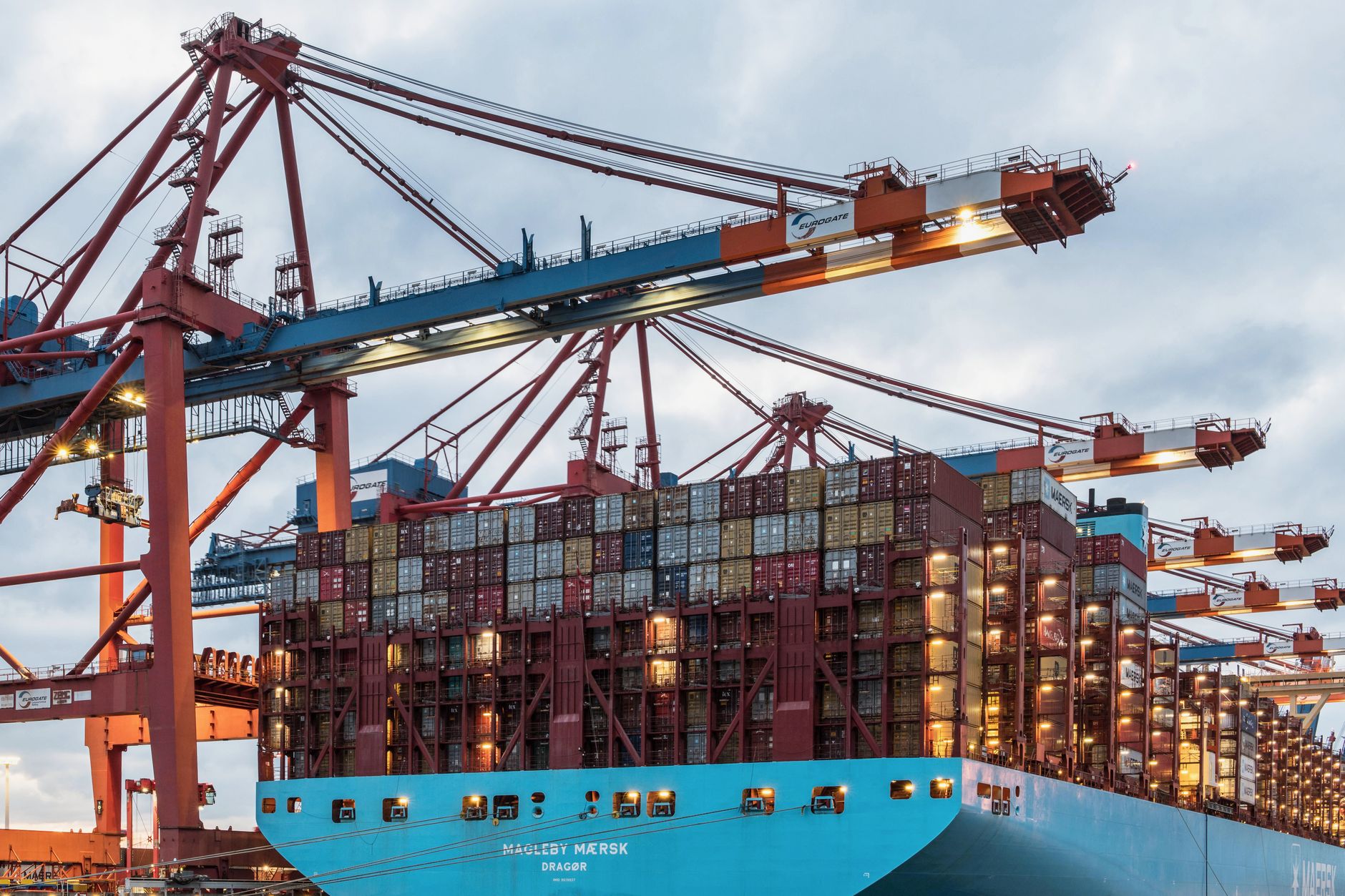
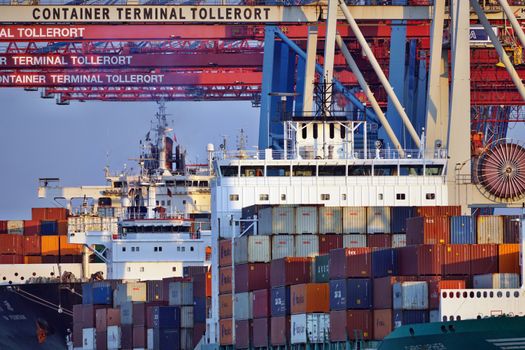 Photo: Bernd von Darl / Pexels
 Photo: Tima Miroshnichenko / Pexels
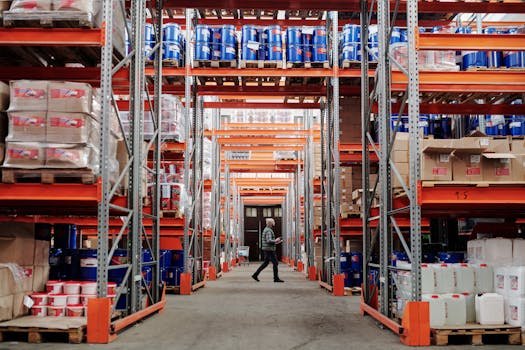 Photo: Tiger Lily / Pexels
 Photo: Ann H / Pexels