Mastering Your Supply Chain with Third Party Logistics 3PL Providers
third party logistics 3pl providers

Mastering Your Supply Chain with Third Party Logistics 3PL Providers

Streamline operations, cut costs, and scale your business effortlessly with expert third-party logistics solutions.

Find Your 3PL Partner

Key Takeaways

  • ✓ 3PLs handle warehousing, transportation, and fulfillment, allowing businesses to focus on core competencies.
  • ✓ The 3PL market is projected to reach over $1.7 trillion globally by 2027, highlighting its growing importance.
  • ✓ Utilizing a 3PL can lead to significant cost savings on infrastructure, labor, and technology.
  • ✓ Advanced 3PLs offer value-added services like kitting, assembly, and reverse logistics.

How It Works

1
Assessment & Strategy

A 3PL partner begins by understanding your current supply chain, product types, customer base, and business goals. They then develop a tailored logistics strategy to meet your specific needs.

2
Integration & Setup

Your inventory is transferred to the 3PL's facilities, and their systems are integrated with your e-commerce platform or ERP. This ensures seamless data flow for order processing and inventory tracking.

3
Execution & Fulfillment

As orders come in, the 3PL picks, packs, and ships products directly to your customers. They manage freight, last-mile delivery, and provide real-time tracking information.

4
Optimization & Reporting

Ongoing performance analysis, inventory management, and continuous process improvements are conducted. You receive detailed reports on key metrics, ensuring transparency and efficiency.

The Indispensable Role of Third Party Logistics 3PL Providers in Modern Commerce

Spacious modern factory interior showcasing industrial manufacturing machinery. Photo: Peter Xie / Pexels
In today's hyper-competitive and rapidly evolving commercial landscape, the intricate dance of getting products from manufacturer to consumer has become a critical differentiator. This is where third party logistics 3PL providers step in, offering a comprehensive suite of services that extend far beyond simple shipping. A 3PL acts as an outsourced partner, managing various aspects of your supply chain, including warehousing, transportation, inventory management, order fulfillment, and even value-added services like kitting, assembly, and reverse logistics. For businesses in the US, navigating the complexities of domestic and international shipping regulations, vast geographical distances, and fluctuating consumer demands can be daunting. Partnering with a proficient 3PL allows companies to offload these operational burdens, enabling them to concentrate on core competencies such as product development, marketing, and sales. The evolution of third party logistics 3PL providers has been driven by the exponential growth of e-commerce and the increasing consumer expectation for fast, accurate, and affordable delivery. Small and medium-sized businesses (SMBs) often lack the capital, infrastructure, and expertise to build and maintain their own sophisticated logistics networks. A 3PL provides immediate access to state-of-the-art warehouses, advanced inventory management systems (WMS), a vast network of carriers, and a team of logistics professionals. This access translates into significant economies of scale and operational efficiencies that would be otherwise unattainable. Furthermore, 3PLs are adept at managing seasonal fluctuations in demand, scaling operations up or down as needed, which is a major advantage for businesses with variable sales cycles. Without the need to invest in warehouses, trucks, or a large logistics team, companies can free up capital and resources, redirecting them towards growth initiatives. This strategic partnership is not merely about cost reduction; it's about enhancing customer satisfaction through reliable and expedited delivery, expanding market reach, and gaining a competitive edge in a demanding marketplace. Understanding the multifaceted benefits of these providers is the first step towards transforming your supply chain into a powerful engine for business success. The right 3PL can dramatically improve your supply chain resilience and adaptability, crucial for navigating unforeseen disruptions. For a deeper dive into the broader field, explore what logistics encompasses.

Unlocking Efficiency and Cost Savings with Outsourced Logistics
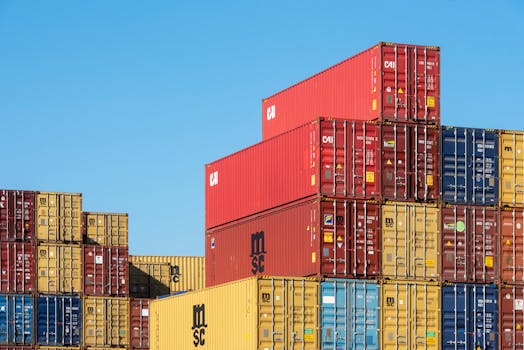
A vibrant collection of stacked shipping containers under a clear, blue sky. Ideal for logistic themes. Photo: Jan van der Wolf / Pexels
One of the most compelling reasons businesses turn to third party logistics 3PL providers is the promise of enhanced efficiency and substantial cost savings. Operating an in-house logistics department requires significant upfront investment and ongoing expenditures. This includes purchasing or leasing warehouse space, investing in material handling equipment, implementing warehouse management systems (WMS), hiring and training a dedicated workforce, and managing a fleet of vehicles or negotiating with multiple carriers. Each of these components comes with its own set of challenges and costs, from property taxes and utility bills to labor disputes and fuel price volatility. By outsourcing to a 3PL, businesses can convert many of these fixed costs into variable costs. Instead of paying for an entire warehouse, you only pay for the space and services you use. 3PLs leverage their extensive networks and volume discounts with carriers to secure better shipping rates than individual businesses could achieve on their own. Their expertise in route optimization, freight consolidation, and multimodal transportation further reduces shipping expenses. Moreover, advanced 3PLs utilize cutting-edge technology, such as AI-driven forecasting and robotics, to optimize inventory placement and picking processes, minimizing errors and speeding up fulfillment. This translates into fewer mis-shipments, reduced returns, and happier customers. The operational efficiencies gained extend beyond mere cost reduction; they also encompass time savings. Business owners and their teams can reallocate the time spent on logistics management to strategic planning, product innovation, and customer engagement, fostering overall business growth. The scalability offered by 3PLs means you can easily adapt to market changes without the burden of expanding or contracting your physical infrastructure, making them an agile solution for dynamic business environments. This agility is particularly vital in the US market, with its diverse regional demands and shipping requirements. Effective inventory management, a cornerstone of successful logistics, is also significantly improved, reducing carrying costs and preventing stockouts.

Choosing the Right Third Party Logistics 3PL Providers for Your Business Needs
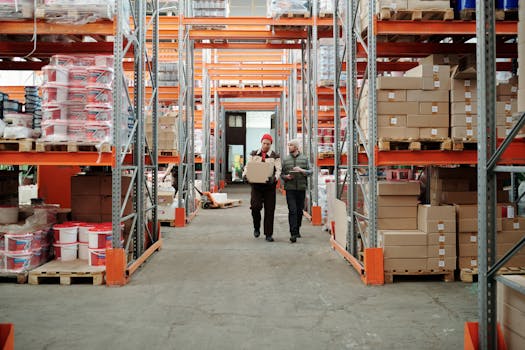
Two workers handle a package in a spacious warehouse surrounded by shelves stocked with boxes and products. Photo: Tiger Lily / Pexels
Selecting the appropriate third party logistics 3PL providers is a critical decision that can profoundly impact your business's success. It’s not a one-size-fits-all scenario, and careful consideration of several factors is essential. First, assess the 3PL's service offerings. Do they provide the specific services you need, such as warehousing, freight forwarding, last-mile delivery, e-commerce fulfillment, kitting, or reverse logistics? Ensure their capabilities align with your current and future business requirements. Second, evaluate their technological infrastructure. A modern 3PL should utilize advanced Warehouse Management Systems (WMS), Transportation Management Systems (TMS), and robust reporting tools. These technologies are crucial for real-time visibility into inventory, order status, and performance metrics. Integration capabilities with your existing e-commerce platforms or ERP systems are also paramount for seamless operations. Third, consider their geographical footprint. If your customer base is spread across the US, a 3PL with strategically located distribution centers can help reduce transit times and shipping costs. Their network should ideally align with your primary shipping lanes and target markets. Fourth, examine their reputation and customer service. Look for providers with a proven track record, positive client testimonials, and a dedicated account management team that offers proactive communication and support. Reliable communication is key to a successful partnership. Fifth, scrutinize their pricing structure. Understand all costs involved, including storage fees, pick-and-pack charges, shipping rates, and any additional service fees. Transparency in pricing prevents unexpected expenses. Finally, evaluate their scalability and flexibility. Can they accommodate your growth trajectory? Can they handle seasonal spikes in demand? A flexible 3PL partner can adapt to your evolving business needs, providing a truly long-term solution. For a comprehensive understanding of the entire process, consider how a robust logistics strategy underpins effective 3PL selection. Due diligence in this selection process will pay dividends by ensuring a smooth, efficient, and cost-effective supply chain.

Maximizing Your Partnership: Tips for Working with 3PLs and Common Pitfalls to Avoid
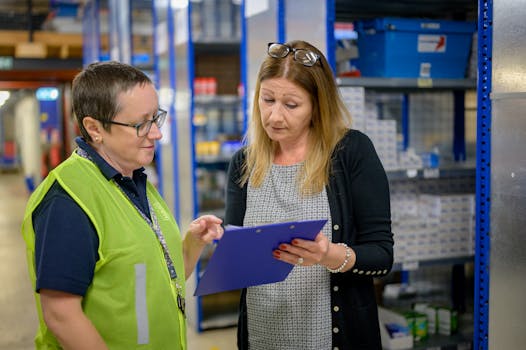
Two women in a warehouse reviewing an inventory checklist on a clipboard. Photo: Centre for Ageing Better / Pexels
Once you've chosen your third party logistics 3PL providers, the journey towards an optimized supply chain is just beginning. Maximizing this partnership requires active engagement and clear communication from both sides. Here are some key tips to ensure a successful collaboration: * **Define Clear Expectations:** Before onboarding, establish clear Service Level Agreements (SLAs) that outline performance metrics, communication protocols, and responsibilities. This sets the foundation for accountability. * **Maintain Open Communication:** Regular meetings and transparent information sharing are crucial. Communicate any changes in product lines, marketing campaigns, or demand forecasts well in advance to allow the 3PL to prepare. * **Provide Accurate Data:** Ensure your inventory data, product specifications, and order information are consistently accurate. Inaccurate data is a leading cause of fulfillment errors and delays. * **Leverage Their Expertise:** Your 3PL partner has extensive experience. Don't hesitate to ask for advice on packaging optimization, shipping strategies, or inventory management best practices. * **Regular Performance Reviews:** Schedule periodic reviews to assess performance against agreed-upon KPIs. Use this feedback to identify areas for improvement and celebrate successes. Conversely, there are common pitfalls that businesses often encounter when working with 3PLs that can hinder efficiency and lead to frustration: * **Lack of Integration:** Failing to properly integrate your systems with the 3PL's can lead to manual data entry, errors, and delays. * **Ignoring Scalability:** Choosing a 3PL that cannot scale with your business growth will quickly become a bottleneck. * **Poor Communication:** Siloed communication or a lack of a single point of contact can create misunderstandings and slow down problem resolution. * **Not Understanding Pricing:** Overlooking hidden fees or not fully understanding the pricing model can lead to unexpected costs. * **Relinquishing All Control:** While outsourcing, it’s vital to maintain oversight and not completely disengage from your logistics operations. A partnership requires mutual responsibility. By proactively managing these aspects, you can forge a robust and long-lasting relationship with your third party logistics 3PL providers, turning your supply chain into a competitive advantage.

Comparison

FeatureIn-House LogisticsSmall 3PLLarge 3PLHybrid Model
Initial InvestmentHighLowLowMedium
ScalabilityLimitedModerateHighHigh
Control & CustomizationHighestHighModerateHigh
Technology AccessSelf-fundedBasic/Mid-tierAdvancedVariable
Carrier NetworkLimitedGoodExtensiveGood
Cost EfficiencyVariable (High fixed)GoodExcellentGood
ExpertiseInternalSpecializedBroadCombined
Risk ManagementInternalSharedSharedShared

What Readers Say

"Our e-commerce brand saw a 30% reduction in shipping errors after partnering with our third party logistics 3PL providers. Their efficiency with order fulfillment is unmatched, and our customers are happier than ever."

Sarah J. · Austin, TX

"Switching to a 3PL allowed us to expand into new markets without the massive overhead of new warehouses. Their flexible solutions truly empowered our growth strategy across the US."

Mark D. · Chicago, IL

"The integration with our online store was seamless, and their real-time inventory tracking has been a game-changer. We've cut down on stockouts and improved our order accuracy significantly, leading to a 15% increase in repeat business."

Emily R. · Los Angeles, CA

"While the initial setup had a few minor hiccups, the ongoing support and operational improvements from our third party logistics 3PL providers have been excellent. They've really helped us navigate peak season demand effectively."

David L. · Miami, FL

"As a startup, we couldn't afford our own logistics infrastructure. Our 3PL partner provided immediate access to professional warehousing and distribution, allowing us to compete with larger companies from day one."

Jessica P. · Denver, CO

Frequently Asked Questions

What exactly do third party logistics 3PL providers do?

Third party logistics (3PL) providers offer outsourced logistics services that cover various aspects of a company's supply chain. This typically includes warehousing, transportation, inventory management, order fulfillment (picking, packing, shipping), and often extends to value-added services like kitting, returns management (reverse logistics), and freight forwarding. Their goal is to streamline operations and reduce costs for their clients.

Are 3PL services only for large enterprises?

Absolutely not. While large enterprises benefit from 3PLs, small and medium-sized businesses (SMBs), especially e-commerce companies, find immense value in partnering with third party logistics 3PL providers. They provide access to infrastructure and expertise that SMBs couldn't afford in-house, enabling them to scale efficiently and compete effectively in the market.

How do I choose the best 3PL for my business?

To choose the best 3PL, start by assessing your specific needs, including service requirements, geographical reach, and budget. Evaluate potential partners based on their technology, reputation, scalability, and customer service. Request detailed pricing, check references, and ensure their capabilities align with your long-term business goals. A thorough vetting process is crucial.

How much do third party logistics 3PL providers cost?

The cost of third party logistics 3PL providers varies widely based on the services required, volume of goods, type of products, storage needs, and shipping destinations. Pricing models can include storage fees, pick-and-pack fees per item, shipping costs, and additional charges for value-added services. It's essential to get a detailed quote and understand all potential costs upfront.

What is the difference between a 3PL and a 4PL?

A 3PL directly manages and executes logistics operations like warehousing and transportation. A 4PL (Fourth Party Logistics) provider, on the other hand, acts as a strategic logistics partner, managing all aspects of a client's supply chain, often including the oversight of multiple 3PLs. A 4PL offers a higher level of integration and strategic management, essentially serving as a single point of contact for the entire supply chain.

Who should consider using third party logistics 3PL providers?

Any business facing challenges with warehousing space, high shipping costs, slow fulfillment times, or limited scalability should consider a 3PL. This includes e-commerce businesses, retailers, manufacturers, and distributors looking to improve efficiency, reduce operational overhead, and focus on their core business activities without the burden of managing complex logistics in-house.

What are the risks of using a 3PL?

Potential risks include a loss of direct control over logistics operations, dependency on the 3PL's performance, and potential communication breakdowns. It's crucial to mitigate these by choosing a reputable 3PL with strong communication channels, clear SLAs, robust technology integration, and a transparent reporting system to maintain visibility and control.

How are third party logistics 3PL providers adapting to future trends?

Third party logistics 3PL providers are rapidly adopting new technologies like AI, automation, robotics, and blockchain to enhance efficiency, visibility, and sustainability. They are also focusing on optimizing last-mile delivery, expanding into specialized fulfillment for niche markets, and integrating advanced data analytics to provide more predictive and proactive supply chain solutions to meet evolving customer demands.

Embrace the future of supply chain management. Partner with leading third party logistics 3PL providers to unlock unparalleled efficiency, reduce costs, and propel your business forward. Discover how expert logistics can transform your operations today.

Topics: third party logistics 3pl providerssupply chain managementlogistics outsourcingfulfillment serviceswarehouse management
Leo List

IE Escorts NO Escorts US Escorts NZ Escorts AU Escorts
Brampton weed
Adultwork EstrelaBet Vai de Bet R7 Bet Betão Galera Bet Rainbet Bet9ja Shop SportyBet BetKing Sisal Loto Foot Hollywoodbets YesPlay Odibets RushBet Jugabet BetWarrior BetCity MSport betPawa Fortebet