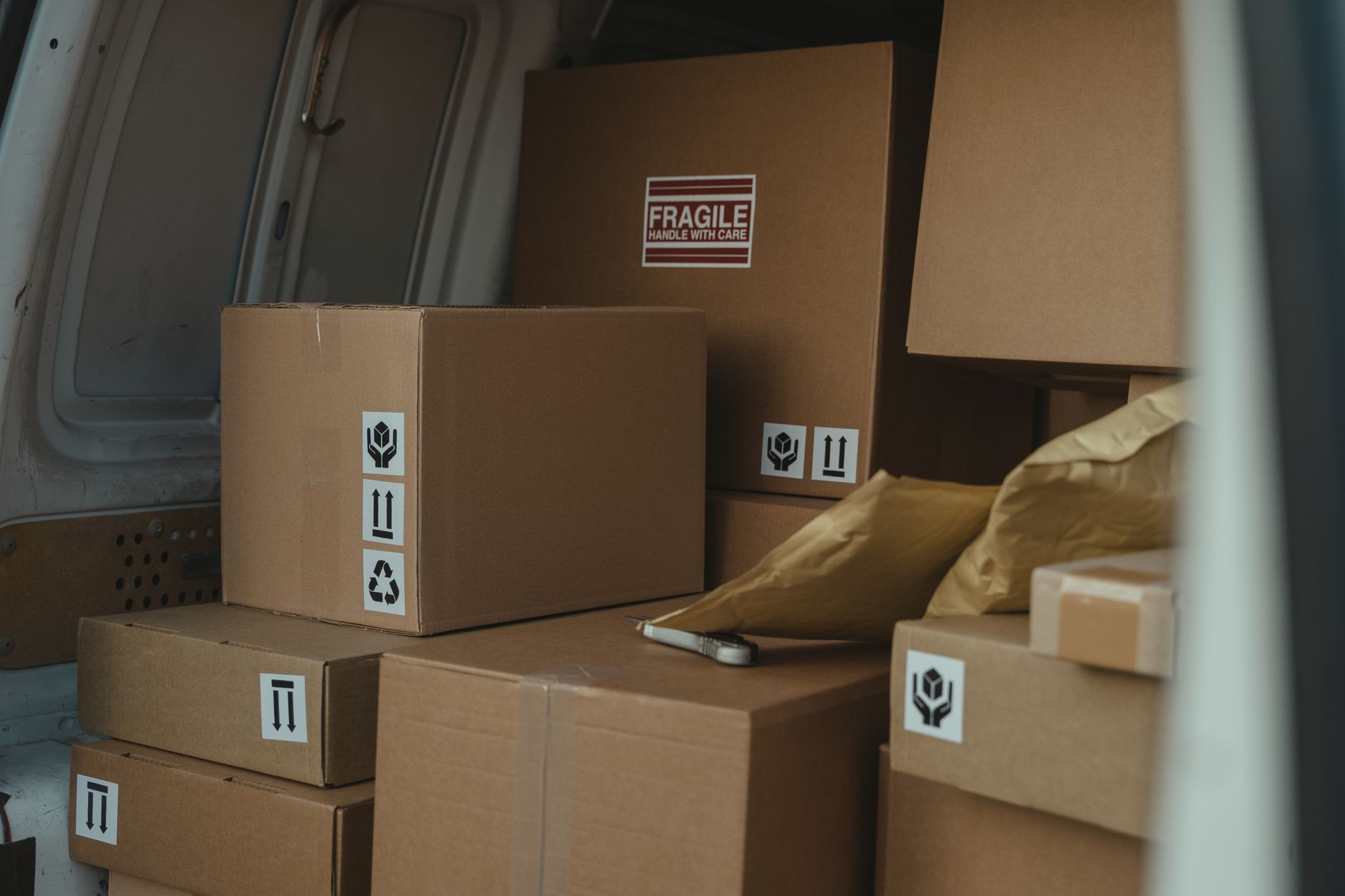
Mastering Ecommerce Logistics Fulfillment for Growth
ecommerce logistics fulfillment

Mastering Ecommerce Logistics Fulfillment for Growth

Streamline your operations, delight customers, and scale effortlessly with optimized ecommerce logistics fulfillment strategies.

Optimize Your Fulfillment

Key Takeaways

  • ✓ 73% of customers expect free shipping, making efficient fulfillment crucial for profitability.
  • ✓ Poor fulfillment experiences lead to 30% of customers abandoning a brand after one bad order.
  • ✓ Third-party logistics (3PL) providers can reduce shipping costs by up to 25% for small to medium businesses.
  • ✓ Warehouse automation can increase order accuracy to over 99% and speed up processing times significantly.

How It Works

1
Inventory Management & Storage

Products arrive at a fulfillment center, are inspected, and strategically stored. Advanced systems track inventory levels in real-time, preventing stockouts and overstocking.

2
Order Processing & Picking

When a customer places an order, the fulfillment system receives it automatically. Warehouse staff or robots then efficiently locate and pick the correct items from storage.

3
Packing & Shipping

Picked items are carefully packed, often with branded materials, and labeled for shipping. The package is then handed off to a carrier for delivery to the customer's doorstep.

4
Returns Management (Reverse Logistics)

Should a customer need to return an item, the fulfillment center handles the process. This includes receiving, inspecting, and restocking or disposing of the returned product efficiently.

The Critical Role of Ecommerce Logistics Fulfillment in Today's Market
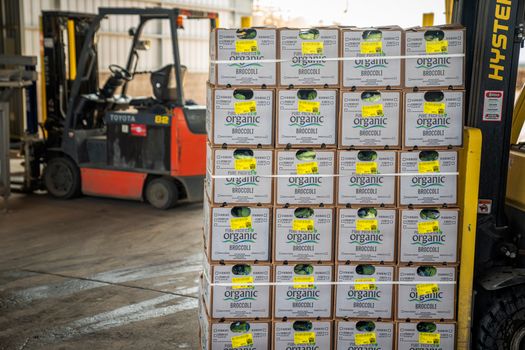
Forklift managing stacks of organic broccoli boxes for shipment in a warehouse setting. Photo: Mark Stebnicki / Pexels
In the bustling digital marketplace, the journey of a product from click to doorstep is far more complex than many realize. This intricate process, known as ecommerce logistics fulfillment, encompasses everything from inventory management and warehousing to order processing, picking, packing, shipping, and even returns. It's the silent engine that powers every successful online store, directly impacting customer satisfaction, operational costs, and ultimately, a business's reputation and growth trajectory. For businesses operating in the competitive US market, mastering ecommerce logistics fulfillment isn't just an advantage; it's a necessity. The modern consumer has elevated expectations, largely shaped by industry giants offering rapid, reliable, and often free shipping. A survey by Statista indicated that 73% of US consumers expect free shipping on most orders, and nearly half expect next-day delivery options. These demands put immense pressure on online retailers to optimize their fulfillment strategies. Without a robust and efficient fulfillment system, businesses risk delayed deliveries, damaged goods, incorrect orders, and a cumbersome returns process, all of which can lead to negative reviews, lost sales, and a damaged brand image. Conversely, a well-oiled fulfillment machine can turn a first-time buyer into a loyal advocate, distinguishing a brand in a crowded market. Beyond customer satisfaction, efficient ecommerce logistics fulfillment directly influences a company's bottom line. Inefficient inventory management can lead to costly stockouts or excessive holding costs. Suboptimal packing methods can result in higher shipping expenses and increased damage rates. Poor shipping carrier selection can lead to expensive delays and unhappy customers. By strategically approaching fulfillment, businesses can reduce operational overhead, minimize errors, and negotiate better rates with carriers. This holistic approach to managing the flow of goods is fundamental to achieving profitability and scalability in the ever-evolving ecommerce landscape. Understanding the nuances of these operations is the first step towards building a resilient and customer-centric supply chain. The entire scope of logistics is at play here, requiring careful consideration and strategic planning for optimal performance.

Core Components of an Optimized Fulfillment Strategy
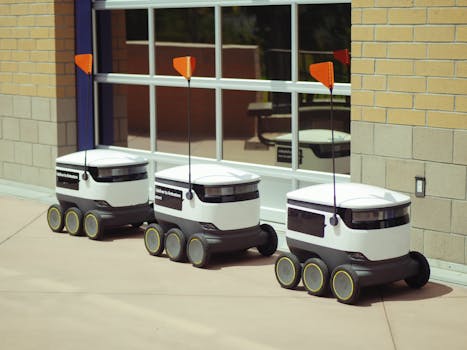
Three autonomous delivery robots parked outside a building, showcasing modern technology. Photo: Kindel Media / Pexels
An optimized ecommerce logistics fulfillment strategy is a multi-faceted endeavor, requiring attention to several interconnected components. Each element, when executed effectively, contributes to a seamless and cost-efficient operation that delights customers. The first pillar is robust inventory management. This isn't just about knowing what you have, but where it is, how quickly it moves, and when to reorder. Advanced inventory management systems use data analytics to forecast demand, optimize storage locations within a warehouse, and automate reorder points. This proactive approach prevents both costly stockouts that lead to lost sales and overstocking that ties up capital and incurs storage fees. Real-time visibility into inventory levels across multiple sales channels is crucial for accuracy and customer trust. Next comes efficient warehousing and storage. The physical space where products are housed plays a significant role in fulfillment speed and cost. Modern fulfillment centers are designed for efficiency, often employing strategies like slotting optimization to place fast-moving items in easily accessible locations. Automation, ranging from conveyor belts and automated guided vehicles (AGVs) to robotic picking systems, is increasingly being adopted to accelerate processes and reduce human error. The layout and technology within a warehouse directly impact the speed and accuracy of order picking, which is a key determinant of overall fulfillment time. Strategic placement of fulfillment centers, especially across the US, can also significantly reduce transit times and shipping costs, allowing businesses to offer competitive delivery options. Order processing, picking, and packing form the heart of the fulfillment operation. Once an order is placed, it must be swiftly and accurately processed. This involves verifying order details, allocating inventory, and generating pick lists. Picking methodologies, such as batch picking, zone picking, or wave picking, are chosen based on order volume and product characteristics to maximize efficiency. The packing stage is equally important; it protects the product during transit, can be an opportunity for brand reinforcement through custom packaging, and must be optimized for weight and dimensions to minimize shipping costs. Finally, shipping and last-mile delivery are the customer-facing aspects of fulfillment. Selecting the right carriers, negotiating favorable rates, and tracking shipments in real-time are critical. Last-mile delivery, the final leg of the journey, is often the most expensive and complex, requiring careful planning to ensure timely and cost-effective delivery to the customer's doorstep.

Choosing the Right Fulfillment Partner: 3PLs vs. In-House Operations

Three men in a warehouse standing among shelves with inventory. Photo: Tiger Lily / Pexels
Deciding how to manage ecommerce logistics fulfillment is a pivotal strategic choice for any online business. The two primary avenues are maintaining an in-house operation or partnering with a Third-Party Logistics (3PL) provider. Each option presents distinct advantages and disadvantages, and the 'best' choice largely depends on a company's size, growth stage, order volume, product type, and long-term strategic goals. Making an informed decision here can significantly impact operational efficiency, cost structures, and scalability. Operating fulfillment in-house means a business retains complete control over every aspect of the process, from warehousing and inventory management to picking, packing, and shipping. This can be appealing for startups with low order volumes or businesses with highly specialized products requiring unique handling. Advantages include direct oversight of quality control, brand experience, and immediate responsiveness to specific customer needs. However, the costs associated with in-house fulfillment can be substantial. These include capital investment in warehouse space, equipment, and technology; ongoing operational costs such as labor, utilities, and insurance; and the time and expertise required to manage a complex logistics operation. As order volumes grow, these costs and complexities can quickly become overwhelming, diverting resources from core business activities like marketing and product development. Scaling an in-house operation often means significant capital outlay and logistical headaches. Conversely, partnering with a 3PL provider for ecommerce logistics fulfillment involves outsourcing these operations to an expert. 3PLs offer a comprehensive suite of services, including warehousing, inventory management, order processing, shipping, and returns management. The primary benefits of a 3PL include cost savings through economies of scale (as 3PLs manage fulfillment for multiple clients, they can negotiate better shipping rates and optimize warehouse space more effectively), access to advanced technology and expertise without the upfront investment, and enhanced scalability. As a business grows, a 3PL can easily accommodate increased order volumes without requiring the client to invest in new infrastructure. This flexibility is invaluable for seasonal businesses or those experiencing rapid growth. However, outsourcing means relinquishing some control over the fulfillment process, which necessitates careful vetting of partners and clear communication. For a deeper dive into selecting the right partner, exploring various logistics solutions is essential. The right 3PL acts as an extension of your brand, ensuring your customers receive the same high-quality experience they would expect directly from you, while allowing you to focus on strategic growth initiatives.

Future Trends and Common Mistakes in Ecommerce Fulfillment

Delivery worker using a tablet to manage shipments with stacked boxes in the background. Photo: Artem Podrez / Pexels
The landscape of ecommerce logistics fulfillment is dynamic, constantly evolving with technological advancements and shifting consumer expectations. Staying ahead of future trends is crucial for maintaining a competitive edge. One significant trend is the increasing adoption of artificial intelligence (AI) and machine learning (ML) for demand forecasting and inventory optimization. These technologies can analyze vast datasets to predict consumer behavior with greater accuracy, minimizing stockouts and reducing excess inventory. Robotic process automation (RPA) and advanced robotics are also becoming more commonplace in warehouses, automating picking, packing, and sorting tasks to improve speed and accuracy while reducing labor costs. Furthermore, sustainable fulfillment practices are gaining traction, with consumers increasingly favoring brands that use eco-friendly packaging and optimize shipping routes to reduce carbon emissions. The rise of micro-fulfillment centers in urban areas promises even faster delivery times, bringing inventory closer to the end-consumer. While innovation offers exciting opportunities, many businesses still fall prey to common mistakes in their fulfillment strategies. Avoiding these pitfalls is as important as embracing new technologies: * **Underestimating the importance of accurate inventory data:** Incorrect inventory counts lead to overselling or stockouts, both detrimental to customer satisfaction and sales. * **Neglecting packaging optimization:** Using oversized boxes or excessive void fill increases shipping costs and environmental impact. Efficient, branded packaging enhances the customer experience. * **Ignoring returns management (reverse logistics):** A clunky returns process can erode customer trust and loyalty. A streamlined, easy return policy is now a competitive differentiator. * **Failing to diversify shipping carriers:** Relying on a single carrier can leave businesses vulnerable to service disruptions or higher costs. A multi-carrier strategy offers flexibility and cost savings. * **Not leveraging data analytics:** Analyzing fulfillment data (e.g., shipping costs per order, delivery times, accuracy rates) provides insights for continuous improvement and cost reduction. * **Choosing the wrong fulfillment partner:** Rushing into a 3PL partnership without thorough due diligence can lead to misaligned expectations, poor service, and financial losses. Ensure cultural fit and technological compatibility. By understanding these trends and proactively addressing common mistakes, businesses can build more resilient, efficient, and customer-centric ecommerce logistics fulfillment operations ready for the challenges of tomorrow.

Comparison

Feature3PL FulfillmentIn-House FulfillmentDropshipping
Initial InvestmentLow to ModerateHighVery Low
ScalabilityHigh FlexibilityChallengingHigh Flexibility
Control & CustomizationModerateHighLow
Shipping Cost EfficiencyHigh (bulk rates)VariableVariable (often higher)
Operational ComplexityLow (outsourced)HighLow (vendor handles)
Inventory Management✗ (vendor handles)
Speed to MarketFastVariableFast

What Readers Say

"Switching to a specialized ecommerce logistics fulfillment provider transformed our small business. Our orders now ship out faster, and customers regularly comment on the professional packaging. It's truly been a game-changer for our online growth."

Sarah J. · Austin, TX

"We were struggling with inventory accuracy and slow delivery times. Implementing a new ecommerce logistics fulfillment system has cut our errors by 90% and significantly reduced shipping costs, allowing us to offer better deals."

Mark P. · Miami, FL

"Our customer satisfaction scores jumped by 15% after optimizing our ecommerce logistics fulfillment. The seamless process from order to delivery has led to more repeat purchases and glowing reviews. Couldn't be happier with the results."

Jessica L. · Denver, CO

"While the initial setup for our new ecommerce logistics fulfillment system had a few minor hiccups, the long-term benefits have been undeniable. We're seeing much better efficiency and fewer customer complaints about shipping delays."

David R. · Chicago, IL

"As a growing B2B ecommerce brand, our fulfillment needs are complex. Our chosen ecommerce logistics fulfillment partner handles everything, allowing us to focus on product development and sales without worrying about warehousing or shipping."

Emily K. · Seattle, WA

Frequently Asked Questions

What is ecommerce logistics fulfillment and why is it so important?

Ecommerce logistics fulfillment is the entire process of receiving, storing, packing, and shipping products to customers after an online purchase. It's crucial because it directly impacts customer satisfaction, operational costs, brand reputation, and a business's ability to scale. Efficient fulfillment leads to faster deliveries, fewer errors, and happier customers.

Is it better to handle fulfillment in-house or outsource to a 3PL?

The best choice depends on your business's size, order volume, and strategic goals. In-house offers more control but requires significant investment and expertise. Outsourcing to a 3PL (Third-Party Logistics) provider offers scalability, cost savings through economies of scale, and access to advanced technology, often at the cost of some direct control.

How can I reduce shipping costs in my ecommerce logistics fulfillment process?

To reduce shipping costs, consider optimizing packaging to minimize dimensions and weight, diversifying your shipping carriers to leverage competitive rates, strategically locating fulfillment centers closer to your customer base, and negotiating bulk discounts with carriers. Efficient inventory management also prevents costly rush shipments.

What are the typical costs associated with ecommerce logistics fulfillment?

Costs can include warehousing fees (storage, receiving), order processing fees (picking, packing), shipping costs (carrier rates, fuel surcharges), packaging materials, and potentially technology fees for fulfillment software. Returns management also incurs costs. These can be fixed or variable depending on your chosen fulfillment model.

How does ecommerce logistics fulfillment compare to dropshipping?

Ecommerce logistics fulfillment involves you or a 3PL managing your owned inventory. Dropshipping, conversely, means the supplier directly ships the product to the customer, and you never physically handle the inventory. Fulfillment gives you more control over branding and quality, while dropshipping minimizes inventory risk and upfront capital.

Who should prioritize optimizing their ecommerce logistics fulfillment?

Any online business aiming for growth, improved customer satisfaction, and increased profitability should prioritize optimizing their fulfillment. This is especially true for businesses experiencing rapid growth, those with high order volumes, or companies looking to expand their market reach and offer competitive shipping options.

What risks are involved with poor ecommerce logistics fulfillment?

Poor fulfillment carries significant risks including delayed or incorrect orders, damaged goods, high shipping costs, negative customer reviews, increased return rates, lost sales, and ultimately, a damaged brand reputation. It can also lead to operational inefficiencies and decreased profitability.

What role does technology play in modern ecommerce logistics fulfillment?

Technology is central to modern fulfillment. This includes Warehouse Management Systems (WMS) for inventory tracking and optimization, automation (robots, AGVs) for picking and packing, AI/ML for demand forecasting, and sophisticated shipping software for carrier selection and real-time tracking. These tools enhance speed, accuracy, and cost-efficiency.

Mastering ecommerce logistics fulfillment is not just about moving products; it's about moving your business forward. By optimizing your processes, leveraging the right partners, and embracing innovation, you can transform your fulfillment operation into a powerful competitive advantage. Start enhancing your ecommerce logistics fulfillment today to build a more efficient, customer-centric, and profitable online enterprise.

Topics: ecommerce logistics fulfillmentorder fulfillment servicessupply chain managementwarehouse automationlast-mile delivery
Leo List

DK Escorts LU Escorts AT Escorts SE Escorts FI Escorts CH Escorts DE Escorts HR Escorts IE Escorts GR Escorts CZ Escorts NO Escorts BE Escorts FR Escorts SI Escorts IL Escorts NL Escorts PL Escorts HU Escorts ES Escorts IT Escorts PT Escorts SK Escorts RO Escorts ZA Escorts UY Escorts US Escorts UK Escorts NZ Escorts AU Escorts
Brampton weed
Adultwork EstrelaBet Vai de Bet R7 Bet Betão Galera Bet Rainbet Bet9ja Shop SportyBet BetKing Sisal Loto Foot Hollywoodbets YesPlay Odibets RushBet Jugabet BetWarrior BetCity MSport betPawa Fortebet