✓ Efficient logistics can reduce operational costs by up to 30%.
✓ Improved delivery times directly correlate with higher customer retention rates.
✓ Real-time visibility in logistics leads to proactive problem-solving and reduced disruptions.
✓ Sustainable logistics practices enhance brand reputation and appeal to conscious consumers.
How It Works
1
Assess Current Operations
Identify bottlenecks, inefficiencies, and areas for improvement within your existing supply chain. This initial audit provides a baseline for optimization efforts.
2
Implement Technology Solutions
Adopt advanced logistics software, such as Transportation Management Systems (TMS) and Warehouse Management Systems (WMS), to automate processes and gain data insights.
3
Optimize Network Design
Strategically review and refine your warehouse locations, transportation routes, and inventory placement to minimize transit times and costs.
4
Continuously Monitor & Adapt
Establish key performance indicators (KPIs) to track logistics efficiency and customer satisfaction. Regularly analyze data to make informed adjustments and foster continuous improvement.
Boosting Profitability Through Logistics Cost Reduction
Photo: Pavel Danilyuk / Pexels
In today's highly competitive market, every dollar saved directly impacts the bottom line. The most tangible of the benefits of efficient logistics is its profound ability to reduce operational costs, thereby significantly boosting profitability. This isn't merely about cutting corners; it's about smart, strategic optimization across the entire supply chain. Consider the myriad expenses involved in moving goods from manufacturer to consumer: transportation, warehousing, inventory holding, labor, and even administrative overhead. An inefficient logistics system often translates into bloated costs in each of these areas. For instance, suboptimal route planning can lead to higher fuel consumption, increased vehicle maintenance, and longer driver hours. Excessive inventory held in warehouses due to poor forecasting ties up valuable capital and incurs storage fees, insurance costs, and the risk of obsolescence. Furthermore, manual processes, which are common in unoptimized systems, are prone to human error, leading to costly rework, delays, and lost shipments.
Efficient logistics tackles these challenges head-on. By leveraging advanced analytics and logistics software, businesses can identify the most cost-effective transportation routes, consolidate shipments to achieve economies of scale, and negotiate better rates with carriers. Warehouse management systems (WMS) optimize storage layouts, streamline picking and packing processes, and reduce labor costs. Just-in-Time (JIT) inventory strategies, powered by accurate demand forecasting, minimize holding costs by ensuring goods arrive precisely when needed. Furthermore, efficient reverse logistics processes, handling returns and repairs, can be transformed from a cost center into a value-adding operation by reducing waste and recovering assets. The cumulative effect of these optimizations is a leaner, more agile operation that can deliver products to market at a lower cost, translating directly into higher profit margins. This financial advantage allows businesses to either reinvest in growth, offer more competitive pricing, or enhance their product offerings, ultimately strengthening their market position. The journey towards cost reduction through logistics efficiency is continuous, demanding constant evaluation and adaptation, but the rewards are substantial and sustainable. Understanding logistics fundamentals is the first step towards achieving these savings.
Elevating Customer Satisfaction with Streamlined Deliveries
Photo: Gustavo Fring / Pexels
Beyond the immediate financial gains, another paramount advantage among the benefits of efficient logistics is its profound impact on customer satisfaction. In an age where consumers expect instant gratification and seamless experiences, the speed, reliability, and transparency of delivery can make or break a brand's reputation. An inefficient logistics system, characterized by delayed shipments, lost packages, and opaque tracking information, inevitably leads to frustrated customers, negative reviews, and ultimately, lost business. Conversely, a well-oiled logistics machine ensures that products arrive on time, in perfect condition, and with clear communication throughout the shipping process.
Efficient logistics leverages technologies like real-time tracking and predictive analytics to provide customers with accurate estimated delivery times and proactive updates. This transparency builds trust and reduces anxiety, transforming the delivery experience from a point of potential friction into a moment of delight. Furthermore, efficient last-mile delivery strategies, often the most complex and costly part of the supply chain, are crucial. Optimized routing, coupled with flexible delivery options (e.g., scheduled deliveries, pickup points), caters to diverse customer preferences and enhances convenience. When customers receive their orders promptly and reliably, their satisfaction levels skyrocket. This not only encourages repeat purchases but also fosters brand loyalty and positive word-of-mouth referrals. In today's interconnected world, a single positive delivery experience can resonate widely, while a negative one can quickly tarnish a brand's image. Therefore, investing in efficient logistics is not just about moving goods; it's about delivering exceptional customer experiences that solidify relationships and drive long-term business success. The ability to consistently meet and exceed customer expectations through superior delivery performance becomes a significant competitive differentiator.
Gaining a Competitive Edge Through Operational Excellence
Photo: Pixabay / Pexels
The competitive landscape is more ferocious than ever, with businesses constantly vying for market share and customer loyalty. Among the most strategic benefits of efficient logistics is its power to confer a significant competitive edge. Companies that master their logistics operations can differentiate themselves in ways that resonate deeply with both customers and partners. This operational excellence isn't just about being faster or cheaper; it's about building a robust, adaptable, and reliable system that outperforms competitors on multiple fronts.
Consider the ability to offer faster shipping options, such as same-day or next-day delivery, which is often a direct result of highly optimized warehousing and transportation networks. This capability can be a powerful draw for consumers, especially in e-commerce. Similarly, efficient logistics enables businesses to expand into new markets more easily, as they possess the infrastructure and processes to handle complex international shipping and regulatory requirements. Furthermore, a highly efficient supply chain is more resilient to disruptions, whether they are natural disasters, geopolitical events, or sudden shifts in demand. By having diversified supplier networks, optimized inventory buffers, and real-time visibility, businesses can quickly pivot and mitigate risks, ensuring continuity of supply while competitors struggle. This resilience protects revenue streams and maintains customer trust during challenging times. Effective logistics management also fosters stronger relationships with suppliers and distributors, as streamlined processes lead to smoother transactions and better collaboration. This can result in preferred pricing, priority access to goods, and innovative partnerships that further strengthen the company's position. Ultimately, operational excellence in logistics translates into a business that is more agile, more responsive, and more reliable than its rivals, cementing its place as a market leader. This strategic advantage is not easily replicated, providing a sustainable basis for long-term success and growth.
Leveraging Technology for Enhanced Efficiency and Sustainability
Photo: Jan van der Wolf / Pexels
The modern era of logistics is inextricably linked with technological innovation, and leveraging these advancements is crucial for realizing the full benefits of efficient logistics. Technology acts as the backbone, enabling unprecedented levels of visibility, automation, and data-driven decision-making across the entire supply chain. Without it, achieving true efficiency in complex global networks would be virtually impossible. Key technological adoptions include Transportation Management Systems (TMS), which optimize routing, carrier selection, and freight costs; Warehouse Management Systems (WMS), which streamline inventory, picking, and packing; and advanced analytics tools that provide predictive insights into demand, potential disruptions, and performance metrics.
Moreover, the integration of Artificial Intelligence (AI) and Machine Learning (ML) is revolutionizing logistics by enabling more accurate demand forecasting, dynamic pricing, and autonomous decision-making in areas like inventory replenishment. The Internet of Things (IoT) provides real-time tracking of goods, vehicles, and even environmental conditions (e.g., temperature for perishables), enhancing transparency and product integrity. Robotics and automation in warehouses reduce reliance on manual labor for repetitive tasks, increasing speed and accuracy while lowering operational costs. Beyond efficiency, technology is also a critical driver of sustainability in logistics. Optimized routing reduces fuel consumption and emissions, while smart warehousing minimizes energy waste. Data analytics can identify opportunities for sustainable packaging and waste reduction throughout the supply chain. By embracing these technological innovations, businesses can not only enhance their operational efficiency but also contribute positively to environmental stewardship, appealing to a growing segment of environmentally conscious consumers. This dual benefit of efficiency and sustainability positions companies for future success and resilience, making technology adoption not just an option, but a necessity in modern logistics.
Comparison
Feature
Efficient Logistics
Traditional Logistics
Outsourced Logistics
Cost Control
Excellent (Data-driven optimization)
Poor (Hidden inefficiencies)
Good (Scalable, but less direct control)
Customer Satisfaction
High (Fast, reliable, transparent)
Low (Delays, lack of visibility)
Variable (Depends on provider)
Adaptability to Change
High (Agile, tech-enabled)
Low (Rigid, slow to react)
Medium (Provider's capabilities)
Visibility & Tracking
Real-time, end-to-end
Limited, often manual
Good (Provider's systems)
Environmental Impact
Optimized (Route planning, less waste)
Higher (Inefficient routes, more waste)
Variable (Provider's practices)
What Readers Say
★★★★★
"Implementing efficient logistics transformed our e-commerce business. We saw a 15% reduction in shipping costs within the first six months, directly boosting our profit margins. Our customers now rave about our quick deliveries!"
Sarah J. · Dallas, TX
★★★★★
"The benefits of efficient logistics are undeniable. Our inventory turnover rate improved dramatically, freeing up capital we could reinvest. It's like having a well-oiled machine running our entire supply chain."
Mark P. · Chicago, IL
★★★★★
"Thanks to our optimized logistics, we cut our average delivery time by two days. This led to a 20% increase in repeat customer purchases and significantly fewer customer service inquiries about shipping."
Emily R. · Los Angeles, CA
★★★★★
"While the initial investment in new logistics software was substantial, the long-term cost savings and improved customer experience have proven its worth. We're still fine-tuning some aspects, but the overall improvement is clear."
David L. · Atlanta, GA
★★★★★
"As a small business, efficient logistics allowed us to compete with larger players. We can now offer competitive shipping rates and reliable delivery, which has been crucial for our growth and brand reputation."
Jessica M. · Seattle, WA
Frequently Asked Questions
What are the primary benefits of efficient logistics for small businesses?
For small businesses, efficient logistics primarily leads to significant cost savings on shipping and warehousing, improved cash flow through optimized inventory management, and enhanced customer satisfaction, which is crucial for building a loyal customer base and positive word-of-mouth referrals. It also helps in scaling operations more effectively.
Is investing in efficient logistics technology too expensive for my company?
While there's an initial investment, the long-term cost savings and increased revenue from improved efficiency and customer satisfaction often provide a substantial return on investment. Many scalable, cloud-based logistics solutions are available today, making advanced technology accessible even for smaller budgets. Consider the cost of inefficiency versus the cost of optimization.
How can I start improving my company's logistics efficiency?
Begin by conducting a thorough audit of your current supply chain to identify bottlenecks and areas of waste. Then, prioritize improvements such as optimizing warehouse layout, implementing basic inventory management software, streamlining order fulfillment processes, and negotiating better rates with carriers. Small, incremental changes can yield significant results.
How does efficient logistics impact profitability?
Efficient logistics directly impacts profitability by reducing operational costs (transportation, warehousing, inventory holding), minimizing waste and errors, and improving cash flow. It also boosts revenue by enabling faster deliveries, higher customer satisfaction, and the ability to compete more effectively on price and service.
What's the difference between efficient logistics and supply chain management?
Efficient logistics focuses on the optimized movement and storage of goods, including transportation, warehousing, and inventory. Supply chain management is a broader concept that encompasses all activities from sourcing raw materials to delivering the final product, including logistics, procurement, production, and customer service, aiming for overall network synchronization.
Who should prioritize the benefits of efficient logistics?
Any business involved in the movement of physical goods – from manufacturers and distributors to retailers and e-commerce companies – should prioritize efficient logistics. Its benefits are universal across industries that rely on physical product delivery, regardless of size, though the scale of implementation may vary.
Can efficient logistics help with environmental sustainability?
Absolutely. Efficient logistics contributes to sustainability by optimizing delivery routes to reduce fuel consumption and emissions, minimizing packaging waste, and improving inventory management to prevent overproduction and product spoilage. Sustainable logistics practices enhance brand image and comply with environmental regulations.
What are future trends in efficient logistics?
Future trends include increased adoption of AI and machine learning for predictive analytics and automation, greater use of robotics in warehouses, drone and autonomous vehicle delivery for the last mile, blockchain for enhanced transparency and security, and further integration of IoT devices for real-time tracking and condition monitoring.
Embrace the transformative benefits of efficient logistics to propel your business forward. Streamline operations, delight your customers, and achieve sustainable growth in today's dynamic market. Start optimizing your logistics strategy today and unlock your full potential.

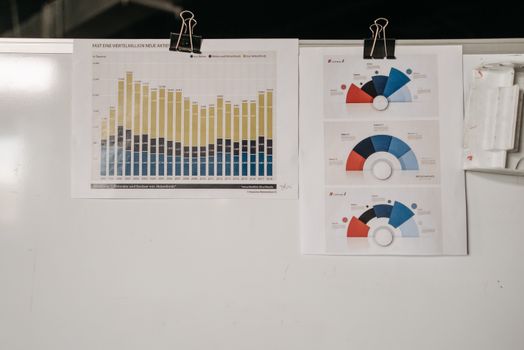 Photo: Pavel Danilyuk / Pexels
 Photo: Gustavo Fring / Pexels
 Photo: Pixabay / Pexels
 Photo: Jan van der Wolf / Pexels