Mastering Logistics and Distribution Services for Growth
logistics and distribution services

Mastering Logistics and Distribution Services for Growth

Streamline your operations, cut costs, and enhance customer satisfaction with unparalleled supply chain expertise.

Optimize Your Logistics Now

Key Takeaways

  • ✓ The U.S. logistics market is projected to reach over $1.6 trillion by 2027.
  • ✓ Efficient distribution can reduce operational costs by up to 20%.
  • ✓ Customer expectations for fast and accurate delivery continue to rise, making robust logistics crucial.
  • ✓ Technology adoption, like AI and IoT, is rapidly transforming the logistics sector.

How It Works

1
Assessment & Strategy

We begin by thoroughly analyzing your current supply chain, identifying bottlenecks, and understanding your business goals. A tailored logistics strategy is then developed to meet your specific needs.

2
Implementation & Integration

Our experts implement the chosen solutions, integrating them seamlessly with your existing systems. This includes setting up warehousing, transportation networks, and technology platforms.

3
Execution & Management

We manage the day-to-day operations, from inventory control and order fulfillment to freight management and last-mile delivery. Proactive monitoring ensures smooth execution and quick problem resolution.

4
Optimization & Reporting

Continuous analysis and performance reporting drive ongoing optimization. We leverage data insights to refine processes, reduce costs, and improve service levels, ensuring sustained efficiency.

Understanding the Core of Logistics and Distribution Services
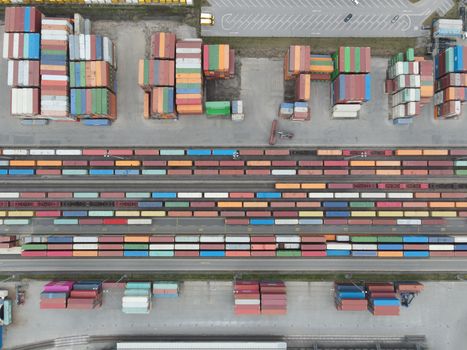
Aerial shot of stacked cargo containers at Regensburg port showcasing freight transport activity. Photo: Tobi &Chris / Pexels
In today's fast-paced global economy, the movement of goods from manufacturer to consumer is a complex ballet, orchestrated by sophisticated logistics and distribution services. Far from merely shipping products, these services encompass the entire journey, from raw materials sourcing to the final delivery, ensuring efficiency, cost-effectiveness, and customer satisfaction. At its heart, logistics involves the planning, implementation, and control of the efficient, effective forward and reverse flow and storage of goods, services, and related information between the point of origin and the point of consumption to meet customers' requirements. Distribution, a critical component of logistics, specifically focuses on the processes involved in getting products from the warehouse to the end-user. This includes order processing, inventory management, warehousing, material handling, transportation, and customer service. The scope of modern logistics and distribution services has expanded dramatically beyond traditional trucking and warehousing. It now integrates advanced technologies like artificial intelligence (AI), machine learning (ML), and the Internet of Things (IoT) to predict demand, optimize routes, manage inventory in real-time, and enhance supply chain visibility. Companies operating in the US, whether small e-commerce startups or large multinational corporations, rely heavily on robust logistics infrastructure to maintain their competitive edge. The ability to deliver products quickly, reliably, and at a reasonable cost is often the deciding factor for consumers in a crowded marketplace. Furthermore, reverse logistics, dealing with returns and recycling, has become an increasingly important aspect, contributing to sustainability efforts and customer loyalty. Effective management of these services can lead to significant cost savings, improved operational efficiency, and a stronger brand reputation. Without a well-oiled logistics and distribution machine, even the highest quality products can fail to reach their full market potential, underscoring the indispensable role these services play in commercial success. Understanding these foundational elements is the first step towards leveraging their full power for business growth and customer delight. Learn more about modern logistics practices here.

The Pillars of Efficient Supply Chain Management
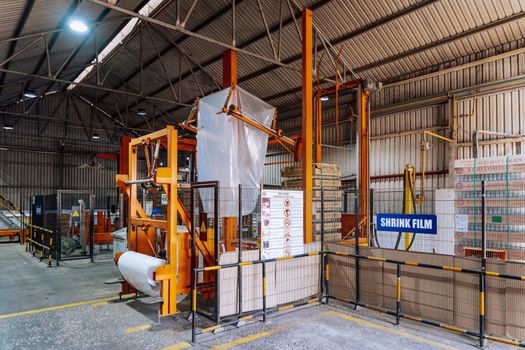
Interior view of a warehouse in Dar es Salaam with a shrink film machine and industrial equipment. Photo: Keegan Checks / Pexels
Efficient supply chain management is the bedrock upon which successful logistics and distribution services are built. It’s an overarching strategy that integrates all the disparate components of the supply chain into a cohesive, optimized system. The primary pillars include strategic sourcing, production planning, inventory management, warehousing, transportation, and information technology. Strategic sourcing ensures that raw materials and components are acquired at the best possible value, considering quality, cost, and delivery reliability. Production planning then dictates how these materials are converted into finished goods, aligning with forecasted demand to minimize waste and maximize output. A key challenge in this phase is balancing production capacity with market needs, avoiding both overproduction and stockouts. Inventory management, a crucial element, focuses on maintaining optimal stock levels to meet customer demand without incurring excessive holding costs. This involves sophisticated forecasting techniques and real-time tracking of goods. Warehousing, more than just storage, now encompasses value-added services like kitting, packaging, and cross-docking, acting as strategic hubs in the distribution network. Modern warehouses leverage automation and robotics to enhance speed and accuracy. Transportation, arguably the most visible aspect, involves selecting the most efficient modes (road, rail, air, sea) and optimizing routes to ensure timely and cost-effective delivery. This pillar often involves complex network design and carrier management. Finally, information technology acts as the central nervous system, connecting all these pillars. Enterprise Resource Planning (ERP) systems, Warehouse Management Systems (WMS), Transportation Management Systems (TMS), and advanced analytics platforms provide the visibility and control necessary to manage the entire supply chain effectively. These technologies enable real-time data exchange, predictive analytics, and automated decision-making, transforming reactive logistics into proactive supply chain management. By strengthening each of these pillars, businesses can create a resilient, responsive, and highly efficient supply chain that can adapt to market fluctuations and customer demands, ultimately driving sustained growth and profitability in the competitive US market.

Key Services within Logistics and Distribution
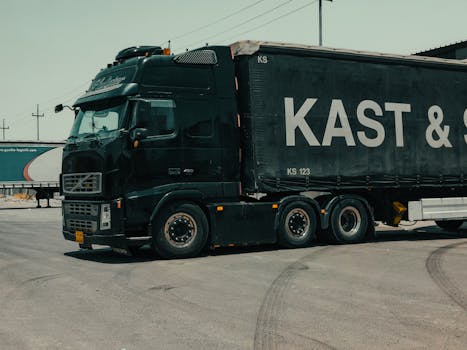
A large industrial truck parked in an urban setting, showcasing transportation industry visuals. Photo: Dextar Studio ™ / Pexels
The landscape of logistics and distribution services is incredibly diverse, offering a spectrum of specialized solutions designed to meet varied business needs. Understanding these key services is crucial for any company looking to optimize its operations. At the forefront is freight forwarding, which involves organizing shipments for individuals or corporations to get goods from the manufacturer or producer to a market, customer, or final point of distribution. Freight forwarders handle everything from customs documentation and insurance to selecting the most suitable carriers and routes, whether by air, sea, or land. This service is particularly vital for international trade, navigating complex regulations and ensuring smooth cross-border movements. Warehouse management is another foundational service, encompassing more than just storage. It includes inventory control, order fulfillment (pick and pack), cross-docking, and even light manufacturing or assembly. Modern warehousing utilizes advanced software and automation to maximize space, improve accuracy, and accelerate processing times. For businesses with fluctuating demand, flexible warehousing solutions, such as shared or on-demand warehousing, can offer significant cost savings and scalability. Discover how optimized warehousing impacts your bottom line. Transportation management is the strategic planning and execution of moving goods. This involves fleet management, route optimization, load consolidation, and carrier selection. For businesses, choosing between full truckload (FTL), less than truckload (LTL), intermodal, or expedited shipping depends on factors like volume, urgency, and budget. Last-mile delivery, the final leg of the journey from a distribution center to the customer's doorstep, has gained immense importance, especially with the rise of e-commerce. It's often the most expensive and complex part of the delivery process, requiring innovative solutions like drone delivery, localized micro-fulfillment centers, and advanced routing software to meet consumer expectations for speed and convenience. Additionally, value-added services like kitting, labeling, quality control, returns management (reverse logistics), and even product customization are increasingly integrated into logistics offerings. These services transform a simple delivery process into a comprehensive solution that supports the entire product lifecycle and enhances customer experience. By strategically combining these key services, businesses can construct a highly efficient, responsive, and customer-centric supply chain that delivers competitive advantages in the bustling US market.

Navigating Common Pitfalls and Optimizing Your Logistics Strategy
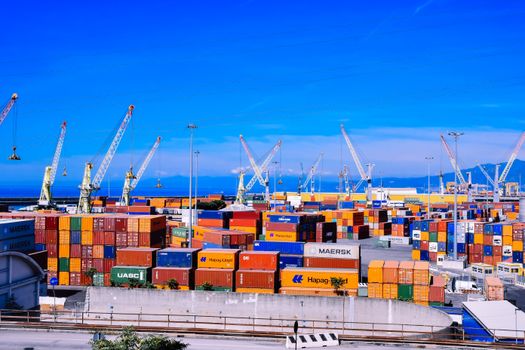
A bustling shipping port with colorful stacked containers and numerous cranes under a clear blue sky. Photo: Andrea Musto / Pexels
Even with the best intentions, businesses often encounter common pitfalls in their logistics and distribution operations that can lead to increased costs, delays, and dissatisfied customers. One frequent mistake is underestimating the complexity of demand forecasting. Inaccurate forecasts lead to either excessive inventory (tying up capital and incurring storage costs) or stockouts (resulting in lost sales and customer frustration). Another significant pitfall is inadequate technology adoption. Relying on manual processes or outdated systems hinders real-time visibility, reduces efficiency, and makes it difficult to scale operations. Many companies also fail to optimize their transportation networks, leading to inefficient routes, empty backhauls, and higher fuel consumption. Neglecting reverse logistics, the process of handling returns, is another common oversight that can damage customer loyalty and create operational headaches. To avoid these challenges and optimize your logistics strategy, consider the following: * **Invest in Advanced Forecasting Tools:** Leverage AI and machine learning to analyze historical data, market trends, and external factors for more accurate demand predictions. * **Embrace Supply Chain Technology:** Implement WMS, TMS, and ERP systems to automate processes, gain end-to-end visibility, and facilitate data-driven decision-making. * **Strategic Warehouse Placement:** Position your warehouses and distribution centers closer to key customer bases to reduce last-mile delivery costs and transit times. * **Diversify Transportation Partners:** Don't put all your eggs in one basket. Work with multiple carriers to ensure flexibility, competitive pricing, and backup options during disruptions. * **Optimize Last-Mile Delivery:** Explore innovative solutions like micro-fulfillment centers, locker systems, and dynamic routing to enhance speed and reduce costs in the final leg. * **Prioritize Reverse Logistics:** Develop a clear, efficient process for managing returns. This not only improves customer satisfaction but can also unlock value from returned goods through refurbishment or resale. * **Focus on Sustainability:** Integrate eco-friendly practices, such as optimizing routes to reduce emissions, using electric vehicles, and choosing sustainable packaging. This can enhance brand image and appeal to environmentally conscious consumers. By proactively addressing these areas, businesses can transform their logistics and distribution services from a cost center into a strategic advantage, fostering greater efficiency, resilience, and customer satisfaction in the competitive US market.

Comparison

FeatureDedicated 3PLIn-House LogisticsOn-Demand WarehousingHybrid Model
ScalabilityExcellentLimitedVery HighGood
Cost ControlPredictableHigh OverheadVariableBalanced
Expertise AccessHighInternal OnlyModerateBlended
Technology IntegrationAdvancedSelf-ManagedVariesCustomizable
Control LevelModerateHighLowModerate-High

What Readers Say

"Our e-commerce business saw a 30% reduction in shipping errors after partnering with their logistics and distribution services. Their team is incredibly responsive and knowledgeable."

Sarah J. · New York, NY

"We struggled with last-mile delivery until we engaged their services. Now, our customer satisfaction scores for delivery speed and accuracy have never been higher."

Mark T. · Los Angeles, CA

"Their comprehensive logistics and distribution services streamlined our entire supply chain, resulting in a 15% decrease in operational costs within the first year. Truly a game-changer for our manufacturing firm."

Emily R. · Chicago, IL

"While initial integration had a few minor hiccups, the long-term benefits of their logistics and distribution solutions have been undeniable. Their inventory management system is top-notch."

David L. · Houston, TX

"As a growing startup, we needed flexible and scalable logistics. Their services allowed us to expand our reach across the US without the massive upfront investment, perfectly suiting our needs."

Jessica M. · Miami, FL

Frequently Asked Questions

What is the primary difference between logistics and distribution?

Logistics is the broader term, encompassing the entire process of planning, implementing, and controlling the efficient flow and storage of goods, services, and related information from origin to consumption. Distribution is a subset of logistics, specifically focused on the physical movement and delivery of finished products from a warehouse or distribution center to the end customer.

How can I reduce my shipping costs without sacrificing delivery speed?

Reducing shipping costs without compromising speed involves several strategies: optimizing packaging to reduce dimensional weight, consolidating shipments, utilizing LTL (Less Than Truckload) for smaller volumes, negotiating better rates with multiple carriers, and strategically locating warehouses closer to your customer base for shorter transit times.

What technologies are most impactful in modern logistics and distribution?

Key impactful technologies include Warehouse Management Systems (WMS) for inventory and operations, Transportation Management Systems (TMS) for route optimization and carrier selection, Artificial Intelligence (AI) and Machine Learning (ML) for demand forecasting and predictive analytics, and IoT sensors for real-time tracking and monitoring of goods and assets.

Is outsourcing logistics and distribution services cost-effective for small businesses?

Yes, outsourcing logistics can be highly cost-effective for small businesses. It allows them to leverage the expertise, infrastructure, and technology of a third-party logistics (3PL) provider without the significant capital investment. This can lead to economies of scale, reduced operational costs, and access to advanced capabilities that might otherwise be unaffordable.

How do logistics and distribution services handle product returns (reverse logistics)?

Effective reverse logistics involves a streamlined process for receiving, inspecting, sorting, and processing returned products. This can include repair, refurbishment, recycling, or proper disposal. Good reverse logistics minimizes waste, recoups value from returned items, and significantly enhances customer satisfaction by making the return process easy and efficient.

Who benefits most from professional logistics and distribution services?

Virtually any business that moves physical goods can benefit, but those who benefit most include e-commerce companies, manufacturers, retailers, and distributors. Businesses with high shipping volumes, complex supply chains, or those looking to expand into new markets often find professional services indispensable for efficiency, scalability, and competitive advantage.

What are the security measures in place for goods handled by logistics providers?

Reputable logistics providers implement robust security measures including 24/7 surveillance at warehouses, strict access controls, GPS tracking on vehicles, cargo insurance, background checks for personnel, and secure packaging protocols. Advanced providers also use data encryption for sensitive information and cybersecurity measures to protect against digital threats.

How will autonomous vehicles and drones impact future logistics and distribution?

Autonomous vehicles and drones are poised to revolutionize future logistics by significantly increasing delivery speed, reducing labor costs, and enhancing efficiency, especially in last-mile delivery and remote areas. They will enable 24/7 operations, reduce human error, and potentially lower environmental impact, though regulatory and infrastructure challenges remain.

Ready to transform your supply chain and achieve unparalleled operational excellence? Explore our comprehensive logistics and distribution services today and discover how we can drive your business forward with efficiency, reliability, and innovation.

Topics: logistics and distribution servicessupply chain optimizationwarehouse managementfreight forwardinglast-mile delivery
Leo List

IE Escorts NO Escorts US Escorts NZ Escorts AU Escorts
Brampton weed
Adultwork EstrelaBet Vai de Bet R7 Bet Betão Galera Bet Rainbet Bet9ja Shop SportyBet BetKing Sisal Loto Foot Hollywoodbets YesPlay Odibets RushBet Jugabet BetWarrior BetCity MSport betPawa Fortebet