✓ Last mile delivery can account for over 50% of total shipping costs.
✓ Customer expectations for speed and transparency are higher than ever.
✓ Traffic congestion and urban density significantly impact delivery times.
✓ Returns management (reverse logistics) is a growing last mile challenge.
How It Works
1
Assess Current Operations
Analyze existing delivery routes, vehicle utilization, and customer feedback. Identify bottlenecks and areas of inefficiency in your current last mile process.
2
Implement Technology Solutions
Adopt route optimization software, real-time tracking, and predictive analytics. Leverage AI and machine learning for dynamic route adjustments and demand forecasting.
3
Diversify Delivery Methods
Explore alternative delivery options like lockers, drones, or autonomous vehicles. Partner with local couriers or crowdsourced delivery platforms to expand reach and flexibility.
4
Focus on Customer Experience
Provide clear communication, flexible delivery windows, and easy returns. Solicit feedback to continuously refine your last mile strategy and build customer loyalty.
The High Cost of the Final Leg: Understanding Financial Pressures
Photo: Dextar Vision / Pexels
The last mile, often the shortest leg of the entire shipping journey, paradoxically represents the most expensive and complex segment of the supply chain. For many businesses, particularly those operating in the burgeoning e-commerce sector across the US, this final stretch can consume over 50% of the total shipping cost. This disproportionate expense stems from a multitude of factors, not least of which is the inherently fragmented nature of delivering individual packages to numerous distinct locations, often in densely populated urban or sprawling rural areas. Unlike bulk freight movements, last mile delivery involves a high degree of granularity, requiring specialized vehicles, numerous stops, and often, significant idle time due to traffic, parking restrictions, and customer unavailability.
Consider the operational overhead: fuel costs, vehicle maintenance, driver wages, insurance, and the sheer number of vehicles required to cover a metropolitan area. Each unsuccessful delivery attempt adds another layer of cost, necessitating re-delivery attempts or returns processing. Moreover, the pressure to offer free and fast shipping, largely driven by consumer expectations set by market leaders, directly erodes profit margins if not managed with extreme precision. Businesses are constantly grappling with the trade-off between offering competitive delivery services and maintaining financial viability. The cost isn't just monetary; it also encompasses environmental impact due to increased vehicle emissions and urban congestion. Addressing these financial pressures requires a holistic approach, leveraging technology for route optimization and exploring innovative delivery models. Understanding these underlying financial dynamics is the first crucial step in effectively mitigating the broader logistics challenges faced by companies today. Without a clear grasp of where costs are incurred, it's impossible to implement targeted solutions that truly drive efficiency and profitability in the last mile.
Navigating Urban Congestion and Geographical Sprawl
Photo: Ali Alcántara / Pexels
One of the most persistent and visible last mile delivery challenges in the US is the stark contrast between urban congestion and geographical sprawl. In major metropolitan areas like New York, Los Angeles, or Chicago, delivery vehicles contend with perpetual traffic jams, stringent parking regulations, and limited access to loading docks. Each minute spent idling in traffic or searching for parking directly translates into higher fuel consumption, delayed deliveries, and increased operational costs. The sheer density of stops required within a small geographical footprint, combined with unpredictable urban environments, makes route planning incredibly complex. Drivers often face tight schedules and the constant pressure to meet delivery windows, exacerbating stress and potentially leading to less efficient practices.
Conversely, delivering to rural areas presents an entirely different set of obstacles. While traffic isn't an issue, the vast distances between delivery points mean extended travel times, higher fuel consumption per package, and fewer deliveries per route. The lack of robust infrastructure, such as paved roads or clear address signage, can further complicate matters. These geographical disparities necessitate flexible and adaptable logistics strategies. A one-size-fits-all approach to last mile delivery simply won't work in a country as diverse as the US. Companies must invest in sophisticated geo-spatial mapping and route optimization software that can dynamically adjust to real-time conditions, whether it's navigating rush hour in Manhattan or finding a remote farm address in Montana. Furthermore, the rising demand for same-day or next-day delivery across both urban and rural landscapes puts immense pressure on carriers to maintain high service levels irrespective of location. This dual challenge of urban density and rural distance is a defining characteristic of the last mile problem in the American context, demanding innovative solutions and strategic partnerships.
Meeting Soaring Customer Expectations and Ensuring Transparency
Photo: Tima Miroshnichenko / Pexels
The digital age has fundamentally reshaped customer expectations regarding delivery services, transforming what was once a convenience into a non-negotiable standard. Today's consumers, particularly in the US, expect not only rapid delivery—often same-day or next-day—but also complete transparency throughout the entire process. This means real-time tracking, accurate estimated times of arrival (ETAs), proactive notifications about delays, and flexible delivery options. The 'Where's my order?' phenomenon has become a critical point of customer interaction and, if mishandled, a significant source of dissatisfaction. When expectations for speed and visibility aren't met, customer loyalty erodes quickly, leading to negative reviews and potentially lost business.
Ensuring this level of transparency is a significant last mile delivery challenge. It requires robust technological infrastructure, including advanced tracking systems, integration with customer communication platforms, and predictive analytics that can account for unforeseen variables like traffic or weather. Companies must invest in solutions that provide end-to-end visibility, not just for internal operations but also for the end-consumer. Moreover, the demand for flexible delivery options – such as choosing a specific delivery window, redirecting a package to a locker, or leaving instructions for the driver – adds another layer of complexity. While these services enhance customer experience, they also introduce variables that can disrupt optimized routes and increase operational costs. The balancing act between offering premium services and maintaining profitability is delicate. Forward-thinking companies are leveraging AI-powered chatbots for instant updates, developing user-friendly mobile apps for package management, and implementing proof-of-delivery systems that enhance trust and accountability. Ultimately, meeting and exceeding these soaring customer expectations for speed and transparency is paramount for competitive advantage in the modern e-commerce landscape and requires a deep understanding of customer-centric logistics strategies.
Addressing Returns (Reverse Logistics) and Environmental Impact
Photo: cottonbro studio / Pexels
Beyond the direct delivery of goods, the management of returns, often termed reverse logistics, presents another formidable set of last mile delivery challenges. As e-commerce sales continue to surge, so too does the volume of returned items. This reverse flow of goods, from consumer back to seller, adds significant complexity and cost to the supply chain. Unlike forward logistics, which is typically optimized for efficiency, reverse logistics is often less structured and more unpredictable. Key challenges include:
* **Costly Collections:** Retrieving individual items from numerous customer locations can be inefficient and expensive.
* **Processing Complexity:** Returned items need to be inspected, sorted, and either restocked, repaired, or disposed of, each process incurring labor and facility costs.
* **Environmental Footprint:** The additional transportation for returns contributes to increased carbon emissions and waste.
* **Customer Experience:** A seamless return process is as crucial to customer satisfaction as the initial delivery.
Furthermore, the environmental impact of last mile delivery is an increasingly scrutinized area. The proliferation of delivery vehicles, particularly in urban areas, contributes significantly to air pollution, noise pollution, and traffic congestion. Consumers and regulators alike are pushing for more sustainable delivery practices. Businesses are responding by exploring:
* **Electric Vehicles (EVs):** Investing in EV fleets to reduce emissions.
* **Route Optimization:** Minimizing mileage and fuel consumption through smarter routing.
* **Consolidation Centers:** Using micro-fulfillment centers or urban hubs to reduce the final leg distance.
* **Alternative Delivery Methods:** Utilizing bikes, drones, or pedestrian delivery for short distances.
* **Packaging Optimization:** Reducing packaging waste and using recyclable materials.
Addressing these challenges requires a strategic approach that integrates sustainability into the core of last mile operations, viewing returns not just as a cost center but as an opportunity for improved customer service and environmental stewardship.
Comparison
Feature
Traditional Last Mile
Crowdsourced Delivery
Autonomous Delivery (Future)
Cost Efficiency
High fixed costs
Variable, scalable costs
Potentially very low costs
Speed & Flexibility
Limited by route planning
High, on-demand
High, 24/7
Scalability
Slow, capital intensive
Rapid, flexible
High, once infrastructure exists
Urban Congestion
Significant impact
Moderate, uses diverse vehicles
Low, optimized routes
Labor Dependency
High
Moderate
Very low
Environmental Impact
Moderate to High
Variable, depends on fleet
Potentially very low
Customer Control
Low
Moderate
High
What Readers Say
★★★★★
"Before optimizing our last mile, we were losing money on every delivery. Implementing new software cut our fuel costs by 15% and dramatically improved our on-time delivery rate."
Sarah J. · Austin, TX
★★★★★
"The insights into last mile delivery challenges provided here were eye-opening. We've since adopted a hub-and-spoke model for urban deliveries, which has streamlined our operations significantly."
Mark D. · Miami, FL
★★★★★
"Our customer satisfaction scores jumped from 75% to 92% after we focused on transparent tracking and flexible delivery windows. It directly addressed our biggest last mile pain points."
Jessica L. · Denver, CO
★★★★★
"While the solutions are great, the initial investment in technology was a hurdle. However, the long-term savings and improved efficiency for our last mile operations have made it worthwhile."
Robert K. · Seattle, WA
★★★★★
"As a small business serving a wide rural area, the tips on diversifying delivery methods were a game-changer. Partnering with a local courier has allowed us to compete with larger retailers."
Emily R. · Rural PA
Frequently Asked Questions
What are the primary last mile delivery challenges?
The primary challenges include high operational costs due to fuel, labor, and vehicle maintenance; navigating urban congestion and rural sprawl; meeting escalating customer expectations for speed and transparency; and efficiently managing returns (reverse logistics) while minimizing environmental impact.
How can businesses reduce last mile delivery costs?
Businesses can reduce costs by implementing advanced route optimization software, consolidating deliveries, utilizing micro-fulfillment centers, exploring alternative delivery methods like lockers, and negotiating better rates with third-party logistics providers (3PLs).
What technologies are essential for overcoming last mile challenges?
Essential technologies include AI-powered route optimization and planning software, real-time GPS tracking, predictive analytics for demand forecasting, customer communication platforms for proactive updates, and potentially IoT devices for fleet management and security.
Is same-day delivery sustainable for all businesses?
Same-day delivery is not universally sustainable for all businesses due to its high cost and logistical complexity. Its viability depends on factors like product type, delivery density, existing infrastructure, and customer willingness to pay a premium. Strategic implementation in specific markets or for high-value goods is often more feasible.
How do last mile delivery challenges impact customer satisfaction?
Last mile challenges directly impact customer satisfaction through delayed deliveries, lack of transparency, failed delivery attempts, and cumbersome return processes. Conversely, overcoming these challenges leads to higher satisfaction, repeat business, and positive brand perception.
Who should prioritize addressing last mile delivery challenges?
Any business involved in direct-to-consumer sales, e-commerce, retail, food delivery, or B2B product distribution should prioritize addressing last mile delivery challenges. It's crucial for competitive advantage, cost control, and customer retention in today's market.
What are the environmental risks associated with last mile delivery?
Environmental risks include increased carbon emissions from delivery vehicles contributing to air pollution, higher fuel consumption, increased noise pollution in urban areas, and the generation of packaging waste. Sustainable practices are becoming critical to mitigate these impacts.
What future trends will shape last mile delivery?
Future trends include the wider adoption of autonomous delivery vehicles (drones, robots), electric vehicle fleets, hyper-local micro-fulfillment centers, crowdsourced delivery networks, and advanced AI/machine learning for dynamic, predictive logistics planning. Expect greater personalization and sustainability focus.
Confronting the last mile delivery challenges head-on is no longer optional; it's a strategic imperative for any business aiming for sustained growth and customer loyalty. By embracing innovative solutions and prioritizing efficiency, you can transform these obstacles into opportunities. Start optimizing your last mile operations today to unlock greater profitability and deliver exceptional customer experiences.

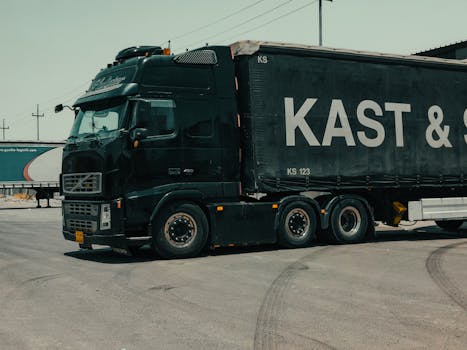 Photo: Dextar Vision / Pexels
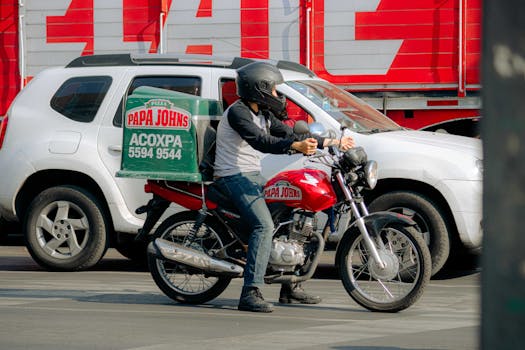 Photo: Ali Alcántara / Pexels
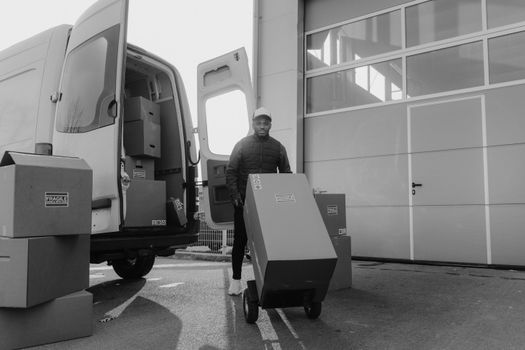 Photo: Tima Miroshnichenko / Pexels
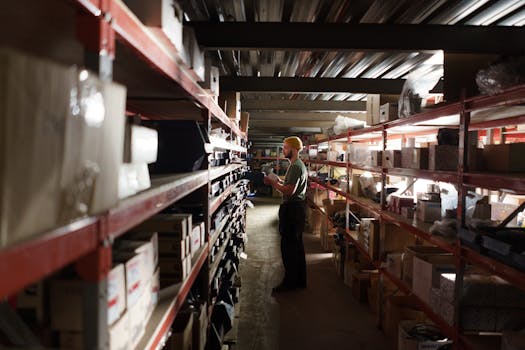 Photo: cottonbro studio / Pexels