Mastering Last Mile Delivery Logistics USA
last mile delivery logistics usa

Mastering Last Mile Delivery Logistics USA

Optimize your final delivery leg for unparalleled customer satisfaction and operational efficiency across the United States.

Optimize Your Deliveries

Key Takeaways

  • ✓ Last mile delivery accounts for over 50% of total shipping costs.
  • ✓ Customer expectations for fast, flexible, and free delivery are rapidly increasing.
  • ✓ The US last mile delivery market is projected to reach over $100 billion by 2027.
  • ✓ Traffic congestion and urban density pose significant challenges to last mile efficiency.

How It Works

1
Order Placement & Processing

Customers place orders, which are then processed by the retailer or e-commerce platform. This involves inventory checks and order fulfillment preparation.

2
Warehouse to Hub Transport

Goods are transported from a central warehouse or distribution center to a local delivery hub. This stage focuses on efficient bulk movement.

3
Route Optimization & Dispatch

Advanced software plans the most efficient delivery routes for individual packages. Drivers are then dispatched with optimized loads and schedules.

4
Final Delivery to Customer

The package travels from the local hub directly to the customer's doorstep. This final leg is the 'last mile' and involves real-time tracking and proof of delivery.

The Critical Role of Last Mile Delivery Logistics USA in Modern Commerce

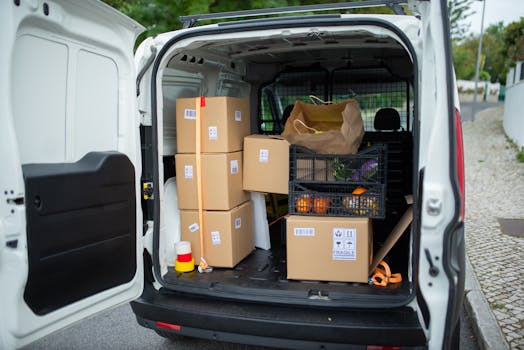
Open delivery van filled with boxes, ready for logistics and transport services. Photo: Pavel Danilyuk / Pexels
The landscape of retail and consumer expectations has undergone a seismic shift, largely driven by the pervasive influence of e-commerce. In this new paradigm, the last mile delivery logistics USA component has emerged not merely as a logistical step, but as the absolute linchpin of customer satisfaction and brand reputation. It is the final, most visible interaction a customer has with a brand's fulfillment process, making it an experience that can either solidify loyalty or breed frustration. This critical stage, often the most complex and expensive part of the entire supply chain, involves the movement of goods from a transportation hub to their final destination – the customer's doorstep. In the United States, the challenges are amplified by vast geographical distances, diverse urban and rural environments, varying traffic conditions, and a dense, highly competitive market. Consumers now expect not just fast delivery, but also precise delivery windows, real-time tracking, and flexible delivery options, including same-day, next-day, and even scheduled deliveries. Meeting these escalating demands while simultaneously controlling costs is the central dilemma facing businesses today. Failure to master last mile logistics can lead to lost sales, damaged brand perception, and increased operational expenses. Conversely, excellence in this area can be a significant competitive differentiator, fostering customer delight and repeat business. Understanding the intricacies of this final leg, from initial order placement to the moment a package is handed over, is paramount for any business aiming to thrive in the modern economy. It encompasses everything from the choice of delivery vehicle – be it traditional vans, electric bikes, or even autonomous drones – to the sophistication of routing software and the training of delivery personnel. The stakes are incredibly high, as the perception of an entire purchase can hinge on the efficiency and reliability of this single, crucial step. Companies are investing heavily in technologies like AI-driven route optimization, predictive analytics for demand forecasting, and advanced tracking systems to gain an edge. The goal is clear: transform the last mile from a cost center into a value-added service that enhances the overall customer journey. This means not just getting the package there, but getting it there reliably, affordably, and in a way that exceeds expectations. The future of e-commerce success in the US hinges directly on innovations and efficiencies achieved within last mile logistics. This isn't just about moving packages; it's about delivering promises, building relationships, and sustaining growth in a hyper-competitive market.

Navigating the Complexities: Key Challenges in US Last Mile Delivery

A high-angle shot of trucks and trailers in traffic on a highway in England beneath a bright sky. Photo: Tudor Smith / Pexels
The last mile delivery logistics USA sector is fraught with unique and persistent challenges that significantly impact efficiency and profitability. One of the most prominent issues is the sheer cost. Accounting for over 50% of total shipping expenses, the last mile is inherently inefficient due to its fragmented nature, often involving multiple stops with small parcel quantities. Fuel costs, labor wages, vehicle maintenance, and unexpected delays all contribute to this financial burden. Urban congestion, particularly in major metropolitan areas like New York, Los Angeles, and Chicago, presents another formidable obstacle. Traffic jams, limited parking, and restricted access zones not only delay deliveries but also increase fuel consumption and driver stress. These factors directly impact delivery times and the ability to meet stringent customer expectations for speed and precision. Geographical dispersion across the vast United States also adds layers of complexity. While urban areas face density challenges, rural regions present issues of distance and lower population density, making each delivery less economically viable. Optimizing routes to serve both environments efficiently requires sophisticated planning and flexible strategies. Furthermore, customer expectations are constantly evolving and becoming more demanding. The desire for same-day delivery, specific time slots, and easy returns puts immense pressure on logistics providers to adapt rapidly. Failed deliveries, often due to customers not being home or incorrect addresses, result in costly re-delivery attempts or returns, further eroding profit margins. This phenomenon, known as 'delivery exceptions,' is a major headache for last mile logistics operators. The rise of e-commerce has also led to an explosion in package volume, overwhelming existing infrastructure and labor forces during peak seasons. Maintaining a flexible and scalable delivery network capable of handling fluctuating demand is crucial but difficult. Technological integration and adoption also pose challenges. While advanced routing software, telematics, and predictive analytics offer solutions, implementing and integrating these systems can be costly and complex for businesses, especially smaller ones. Data security and privacy concerns also arise with the increased use of technology for tracking and customer information. Lastly, environmental concerns are gaining prominence. The push for sustainable delivery methods, such as electric vehicles or drone delivery, requires significant investment and infrastructure development. Navigating these multifaceted challenges requires a strategic, technology-driven approach, continuous optimization, and a deep understanding of local market dynamics to ensure successful and sustainable last mile delivery operations in the US. The ability to innovate and adapt quickly to these evolving obstacles will be the hallmark of successful last mile providers.

Leveraging Technology and Innovation for Last Mile Optimization

Man delivering a package in a city neighborhood, looking up at the building. Photo: Mizuno K / Pexels
In the face of escalating challenges, technology and innovation are proving to be the most powerful tools for optimizing last mile delivery logistics USA. The strategic adoption of advanced solutions is transforming how packages are moved, tracked, and delivered, ultimately enhancing efficiency and customer satisfaction. At the forefront of this technological revolution is sophisticated route optimization software. These AI-powered platforms analyze a multitude of variables – including traffic patterns, delivery windows, driver availability, vehicle capacity, and even weather conditions – to generate the most efficient delivery routes. This not only minimizes fuel consumption and driver time but also ensures on-time deliveries, significantly reducing operational costs and improving service reliability. Real-time tracking capabilities, integrated with GPS and telematics, provide unparalleled visibility into the delivery process. Customers can monitor their package's journey from dispatch to doorstep, receiving precise estimated times of arrival (ETAs) and notifications. This transparency not only reduces customer service inquiries but also builds trust and enhances the overall delivery experience. Beyond traditional vehicles, the last mile is witnessing the emergence of alternative delivery methods. Electric vehicles (EVs) are gaining traction, particularly in urban environments, addressing both environmental concerns and rising fuel costs. While still facing infrastructure challenges like charging networks, the long-term benefits of EVs in reducing carbon footprint and operational expenses are clear. Drone delivery, though still largely in its pilot phases, holds immense promise for rapid, autonomous deliveries in specific scenarios, especially for urgent or remote shipments. Similarly, autonomous ground vehicles (AGVs) are being explored for short-distance, repetitive routes within defined areas. Locker networks and secure drop-off points offer customers greater flexibility, allowing them to retrieve packages at their convenience, reducing the incidence of failed deliveries and the need for re-delivery attempts. These solutions empower customers with more control over their delivery experience. Data analytics and predictive modeling are also playing a crucial role. By analyzing historical delivery data, companies can forecast demand more accurately, optimize inventory placement, and proactively identify potential bottlenecks. This data-driven approach allows for more informed decision-making, from staffing levels to fleet management. The integration of IoT devices within the supply chain provides continuous data streams, enhancing monitoring and control. Furthermore, micro-fulfillment centers, strategically located closer to urban populations, are reducing the distance goods need to travel in the last mile. These smaller, automated warehouses enable faster processing and dispatch of orders, directly contributing to quicker delivery times. The synergy of these technologies – from smart software to innovative hardware – is redefining the capabilities of last mile delivery, making it faster, more reliable, and more sustainable across the US.

Best Practices and Future Trends in Last Mile Delivery Logistics USA

A black and white urban street scene featuring vehicles including a delivery van and a modern car. Photo: David Brown / Pexels
To excel in last mile delivery logistics USA, businesses must adopt a set of best practices and remain agile in embracing future trends. A foundational best practice is investing in robust, scalable technology. This includes not just route optimization but also warehouse management systems (WMS) that integrate seamlessly with delivery platforms, customer relationship management (CRM) tools for personalized communication, and sophisticated analytics dashboards for performance monitoring. The goal is to create a unified ecosystem that provides end-to-end visibility and control. Another critical best practice is focusing on customer communication. Proactive updates via SMS or email regarding order status, dispatch, and estimated delivery times significantly enhance the customer experience. Offering flexible delivery options, such as scheduled slots, alternative pickup points (e.g., lockers or retail stores), and even in-home delivery services, caters to diverse customer needs and reduces delivery failures. Empowering customers with choices translates directly into higher satisfaction. Driver training and empowerment are also paramount. Well-trained drivers who are equipped with the right tools (e.g., handheld devices for proof of delivery, efficient navigation) and supported by fair compensation and good working conditions are more productive and represent the brand positively at the doorstep. The gig economy has introduced new models for driver engagement, offering both flexibility and challenges in maintaining consistent service quality. Businesses must carefully balance these aspects. **Key Future Trends to Watch:** * **Hyper-personalization:** Moving beyond delivery windows to highly specific, customer-driven delivery instructions and preferences. * **Sustainability Imperative:** A stronger shift towards electric vehicles, bicycle couriers, and optimized routing to reduce carbon emissions, driven by both consumer demand and regulatory pressures. * **Autonomous Deliveries:** While still nascent, the gradual integration of drones and autonomous ground vehicles for specific delivery tasks will continue to expand, particularly in less densely populated areas or controlled environments. * **Micro-fulfillment Centers (MFCs) Expansion:** More retailers will establish smaller, highly automated fulfillment centers closer to urban cores to cut down last-mile travel time and costs. * **Demand for Real-time Visibility:** Customers and businesses will demand even greater transparency and real-time tracking, potentially with live video feeds or advanced predictive analytics for precise arrival times. * **Returns Logistics Optimization:** As e-commerce grows, efficient and convenient reverse logistics (returns) will become as important as outbound delivery, requiring innovative solutions for pickup and processing. * **AI and Machine Learning Integration:** Deeper integration of AI for predictive analytics, dynamic pricing for delivery, and even automated customer service for delivery inquiries. By continuously evaluating and integrating these best practices and future trends, businesses can not only overcome the inherent challenges of last mile delivery but also transform it into a powerful competitive advantage in the dynamic US market. Proactive adaptation is key to sustained success in this rapidly evolving sector.

Comparison

FeatureTraditional Courier ServiceCrowdsourced Delivery PlatformIn-house Fleet
Cost EfficiencyModerate to HighVariable (can be low for small volumes)High upfront, potentially lower long-term
ScalabilityGood, but can be slowExcellent, on-demandLimited by fleet size
Brand ControlLowLowHigh
Speed/FlexibilityStandardHigh (especially for same-day)Moderate to High
Technology IntegrationVaries by providerHigh (built-in app/API)Requires internal development

What Readers Say

"Our e-commerce business struggled with consistent delivery times until we optimized our last mile delivery logistics USA. We now see 98% on-time rates and happier customers, which is a game-changer for our brand image."

Sarah J. · Austin, TX

"Implementing AI-driven route optimization for our urban deliveries has cut our fuel costs by 15%. This focus on last mile delivery logistics USA is truly paying off in operational savings."

Mark T. · New York, NY

"We switched to a micro-fulfillment model for our perishable goods, drastically improving our last mile delivery logistics USA. Customers now receive fresher products within hours, boosting our repeat business by 25%."

Emily R. · Seattle, WA

"While the initial investment in new delivery tech for our last mile was significant, the long-term benefits in customer satisfaction and reduced errors are undeniable. There's still a learning curve, but the results are promising."

David L. · Miami, FL

"As a small business, managing last mile delivery logistics USA was overwhelming. Partnering with a specialized platform allowed us to compete with larger retailers, offering same-day delivery without the overhead."

Jessica M. · Denver, CO

Frequently Asked Questions

What is last mile delivery logistics USA and why is it so important?

Last mile delivery refers to the final leg of a product's journey, from a transportation hub to the customer's doorstep. It's crucial because it's the most expensive and time-consuming part of the supply chain, directly impacting customer satisfaction, brand reputation, and overall business profitability in the competitive US market.

How can businesses reduce the high costs associated with last mile delivery?

Reducing costs involves several strategies: optimizing delivery routes with advanced software, consolidating deliveries, utilizing alternative delivery methods (e.g., lockers, bike couriers), improving first-attempt delivery success rates, and exploring electric vehicles to lower fuel and maintenance expenses.

What technologies are essential for effective last mile delivery in the US?

Key technologies include route optimization software, real-time tracking and telematics, predictive analytics for demand forecasting, warehouse management systems, and customer communication platforms. Emerging tech like drones and autonomous vehicles are also gaining traction.

Is same-day delivery a realistic expectation for last mile delivery logistics USA?

Yes, same-day delivery is increasingly becoming a realistic expectation, especially in dense urban areas, driven by consumer demand. Achieving it requires robust logistics networks, strategically located micro-fulfillment centers, and highly efficient delivery operations, often leveraging crowdsourced or dedicated local fleets.

How does last mile delivery in rural areas differ from urban areas in the US?

Rural last mile delivery faces challenges of longer distances, lower population density, and fewer delivery points, making each stop less efficient. Urban areas contend with traffic congestion, parking restrictions, and higher operational costs per stop. Different strategies, such as larger delivery zones for rural and micro-hubs for urban, are often employed.

Who should prioritize optimizing their last mile delivery logistics USA?

Any business that ships products directly to consumers – especially e-commerce retailers, grocery delivery services, food delivery platforms, and even B2B suppliers – should prioritize optimizing their last mile delivery. It's crucial for customer retention and competitive advantage.

What are the environmental considerations in last mile delivery?

Environmental considerations include reducing carbon emissions from delivery vehicles, minimizing packaging waste, and optimizing routes to decrease fuel consumption. The increasing adoption of electric vehicles and sustainable logistics practices are key trends addressing these concerns in the US.

What are the future trends impacting last mile delivery logistics USA?

Future trends include greater adoption of autonomous vehicles and drones, expansion of micro-fulfillment centers, hyper-personalization of delivery options, increased focus on sustainable delivery methods, and deeper integration of AI for predictive analytics and operational efficiency.

Unlock the full potential of your delivery operations by mastering last mile delivery logistics USA. Implement cutting-edge strategies and technologies to delight your customers and drive unparalleled business growth.

Topics: last mile delivery logistics usafinal mile delivery solutionse-commerce logistics USdelivery optimization United Statessupply chain last mile
Leo List
Brampton weed
Adultwork EstrelaBet Vai de Bet R7 Bet Betão Galera Bet Rainbet Bet9ja Shop SportyBet BetKing Sisal Loto Foot Hollywoodbets YesPlay Odibets RushBet Jugabet BetWarrior BetCity MSport betPawa Fortebet