Mastering Last Mile Delivery Solutions for Business Growth
last mile delivery solutions

Mastering Last Mile Delivery Solutions for Business Growth

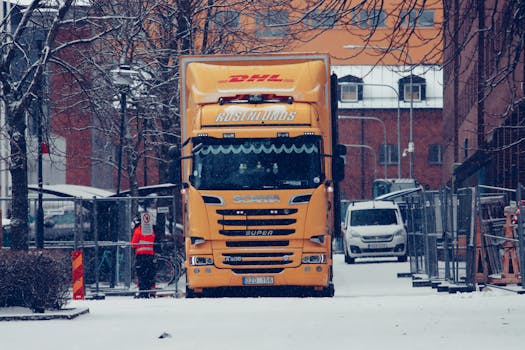
A yellow truck among snowy urban streets, surrounded by buildings and winter scenery.Photo: Efrem Efre / Pexels

Mastering Last Mile Delivery Solutions for Business Growth

Unlock unparalleled efficiency and customer delight with cutting-edge last mile delivery strategies and technologies.

Transform Your Deliveries

Key Takeaways

  • ✓ Last mile delivery can account for over 50% of total shipping costs.
  • ✓ Customer expectations for fast and flexible delivery are at an all-time high.
  • ✓ Technology adoption, like AI and IoT, is crucial for optimizing last mile operations.
  • ✓ Sustainable last mile practices are gaining significant traction among consumers.

How It Works

1
Order Placement & Processing

Customers place orders through various channels. These orders are then processed, verified, and sent to a central system for fulfillment planning.

2
Route Optimization & Dispatch

Advanced algorithms analyze delivery addresses, traffic, and vehicle capacity to create the most efficient routes. Drivers are then dispatched with optimized schedules.

3
Real-time Tracking & Communication

Parcels and drivers are tracked in real-time, providing transparency to both businesses and customers. Automated updates keep recipients informed of their delivery status.

4
Proof of Delivery & Feedback

Upon delivery, proof is collected (e.g., signature, photo). Customer feedback mechanisms help businesses continually improve their last mile service.

The Critical Role of Last Mile Delivery in Modern Logistics
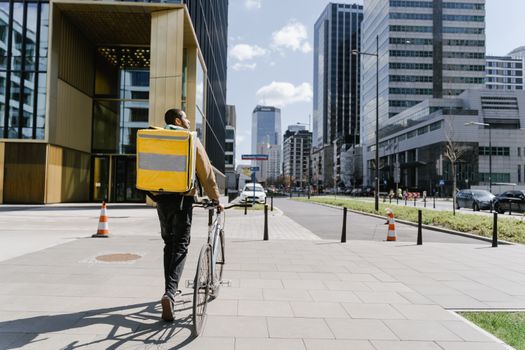
Courier cycling through city street with delivery bag, urban logistics theme.Photo: MART PRODUCTION / Pexels
In the intricate web of modern commerce, the 'last mile' represents the final, most crucial leg of the delivery journey—from a distribution center or fulfillment hub to the customer's doorstep. This stage, while geographically the shortest, is disproportionately complex and costly, often accounting for more than half of the total shipping expenses. For businesses operating in the US, where consumer expectations for speed, convenience, and transparency are sky-high, mastering last mile delivery solutions is no longer a luxury but a fundamental requirement for survival and growth. The rise of e-commerce has fundamentally reshaped the retail landscape, pushing traditional supply chains to their limits. Consumers now expect same-day or next-day delivery as standard, often at little to no extra cost. This demand puts immense pressure on companies to innovate and optimize their last mile operations. Without effective strategies, businesses face inflated operational costs, delayed deliveries, and, most critically, dissatisfied customers who are quick to switch to competitors offering superior service. The impact of the last mile extends beyond mere delivery; it's a direct reflection of a brand's commitment to its customers. A seamless, efficient, and transparent last mile experience can significantly enhance brand loyalty, drive repeat purchases, and generate positive word-of-mouth. Conversely, a poor last mile experience—marked by late deliveries, damaged goods, or lack of communication—can irrevocably damage a brand's reputation and lead to customer churn. Therefore, investing in robust last mile delivery solutions is an investment in customer satisfaction, brand equity, and ultimately, sustained business success. This critical phase involves a multitude of challenges, including navigating dense urban traffic, managing fluctuating delivery volumes, optimizing complex routes, and ensuring secure and timely handoffs. Furthermore, the increasing focus on sustainability adds another layer of complexity, pushing businesses to explore greener delivery options. Addressing these challenges requires a holistic approach that integrates advanced technology, strategic planning, and a deep understanding of customer needs. Ignoring the complexities of the last mile is akin to building a magnificent house only to falter at the front door; the entire effort can be undermined by a single point of failure. This article will delve deep into the various facets of last mile delivery, exploring the challenges, identifying key technologies, and outlining strategic approaches that empower businesses to not only meet but exceed contemporary delivery expectations. We will examine how a well-executed last mile strategy can transform operational bottlenecks into competitive advantages, fostering a more resilient and customer-centric supply chain. Understanding the nuances of this final stage is paramount for any business aiming to thrive in today's fast-paced, consumer-driven market. The implications of getting it right are vast, impacting everything from operational efficiency to customer lifetime value.

Key Challenges and Opportunities in Last Mile Delivery
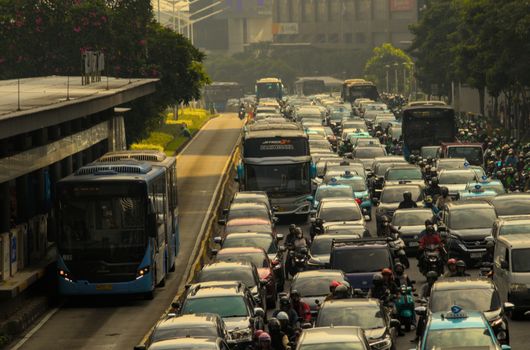
Heavy traffic in a city with cars, buses, and motorcycles on a crowded road.Photo: Dapur Melodi / Pexels
The last mile is a hotbed of challenges, each presenting a unique opportunity for innovation and competitive differentiation. One of the most significant hurdles is cost efficiency. The fragmented nature of last mile deliveries, with numerous stops and often small order sizes, makes it inherently expensive. Fuel costs, labor wages, vehicle maintenance, and failed delivery attempts all contribute to a high per-package cost. Businesses must constantly seek ways to reduce these expenses without compromising service quality. Route optimization software, for instance, can significantly cut down on fuel consumption and driver hours by calculating the most efficient paths. Another major challenge is urban congestion. Densely populated areas, common across the US, mean slower travel times, difficulty finding parking, and increased operational stress for drivers. This directly impacts delivery speed and reliability. Innovative solutions like micro-fulfillment centers, strategically located within urban hubs, and the use of smaller, more agile delivery vehicles (e.g., e-bikes, cargo bikes) are emerging as effective ways to circumvent these issues. The expectation for speed is relentless. Consumers demand faster and faster deliveries, often with same-day or even hourly windows. Meeting these expectations requires sophisticated inventory management, rapid order fulfillment processes, and highly efficient dispatching systems. The ability to offer various delivery options—from standard to expedited—provides flexibility and caters to diverse customer needs, but it also adds layers of logistical complexity. Transparency and communication are also vital. Customers want to know where their package is at every step of the journey. Real-time tracking, automated notifications, and proactive communication about potential delays are essential for building trust and managing expectations. Systems that integrate with customer service platforms allow for quick resolution of delivery-related inquiries, further enhancing the customer experience. The labor aspect is another critical consideration. Recruiting, training, and retaining reliable delivery drivers is an ongoing challenge, especially given the physical demands and often irregular hours. Companies are exploring various models, from employing their own fleet to partnering with third-party logistics (3PL) providers and leveraging crowdsourced delivery platforms. Each model comes with its own set of advantages and disadvantages regarding cost, control, and scalability. Finally, sustainability is no longer an optional add-on but a growing imperative. Consumers are increasingly environmentally conscious, favoring businesses that demonstrate a commitment to reducing their carbon footprint. This pushes companies to explore electric vehicles, optimize routes to minimize mileage, and use eco-friendly packaging. Adopting green last mile practices not only aligns with consumer values but can also lead to long-term operational savings and improved public perception. Addressing these challenges effectively requires a strategic blend of technological adoption, process re-engineering, and a customer-centric mindset. Each challenge, when viewed through an innovative lens, becomes an opportunity to refine operations, differentiate from competitors, and ultimately, deliver superior value to the end customer. The businesses that master these complexities will be the ones that dominate the future of commerce.

Leveraging Technology for Advanced Last Mile Delivery Solutions
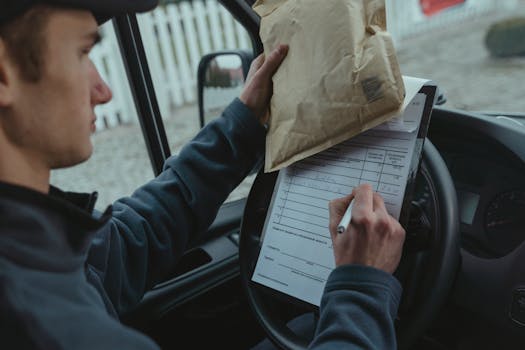
Courier signs delivery documents inside van while holding package, representing logistics and efficient mail service.Photo: Tima Miroshnichenko / Pexels
The transformation of last mile delivery from a logistical headache into a strategic advantage is largely powered by technological innovation. Modern last mile delivery solutions leverage a suite of advanced tools and platforms to streamline operations, reduce costs, and elevate the customer experience. At the forefront are sophisticated route optimization and planning software. These systems use complex algorithms to analyze a multitude of variables—including delivery addresses, traffic patterns, vehicle capacities, driver schedules, time windows, and even weather conditions—to generate the most efficient delivery routes. This not only minimizes fuel consumption and driver time but also ensures timely deliveries, a critical factor for customer satisfaction. Beyond static route planning, dynamic re-routing capabilities allow for real-time adjustments in response to unforeseen events like traffic accidents or sudden order changes. Telematics and GPS tracking are indispensable for real-time visibility. By equipping delivery vehicles with GPS devices and integrating them with central monitoring systems, businesses gain complete oversight of their fleet. This allows for live tracking of parcels, monitoring driver performance, ensuring adherence to routes, and providing accurate estimated times of arrival (ETAs) to customers. The data collected from telematics can also be used for post-delivery analysis, identifying inefficiencies and areas for improvement. Mobile applications for drivers are another cornerstone of effective last mile operations. These apps provide drivers with optimized routes, turn-by-turn navigation, access to customer contact information, and tools for capturing proof of delivery (e.g., photo capture, electronic signature). They also facilitate seamless communication between drivers, dispatchers, and customers, enabling quick resolution of issues and improving overall delivery success rates. The integration of Artificial Intelligence (AI) and Machine Learning (ML) is pushing the boundaries of last mile efficiency. AI can predict demand patterns, optimize inventory placement in micro-fulfillment centers, and even forecast potential delivery delays based on historical data. ML algorithms continuously learn from delivery data, refining route optimizations and improving decision-making over time, leading to more adaptive and resilient delivery networks. Furthermore, the Internet of Things (IoT) is playing a growing role, with smart sensors embedded in vehicles and packages providing data on temperature, humidity, and location, crucial for sensitive goods. Automation, from automated sorting systems in warehouses to drone and robotic delivery experiments, promises to further revolutionize the last mile, particularly in niche applications or specific urban environments. While widespread robotic delivery is still evolving, the underlying technologies are already contributing to increased efficiency within fulfillment centers. Finally, robust data analytics platforms tie all these technologies together. By analyzing vast amounts of data generated throughout the last mile process, businesses can gain deep insights into their operations, identify bottlenecks, measure key performance indicators (KPIs), and make data-driven decisions to continually optimize their delivery strategy. This continuous feedback loop is essential for maintaining a competitive edge and adapting to the ever-changing demands of the market. Embracing these technological advancements is not merely about staying current; it's about building a future-proof delivery infrastructure that can scale, adapt, and consistently delight customers.

Strategic Approaches to Optimize Last Mile Delivery Operations
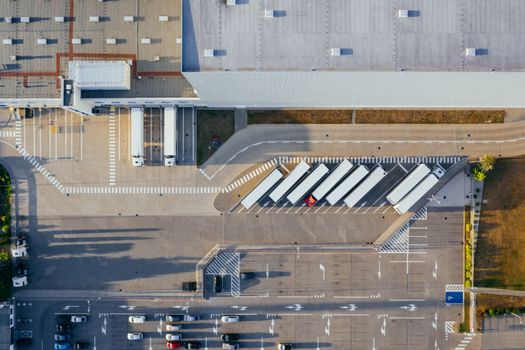
Drone shot of a logistics center with trucks and parking lot in Poznań, Poland.Photo: Marcin Jozwiak / Pexels
Optimizing last mile delivery goes beyond merely adopting technology; it requires a strategic, multi-faceted approach that aligns with overall business objectives. One critical strategy is the implementation of a diversified delivery model. Relying solely on an in-house fleet or a single 3PL provider can limit flexibility and scalability. Businesses should consider a hybrid approach, combining owned fleets for core routes with partnerships with local carriers, crowdsourced delivery platforms, or even postal services for peak times or specific geographical areas. This diversification mitigates risks and allows for greater agility in responding to fluctuating demand. Another effective strategy is the strategic placement of micro-fulfillment centers (MFCs) or urban hubs. Instead of shipping all orders from a single, large warehouse often located far from urban centers, MFCs bring inventory closer to the end customer. This drastically reduces the 'last mile' distance, enabling faster delivery times, lowering transportation costs, and easing congestion for drivers. These smaller facilities can be integrated into existing retail spaces or repurposed urban properties, offering a nimble solution for rapid local fulfillment. Enhancing customer communication and transparency is paramount. Proactive communication, including order confirmations, dispatch notifications, real-time tracking links, and estimated delivery windows, empowers customers and reduces inbound inquiries. Post-delivery feedback mechanisms are equally important, providing valuable insights into service quality and areas for improvement. Businesses should leverage SMS, email, and in-app notifications to keep customers informed every step of the way, fostering trust and a positive brand experience. Investing in driver training and engagement is often overlooked but crucial. Well-trained, motivated drivers are the frontline ambassadors of a brand. Training should cover not only efficient driving techniques and technology use but also customer service skills and problem-solving. Creating a positive work environment and offering competitive compensation can significantly improve driver retention and performance, directly impacting delivery quality. Furthermore, a strong focus on data analytics and continuous improvement is non-negotiable. Regularly analyzing key performance indicators (KPIs) such as on-time delivery rates, cost per delivery, delivery success rates, and customer feedback provides actionable insights. This data should inform strategic decisions, from optimizing routes and vehicle types to adjusting staffing levels and refining delivery policies. Establishing a culture of continuous improvement ensures that the last mile operation remains agile and responsive to market changes. Lastly, exploring sustainable delivery options is not just good for the planet but also for business. Integrating electric vehicles, cargo bikes, or even walking couriers for short distances in dense urban areas can reduce carbon emissions and appeal to environmentally conscious consumers. These initiatives can also lead to long-term operational savings through reduced fuel and maintenance costs. By combining these strategic approaches, businesses can build a resilient, efficient, and customer-centric last mile delivery network that not only meets current demands but is also prepared for future challenges and opportunities.

Comparison

FeatureIn-House Fleet3PL ProvidersCrowdsourced DeliveryHybrid Model
ControlHighLow to MediumLowMedium to High
Cost Efficiency (Fixed)HighMediumLowMedium
ScalabilityLowHighVery HighHigh
Brand Consistency
Technology IntegrationManual/High EffortOften ProprietaryIntegratedFlexible
Speed & FlexibilityMediumMedium to HighHighVery High
Geographic CoverageLimitedExtensiveVariableExtensive

What Our Readers Say

5 ★★★★★

"Implementing their last mile delivery solutions transformed our local delivery service. We saw a 20% reduction in fuel costs and our customer satisfaction scores jumped significantly. The real-time tracking is a game-changer for our small business."

5 ★★★★★

"As an e-commerce startup, we struggled with efficient deliveries. These solutions provided us with the routing optimization and driver management tools we desperately needed. Our on-time delivery rate is now consistently above 98%."

5 ★★★★★

"We adopted their last mile software and saw our delivery capacity increase by 30% without adding more drivers. This directly led to a 15% increase in weekly orders, a concrete result for our growing food delivery service."

4 ★★★★☆

"The platform offers incredible features, though the initial setup required a bit of a learning curve for our team. However, the long-term benefits in terms of efficiency and customer communication have been well worth the investment. We appreciate the robust analytics."

5 ★★★★★

"Our construction supply company needed a better way to get materials to job sites. These last mile solutions allowed us to manage complex, multi-drop deliveries with ease, reducing project delays and improving our contractor relationships significantly."

Frequently Asked Questions

What are the primary benefits of investing in last mile delivery solutions?
Investing in last mile delivery solutions significantly enhances operational efficiency by optimizing routes and reducing fuel costs. It also drastically improves customer satisfaction through faster, more reliable, and transparent deliveries, leading to increased loyalty and repeat business. Furthermore, it provides valuable data for continuous improvement and strategic decision-making.
Is last mile delivery software only for large enterprises?
Absolutely not. While large enterprises certainly benefit, there are scalable last mile delivery solutions available for businesses of all sizes, from small local shops to medium-sized e-commerce operations. Many platforms offer flexible pricing and features tailored to different needs, making advanced logistics accessible to a wider range of businesses.
How can I implement route optimization effectively for my deliveries?
To implement route optimization effectively, start by integrating a robust route planning software that considers multiple variables like traffic, delivery windows, and vehicle capacity. Ensure your driver app is user-friendly and provides real-time updates. Regularly analyze your delivery data to refine routes and adapt to changing conditions, fostering a continuous improvement cycle.
What is the typical cost associated with last mile delivery solutions?
The cost of last mile delivery solutions varies widely based on the features, scale of operations, and provider. It can range from subscription-based software services (per user or per delivery) to more comprehensive, custom-integrated systems. Factors like fleet size, number of deliveries, and desired level of automation all influence the overall investment. Many offer clear ROI through cost savings.
How do last mile delivery solutions compare to traditional shipping carriers?
Last mile delivery solutions focus specifically on optimizing the final leg of delivery, offering granular control, real-time visibility, and enhanced customer communication that traditional carriers may not provide as standard. While traditional carriers handle the bulk of transportation, dedicated last mile solutions specialize in the efficiency and customer experience of the final handover, often integrating with carriers for a complete supply chain. They complement, rather than replace, traditional shipping.
Who should consider using last mile delivery solutions?
Any business that regularly delivers products directly to customers should consider last mile delivery solutions. This includes e-commerce retailers, food delivery services, grocery stores, pharmacies, logistics companies, B2B suppliers, and even field service companies. If customer satisfaction through timely and efficient delivery is critical to your business, these solutions are for you.
What are the security risks involved in last mile delivery and how are they addressed?
Security risks in last mile delivery include package theft, damage, and unauthorized access to customer data. Solutions address this through secure proof-of-delivery mechanisms (e.g., photo capture, electronic signatures), secure package handling protocols, and encrypted data transmission for customer information. Advanced tracking and geofencing also help monitor package integrity and prevent diversions.
What are the future trends in last mile delivery solutions?
Future trends include increased adoption of autonomous delivery vehicles (drones, robots) for specific use cases, hyper-personalization of delivery options, greater integration of AI for predictive analytics, and a stronger emphasis on sustainable delivery methods like electric fleets and cargo bikes. Expect more seamless integration with smart home devices and advanced locker systems for convenient pickup.

Ready to revolutionize your delivery operations and delight your customers? Explore our comprehensive last mile delivery solutions today to optimize efficiency, reduce costs, and build a competitive edge in the rapidly evolving market.

Topics: last mile delivery solutionslogistics optimizationdelivery management softwaree-commerce deliverysupply chain efficiency
Leo List
Brampton weed
Adultwork EstrelaBet Vai de Bet R7 Bet Betão Galera Bet Rainbet Bet9ja Shop SportyBet BetKing Sisal Loto Foot Hollywoodbets YesPlay Odibets RushBet Jugabet BetWarrior BetCity MSport betPawa Fortebet