✓ Transportation accounts for approximately 25% of global CO2 emissions, with logistics a major contributor.
✓ Implementing green logistics can reduce operational costs by 10-25% through optimized routes and reduced waste.
✓ 90% of consumers are more likely to purchase from brands demonstrating environmental responsibility.
✓ The US government offers various incentives and grants for businesses adopting sustainable logistics initiatives.
How It Works
1
Assess Current Operations
Identify key areas of environmental impact within your existing supply chain, from sourcing to delivery. This initial audit forms the baseline for improvement.
2
Strategize & Plan Green Initiatives
Develop a comprehensive plan outlining specific green logistics practices to implement, setting measurable goals and timelines. Consider technology, infrastructure, and policy changes.
3
Implement Sustainable Solutions
Integrate chosen practices such as optimized routing, alternative fuels, sustainable packaging, and reverse logistics. Train staff and invest in necessary equipment.
4
Monitor, Measure & Optimize
Continuously track performance metrics, including carbon emissions, waste reduction, and cost savings. Use data to refine strategies and ensure ongoing environmental and economic benefits.
The Imperative of Sustainable Supply Chain Management
Photo: Marcin Jozwiak / Pexels
In an era defined by increasing environmental awareness and stringent regulatory frameworks, the adoption of green logistics practices is no longer a mere option but a strategic imperative for businesses operating in the United States. The logistics sector, by its very nature, is a significant consumer of resources and a substantial contributor to greenhouse gas emissions. From the fuel burned by fleets of trucks, trains, ships, and planes to the energy consumed in vast warehouses and distribution centers, every aspect of the supply chain carries an environmental footprint. Consumers, investors, and governmental bodies are exerting unprecedented pressure on companies to demonstrate genuine commitment to sustainability. Ignoring this shift can lead to reputational damage, loss of market share, and potential legal penalties. Conversely, embracing green logistics offers a multitude of benefits that extend far beyond environmental compliance. It can lead to substantial operational efficiencies, reducing fuel consumption, optimizing routes, and minimizing waste, all of which directly translate into cost savings. Furthermore, a strong commitment to sustainability can enhance brand image, attracting eco-conscious customers and top talent who are increasingly seeking employers aligned with their values. This competitive advantage can be a significant differentiator in a crowded marketplace. The rise of e-commerce has only amplified the need for sustainable practices, with increased last-mile deliveries and the associated packaging waste. Companies are now tasked with finding innovative ways to balance rapid delivery expectations with environmental responsibility. This includes exploring electric vehicles for urban deliveries, optimizing delivery routes to reduce mileage, and consolidating shipments to maximize vehicle capacity. The shift towards a circular economy model, where products and materials are kept in use for as long as possible, is also influencing logistics. Reverse logistics, the process of moving goods from their typical final destination for the purpose of capturing value or proper disposal, plays a crucial role here. Recycling, refurbishment, and remanufacturing initiatives all rely on efficient and green reverse logistics processes. By proactively integrating these practices, businesses can not only mitigate their environmental impact but also build more resilient, efficient, and future-proof supply chains that are better equipped to navigate the evolving demands of the 21st century market. The investment in green logistics is an investment in long-term business viability and societal well-being.
Key Green Logistics Practices for US Businesses
Photo: Haberdoedas Photography / Pexels
Adopting green logistics involves a multi-faceted approach, targeting various stages of the supply chain to minimize environmental impact while maximizing efficiency. One of the most impactful areas is transportation optimization. This includes employing advanced route planning software to identify the shortest, most fuel-efficient paths, reducing idle times, and consolidating shipments to achieve higher load factors. The transition to alternative fuels and electric vehicles (EVs) for fleet operations is gaining significant traction, especially for last-mile delivery in urban areas. While the initial investment in EVs can be substantial, the long-term savings on fuel and maintenance, coupled with government incentives, make them an increasingly attractive option. For longer hauls, exploring intermodal transport – combining different modes like rail and sea with road transport – can drastically reduce carbon emissions compared to solely relying on trucks. Another critical component is warehouse and facility management. Modern green warehouses are designed with energy efficiency in mind, utilizing LED lighting, natural daylighting, and smart HVAC systems. Renewable energy sources, such as solar panels on rooftops, can further reduce the carbon footprint of these facilities. Waste reduction within warehouses is also paramount, focusing on comprehensive recycling programs for packaging materials, damaged goods, and operational waste. Sustainable packaging is another cornerstone of green logistics. This involves moving away from single-use plastics and non-recyclable materials towards biodegradable, compostable, or recycled content packaging. Rightsizing packaging to the product can also reduce material usage and optimize shipping space, leading to fewer vehicles on the road. Implementing robust reverse logistics programs is essential for a circular economy. This means efficiently managing the return of products, whether for recycling, repair, refurbishment, or resale. An effective reverse logistics system not only reduces waste but can also create new revenue streams and improve customer satisfaction. Finally, leveraging technology such as IoT sensors, AI, and blockchain can provide real-time data on emissions, fuel consumption, and waste generation, enabling continuous monitoring and improvement of green logistics initiatives. These technologies offer unprecedented visibility into the supply chain's environmental performance, allowing companies to make data-driven decisions and track progress towards sustainability goals. By integrating these diverse practices, US businesses can build a truly green and resilient logistics network.
Measuring Impact and Achieving Certifications in Eco-Logistics
Photo: Like a Lot / Pexels
To genuinely commit to green logistics practices, businesses must move beyond mere intention to concrete measurement and demonstrable results. Quantifying the environmental impact of logistics operations is crucial for setting baselines, tracking progress, and identifying areas for further improvement. Key performance indicators (KPIs) in eco-logistics include carbon emissions (CO2e) per ton-mile or per delivery, fuel efficiency (miles per gallon or kWh per mile), waste diversion rates, water consumption, and the percentage of renewable energy used in facilities. Tools for measuring these metrics range from basic spreadsheet tracking to sophisticated supply chain management software integrated with environmental impact assessment modules. Life Cycle Assessment (LCA) is a powerful methodology that evaluates the environmental impacts associated with all stages of a product's life cycle, from raw material extraction through processing, manufacturing, distribution, use, repair and maintenance, and disposal or recycling. Applying LCA principles to logistics can reveal hidden environmental hotspots and inform more sustainable choices in vehicle types, packaging materials, and transportation modes. For instance, an LCA might show that while electric trucks have zero tailpipe emissions, the carbon footprint of battery production needs to be considered, pushing companies to source batteries from manufacturers with greener production processes. Achieving certifications and adhering to industry standards provides external validation of a company's commitment to sustainability and can significantly boost credibility with stakeholders. In the US, various certifications are available. For buildings, LEED (Leadership in Energy and Environmental Design) certification is widely recognized for green building standards, applicable to warehouses and distribution centers. For broader environmental management, ISO 14001 provides a framework for an effective environmental management system (EMS). Industry-specific certifications, such as SmartWay for freight transportation, a voluntary partnership program of the U.S. Environmental Protection Agency (EPA), help companies improve fuel efficiency and reduce emissions. Participating in programs like SmartWay allows companies to benchmark their performance against industry averages and continuously strive for improvement. Furthermore, transparent reporting of environmental performance, often through annual sustainability reports, builds trust with customers and investors. Companies are increasingly expected to disclose their Scope 1, 2, and 3 emissions, with logistics falling heavily into Scope 3 (indirect emissions from activities not owned or controlled by the organization, but which it indirectly affects in its value chain). By meticulously measuring impact and pursuing relevant certifications, US businesses can not only demonstrate their dedication to green logistics but also unlock new opportunities for innovation and competitive advantage in a world increasingly valuing environmental stewardship. This rigorous approach is fundamental to creating a truly sustainable logistics network.
Challenges and Future Trends in Green Logistics
Photo: Tobi &Chris / Pexels
While the benefits of green logistics are clear, implementing these practices is not without its challenges. One significant hurdle is the initial investment required for new technologies, such as electric vehicles, charging infrastructure, and energy-efficient warehouse equipment. Many smaller businesses may find these upfront costs prohibitive, despite the long-term savings. Another challenge lies in the complexity of supply chains, often involving multiple partners and geographical locations, making it difficult to enforce uniform green standards. Data fragmentation and lack of standardized metrics across different partners can also hinder effective measurement and reporting of environmental performance. Furthermore, the availability and cost of sustainable alternatives, such as biofuels or advanced recycling facilities, can vary significantly by region.
However, the future of green logistics is bright, driven by innovation and increasing regulatory and consumer pressure. Key trends include:
* **Hyper-optimization with AI and Machine Learning:** These technologies will continue to refine route planning, inventory management, and demand forecasting, leading to even greater efficiency and reduced waste.
* **Autonomous and Connected Logistics:** Self-driving trucks, drones, and robots promise to revolutionize delivery, potentially reducing labor costs and optimizing energy consumption.
* **Circular Economy Integration:** Expect a stronger emphasis on designing supply chains for product longevity, repairability, and end-of-life recycling, making reverse logistics even more critical.
* **Renewable Energy Dominance:** Warehouses powered entirely by solar, wind, or geothermal energy will become more commonplace, and the grid for charging electric fleets will increasingly rely on clean sources.
* **Sustainable Sourcing and Traceability:** Blockchain technology will enhance transparency, allowing consumers and businesses to track the environmental footprint of products from origin to delivery.
* **Collaborative Logistics:** Companies will increasingly share resources, such as warehouse space or delivery fleets, to reduce individual footprints and achieve economies of scale in sustainability efforts.
Addressing the current challenges while embracing these future trends will be crucial for US businesses aiming to lead in the green logistics space. The continuous evolution of technology, combined with a growing collective commitment to environmental responsibility, suggests a future where logistics is not only efficient but inherently sustainable.
Comparison
Feature
Green Logistics (Best Option)
Traditional Logistics
Hybrid Approach
Environmental Impact
Significantly Reduced CO2e, Waste
High CO2e, Significant Waste
Moderately Reduced Impact
Operational Costs
Lower (long-term, after initial investment)
Variable, often higher due to inefficiencies
Moderate savings
Brand Reputation
Enhanced, Positive Public Image
Neutral to Negative (risk)
Improved
Regulatory Compliance
✓ (Proactive, often exceeds)
✗ (Reactive, minimum compliance)
✓ (Meets requirements)
Fuel Efficiency
Optimized Routes, EV/Alternative Fuels
Standard routes, fossil fuels
Some route optimization, mixed fuels
Waste Management
Extensive Recycling, Sustainable Packaging
Basic Recycling, Conventional Packaging
Improved Recycling, some sustainable packaging
What Readers Say
★★★★★
"Implementing green logistics practices has been a game-changer for our e-commerce business. Our customers love our eco-friendly packaging, and we've seen a noticeable reduction in our fuel costs."
Sarah J. · Seattle, WA
★★★★★
"Switching to electric last-mile delivery vehicles was a big step, but the positive feedback and reduced emissions have made it incredibly worthwhile. It's truly a win-win for our company and the community."
Mark D. · Austin, TX
★★★★★
"Our partnership with a green logistics provider has helped us cut our carbon footprint by 30% in just one year. This directly contributed to our annual sustainability goals and improved our ESG ratings."
Emily R. · Chicago, IL
★★★★★
"The initial investment for some green logistics solutions was higher than anticipated, but the long-term operational savings and enhanced brand image are proving their value. It requires careful planning."
David L. · Atlanta, GA
★★★★★
"As a freight forwarder, optimizing our intermodal transport strategies using green logistics principles has not only reduced our environmental impact but also made our services more competitive and efficient for clients."
Jessica M. · Denver, CO
Frequently Asked Questions
What are the primary benefits of adopting green logistics practices?
The primary benefits include significant reductions in carbon emissions and waste, lower operational costs through fuel efficiency and optimized processes, enhanced brand reputation and customer loyalty, improved compliance with environmental regulations, and a stronger position for attracting investors and talent. It creates a more resilient and sustainable business model.
Is the initial investment in green logistics too high for small businesses?
While some green logistics initiatives do require upfront investment, many strategies, like route optimization, sustainable packaging swaps, or basic recycling programs, can be implemented with minimal cost. Furthermore, government incentives, tax credits, and long-term operational savings can often offset initial expenses, making it accessible even for smaller entities to start their green journey.
How can I measure the environmental impact of my logistics operations?
You can measure impact by tracking KPIs such as CO2e emissions per shipment or mile, fuel consumption, waste diversion rates, and energy usage in facilities. Tools range from manual data collection and spreadsheet analysis to advanced supply chain software with integrated environmental modules. Life Cycle Assessment (LCA) provides a comprehensive view of impacts across a product's entire journey.
What is the typical ROI for investing in green logistics practices?
The ROI for green logistics practices varies widely depending on the specific initiatives and scale of implementation. However, many companies report significant returns, primarily through reduced fuel costs, lower waste disposal fees, and increased customer engagement. Payback periods can range from 1-3 years for fuel efficiency upgrades to longer for major infrastructure changes like EV fleet conversion, but the long-term savings and brand benefits are substantial.
How do green logistics practices compare to traditional logistics in terms of efficiency?
Green logistics practices are often inherently more efficient than traditional methods. By focusing on optimization (e.g., route planning, load consolidation), waste reduction (e.g., sustainable packaging, reverse logistics), and energy efficiency (e.g., alternative fuels, green warehouses), green logistics aims to achieve the same or better outcomes with fewer resources and less environmental impact, leading to enhanced overall operational efficiency.
Who should consider implementing green logistics practices?
Any business involved in the movement, storage, or distribution of goods should consider implementing green logistics practices. This includes manufacturers, retailers (both brick-and-mortar and e-commerce), third-party logistics (3PL) providers, freight forwarders, and even service-based companies with significant supply chain needs. It's relevant for companies of all sizes, from small local businesses to large multinational corporations, across all industries.
Are there any risks associated with transitioning to green logistics?
Potential risks include the initial financial outlay, the complexity of integrating new technologies, supply chain disruption during the transition, and the need for employee training. However, these risks can be mitigated through careful planning, phased implementation, seeking government incentives, and partnering with experienced sustainability consultants. The risks of *not* adopting green practices, such as reputational damage or regulatory fines, often outweigh these transition challenges.
What role will technology play in the future of green logistics?
Technology will be pivotal. AI and machine learning will drive hyper-optimization in route planning and inventory. IoT sensors will provide real-time environmental data. Blockchain will enhance supply chain transparency and traceability. Autonomous vehicles and drones will revolutionize delivery. These innovations will enable more precise measurement, greater efficiency, and deeper integration of sustainable practices across the entire logistics ecosystem, making green logistics the standard.
Embrace the future of sustainable commerce by integrating cutting-edge green logistics practices into your operations. Start your journey towards a more efficient, environmentally responsible, and profitable supply chain today. Contact us to discover how green logistics can transform your business.
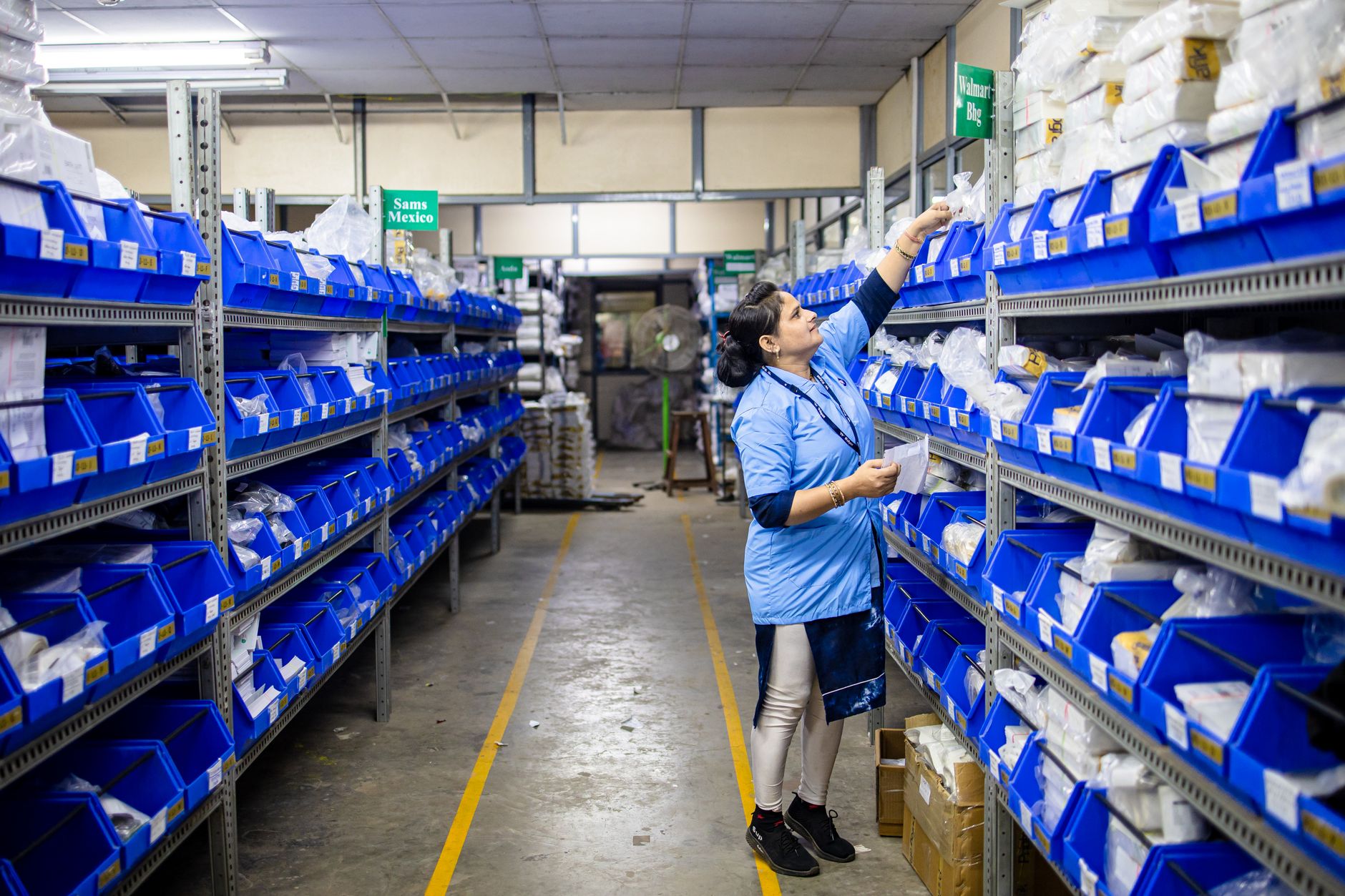
 Photo: Marcin Jozwiak / Pexels
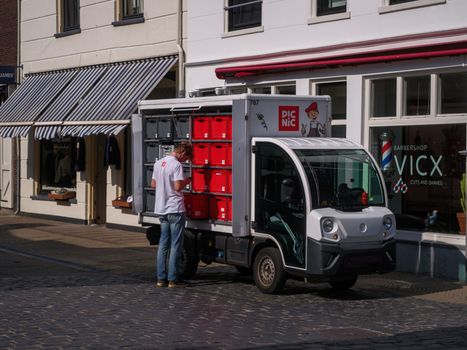 Photo: Haberdoedas Photography / Pexels
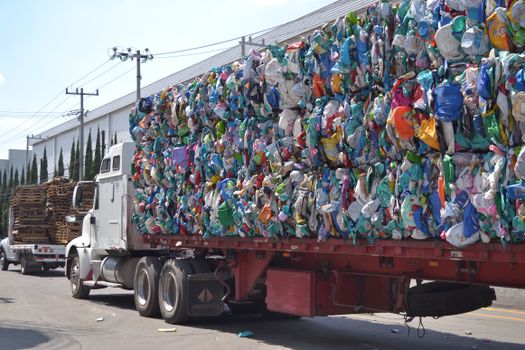 Photo: Like a Lot / Pexels
 Photo: Tobi &Chris / Pexels