✓ Over 90% of global trade relies on international logistics shipping.
✓ Customs duties and taxes can add 5-20% to import costs.
✓ The average ocean freight transit time from Asia to the US is 20-45 days.
✓ Air freight is 5-10 times more expensive than ocean freight but significantly faster.
How It Works
1
Planning & Origin Logistics
This initial phase involves meticulous planning, including vendor management, cargo consolidation, and preparing necessary export documentation in the country of origin. It sets the foundation for a smooth journey across borders.
2
Main Carriage & Transit
Goods are transported via the chosen mode (ocean, air, rail, or road) from the origin port/airport to the destination port/airport. This stage includes managing transit times, tracking shipments, and addressing any unforeseen delays.
3
Customs Clearance & Compliance
Upon arrival in the destination country (e.g., the US), cargo undergoes rigorous customs inspection and clearance. This crucial step involves accurate documentation, duty/tax payment, and adherence to all import regulations and tariffs.
4
Destination Logistics & Delivery
After customs clearance, goods are transferred to local transportation for final delivery to the consignee's warehouse or distribution center. This final mile ensures the product reaches its end destination efficiently and safely.
Understanding the Pillars of International Logistics Shipping
Photo: Andrea Musto / Pexels
International logistics shipping is far more than simply moving goods from point A to point B across borders; it's a complex, multi-faceted ecosystem that underpins global commerce. For businesses operating in or importing to the US, a deep understanding of this process is not just beneficial, but absolutely critical for sustained success and competitive advantage. At its core, international logistics encompasses the planning, implementation, and control of the efficient, effective forward and reverse flow and storage of goods, services, and related information between the point of origin and the point of consumption in order to meet customers' requirements, specifically across national boundaries.
This intricate dance involves a myriad of stakeholders, from manufacturers and suppliers to freight forwarders, customs brokers, carriers, and warehousing providers. Each plays a vital role in ensuring that products navigate the global supply chain seamlessly. The primary goal is to optimize the entire process – reducing costs, minimizing transit times, enhancing reliability, and ensuring compliance with a vast array of international trade regulations and local laws. Without a robust international logistics strategy, businesses face significant risks, including costly delays, penalties for non-compliance, damaged goods, and ultimately, dissatisfied customers.
Consider the journey of a single product: it might be manufactured in Asia, assembled in Europe, and then shipped to the US for final sale. This seemingly simple trajectory involves navigating different legal systems, varying infrastructure capabilities, diverse cultural practices, and fluctuating geopolitical landscapes. Each handoff, each border crossing, introduces potential points of friction or delay. Therefore, a comprehensive strategy for international logistics shipping must account for every segment of this journey, from the initial sourcing of materials to the final delivery to the end-user. This includes choosing the right mode of transportation (sea, air, rail, road), managing inventory across multiple locations, optimizing warehousing solutions, and employing sophisticated tracking systems to maintain visibility throughout the entire process.
Furthermore, the dynamic nature of global trade means that businesses must be agile and adaptable. Supply chain disruptions, such as natural disasters, geopolitical tensions, or pandemics, can rapidly alter shipping routes, increase costs, and delay deliveries. An effective international logistics strategy incorporates risk assessment and contingency planning to mitigate these potential issues. It's about building resilience into the supply chain, ensuring that even in the face of unforeseen challenges, goods can continue to move efficiently and reliably. Understanding the nuances of supply chain logistics is fundamental to navigating these complexities and maintaining a competitive edge in the global marketplace. The landscape of international trade is constantly evolving, driven by technological advancements, changing consumer demands, and new regulatory frameworks, making continuous learning and adaptation essential for anyone involved in international logistics shipping.
Navigating Customs, Compliance, and Documentation in US Imports
One of the most critical and often challenging aspects of international logistics shipping into the US is navigating the intricate web of customs regulations, compliance requirements, and documentation. Failure to meticulously adhere to these guidelines can result in severe penalties, significant delays, cargo seizures, and substantial financial losses. The US Customs and Border Protection (CBP) is the primary agency responsible for enforcing these laws, and their rules are designed to protect national security, public health, and economic interests.
Before any goods can enter the US, a comprehensive set of documents must be prepared and submitted. Key documents include the Commercial Invoice, which details the transaction between buyer and seller; the Packing List, providing information on the contents of each package; the Bill of Lading (for ocean freight) or Air Waybill (for air freight), serving as a contract of carriage and receipt of goods; and the Certificate of Origin, verifying the country where the goods were produced. Beyond these standard documents, specific products may require additional permits, licenses, or certifications from other US government agencies, such as the FDA for food and pharmaceuticals, the EPA for certain chemicals, or the DOT for vehicles.
Customs valuation is another crucial element, as it determines the amount of duties and taxes owed. Importers must accurately declare the value of their goods, typically based on the transaction value, plus any dutiable additions. Misdeclaration can lead to fines and closer scrutiny in future shipments. Classification of goods, using the Harmonized System (HS) code, is equally vital. The correct HS code determines the applicable duty rate and any specific import restrictions or requirements. An experienced customs broker is invaluable in accurately classifying goods and ensuring proper valuation, significantly mitigating risks.
Compliance extends beyond just documentation and duties. Importers are responsible for ensuring their goods meet all US product safety standards, labeling requirements, and intellectual property rights. For instance, goods violating trademark or copyright laws can be seized and destroyed. Furthermore, importers must be aware of anti-dumping and countervailing duties, which may be imposed on certain imported goods to counteract unfair trade practices. The role of a reliable customs broker cannot be overstated here; they act as an intermediary between the importer and CBP, handling the complexities of declarations, payments, and ensuring adherence to all legal stipulations. Their expertise can prevent costly mistakes and expedite the clearance process, making them an indispensable partner in successful international logistics shipping.
Choosing the Right Transportation Mode and Partner for Your Shipments
Selecting the optimal transportation mode and a trustworthy logistics partner are pivotal decisions in successful international logistics shipping. The choice of mode—ocean, air, rail, or road—significantly impacts cost, transit time, reliability, and cargo security. Each option presents distinct advantages and disadvantages that must be weighed against your specific business needs, product characteristics, and urgency of delivery. Ocean freight, typically carried by large container ships, is the most cost-effective solution for large volume, heavy, or non-urgent cargo. While slow (often weeks), it offers unparalleled capacity and is the backbone of global trade. Air freight, conversely, is the fastest option, ideal for high-value, perishable, or time-sensitive goods, albeit at a considerably higher cost. For shipments within continents or to adjacent countries, rail and road transport offer flexible and often more economical solutions than air, especially for medium-sized loads or specific geographical corridors. Often, a multimodal approach, combining two or more modes, provides the best balance of speed and cost for complex routes.
Once the mode is determined, identifying the right logistics partner is equally crucial. This partner could be a freight forwarder, a third-party logistics (3PL) provider, or even a specialized carrier. A reputable freight forwarder acts as an orchestrator, managing the entire international shipping process from end-to-end. They leverage their network of carriers, customs brokers, and warehousing facilities to consolidate shipments, negotiate rates, prepare documentation, and oversee the journey. For businesses seeking a more comprehensive solution, a 3PL provider can manage not only transportation but also warehousing, inventory management, order fulfillment, and even reverse logistics, effectively becoming an extension of your own operations. When evaluating potential partners, consider their experience with your specific industry and trade lanes, their network reach, technological capabilities (tracking, visibility), customer service reputation, and financial stability. Transparency in pricing and communication is paramount.
It's also important to consider the type of service offered: Full Container Load (FCL) versus Less than Container Load (LCL) for ocean freight, or standard versus expedited for air freight. FCL is generally more cost-effective for large shipments that can fill an entire container, while LCL allows smaller shipments to share container space, reducing individual costs. A strategic partnership with an experienced logistics provider can unlock efficiencies, provide crucial insights into market dynamics, and navigate unforeseen challenges, ultimately streamlining your international logistics shipping operations and contributing significantly to your bottom line. Partnering with experts in logistics solutions can transform potential headaches into smooth sailing, ensuring your goods arrive on time and within budget, bolstering your business's global reach and competitiveness.
Essential Tips for Optimizing Your International Shipping Strategy
Optimizing your international logistics shipping strategy is crucial for efficiency, cost savings, and customer satisfaction. Here are some essential tips to help you streamline your global operations:
* **Embrace Technology:** Utilize advanced logistics software for real-time tracking, inventory management, and predictive analytics. This provides unparalleled visibility into your supply chain, allowing for proactive problem-solving and better decision-making. Automation of documentation can also drastically reduce errors and processing times.
* **Understand Incoterms® Thoroughly:** Incoterms (International Commercial Terms) define the responsibilities of buyers and sellers for the delivery of goods under sales contracts. A clear understanding of these terms (e.g., EXW, FOB, CIF, DDP) is vital to avoid disputes, accurately assign costs, and clarify risk transfer points. Choose the Incoterm that best suits your business model and risk tolerance.
* **Consolidate Shipments:** For smaller, less urgent orders, consider consolidating multiple shipments into a single, larger consignment. This can significantly reduce per-unit shipping costs, especially for LCL ocean freight. Work with your freight forwarder to explore consolidation opportunities.
* **Invest in Proper Packaging:** Adequate packaging protects your goods from damage during transit, which can be particularly rough in international shipping. This includes using appropriate materials, cushioning, and labeling. Damaged goods lead to costly returns, insurance claims, and customer dissatisfaction.
* **Build Strong Relationships with Partners:** Foster robust relationships with your freight forwarders, customs brokers, and carriers. These partnerships are invaluable for navigating complex situations, securing favorable rates, and gaining expert advice. A trusted partner acts as an extension of your team.
* **Conduct Regular Audits:** Periodically audit your shipping invoices, customs declarations, and logistics processes. This helps identify discrepancies, potential overcharges, and areas for improvement, ensuring you are operating as cost-effectively and compliantly as possible.
* **Stay Informed on Regulations:** International trade regulations, tariffs, and geopolitical landscapes are constantly changing. Subscribe to industry updates, consult with experts, and leverage your logistics partners to stay abreast of new rules that could impact your shipments. Proactive compliance prevents costly delays and penalties.
Comparison
Feature
Ocean Freight (FCL/LCL)
Air Freight
Road/Rail (Regional)
Cost-Effectiveness
Very High (FCL)
Low
Medium
Speed/Transit Time
Slow (20-45+ days)
Fast (1-5 days)
Medium (1-10 days)
Cargo Volume/Weight
High Capacity
Low/Medium Capacity
Medium Capacity
Environmental Impact
Lower Per-Ton-Mile
Higher Per-Ton-Mile
Medium Per-Ton-Mile
Reliability (External Factors)
Medium (Weather, Port Congestion)
High (Less impacted by weather)
Medium (Traffic, Borders)
What Readers Say
★★★★★
"Our experience with international logistics shipping has been transformed. The team expertly handled our complex import from Vietnam, ensuring all customs documentation was perfect and delivery was on schedule. Truly a premium service."
Sarah Chen · Los Angeles, CA
★★★★★
"We've tried several providers for our European imports, but this service for international logistics shipping stands out. Their communication was excellent, and they proactively addressed potential delays, keeping our supply chain smooth."
David Miller · Houston, TX
★★★★★
"Thanks to their strategic guidance on international logistics shipping, we reduced our customs clearance times by 30% and significantly cut down on demurrage fees. A tangible impact on our bottom line!"
Maria Garcia · Miami, FL
★★★★★
"While our initial shipment faced a slight delay due to unforeseen port congestion, their transparency and consistent updates were commendable. They worked tirelessly to get our international logistics shipping back on track."
James Lee · New York, NY
★★★★★
"As a small e-commerce business, navigating international logistics shipping felt overwhelming. This service simplified everything, providing clear instructions and support, allowing us to confidently expand our product sourcing globally."
Emily White · Chicago, IL
Frequently Asked Questions
What is the most common challenge in international logistics shipping?
The most common challenge is navigating the complex and ever-changing landscape of customs regulations, tariffs, and documentation requirements across different countries. Delays, penalties, and even cargo seizure can result from non-compliance, making expert guidance essential for smooth operations.
How can I reduce shipping costs for international freight?
To reduce costs, consider consolidating smaller shipments into larger ones (LCL), opting for slower but cheaper ocean freight over air freight when urgency isn't critical, optimizing packaging to minimize volumetric weight, and leveraging the expertise of a freight forwarder to negotiate better rates and identify cost-saving routes.
How do I ensure my goods clear US customs smoothly?
To ensure smooth customs clearance, meticulously prepare all required documentation (commercial invoice, packing list, bill of lading/air waybill, certificate of origin), accurately classify your goods with the correct HS codes, and ideally, work with an experienced US customs broker who can navigate the process on your behalf and ensure compliance with all CBP regulations.
What are Incoterms and why are they important in international logistics shipping?
Incoterms (International Commercial Terms) are a set of globally recognized rules published by the International Chamber of Commerce (ICC) that define the responsibilities of sellers and buyers for the delivery of goods under sales contracts. They are crucial because they clarify who is responsible for costs, risks, and insurance at different stages of the shipping journey, preventing misunderstandings and disputes.
What's the difference between a freight forwarder and a carrier?
A carrier (e.g., shipping line, airline) physically moves the cargo, owning the ships, planes, or trucks. A freight forwarder, on the other hand, acts as an intermediary between the shipper and various carriers. They don't own the transport assets but arrange the entire shipping process, consolidate cargo, handle documentation, and coordinate with customs brokers to ensure seamless movement.
Who should use international logistics shipping services?
Any business or individual involved in importing or exporting goods across national borders should use international logistics shipping services. This includes manufacturers, distributors, e-commerce businesses, retailers, and even individuals moving personal effects, all of whom benefit from expert handling of complex international trade processes.
What are the risks associated with international logistics shipping?
Key risks include cargo damage or loss, customs delays and penalties due to non-compliance, unexpected cost increases (e.g., demurrage, detention), geopolitical instability impacting routes, natural disasters, and cybersecurity threats to supply chain data. Mitigating these risks requires robust planning, insurance, and experienced partners.
How will technology impact the future of international logistics shipping?
Technology will continue to revolutionize international logistics through AI-driven predictive analytics for route optimization and demand forecasting, blockchain for enhanced supply chain transparency and security, IoT for real-time cargo tracking, and automation in warehouses and ports. These innovations promise greater efficiency, reduced costs, and improved resilience.
Navigating the intricate world of international logistics shipping doesn't have to be a daunting task. By understanding the core principles, leveraging expert partners, and adopting strategic approaches, your business can achieve seamless, compliant, and cost-effective global trade. Take the next step to optimize your international logistics shipping operations today.

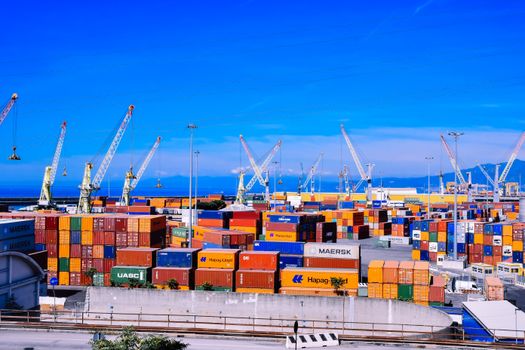 Photo: Andrea Musto / Pexels