
Unpacking Warehouse Management System Cost for Maximum ROI
warehouse management system cost

Unpacking Warehouse Management System Cost for Maximum ROI

Navigate the complexities of WMS investment to optimize your logistics operations and achieve significant returns.

Calculate Your WMS ROI

Key Takeaways

  • ✓ WMS costs vary widely, from $5,000 to over $500,000 annually, depending on complexity and scale.
  • ✓ Hidden costs like integration, training, and maintenance can significantly impact total ownership.
  • ✓ Cloud-based (SaaS) WMS typically involves lower upfront costs but recurring subscriptions.
  • ✓ On-premise WMS demands higher initial investment for hardware, software licenses, and IT infrastructure.
  • ✓ ROI from WMS often comes from reduced labor costs, improved inventory accuracy, and faster order fulfillment.

How It Works

1
Assess Your Needs

Identify current warehouse challenges, operational bottlenecks, and future growth projections to define your WMS requirements. This forms the foundation for selecting the right system and estimating its cost.

2
Explore Deployment Options

Choose between cloud-based (SaaS) or on-premise solutions, understanding how each impacts initial outlay, ongoing expenses, and IT resource allocation. Your choice significantly influences the overall WMS cost structure.

3
Evaluate Core & Hidden Costs

Beyond software licenses, factor in implementation, customization, integration with existing systems, training, and ongoing support. A comprehensive cost analysis prevents budget overruns and ensures a realistic financial forecast.

4
Calculate Potential ROI

Quantify expected benefits such as reduced labor, improved inventory accuracy, faster order processing, and decreased errors. Compare these projected savings and gains against the total WMS investment to justify the expenditure.

Understanding the Core Components of Warehouse Management System Cost

Three men in a warehouse standing among shelves with inventory. Photo: Tiger Lily / Pexels
Investing in a Warehouse Management System (WMS) is a strategic decision that can profoundly impact a company's logistical efficiency and profitability. However, understanding the true warehouse management system cost requires a deep dive into its various components, moving beyond just the sticker price of the software itself. The initial software license or subscription fee is merely one piece of a much larger financial puzzle. For on-premise solutions, you’re looking at a significant upfront capital expenditure for perpetual licenses, which grants you the right to use the software indefinitely. These can range from tens of thousands to several hundred thousand dollars, scaling with the number of users, modules, and the overall complexity of your operation. Conversely, cloud-based (SaaS) WMS models typically involve a lower initial outlay, replacing large upfront costs with recurring monthly or annual subscription fees. These fees are often based on factors like the number of users, transactions processed, storage volume, or specific modules utilized, offering greater flexibility and scalability. While seemingly more affordable upfront, it’s crucial to project these recurring costs over several years to get a true long-term financial picture. Beyond the software itself, hardware requirements contribute significantly to the total cost, particularly for on-premise deployments. This includes servers, networking equipment, backup systems, and specialized devices like barcode scanners, mobile computers, and RFID readers. Even cloud-based solutions may require investments in compatible mobile devices and robust Wi-Fi infrastructure within the warehouse to ensure seamless operation. The scale and complexity of your warehouse, the volume of inventory, and the number of employees using the system all play a role in determining the necessary hardware investment. Neglecting these essential components in the initial budget can lead to unexpected expenses down the line, potentially derailing your WMS implementation project. Therefore, a holistic view of both software and hardware expenses is paramount when evaluating the overall logistics technology investment. It's not just about what the WMS costs to acquire, but what it costs to run and maintain effectively within your existing operational environment.

Navigating Hidden Costs and Implementation Challenges of WMS

Two workers handle a package in a spacious warehouse surrounded by shelves stocked with boxes and products. Photo: Tiger Lily / Pexels
While software and hardware are the most apparent elements of warehouse management system cost, a significant portion of the overall expenditure often lies in less obvious, 'hidden' costs. These can quickly inflate your budget if not carefully accounted for during the planning phase. One of the most substantial hidden costs is implementation. This isn't just about installing software; it encompasses project management, data migration from legacy systems, system configuration to match your specific workflows, and extensive testing. The complexity of these tasks often necessitates engaging expert consultants, whose fees can be substantial. For a medium-sized warehouse, implementation services alone could range from $30,000 to over $150,000, depending on the system's customization needs and the vendor's professional services rates. Customization is another significant cost driver. While many WMS solutions offer robust out-of-the-box functionality, businesses often require tailored features or integrations to align with unique operational processes or existing enterprise resource planning (ERP) systems. Each customization adds development time and complexity, directly impacting the project budget. Poorly planned customizations can also lead to higher maintenance costs and make future upgrades more challenging. Data migration, while often overlooked, is critical. Transferring vast amounts of inventory data, customer information, and operational history accurately and efficiently from old systems to the new WMS can be a time-consuming and error-prone process. The cost associated with data cleansing, transformation, and validation should not be underestimated. Training is another vital, yet frequently under-budgeted, aspect. A powerful WMS is only as effective as the people using it. Comprehensive training for all warehouse staff, from floor operators to supervisors and IT personnel, is essential to ensure user adoption and maximize system benefits. This involves not just initial training but also ongoing education for new hires and refresher courses as the system evolves. Lastly, ongoing support and maintenance fees are perpetual costs. Even after implementation, you'll pay for software updates, bug fixes, technical support, and potentially annual service contracts. For on-premise systems, this also includes internal IT staff time for server maintenance and troubleshooting. Failing to budget for these hidden costs can lead to project delays, budget overruns, and ultimately, a less effective WMS implementation, diminishing the anticipated return on your warehouse management system cost investment.

Strategies for Optimizing Warehouse Management System Cost and Maximizing ROI

Two men maneuver a trolley in a large warehouse filled with boxes and shelves. Photo: Alexander Isreb / Pexels
To ensure your investment in a WMS yields substantial returns, a strategic approach to managing its cost is essential. It begins with a thorough needs assessment. Avoid the temptation to overbuy features you don't genuinely require. A detailed analysis of your current operational pain points and future growth projections will help you select a system that provides necessary functionality without unnecessary complexity or expense. Prioritizing 'must-have' features over 'nice-to-haves' can significantly reduce initial software and customization costs. Another crucial strategy is to meticulously compare deployment models. While cloud-based (SaaS) WMS often boasts lower upfront costs, it’s vital to calculate the total cost of ownership (TCO) over a 3-5 year period, comparing it against an on-premise solution. Consider factors like your internal IT capabilities, security requirements, and desired level of control. If your IT team is lean, SaaS might be more cost-effective due to reduced hardware maintenance and software management responsibilities. However, if you have robust in-house IT and specific customization needs, an on-premise solution might offer better long-term value, despite the higher initial warehouse management system cost. Negotiating with vendors is also key. Don't accept the first quote. Be prepared to discuss pricing for licenses, implementation services, support contracts, and training packages. Leverage competitive bids from multiple vendors to secure more favorable terms. Look for bundled services or multi-year discounts. Understanding the vendor's pricing structure and what's included (and what's not) can prevent costly surprises. Furthermore, focus on phased implementation if your budget is constrained or your operations are complex. Instead of a 'big bang' approach, rolling out critical modules first and then gradually adding more advanced functionalities can help manage cash flow and allow your team to adapt more smoothly. This also provides opportunities to refine processes and gather feedback before committing to the full scope. Finally, a robust plan for measuring ROI is paramount. Define clear metrics before implementation, such as reductions in inventory errors, improved order fulfillment rates, decreased labor costs, and faster cycle counts. Regularly track these metrics post-implementation to demonstrate the tangible benefits of your WMS investment. This continuous evaluation not only justifies the initial expense but also helps identify areas for further optimization and ensures ongoing value from your supply chain technology. By proactively managing costs and focusing on measurable outcomes, businesses can transform a significant WMS expenditure into a powerful engine for operational excellence and sustained profitability.

Common Pitfalls and Best Practices in WMS Cost Management
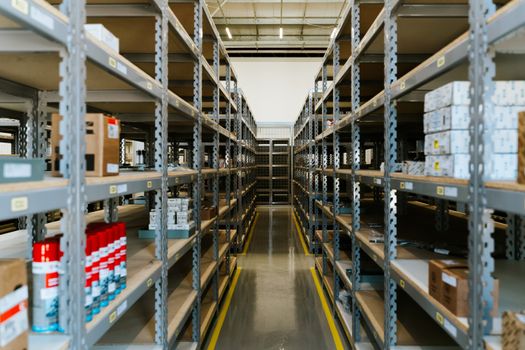
Wide view of an organized industrial warehouse with metal shelving and stored merchandise. Photo: Daniel Andraski / Pexels
Navigating the landscape of warehouse management system cost can be fraught with pitfalls if not approached carefully. Avoiding these common mistakes and adopting best practices will significantly improve your chances of a successful and cost-effective WMS implementation. **Common Pitfalls:** * **Underestimating Implementation Complexity:** Many companies focus solely on software costs, overlooking the extensive time, resources, and potential external consultant fees required for proper configuration, data migration, and integration. * **Ignoring User Training:** Skimping on comprehensive user training leads to low adoption rates, inefficient use of the system, and increased operational errors, ultimately negating potential cost savings. * **Over-Customization:** While specific needs exist, excessive customization of an out-of-the-box WMS can significantly increase development costs, complicate future upgrades, and make the system harder to maintain. * **Lack of Internal Stakeholder Buy-in:** Without strong commitment from all levels of the organization, resistance to change can derail implementation, leading to delays and increased project costs. * **Neglecting Ongoing Support and Maintenance:** Failing to budget for recurring support contracts, software updates, and potential internal IT resources means you're unprepared for issues and miss out on critical enhancements. * **Poor Data Quality:** Migrating dirty or inaccurate data to a new WMS will propagate problems, leading to errors, inefficiencies, and the need for costly data cleansing post-implementation. **Best Practices for Cost Management:** * **Conduct a Thorough Needs Analysis:** Clearly define your current pain points and future requirements before evaluating solutions. This prevents overbuying and ensures the WMS aligns with your operational goals. * **Request Detailed Quotes:** Insist on granular breakdowns of all costs: software licenses/subscriptions, implementation services, training, hardware, integration, and ongoing support. * **Prioritize Standard Functionality:** Leverage as much of the WMS's out-of-the-box functionality as possible. Only customize when absolutely necessary and when the ROI clearly justifies the additional expense. * **Invest in Comprehensive Training:** Allocate sufficient budget and time for thorough training for all users. This ensures efficient system utilization and maximizes productivity gains. * **Plan for Data Migration:** Develop a robust data migration strategy, including data cleansing and validation, to ensure accurate and reliable information in the new system. * **Establish Clear KPIs for ROI Measurement:** Define quantifiable metrics (e.g., labor reduction, inventory accuracy, order cycle time) before implementation to track and demonstrate the financial benefits of the WMS. * **Consider a Phased Rollout:** For larger or more complex operations, a phased implementation can help manage risk, control costs, and allow teams to adapt gradually. * **Negotiate Support Contracts:** Review support agreements carefully. Understand what's covered, response times, and renewal terms to avoid unexpected charges. By proactively addressing these areas, businesses can significantly mitigate risks, control their warehouse management system cost, and unlock the full potential of their investment.

Comparison

FeatureCloud-Based (SaaS) WMSOn-Premise WMSHybrid WMS
Upfront CostLowHighMedium
Recurring CostsSubscription FeesMaintenance/UpgradesMixed (Subscription + IT)
IT InfrastructureVendor ManagedCustomer ManagedShared/Mixed
ScalabilityHigh (Easy)Medium (Hardware upgrades)High (Flexible)
CustomizationLimited to ModerateHighModerate to High
Implementation TimeFasterSlowerModerate
Control over DataVendor ControlledCustomer ControlledShared Control
Security ResponsibilityVendorCustomerShared
Best ForSMBs, rapid deploymentLarge enterprises, specific needsCompanies needing flexibility

What Readers Say

"We were initially worried about the warehouse management system cost for our growing e-commerce business. The cloud-based solution we chose has proven incredibly efficient, reducing our picking errors by 30% and significantly cutting labor costs in the first year. The ROI is undeniable."

Sarah J. · Dallas, TX

"Our on-premise WMS was a larger upfront investment, but the level of customization and control it offers for our complex manufacturing logistics is invaluable. We've optimized our inventory turns and reduced carrying costs, directly impacting our bottom line."

Mark T. · Chicago, IL

"The implementation cost was a concern, but by working closely with our vendor, we managed to phase out the rollout and spread the expense. Our improved order accuracy and faster fulfillment times have already offset a significant portion of the warehouse management system cost."

Emily R. · Atlanta, GA

"While the monthly subscription for our SaaS WMS is manageable, we did incur some unexpected costs for integrating it with our older ERP system. Still, the gains in operational visibility and reduced shipping errors make it a worthwhile investment for our distribution center."

David L. · Los Angeles, CA

"Our WMS purchase was driven by the need to scale. Understanding the total warehouse management system cost upfront, including training and support, helped us budget effectively. We're now processing 50% more orders with the same headcount, a massive win for our business."

Jessica M. · New York, NY

Frequently Asked Questions

What is the average warehouse management system cost for a small to medium-sized business?

For small to medium-sized businesses (SMBs), a cloud-based WMS can range from $5,000 to $30,000 annually in subscription fees, plus implementation costs. On-premise solutions typically start at $50,000 to $150,000 for software licenses, with additional significant costs for hardware, implementation, and ongoing maintenance.

Are there hidden costs I should be aware of when budgeting for a WMS?

Yes, absolutely. Hidden costs often include data migration, system customization, integration with other software (like ERPs), extensive user training, ongoing support contracts, and potential hardware upgrades. Always request a detailed cost breakdown from vendors to avoid surprises.

How does a cloud-based WMS compare to an on-premise WMS in terms of cost?

Cloud-based (SaaS) WMS generally has lower upfront costs, as you pay a recurring subscription fee instead of a large software license purchase. On-premise WMS requires a higher initial capital expenditure for licenses, servers, and IT infrastructure, but may have lower long-term recurring software costs, though IT maintenance remains.

What factors most influence the overall warehouse management system cost?

Key factors include the size and complexity of your warehouse operations, the number of users, the specific modules and features required, the chosen deployment model (cloud vs. on-premise), the level of customization needed, and the extent of integration with existing systems.

How can I calculate the ROI for my WMS investment?

To calculate WMS ROI, identify quantifiable benefits such as reduced labor costs (due to efficiency gains), improved inventory accuracy (less shrinkage, fewer stockouts), faster order fulfillment, and decreased operational errors. Compare these savings and revenue gains against the total cost of ownership (TCO) of the WMS over a defined period (e.g., 3-5 years).

Who should consider investing in a WMS despite the cost?

Any business struggling with inventory accuracy, slow order fulfillment, high labor costs in the warehouse, frequent shipping errors, or lacking real-time visibility into their stock should consider a WMS. It's particularly beneficial for companies experiencing growth, managing complex SKUs, or operating multiple distribution centers.

What are the security implications related to WMS cost, especially for cloud solutions?

For cloud-based WMS, security responsibilities largely lie with the vendor, meaning their infrastructure, certifications, and data protection measures are critical. This is factored into the subscription cost. For on-premise, your internal IT team is responsible for securing your servers and data, which incurs internal labor and hardware security costs.

What are future trends that might impact warehouse management system cost?

Future trends include increased adoption of AI and machine learning for predictive analytics and optimization, greater integration with robotics and IoT devices, and continued evolution of SaaS models towards more flexible, consumption-based pricing. These innovations could lead to higher initial feature costs but potentially greater long-term efficiency gains.

Understanding the true warehouse management system cost is the first step towards a successful logistics transformation. By meticulously analyzing your needs, comparing options, and accounting for all expenses, you can make an informed decision that drives efficiency, reduces operational costs, and delivers a compelling return on investment for your business. Don't let the initial price tag deter you; focus on the long-term value and strategic advantages a well-chosen WMS can provide.

Topics: warehouse management system costWMS pricinglogistics software costinventory management system costsupply chain technology investment
Leo List
Brampton weed
Adultwork EstrelaBet Vai de Bet R7 Bet Betão Galera Bet Rainbet Bet9ja Shop SportyBet BetKing Sisal Loto Foot Hollywoodbets YesPlay Odibets RushBet Jugabet BetWarrior BetCity MSport betPawa Fortebet