Top Cold Chain Logistics Companies: Your Guide to Temperature-Controlled Shipping
Navigate the complex world of cold chain logistics to protect your sensitive cargo and ensure regulatory compliance.
Find Your Cold Chain PartnerKey Takeaways
- ✓ The global cold chain logistics market is projected to reach over $500 billion by 2027.
- ✓ Pharmaceuticals and food products account for over 70% of cold chain demand.
- ✓ Temperature excursions can lead to product spoilage, regulatory fines, and brand damage.
- ✓ Advanced telematics and IoT are revolutionizing real-time temperature monitoring in transit.
How It Works
Companies analyze cargo type, temperature requirements, transit time, and regulatory compliance. This involves selecting appropriate packaging and transport modes.
Goods are packed using insulated containers, gel packs, dry ice, or phase change materials. Pallets are pre-conditioned to the required temperature before loading.
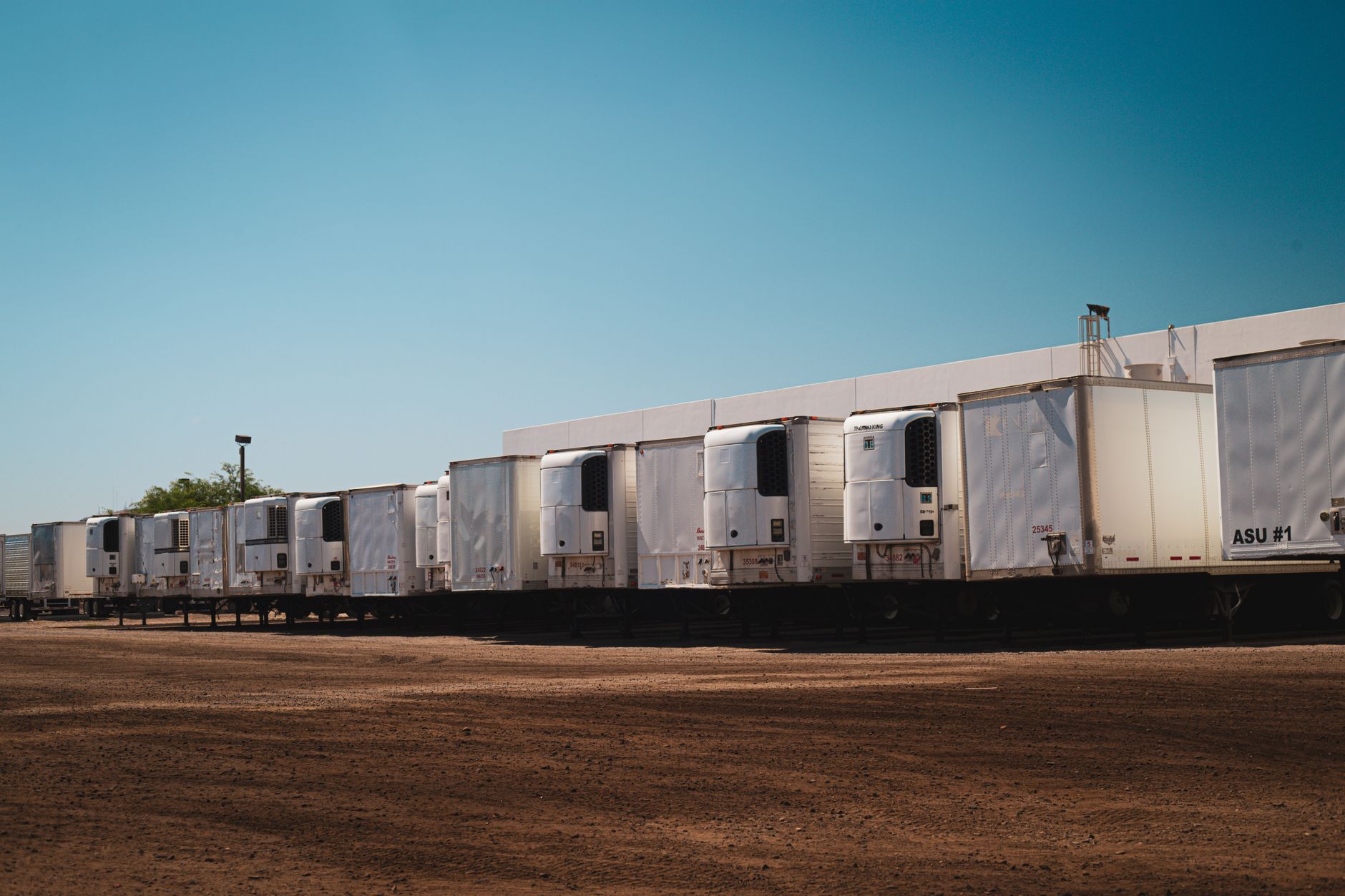
Cargo is loaded into refrigerated trucks, reefers, or specialized air/ocean containers. Real-time monitoring systems track temperature, humidity, and location.
Products are stored in temperature-controlled warehouses and distributed through a network of cold chain facilities. Last-mile delivery maintains critical temperature until arrival.
Understanding the Vital Role of Cold Chain Logistics Companies
 Photo: MART PRODUCTION / Pexels
Key Services Offered by Leading Cold Chain Logistics Companies
 Photo: Ivan Babydov / Pexels
Choosing the Right Cold Chain Partner: Factors to Consider
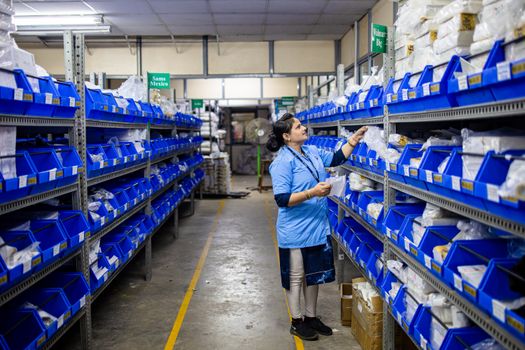 Photo: EqualStock IN / Pexels
Avoiding Common Pitfalls in Cold Chain Management & Best Practices
 Photo: Tom Jackson / Pexels
Comparison
| Feature | Specialized Pharma Cold Chain | General Food Cold Chain | Hybrid/Multi-Sector Provider |
|---|---|---|---|
| Regulatory Focus | GDP, FDA, WHO (Strict) | USDA, HACCP, FSMA (Moderate) | Varies by sector, often dual compliant |
| Temperature Range | Ultra-low (-80°C), -20°C, 2-8°C, 15-25°C | -18°C, 0-4°C, 2-8°C | Broadest, customizable |
| Monitoring Technology | Advanced IoT, real-time, validation | Standard data loggers, GPS | Advanced, adaptable to cargo |
| Packaging Expertise | Validated thermal shippers, PCMs, dry ice | Insulated containers, gel packs | Wide range, custom solutions |
| Network Density (US) | Strategic hubs near pharma centers | Widespread, near agricultural/consumer hubs | Optimized for diverse routes |
| Risk Management | Extensive, redundancy, contingency plans | Standard, some backup | Robust, tailored to risk |
What Readers Say
"Our biotech firm relies heavily on precise temperature control for our clinical trial samples. The cold chain logistics companies we partnered with ensured every shipment arrived perfectly, maintaining the exact 2-8°C range. Their real-time monitoring gave us complete peace of mind, preventing any costly deviations."
Dr. Elena Rodriguez · Boston, MA"As a gourmet food distributor, the freshness of our products is paramount. Our chosen cold chain provider has consistently delivered our exotic fruits and specialty cheeses across the country in pristine condition, exceeding our expectations for quality and punctuality."
Mark Chen · San Francisco, CA"We reduced our spoilage rates by 15% after switching to a dedicated cold chain logistics company. Their expertise in ultra-low temperature shipping for our vaccine components was invaluable, directly impacting our production efficiency and reducing waste."
Sarah Miller · Dallas, TX"While the service from our cold chain partner is generally excellent, I'd appreciate more proactive communication during unexpected weather delays. Their temperature control is flawless, but better real-time updates on route changes would enhance our planning."
David Lee · Atlanta, GA"Managing returns of temperature-sensitive medical devices was a headache until we found a cold chain logistics company that specializes in reverse logistics. They've streamlined the entire process, ensuring compliance and product integrity even for returned goods."
Jessica White · Seattle, WAFrequently Asked Questions
What are the primary industries that rely on cold chain logistics companies?
The primary industries are pharmaceuticals, biotechnology, food and beverage (including fresh produce, dairy, frozen goods), chemicals, and floriculture. Any product sensitive to temperature fluctuations during storage and transit requires cold chain expertise to maintain its quality, efficacy, and safety.
How do cold chain logistics companies ensure product integrity during power outages?
Reputable cold chain logistics companies employ multiple layers of redundancy. This includes backup generators for warehouses, refrigerated trucks with independent power sources, and thermal packaging solutions (like dry ice or phase change materials) that can maintain temperatures for extended periods, even without active refrigeration. Contingency plans are always in place.
How can I track the temperature of my shipment in real-time?
Most leading cold chain logistics companies provide advanced real-time monitoring solutions. This typically involves IoT sensors placed within the shipment that continuously record temperature, humidity, and location data. This data is transmitted wirelessly to a cloud-based platform, accessible to clients via a web portal or mobile app, often with customizable alert notifications.
What is the typical cost structure for cold chain logistics services?
The cost structure for cold chain logistics is highly variable, depending on factors such as cargo type, required temperature range, volume, distance, mode of transport, and value-added services (e.g., specialized packaging, customs clearance). It's generally higher than standard logistics due to specialized equipment, energy consumption, and compliance requirements. Requesting detailed quotes is essential.
What's the difference between 'cold chain' and 'refrigerated transport'?
Refrigerated transport refers specifically to the use of refrigerated vehicles for shipping. Cold chain is a much broader concept, encompassing all aspects of maintaining a controlled temperature environment for a product, from manufacturing and storage to transportation and last-mile delivery. It includes specialized packaging, warehousing, monitoring, and compliance throughout the entire supply chain, not just the transport segment.
Who should use cold chain logistics companies?
Any business that manufactures, distributes, or sells products that are sensitive to temperature changes and could be compromised by thermal excursions should utilize cold chain logistics companies. This includes pharmaceutical manufacturers, clinical research organizations, food producers and distributors, chemical companies, and even some high-value electronics or artwork distributors.
What are the biggest risks in cold chain operations?
The biggest risks include temperature excursions (deviations from the required range), equipment failure (refrigeration units), human error (improper handling or loading), natural disasters, and regulatory non-compliance. Each of these can lead to product spoilage, financial loss, and severe damage to reputation or public health.
How are cold chain logistics companies adapting to future trends?
Cold chain logistics companies are rapidly adopting AI for predictive analytics, optimizing routes and anticipating risks; blockchain for enhanced traceability and transparency; sustainable practices like electric vehicles and eco-friendly refrigerants; and advanced robotics and automation in warehouses to improve efficiency and reduce human intervention in controlled environments.
Protect your critical, temperature-sensitive products and ensure seamless delivery with the right partner. Explore leading cold chain logistics companies today to secure your supply chain and maintain product integrity from end to end.