
Mastering US Supply Chains with Third Party Logistics Providers USA
third party logistics providers usa

Mastering US Supply Chains with Third Party Logistics Providers USA

Navigate the complexities of American logistics with expert 3PL partners, transforming your operational efficiency and market reach.

Find Your 3PL Partner

Key Takeaways

  • ✓ The US 3PL market is projected to reach over $300 billion by 2027, highlighting its significant growth and importance.
  • ✓ Over 75% of Fortune 500 companies utilize 3PL services to manage their complex supply chains.
  • ✓ 3PLs often reduce logistics costs by 10-30% for businesses, improving profitability and competitiveness.
  • ✓ E-commerce growth has significantly amplified the demand for advanced 3PL capabilities, including last-mile delivery and reverse logistics.

How It Works

1
Needs Assessment & Strategy Development

Businesses collaborate with prospective 3PLs to analyze current logistics operations, identify pain points, and define strategic goals. This involves understanding product types, volume, geographic reach, and specific service requirements.

2
Solution Design & Implementation

The 3PL designs a customized logistics solution, encompassing warehousing, transportation, technology integration, and labor planning. Once approved, the implementation phase begins, including facility setup, system integration, and staff training.

3
Ongoing Operations Management

The 3PL takes over the day-to-day management of logistics activities, including inventory management, order fulfillment, shipping, and returns. Performance is continuously monitored against agreed-upon KPIs, ensuring smooth and efficient operations.

4
Performance Review & Optimization

Regular business reviews are conducted to assess performance, identify areas for improvement, and adapt strategies to changing market conditions or business needs. This iterative process ensures continuous optimization and value delivery.

The Indispensable Role of Third Party Logistics Providers in the USA
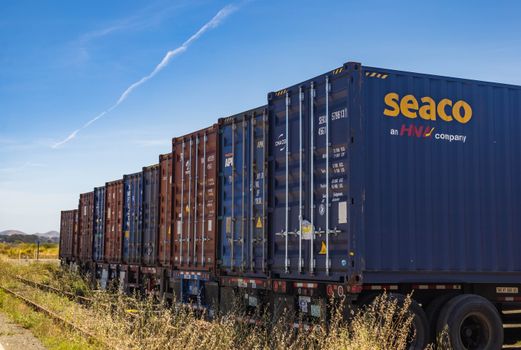
Row of vibrant cargo containers on train tracks under a clear blue sky. Photo: Robert So / Pexels
In today's hyper-competitive and interconnected global marketplace, the efficiency and reliability of a company's supply chain can be the ultimate differentiator. For businesses operating within or targeting the vast and diverse American market, managing logistics internally can quickly become a monumental challenge, consuming significant resources, capital, and expertise. This is where third party logistics providers USA step in, offering a strategic partnership that transcends mere outsourcing of shipping. A 3PL, or Third Party Logistics provider, is a company that provides outsourced logistics services to clients, covering everything from warehousing to transportation, cross-docking, inventory management, packaging, and freight forwarding. In the US, the scale and complexity of the logistics landscape, characterized by its immense geographical spread, varied regulatory environments across states, and a highly demanding consumer base, make 3PLs not just a convenience, but often a necessity for sustained growth and profitability. They bring specialized knowledge, advanced technology, and extensive networks that most individual companies cannot replicate on their own. The core value proposition of a 3PL lies in its ability to streamline operations, reduce costs, and enhance service levels. By leveraging economies of scale, 3PLs can negotiate better rates with carriers, optimize routes, and manage warehousing more efficiently than a single business. Furthermore, they invest heavily in cutting-edge logistics technology, such as Warehouse Management Systems (WMS), Transportation Management Systems (TMS), and advanced analytics platforms, which provide real-time visibility and control over the entire supply chain. This technological edge allows businesses to make data-driven decisions, anticipate disruptions, and respond swiftly to market changes. For small to medium-sized enterprises (SMEs), partnering with a 3PL democratizes access to world-class logistics infrastructure and expertise, enabling them to compete effectively with larger corporations. For larger enterprises, 3PLs offer the flexibility to scale operations up or down rapidly, adapt to seasonal demand fluctuations, and focus their internal resources on core competencies like product development and marketing. The strategic decision to engage with third party logistics providers USA is increasingly recognized as a pivotal move towards achieving operational excellence and securing a competitive advantage in the dynamic American market. This partnership frees businesses from the capital expenditure associated with owning and maintaining logistics assets, allowing for greater financial agility and investment in other growth areas. Understanding the nuances of logistics outsourcing is crucial for any business looking to thrive in the US.

Key Services Offered by Leading 3PLs in the USA
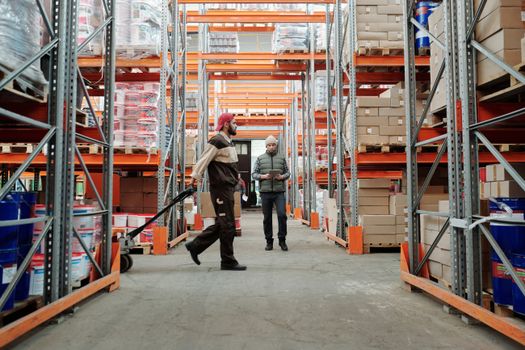
Two workers manage inventory in a spacious warehouse aisle. Photo: Tiger Lily / Pexels
The spectrum of services offered by third party logistics providers USA is broad and constantly evolving to meet diverse business needs. While the foundational services revolve around storage and movement of goods, modern 3PLs provide integrated solutions that cover almost every aspect of the supply chain. At the heart of 3PL operations is warehousing and distribution. This includes secure storage facilities, climate-controlled environments for sensitive products, and sophisticated inventory management systems that track goods from inbound receipt to outbound shipment. Many 3PLs operate strategically located distribution centers across the US, enabling faster delivery times and reduced transportation costs. Beyond mere storage, they often provide value-added warehousing services such as kitting, assembly, labeling, and specialized packaging, tailoring products for specific markets or customers. Transportation management is another critical offering. 3PLs manage various modes of transport, including full truckload (FTL), less-than-truckload (LTL), intermodal, air freight, and ocean freight, both domestically and internationally. They possess the expertise to optimize routes, consolidate shipments, and select the most cost-effective and time-efficient carriers. This often involves leveraging their strong relationships with a vast network of carriers, which can lead to significant freight cost savings for their clients. For e-commerce businesses, order fulfillment services are paramount. This encompasses everything from receiving online orders, picking and packing items, to shipping directly to the end consumer. Many 3PLs offer advanced e-commerce fulfillment solutions, including integration with various online sales platforms, expedited shipping options, and handling of peak season volumes. Furthermore, modern 3PLs are increasingly specializing in reverse logistics, managing product returns, repairs, and recycling, which is crucial for customer satisfaction and sustainability. Customs brokerage and compliance are also vital for businesses engaged in international trade, where 3PLs navigate complex import/export regulations and paperwork. The integration of advanced technology, such as AI-powered forecasting, blockchain for supply chain transparency, and robotics in warehouses, allows these providers to offer unparalleled efficiency and data insights. These technologies empower businesses with real-time visibility into their inventory and shipments, enabling proactive decision-making and improved customer communication. The ability of third party logistics providers USA to offer such a comprehensive suite of services makes them indispensable partners for businesses aiming to optimize their supply chain performance and expand their market reach across the American landscape.

Choosing the Right Third Party Logistics Provider in the US Market
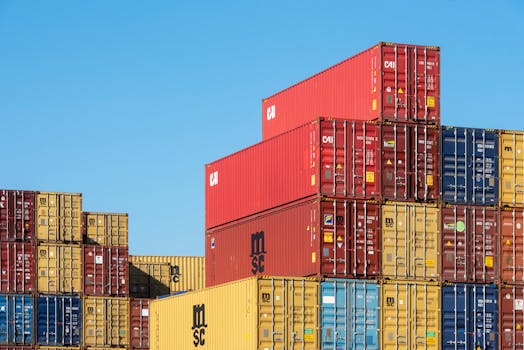
A vibrant collection of stacked shipping containers under a clear, blue sky. Ideal for logistic themes. Photo: Jan van der Wolf / Pexels
Selecting the ideal third party logistics provider USA is a strategic decision that can significantly impact a company's operational efficiency, customer satisfaction, and bottom line. It's not merely about finding the cheapest option, but rather identifying a partner whose capabilities, values, and technological infrastructure align with your business goals. The process typically begins with a thorough assessment of your own logistics needs and challenges. Consider your product type, volume, seasonality, geographic footprint, specific delivery requirements (e.g., cold chain, hazardous materials), and your customer service expectations. This internal audit will help you articulate clear criteria for potential 3PL partners. Next, research potential providers. Look for 3PLs with a proven track record in your industry or with similar product types. Experience in handling comparable volumes and complexities is a strong indicator of their capability. Evaluate their geographic coverage within the US; do they have strategically located warehouses and distribution hubs that can efficiently serve your customer base? Technology is a critical differentiator. A top-tier 3PL should offer robust Warehouse Management Systems (WMS), Transportation Management Systems (TMS), and seamless integration capabilities with your existing ERP or e-commerce platforms. Real-time visibility, reporting, and analytics are essential for informed decision-making. Don't overlook their financial stability and reputation; you want a partner who will be around for the long haul and who operates with integrity. Request client references and case studies to understand their past performance and client satisfaction levels. Communication and cultural fit are also paramount. A strong partnership is built on transparent communication, responsiveness, and a shared understanding of objectives. During the evaluation process, pay attention to their customer service, the clarity of their proposals, and their willingness to customize solutions. Finally, scrutinize the contract carefully. Understand the pricing structure, service level agreements (SLAs), and terms for scalability and flexibility. A good 3PL partner should be able to adapt to your evolving business needs. By meticulously evaluating these factors, businesses can forge a powerful alliance with third party logistics providers USA, transforming their supply chain into a competitive advantage. Effective supply chain management hinges on this critical partnership, ensuring smooth operations and satisfied customers.

Common Pitfalls and Best Practices When Partnering with US 3PLs
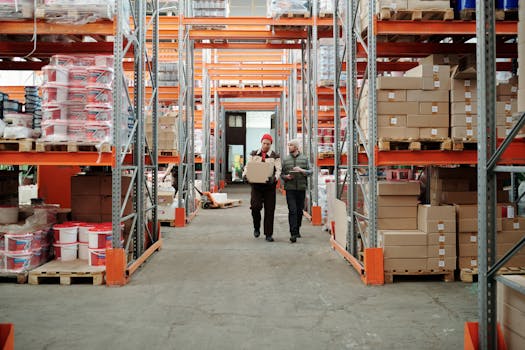
Two workers handle a package in a spacious warehouse surrounded by shelves stocked with boxes and products. Photo: Tiger Lily / Pexels
While the benefits of partnering with third party logistics providers USA are substantial, businesses must be aware of potential pitfalls and adopt best practices to ensure a successful collaboration. Avoiding these common mistakes can save significant time, money, and frustration. **Common Pitfalls:** * **Lack of Clear Communication:** Failing to clearly define expectations, KPIs, and communication protocols can lead to misunderstandings and service failures. Ambiguity in contracts or during day-to-day operations is a recipe for disaster. * **Underestimating Integration Needs:** Assuming seamless integration of systems (WMS, TMS, ERP) without proper planning and testing can cause significant delays and operational disruptions. Data transfer and compatibility are crucial. * **Ignoring Scalability:** Choosing a 3PL that cannot scale with your business growth or adapt to seasonal fluctuations will quickly become a bottleneck, hindering expansion and customer satisfaction. * **Focusing Solely on Price:** While cost is a factor, prioritizing the cheapest option over service quality, technological capability, and cultural fit often leads to hidden costs, service issues, and ultimately, a more expensive outcome. * **Insufficient Due Diligence:** Not thoroughly vetting a 3PL's financial stability, reputation, and client references can expose your business to unnecessary risks. **Best Practices:** * **Define Clear KPIs and SLAs:** Establish measurable performance indicators (e.g., on-time delivery, order accuracy, inventory turns) and service level agreements (SLAs) from the outset. Regularly review these to ensure accountability. * **Invest in Robust Technology Integration:** Prioritize 3PLs that offer advanced, flexible technology and dedicate resources to a smooth integration process. Ensure data security and real-time visibility are paramount. * **Foster a Collaborative Partnership:** Treat your 3PL as an extension of your own team. Regular communication, joint problem-solving, and shared goals build a stronger, more effective partnership. * **Conduct Regular Performance Reviews:** Schedule frequent business reviews to discuss performance, address issues, and explore opportunities for continuous improvement and innovation. * **Maintain Flexibility in Contracts:** Structure contracts to allow for reasonable flexibility, enabling adjustments to service levels or terms as your business needs evolve. Avoid overly rigid, long-term agreements that don't account for change. * **Start Small, Scale Up:** For new partnerships, consider a phased approach. Start with a specific product line or region, evaluate performance, and then gradually expand the scope of services. This allows both parties to build trust and refine processes.

Comparison

FeatureLarge Enterprise 3PLMid-Market Specialist 3PLNiche E-commerce 3PL
Target Client SizeLarge corporations, global brandsGrowing SMEs, regional businessesOnline retailers, DTC brands
Service ScopeGlobal, multi-modal, complex supply chainsComprehensive US coverage, tailored solutionsE-commerce fulfillment, last-mile, returns
Technology StackAdvanced WMS/TMS, AI, robotics, custom integrationRobust WMS/TMS, API integration, analyticsE-commerce platform integration, real-time tracking
Flexibility/Scalability✓ (High capacity, but slower to adapt)✓ (Responsive, adaptable to growth)✓ (Excellent for seasonal peaks)
Cost StructureHigher base costs, economies of scale for volumeCompetitive, value-driven pricingTransaction-based, variable costs
Key DifferentiatorGlobal reach, comprehensive integration, risk managementPersonalized service, regional expertise, efficiencySpeed, accuracy, customer experience for online orders

What Readers Say

"Partnering with our third party logistics provider in the USA transformed our distribution. We saw a 20% reduction in shipping costs and significantly faster delivery times to our East Coast customers. Their WMS integration was seamless."

Sarah Chen · Los Angeles, CA

"As an e-commerce business, finding reliable third party logistics providers USA was crucial. Our 3PL handles all our fulfillment, allowing us to focus on marketing and product development. Their order accuracy is consistently above 99%."

Mark Johnson · Dallas, TX

"We expanded into the US market and our 3PL partner was instrumental. They managed all customs and compliance, set up our warehousing, and within six months, we had a fully operational supply chain, exceeding our initial sales targets."

Emily Rodriguez · Miami, FL

"Our experience with third party logistics providers USA has been largely positive. While there were initial hiccups with system integration, their dedicated account manager quickly resolved issues, and we've seen a marked improvement in our inventory management."

David Lee · Chicago, IL

"For our cold chain products, finding specialized third party logistics providers USA was non-negotiable. Our chosen 3PL provides exceptional temperature-controlled storage and transportation, ensuring product integrity from warehouse to customer."

Jessica Brown · Seattle, WA

Frequently Asked Questions

What is the primary benefit of using third party logistics providers USA?

The primary benefit is enhanced operational efficiency and cost reduction. 3PLs leverage their expertise, technology, and economies of scale to streamline warehousing, transportation, and fulfillment, allowing businesses to focus on core competencies, reduce capital expenditure, and achieve faster, more reliable delivery across the vast US market.

Are 3PL services only for large corporations in the US?

Absolutely not. While large corporations extensively use 3PLs, small to medium-sized enterprises (SMEs) in the US can derive immense benefits. 3PLs provide SMEs access to advanced logistics infrastructure and technology that would otherwise be cost-prohibitive, enabling them to compete effectively and scale operations without significant upfront investment.

How do I integrate my existing systems with a 3PL's platform?

Most reputable third party logistics providers USA offer robust integration capabilities. This typically involves API (Application Programming Interface) connections between your ERP, e-commerce platform, or order management system and their WMS/TMS. The 3PL's IT team will usually guide you through the setup, ensuring seamless data flow for orders, inventory, and shipping updates.

What is the typical cost structure for 3PL services in the USA?

3PL cost structures vary widely depending on the services used, volume, and complexity. Common models include transaction-based fees (per pick, per shipment), storage fees (per pallet, per square foot), and management fees. Some may offer bundled pricing. It's crucial to get a detailed breakdown and understand all potential charges before signing a contract.

How do US 3PLs handle reverse logistics and product returns?

Leading third party logistics providers USA offer comprehensive reverse logistics services. This includes receiving returned items, inspecting them, restocking viable products, performing minor repairs, or coordinating disposal/recycling. They aim to efficiently process returns to minimize loss and optimize customer satisfaction, often integrating with your returns management software.

Who should consider using third party logistics providers USA?

Any business that ships products, regardless of size, can benefit. This includes e-commerce businesses needing fulfillment, manufacturers requiring warehousing and distribution, retailers expanding their reach, and companies experiencing rapid growth or seasonal fluctuations. If logistics is consuming too much time, money, or internal resources, a 3PL is a strong consideration.

What are the risks associated with outsourcing to a 3PL in the US?

Risks include potential loss of direct control over logistics, dependence on the 3PL's performance, and data security concerns. Mitigating these involves thorough due diligence, clear contractual agreements with strong SLAs, robust technology integration, and maintaining open, transparent communication with your chosen third party logistics provider USA.

How are third party logistics providers USA adapting to future trends?

US 3PLs are rapidly adopting AI for demand forecasting and route optimization, robotics and automation in warehouses, blockchain for supply chain transparency, and sustainable logistics practices. They are also heavily investing in last-mile delivery solutions and personalized fulfillment to meet evolving customer expectations in the e-commerce era.

Ready to revolutionize your supply chain and unlock unparalleled efficiency across the American market? Explore the strategic advantages of partnering with expert third party logistics providers USA today. Find the perfect partner to elevate your operations, reduce costs, and delight your customers.

Topics: third party logistics providers usa3PL services USsupply chain optimization USAlogistics outsourcing Americawarehousing and distribution US
Leo List
Brampton weed
Adultwork EstrelaBet Vai de Bet R7 Bet Betão Galera Bet Rainbet Bet9ja Shop SportyBet BetKing Sisal Loto Foot Hollywoodbets YesPlay Odibets RushBet Jugabet BetWarrior BetCity MSport betPawa Fortebet