✓ Technology, like AI and IoT, is rapidly transforming modern logistics.
How It Works
1
Sourcing Raw Materials
This initial stage involves identifying and acquiring the necessary raw materials or components from suppliers. It's crucial for quality control and cost efficiency right from the start.
2
Manufacturing & Production
Once materials are sourced, they move into the manufacturing phase where they are transformed into finished products. Efficient production planning minimizes waste and maximizes output.
3
Warehousing & Inventory Management
Finished goods are stored in warehouses awaiting distribution, requiring meticulous inventory management. This step balances storage costs with the need to meet customer demand promptly.
4
Distribution & Delivery
The final leg involves transporting products from warehouses to retailers or directly to consumers. This includes selecting optimal routes, modes of transport, and last-mile delivery strategies.
Understanding the Core Components of Supply Chain Logistics
Photo: Ollie Craig / Pexels
To truly grasp what supply chain logistics explained entails, one must first dissect its fundamental components. At its heart, supply chain logistics is the intricate orchestration of resources, information, and finances as they move from the point of origin to the point of consumption. It’s far more than just moving goods; it’s about strategic planning, meticulous execution, and continuous optimization. Think of it as the circulatory system of commerce, where every vein and artery must function perfectly for the entire organism to thrive. This vast discipline encompasses a myriad of activities, each critical to the seamless flow of products and services.
Firstly, there's the element of planning. This isn't merely about forecasting demand, but also about strategic sourcing, network design, and capacity planning. Businesses must anticipate customer needs, identify reliable suppliers, and design efficient distribution networks that can scale with demand. Without robust planning, even the most advanced logistical operations can falter. Secondly, procurement plays a pivotal role. This involves the acquisition of goods, services, or works from an external source, often through a tendering or competitive bidding process. Effective procurement ensures that the right materials are obtained at the right price, at the right time, and in the right quantity, directly impacting production costs and product quality.
Next, manufacturing and operations form the core where raw materials are transformed into finished products. This stage requires efficient production scheduling, quality control, and lean manufacturing principles to minimize waste and maximize output. The efficiency here directly affects lead times and product availability. Following manufacturing, warehousing and storage become critical. Modern warehousing is not just about holding inventory; it’s about strategic placement, efficient picking and packing, and leveraging automation to improve speed and accuracy. Inventory management, a subset of warehousing, is about balancing the costs of holding inventory against the risks of stockouts, ensuring products are available when and where customers need them without excessive capital tied up in stock.
Finally, transportation and distribution are perhaps the most visible aspects of logistics. This involves the physical movement of goods using various modes – road, rail, air, and sea – across geographical distances. Choosing the optimal mode, route, and carrier is vital for cost-effectiveness and timely delivery. Last-mile delivery, the final leg of the journey to the customer’s doorstep, has become particularly significant in the age of e-commerce, demanding innovative solutions for speed and customer satisfaction. Reverse logistics, often overlooked, is also a crucial component, dealing with returns, repairs, and recycling, completing the product lifecycle. Each of these components, while distinct, is intricately linked, forming a holistic system that must be managed with precision and foresight to achieve operational excellence.
The Strategic Importance of Supply Chain Logistics in Modern Business
Photo: Julia Fuchs / Pexels
In today's highly competitive global marketplace, the strategic importance of supply chain logistics extends far beyond mere operational efficiency; it is a fundamental driver of competitive advantage and business resilience. Companies that master their logistics can significantly reduce operating costs, improve customer satisfaction, and respond more agilely to market changes. This strategic imperative is amplified by factors such as globalization, the rise of e-commerce, and increasing customer expectations for speed and transparency. A well-managed supply chain can be the differentiating factor between market leaders and those struggling to keep pace.
One of the most significant strategic benefits is cost reduction. By optimizing transportation routes, consolidating shipments, streamlining warehousing operations, and implementing efficient inventory management, businesses can dramatically lower expenses associated with moving, storing, and managing goods. This isn't just about cutting corners; it's about intelligent resource allocation and process improvement that eliminates waste throughout the entire chain. For instance, just-in-time (JIT) inventory systems, when implemented effectively, can minimize holding costs and reduce the risk of obsolescence, freeing up capital that can be reinvested elsewhere.
Customer satisfaction and loyalty are also directly impacted by the efficacy of supply chain logistics. In an era where consumers expect rapid delivery, accurate order fulfillment, and seamless return processes, a robust logistics network is non-negotiable. Timely deliveries, transparent tracking information, and efficient handling of returns contribute directly to a positive customer experience, fostering trust and repeat business. Conversely, delays, errors, or a cumbersome returns process can quickly erode customer confidence and lead to lost sales.
Furthermore, supply chain logistics plays a critical role in enhancing a company's agility and responsiveness to market fluctuations. Global events, shifts in consumer demand, or unexpected disruptions can pose significant challenges. A resilient supply chain, characterized by diversified sourcing, flexible transportation options, and contingency planning, allows businesses to adapt quickly and mitigate risks. This strategic foresight ensures business continuity and protects revenue streams even in turbulent times. The ability to pivot rapidly, whether to introduce new products or adjust to supply shocks, is a hallmark of a strategically sound logistics operation.
Finally, effective logistics contributes to a company's overall brand reputation and sustainability efforts. Consumers are increasingly valuing ethical sourcing and environmentally friendly practices. A well-managed supply chain can ensure compliance with ethical labor standards, reduce carbon footprint through optimized routes and modes of transport, and facilitate responsible waste management and recycling. This not only enhances brand image but also aligns with corporate social responsibility goals, appealing to a broader base of conscious consumers and investors. Thus, understanding the nuances of supply chain logistics explained is not just an operational necessity but a strategic imperative for long-term success.
Leveraging Technology to Transform Supply Chain Logistics
Photo: Peter Xie / Pexels
The landscape of supply chain logistics is undergoing a profound transformation, largely driven by rapid advancements in technology. From the factory floor to the customer's doorstep, digital innovations are reshaping how goods are moved, tracked, and managed, leading to unprecedented levels of efficiency, visibility, and responsiveness. Understanding how these technologies integrate into and enhance supply chain logistics explained is crucial for any business aiming to stay competitive and future-proof its operations. These tools aren't just incremental improvements; they are fundamentally altering the capabilities and strategic potential of logistics.
One of the most impactful technologies is Artificial Intelligence (AI) and Machine Learning (ML). AI-powered systems can analyze vast datasets to predict demand with greater accuracy, optimize inventory levels, and even forecast potential disruptions before they occur. This predictive capability allows businesses to make proactive decisions, reducing waste, improving resource allocation, and minimizing stockouts. For instance, ML algorithms can analyze historical sales data, weather patterns, and even social media trends to refine demand forecasts, leading to more precise production and distribution plans. This level of insight was previously unattainable, offering a significant competitive edge.
Another game-changer is the Internet of Things (IoT). IoT devices, such as smart sensors embedded in products, vehicles, and warehouses, provide real-time data on location, temperature, humidity, and even potential damage. This continuous stream of information offers unparalleled visibility across the entire supply chain. For example, cold chain logistics benefits immensely from IoT sensors that monitor the temperature of perishable goods during transit, ensuring product integrity and compliance with regulations. This real-time tracking not only enhances transparency but also enables rapid response to unforeseen issues, preventing costly losses. Logistics companies are increasingly adopting these sensors to improve service quality.
Automation and Robotics are revolutionizing warehousing and fulfillment centers. Automated guided vehicles (AGVs), robotic arms, and automated storage and retrieval systems (AS/RS) are performing tasks like picking, packing, and sorting with greater speed, accuracy, and consistency than human labor. This reduces operational costs, minimizes errors, and allows for 24/7 operations, significantly boosting throughput. While the initial investment can be substantial, the long-term benefits in efficiency and scalability are compelling, especially for businesses dealing with high volumes or complex inventory management.
Blockchain technology is also emerging as a powerful tool for enhancing transparency and security within the supply chain. By creating an immutable, distributed ledger of all transactions and movements, blockchain can provide a verifiable record of a product's journey from origin to consumer. This is particularly valuable for tracking ethical sourcing, preventing counterfeiting, and ensuring compliance in industries with strict regulatory requirements. While still in its early stages of adoption within logistics, its potential for building trust and reducing fraud is immense. Together, these technologies are not just optimizing individual processes but creating a more interconnected, intelligent, and resilient supply chain ecosystem.
Common Challenges and Best Practices in Supply Chain Logistics
Photo: Tiger Lily / Pexels
Despite its strategic importance and technological advancements, supply chain logistics is fraught with challenges. Navigating these complexities effectively is paramount for any organization aiming for sustained success. Understanding these hurdles and implementing best practices to overcome them is a critical aspect of mastering what supply chain logistics explained truly means.
**Common Challenges:**
* **Volatility and Uncertainty:** Global events like pandemics, geopolitical tensions, and natural disasters can cause sudden and severe disruptions to supply chains, leading to delays, increased costs, and shortages. Forecasting in such environments becomes incredibly difficult.
* **Rising Transportation Costs:** Fuel price fluctuations, labor shortages (e.g., truck drivers), and increased demand for expedited shipping continually drive up transportation expenses, eating into profit margins.
* **Inventory Management Complexity:** Balancing the desire to minimize holding costs with the need to meet customer demand without stockouts is a perpetual challenge, especially with diverse product portfolios and fluctuating demand.
* **Lack of Visibility:** Many companies struggle with end-to-end visibility across their supply chain, making it difficult to track goods in real-time, identify bottlenecks, or respond quickly to issues.
* **Sustainability Pressures:** Growing consumer and regulatory pressure to adopt environmentally friendly practices adds a layer of complexity, requiring investments in green logistics solutions and ethical sourcing.
* **Talent Shortages:** A lack of skilled professionals in logistics, from data analysts to warehouse managers, can hinder operational efficiency and the adoption of new technologies.
**Best Practices for Optimization:**
* **Embrace Digital Transformation:** Invest in technologies like AI, IoT, and advanced analytics for better forecasting, real-time tracking, and automated processes. This enhances visibility and decision-making.
* **Diversify Your Supply Base:** Reduce reliance on a single supplier or region by establishing relationships with multiple vendors across different geographies. This builds resilience against disruptions.
* **Optimize Transportation Networks:** Continuously analyze and optimize routes, modes of transport, and carrier partnerships. Consider freight consolidation and backhauling to reduce costs and environmental impact.
* **Implement Robust Risk Management:** Develop comprehensive contingency plans for various disruption scenarios, including alternative suppliers, transportation routes, and emergency inventory strategies.
* **Foster Collaboration:** Build strong relationships with suppliers, carriers, and even customers. Information sharing and collaborative planning can lead to more efficient and responsive supply chains.
* **Focus on Sustainability:** Integrate green logistics practices, such as optimizing routes to reduce emissions, using electric vehicles, and exploring sustainable packaging options. This not only improves brand image but can also lead to cost savings in the long run.
* **Invest in Talent Development:** Provide training and development opportunities for logistics professionals to ensure they have the skills needed to manage modern, technology-driven supply chains.
* **Leverage Data Analytics:** Use data to identify inefficiencies, predict trends, and make informed decisions. Performance metrics and KPIs are crucial for continuous improvement.
By proactively addressing these challenges with these best practices, businesses can build more resilient, efficient, and customer-centric supply chains, transforming a complex operational function into a powerful strategic asset.
Comparison
Feature
Traditional Logistics
Modern Supply Chain Logistics
Integrated Digital Logistics
Focus
Movement & Storage
End-to-End Flow & Value
Real-time Optimization & Resilience
Technology Use
Manual/Basic Software
ERP, WMS, TMS
AI, IoT, Blockchain, Robotics
Decision Making
Reactive, Siloed
Proactive, Cross-functional
Predictive, Data-driven
Visibility
Limited
Moderate
End-to-End, Real-time
Risk Management
Basic Contingency
Scenario Planning
Dynamic, Adaptive
Customer Focus
Delivery Timing
Satisfaction & Retention
Personalized Experience
Cost Efficiency
Route Optimization
Process Optimization
System-wide Cost Reduction
What Readers Say
★★★★★
"This article on supply chain logistics explained truly broke down complex concepts into understandable terms. It's incredibly helpful for anyone looking to optimize their business operations and understand the bigger picture."
Sarah J. · Dallas, TX
★★★★★
"As a small business owner, I always found logistics daunting. This guide provided clear insights and actionable strategies that I can immediately apply to improve my inventory and delivery processes. Highly recommend!"
Mark D. · Chicago, IL
★★★★★
"Before reading this, our shipping delays were costing us significant revenue. By implementing just a few of the best practices mentioned in 'supply chain logistics explained', we reduced our average delivery time by 15% and saw a noticeable uptick in customer satisfaction."
Emily R. · Atlanta, GA
★★★★★
"A very thorough explanation of supply chain logistics. While some parts were a bit dense, the comprehensive nature and practical tips for leveraging technology were invaluable for our strategic planning."
David K. · Seattle, WA
★★★★★
"Even from a non-logistics background, this article made the entire supply chain process clear and engaging. It highlighted the importance of each step and how they interconnect, which was a real eye-opener for understanding global commerce."
Jessica L. · Miami, FL
Frequently Asked Questions
What is the primary difference between logistics and supply chain management?
Logistics is primarily concerned with the efficient movement and storage of goods, services, and information within a single company or between points in the chain. Supply chain management is a broader concept that encompasses all activities involved in the flow of goods, including sourcing, procurement, manufacturing, and customer service, integrating multiple companies and processes to create a seamless, end-to-end flow.
How can businesses reduce costs in their supply chain logistics?
Businesses can reduce costs by optimizing transportation routes, consolidating shipments, negotiating better rates with carriers, implementing efficient warehousing and inventory management systems (like just-in-time), and leveraging technology for better forecasting and process automation. Eliminating waste and improving visibility across the chain are key.
What is 'last-mile delivery' in supply chain logistics?
Last-mile delivery refers to the final leg of the delivery process, where goods are transported from a distribution hub or warehouse to the end customer's doorstep. This stage is often the most expensive and time-consuming part of the supply chain, requiring innovative solutions to ensure speed, efficiency, and customer satisfaction, especially in e-commerce.
Is investing in new logistics technology worth the cost for small businesses?
For small businesses, the initial investment in new logistics technology can seem daunting, but it often yields significant long-term value. Technologies like cloud-based TMS or WMS can streamline operations, reduce errors, improve customer satisfaction, and provide data-driven insights that lead to cost savings and competitive advantages, making it a worthwhile strategic expenditure.
How does supply chain logistics compare to traditional distribution?
Traditional distribution primarily focused on physically moving products from manufacturer to retailer, often in a linear fashion. Supply chain logistics, as explained, is a far more integrated and strategic approach, encompassing not just physical movement but also information flow, financial management, risk assessment, and collaboration across all entities from raw material suppliers to end consumers, aiming for overall system optimization and resilience.
Who should be concerned with understanding supply chain logistics explained?
Anyone involved in commerce, from business owners and managers to students and consumers, should understand supply chain logistics. For businesses, it's crucial for profitability and competitiveness. For consumers, it helps appreciate the complexities behind product availability and pricing. Even investors benefit from understanding a company's logistical efficiency.
What are the biggest risks in modern supply chain logistics?
The biggest risks include geopolitical instability, natural disasters, cyberattacks on logistics systems, labor shortages, economic downturns affecting demand, and disruptions from pandemics. These can lead to significant delays, increased costs, and reputational damage. Robust risk management and diversified sourcing are crucial mitigation strategies.
What future trends will impact supply chain logistics?
Future trends include increased automation and robotics, wider adoption of AI and machine learning for predictive analytics, greater emphasis on sustainability and circular economy principles, the rise of blockchain for transparency, and the continued growth of e-commerce driving demand for faster, more personalized delivery options, all contributing to a more intelligent and resilient supply chain.
Ready to transform your operations and gain a competitive edge? Dive deeper into the world of supply chain logistics explained and uncover tailored strategies to optimize your business's flow, reduce costs, and delight your customers. The future of your business depends on mastering these critical connections.
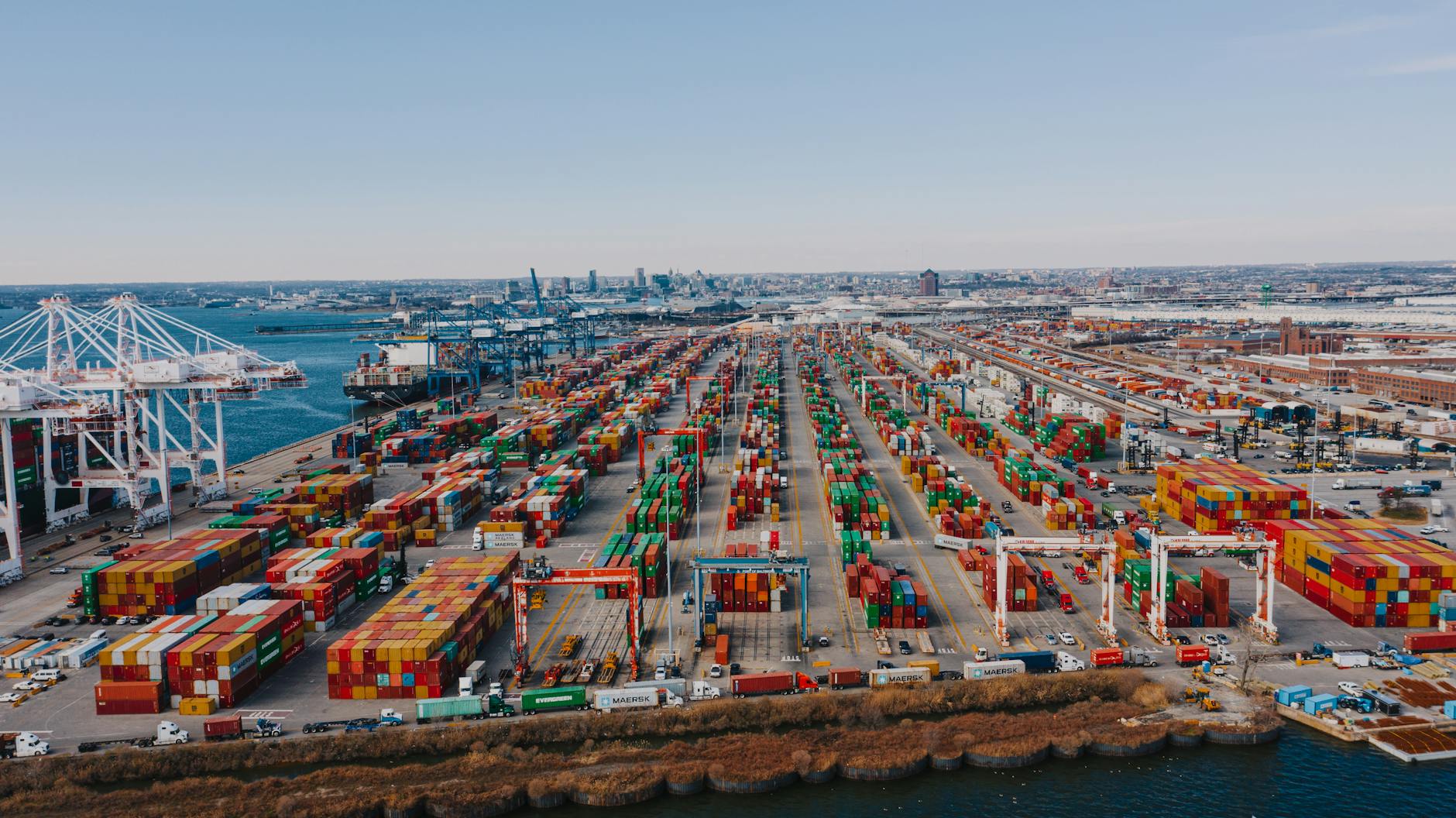
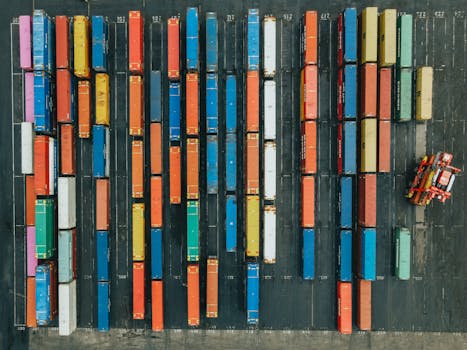 Photo: Ollie Craig / Pexels
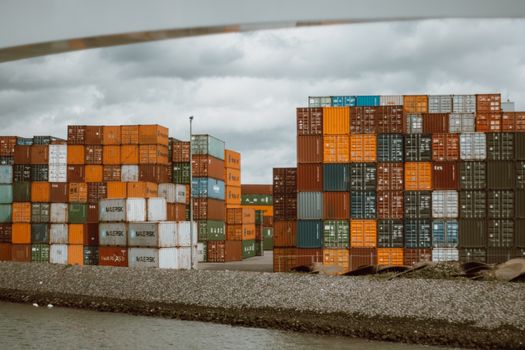 Photo: Julia Fuchs / Pexels
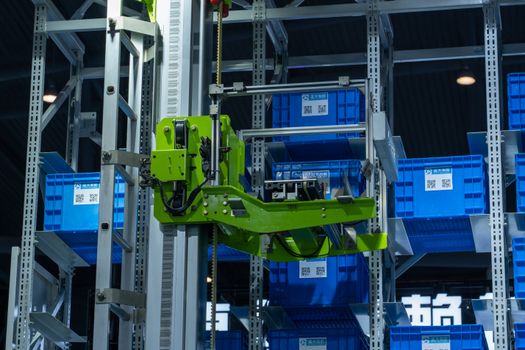 Photo: Peter Xie / Pexels
 Photo: Tiger Lily / Pexels