✓ Reverse logistics accounts for 15-20% of total logistics costs for many businesses.
✓ Effective reverse logistics can boost customer satisfaction by up to 12%.
✓ The e-commerce boom has dramatically increased the volume and complexity of returns.
✓ Sustainability and regulatory compliance are driving innovation in reverse logistics practices.
How It Works
1
Initiation & Authorization
A customer or business initiates a return request. This is then authorized based on company policies, generating a return merchandise authorization (RMA) number.
2
Collection & Transportation
The product is shipped back to a designated return center or warehouse. This step involves selecting the most efficient and cost-effective shipping method.
3
Inspection & Sorting
Upon arrival, items are inspected for condition, defects, and completeness. They are then sorted into categories like 'resellable,' 'repairable,' 'recycle,' or 'dispose.'
4
Disposition & Recovery
Based on the sorting, products are either restocked, sent for repair, refurbished, recycled, or responsibly disposed of. Value recovery is the primary goal here.
Understanding the Core of Reverse Logistics Management
Photo: Tiger Lily / Pexels
In today's dynamic marketplace, particularly with the explosive growth of e-commerce, the flow of goods isn't just one-way. While traditional forward logistics focuses on moving products from manufacturer to consumer, reverse logistics deals with the movement of goods from the consumer back to the manufacturer or another point in the supply chain. This intricate process encompasses a wide array of activities, including returns management, repair and refurbishment, recycling, and even product recalls. Understanding the reverse logistics process explained in detail is no longer a niche concern but a critical component of a comprehensive and sustainable business strategy. It's about recovering value, complying with regulations, and enhancing customer satisfaction. Ignoring this aspect can lead to significant financial losses, environmental waste, and damage to brand reputation.
The scope of reverse logistics is vast and varied, extending beyond simple customer returns. It includes managing unsold inventory from retailers, handling defective or obsolete products, and facilitating the reuse of packaging materials. For businesses, mastering this process translates into tangible benefits: reduced waste, improved resource utilization, and a stronger bottom line. Consider a scenario where a consumer purchases an electronic device online. If the device is faulty or simply doesn't meet expectations, the reverse logistics process kicks in. This involves the customer initiating a return, the product being shipped back, inspected, and then either repaired, replaced, or refunded. Each step requires meticulous planning and execution to ensure efficiency and minimize costs.
Moreover, the environmental impact of products is increasingly under scrutiny. Regulations like the Waste Electrical and Electronic Equipment (WEEE) Directive in Europe, and similar initiatives in the US, mandate responsible disposal and recycling of certain products. This places a significant burden on manufacturers and retailers to establish robust reverse logistics channels that comply with these environmental standards. Beyond compliance, many companies are embracing sustainable practices as a core value, recognizing that responsible product lifecycle management resonates with environmentally conscious consumers. This proactive approach not only mitigates risks but also builds brand loyalty and opens up new market opportunities. The strategic implementation of reverse logistics can transform what was once considered a cost center into a value-generating part of the business. It’s about seeing returns not just as a problem, but as an opportunity for recovery and improvement. Effective logistics management is crucial for both forward and reverse flows.
Key Stages of the Reverse Logistics Process
Photo: cottonbro studio / Pexels
To truly grasp how the reverse logistics process explained works, it's essential to break it down into its fundamental stages. Each stage presents unique challenges and opportunities for optimization. The journey typically begins with the initiation of a return. This could be a customer returning a product, a retailer sending back unsold inventory, or a manufacturer recalling a defective batch. The initial step usually involves authorization, often through a Return Merchandise Authorization (RMA) system, which provides a unique identifier for tracking the item throughout its reverse journey. This authorization is crucial for controlling the flow and ensuring that only eligible items are processed, preventing fraud and unnecessary costs. Without a clear authorization process, companies risk accepting returns that are out of policy, leading to financial losses and operational inefficiencies.
Once authorized, the product enters the collection and transportation phase. This involves arranging for the item to be shipped back to a designated facility, which could be a return center, a repair depot, or a recycling plant. The choice of transportation method and carrier is critical here, as it impacts both cost and speed. Companies often leverage their existing forward logistics networks but may also need specialized carriers for certain types of returns, such as hazardous materials or oversized items. Efficient collection networks, including drop-off points or scheduled pickups, can significantly improve customer satisfaction and reduce the overall cost of returns. The goal is to make the return process as seamless as possible for the customer, while maintaining cost-effectiveness for the business.
The next pivotal stage is inspection and sorting. Upon arrival at the return facility, each item undergoes a thorough inspection to assess its condition, identify any defects, and determine its completeness. This step is vital for deciding the product's ultimate disposition. Products are typically categorized into various streams: resellable (if in new condition), repairable (if minor fixes are needed), refurbishable (if more extensive work is required), recyclable (if materials can be recovered), or disposable (if no value can be recovered). Accurate inspection prevents damaged goods from being resold and ensures that valuable components are not prematurely discarded. Technology, such as automated inspection systems and robust inventory management software, plays a crucial role in enhancing the accuracy and speed of this stage.
Finally, the disposition and recovery stage involves executing the decisions made during inspection. Resellable items are restocked and returned to inventory, often at a discounted price if they are 'open box.' Repairable or refurbishable items are sent to specialized facilities to restore them to a saleable condition. This often involves replacing parts, cleaning, and repackaging. Recyclable materials are processed to extract valuable raw materials, reducing waste and contributing to a circular economy. Items deemed beyond recovery are responsibly disposed of, adhering to environmental regulations. The objective throughout this final stage is maximum value recovery, minimizing losses, and transforming potential waste into profitable assets. Each decision in this stage directly impacts the financial and environmental performance of the reverse logistics operation.
The Strategic Advantages of an Optimized Reverse Logistics Process
Photo: Norma Mortenson / Pexels
Beyond merely handling returns, a well-optimized reverse logistics process explained offers significant strategic advantages that can profoundly impact a company's profitability, customer loyalty, and environmental footprint. One of the most immediate benefits is cost reduction. By efficiently managing returns, businesses can minimize losses from unsaleable inventory, reduce storage costs for returned goods, and lower disposal fees. For instance, a robust refurbishment program can transform damaged products into 'as new' items, allowing them to be resold at a higher margin than if they were simply written off. This direct financial recovery can significantly offset the initial costs associated with returns. Furthermore, streamlined processes reduce labor costs and administrative overhead, contributing to a leaner and more efficient operation. Companies that invest in automation for sorting and inspection, for example, often see a rapid return on investment through reduced manual effort and improved accuracy.
Another critical advantage is enhanced customer satisfaction and loyalty. In the age of e-commerce, a hassle-free return experience is often as important as the initial purchase experience. Customers are more likely to buy from retailers who offer clear, easy, and transparent return policies. A smooth reverse logistics process builds trust and encourages repeat business. Conversely, a cumbersome or confusing return process can lead to frustration, negative reviews, and lost customers. By making returns simple and efficient, companies can turn a potentially negative interaction into an opportunity to reinforce positive brand perception. This is particularly true for high-value or complex products where the return process might involve technical support or specialized handling. Providing excellent service during a return can even differentiate a brand in a competitive market.
Sustainability and corporate social responsibility (CSR) are increasingly important drivers for businesses and consumers alike. An optimized reverse logistics system plays a pivotal role in achieving sustainability goals. By facilitating the repair, refurbishment, reuse, and recycling of products and components, companies can significantly reduce their waste generation and conserve natural resources. This not only aligns with environmental regulations but also appeals to a growing segment of environmentally conscious consumers. Companies can highlight their commitment to the circular economy, enhancing their brand image and attracting new customers who prioritize sustainable practices. For example, a company that actively recycles electronic waste not only avoids landfill costs but also positions itself as an eco-friendly leader. Supply chain visibility is essential for tracking products through their entire lifecycle, including reverse flows.
Finally, reverse logistics provides invaluable data and insights. Analyzing return reasons, product defects, and customer feedback can offer critical information for product development, quality control, and even marketing strategies. Understanding why products are returned allows manufacturers to improve product design, address common flaws, and refine their manufacturing processes, leading to higher quality products and fewer returns in the future. Retailers can use this data to optimize product descriptions, improve packaging, and better manage inventory. This continuous feedback loop, facilitated by an effective reverse logistics system, turns what might seem like a problem into a powerful engine for continuous improvement and innovation across the entire business.
Best Practices and Common Pitfalls in Reverse Logistics
Photo: Gustavo Fring / Pexels
Implementing an effective reverse logistics process explained requires adherence to best practices and a keen awareness of common pitfalls. One of the foremost best practices is to establish clear and transparent return policies. This includes defining return windows, conditions for acceptance, and the refund or exchange process. Ambiguity in policies often leads to customer frustration and increased processing time. Another crucial practice is to centralize or consolidate return points where feasible. While decentralized returns might seem convenient, a centralized facility often allows for better economies of scale, specialized inspection equipment, and more efficient sorting and disposition. Investing in robust technology, such as dedicated Reverse Logistics Management (RLM) software, is also a best practice. These systems can automate RMA generation, track returns in real-time, manage inventory of returned goods, and provide valuable analytics. This automation reduces manual errors, speeds up processing, and offers critical insights into return trends.
Furthermore, proactive communication with customers throughout the return journey is vital. Providing tracking information and updates on the status of their return or refund significantly enhances the customer experience. For products that are frequently returned, consider implementing a 'triage' system at the point of return, perhaps even at the customer service level, to troubleshoot issues remotely or offer immediate solutions without requiring a physical return. This can include offering digital solutions like troubleshooting guides or virtual assistance, which can resolve minor issues and prevent unnecessary returns altogether. Training staff extensively on return policies and procedures is also non-negotiable; knowledgeable employees can guide customers efficiently and accurately, reducing errors and improving satisfaction.
However, several common pitfalls can derail even the best-intentioned reverse logistics efforts.
* **Lack of a Clear Strategy:** Treating reverse logistics as an afterthought rather than a strategic component leads to reactive, inefficient processes and missed opportunities for value recovery.
* **Inadequate Technology:** Relying on manual processes or outdated systems results in slow processing, high error rates, poor inventory visibility, and an inability to scale with increasing return volumes.
* **Poor Communication:** Gaps in communication between customer service, warehouses, and repair centers can lead to delays, lost items, and customer dissatisfaction.
* **Ignoring Data Analytics:** Failing to analyze return data means missing out on crucial insights that could inform product improvements, reduce future returns, and optimize the overall supply chain.
* **Environmental Non-Compliance:** Disposing of products without adhering to local and federal environmental regulations can lead to hefty fines, reputational damage, and legal issues.
* **Underestimating Costs:** Many businesses underestimate the true cost of returns, including shipping, inspection, restocking, and potential loss of product value, leading to inaccurate financial planning.
By proactively addressing these pitfalls and embracing best practices, businesses can transform their reverse logistics from a necessary evil into a competitive advantage.
Comparison
Feature
Optimized Reverse Logistics
Basic Returns Process
No Reverse Logistics
Cost Efficiency
High (value recovery, reduced waste)
Moderate (some recovery, high processing)
Very Low (high waste, lost value)
Customer Satisfaction
Excellent (seamless, transparent)
Average (can be cumbersome)
Poor (frustrating, no support)
Environmental Impact
Low (reuse, recycle)
Moderate (some waste)
High (landfill, resource depletion)
Data Insights
Extensive (product improvement, trends)
Limited (basic return reasons)
None (missed opportunities)
Brand Reputation
Enhanced (sustainable, reliable)
Neutral to Negative
Damaged (irresponsible, unreliable)
Value Recovery
Maximized (resale, refurbishment)
Partial (resale only)
Minimal to None
What Readers Say
★★★★★
"Understanding the reverse logistics process explained here completely transformed our approach to returns. We've gone from seeing returns as a loss to a strategic opportunity. The insights on value recovery were particularly helpful."
Sarah J. · Austin, TX
★★★★★
"This article provided a comprehensive breakdown of reverse logistics. It's incredibly well-written and covers all the crucial stages, making it easy to implement improvements in our own operations."
Mark T. · Chicago, IL
★★★★★
"After implementing some of the best practices mentioned, our return processing time decreased by 30%, and our customer satisfaction scores for returns improved significantly. A truly impactful read!"
Emily R. · Miami, FL
★★★★★
"While extremely thorough, I would have loved to see more specific examples for small businesses. Nevertheless, the core principles of the reverse logistics process explained are invaluable for any size company."
David L. · Seattle, WA
★★★★★
"As a sustainability manager, the focus on environmental impact and circular economy principles in the reverse logistics process explained was exactly what I needed. It's helped us justify investments in recycling programs."
Jessica M. · Denver, CO
Frequently Asked Questions
What is the primary goal of the reverse logistics process?
The primary goal of the reverse logistics process is to recover as much value as possible from returned, unsold, or obsolete products, while also ensuring customer satisfaction, complying with environmental regulations, and minimizing costs associated with the return flow of goods.
Is reverse logistics only about customer returns?
No, while customer returns are a significant part, reverse logistics encompasses a broader range of activities. This includes product recalls, repair and refurbishment, recycling of components, managing unsold or excess inventory from retailers, and even the reuse of packaging materials.
How can technology improve my reverse logistics process?
Technology, such as Reverse Logistics Management (RLM) software, can automate RMA generation, provide real-time tracking of returned items, optimize sorting and disposition decisions, manage inventory of returned goods, and generate analytics to identify trends and areas for improvement, leading to greater efficiency and cost savings.
What are the typical costs associated with reverse logistics?
Costs in reverse logistics can include transportation for returns, inspection and sorting labor, repair and refurbishment expenses, restocking fees, administrative overhead, and potential disposal costs for unsaleable items. Effective management aims to minimize these costs through value recovery.
How does reverse logistics differ from forward logistics?
Forward logistics moves products from the point of origin (manufacturer) to the point of consumption (customer). Reverse logistics, conversely, handles the movement of products from the point of consumption back to the point of origin or another point in the supply chain for value recovery or proper disposal. It's the 'return' journey of goods.
Who should use reverse logistics process explained?
Any business that deals with product returns, recalls, or end-of-life product management can benefit from understanding and optimizing the reverse logistics process. This includes e-commerce retailers, traditional brick-and-mortar stores, manufacturers, and even service providers who manage equipment returns.
What are the environmental benefits of efficient reverse logistics?
Efficient reverse logistics significantly reduces waste by promoting reuse, repair, refurbishment, and recycling of products and components. This conserves natural resources, lessens landfill burden, and helps companies comply with environmental regulations, contributing to a more sustainable circular economy.
What future trends are impacting reverse logistics?
Future trends include increased automation and AI for sorting and inspection, greater emphasis on circular economy models, stricter environmental regulations, the growth of subscription-based models requiring product returns, and the continued surge in e-commerce necessitating more robust returns management systems.
Mastering the reverse logistics process explained is no longer optional; it's a strategic imperative for modern businesses. By optimizing your returns, repairs, and recycling, you can unlock significant cost savings, boost customer loyalty, and champion environmental sustainability. Take control of your product's entire lifecycle and turn challenges into opportunities for growth and efficiency.
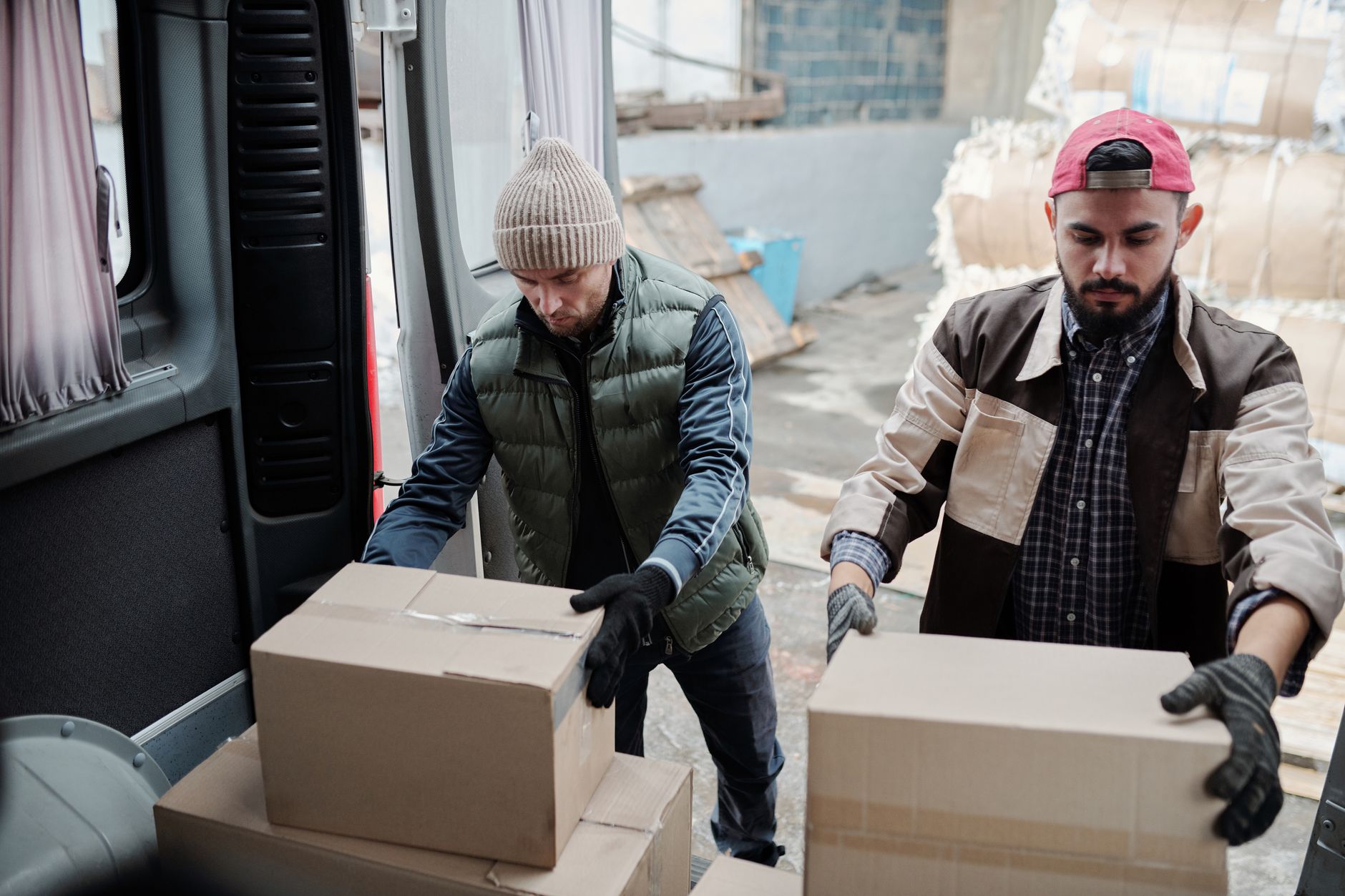
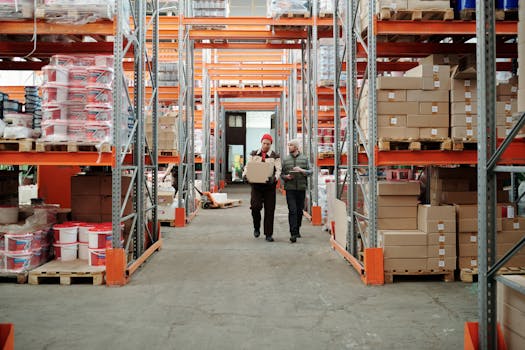 Photo: Tiger Lily / Pexels
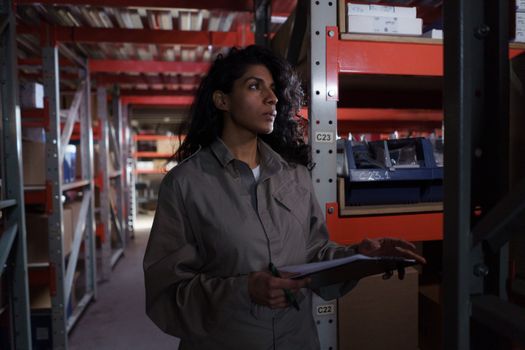 Photo: cottonbro studio / Pexels
 Photo: Norma Mortenson / Pexels
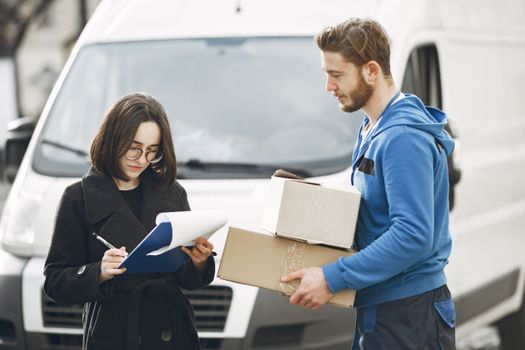 Photo: Gustavo Fring / Pexels