✓ Last mile delivery can account for over 50% of total shipping costs.
✓ Customer expectations for fast, flexible, and transparent delivery are higher than ever.
✓ The US e-commerce market relies heavily on efficient last mile logistics.
✓ Technological advancements like AI, IoT, and automation are revolutionizing last mile operations.
How It Works
1
Order Placement & Processing
Customers place orders online or through a mobile app. The order is then routed to the nearest fulfillment center for preparation.
2
Route Optimization & Dispatch
Advanced algorithms analyze delivery addresses, traffic, and vehicle capacity to create the most efficient delivery routes. Drivers are then dispatched with optimized manifests.
3
Real-time Tracking & Communication
Customers receive real-time updates on their package's location and estimated delivery time. Drivers use mobile apps for navigation and proof of delivery.
4
Final Delivery & Feedback
The package is delivered to the customer's door, often with photo proof of delivery. Customers can provide feedback, closing the loop on the delivery experience.
The Critical Role of Last Mile Delivery Services in USA E-commerce
Photo: Efrem Efre / Pexels
In the sprawling landscape of American commerce, where e-commerce continues its relentless ascent, the final leg of the delivery journey—known as the last mile—has emerged as not just a logistical challenge, but a pivotal battleground for customer satisfaction and brand loyalty. Last mile delivery services in the USA are no longer a mere operational necessity; they are a strategic differentiator. This final segment, which encompasses the movement of goods from a transportation hub to the final delivery destination, typically a customer's home or business, is disproportionately complex and expensive. It's where packages navigate congested urban streets, sprawling suburban neighborhoods, and sometimes even remote rural routes, all while battling traffic, unpredictable weather, and tight delivery windows. For businesses operating in the highly competitive US market, mastering this segment is paramount.
The rise of instant gratification culture, fueled by giants like Amazon, has conditioned consumers to expect not just fast, but often free and highly transparent delivery. This expectation places immense pressure on businesses of all sizes, from multinational corporations to small local businesses, to refine their last mile operations. The challenges are multifaceted: high fuel costs, labor shortages, vehicle maintenance, and the sheer inefficiency of delivering single packages to disparate locations. Studies consistently show that the last mile can account for over 50% of the total shipping cost, making it the most expensive part of the supply chain. Yet, it's also the most visible part to the end consumer, directly impacting their perception of the brand. A flawless last mile experience can turn a one-time buyer into a loyal customer, while a botched delivery can lead to negative reviews, lost sales, and irreversible damage to reputation.
Furthermore, the diversity of the US market, with its varying population densities and geographical complexities, demands highly adaptable and scalable last mile solutions. What works in a dense metropolitan area like New York City may be entirely impractical in a sparsely populated state like Montana. This necessitates a nuanced approach, often involving a combination of traditional carrier services, hyper-local delivery networks, and innovative technological solutions. Businesses are increasingly turning to specialized last mile delivery services in the USA that offer flexibility, advanced tracking, and optimized routing to meet these diverse needs. Understanding the intricacies of this final stage is not just about moving goods; it's about moving customer relationships forward. Effective logistics management is the bedrock upon which successful last mile operations are built, ensuring a seamless flow from warehouse to doorstep.
Technological Advancements Driving Efficiency in Final Mile Solutions
Photo: Mizuno K / Pexels
The landscape of last mile delivery services in the USA is being rapidly transformed by a wave of technological innovations, moving beyond traditional methods to embrace intelligent, data-driven approaches. These advancements are not just incremental improvements; they are fundamentally reshaping how goods are moved, tracked, and delivered, offering unprecedented levels of efficiency, transparency, and customer satisfaction. At the forefront of this revolution is advanced route optimization software. Gone are the days of manual route planning; today, sophisticated algorithms factor in real-time traffic conditions, weather patterns, delivery time windows, driver availability, vehicle capacity, and even customer preferences to generate the most efficient routes. This not only reduces fuel consumption and driver hours but also significantly increases the number of deliveries a single vehicle can complete in a day, directly impacting profitability.
Another game-changer is the integration of Artificial Intelligence (AI) and Machine Learning (ML). AI can predict demand fluctuations, optimize inventory placement in micro-fulfillment centers, and even anticipate potential delivery delays before they occur, allowing for proactive adjustments. ML algorithms continuously learn from past delivery data to refine routing, improve estimated times of arrival (ETAs), and identify patterns that can lead to further operational efficiencies. The Internet of Things (IoT) also plays a crucial role, with connected devices providing real-time data from vehicles and packages. GPS trackers, telematics systems, and smart sensors on vehicles monitor everything from driver behavior to package temperature, ensuring product integrity and enhancing accountability. For instance, temperature-sensitive goods can be monitored throughout their journey, alerting logistics managers to any deviations that could compromise the product.
Automated delivery methods, while still in their nascent stages for widespread adoption, are showing immense promise. Drones for lightweight, urgent deliveries in specific areas and autonomous ground vehicles (AGVs) for last-mile routes are being piloted across various US locations. These technologies have the potential to significantly reduce labor costs and increase delivery speed, particularly in areas with challenging access or high traffic. Furthermore, seamless integration of these technologies with existing enterprise resource planning (ERP) systems and customer relationship management (CRM) platforms ensures a holistic view of the supply chain, from order inception to final delivery. This end-to-end visibility is critical for businesses seeking to offer superior last mile delivery services in the USA, providing both operational insights and enhanced customer communication. The continuous evolution of these technologies promises an even more streamlined and customer-centric future for final mile logistics.
Choosing the Right Partner for Your Last Mile Delivery Services USA Needs
Photo: Tiger Lily / Pexels
Navigating the complex ecosystem of last mile delivery services in the USA requires careful consideration and strategic partnership selection. The choice of a delivery partner can profoundly impact your operational costs, customer satisfaction, and overall brand reputation. With a myriad of options available, from traditional carriers to specialized regional providers and tech-driven platforms, understanding what to look for is crucial. The first step involves a clear assessment of your business's specific needs. What is your average package size and weight? What are your typical delivery volumes and patterns? Are your deliveries primarily B2B or B2C? Do you require specialized handling, such as refrigeration for perishables or white-glove service for high-value items? Answering these questions will help narrow down the field of potential partners.
Scalability is a key factor. As your business grows, your last mile partner must be able to scale their operations to match your increasing demand without compromising service quality. This means having a robust fleet, a well-trained driver network, and flexible technological infrastructure. Geographic coverage is another critical consideration. Does the partner offer comprehensive coverage across all your target regions in the USA, including both urban and rural areas? Some providers excel in dense metropolitan areas but struggle with outlying regions, while others might specialize in specific geographical niches. Transparency and communication are also paramount. A good last mile partner should offer real-time tracking capabilities for both you and your customers, proactive notifications about potential delays, and clear channels for communication regarding delivery issues. This level of visibility builds trust and reduces customer service inquiries.
Cost-effectiveness, while important, should not be the sole determinant. The cheapest option might come with hidden costs in the form of missed deliveries, damaged goods, or poor customer experience. Instead, focus on value: what services are included, what are the service level agreements (SLAs), and what is the overall reliability? Look for partners who offer competitive pricing models that align with your business model, whether it's per-package, per-mile, or a subscription-based service. Furthermore, examine their technological capabilities. Do they integrate seamlessly with your existing e-commerce platform or order management system? Do they offer APIs for custom integrations? The ability to leverage data analytics from their platform can provide invaluable insights into your delivery performance and opportunities for further optimization. Finally, consider their commitment to sustainability. Many consumers and businesses are increasingly prioritizing eco-friendly options, making partners with electric vehicle fleets or optimized routing for reduced emissions a more attractive choice. By meticulously evaluating these factors, businesses can forge strong partnerships that enhance their last mile delivery services in the USA, ensuring a competitive edge in a demanding market. Understanding the broader context of modern logistics helps in making informed decisions about these critical partnerships.
Common Pitfalls and Best Practices in Last Mile Delivery Services
Photo: Tima Miroshnichenko / Pexels
While the promise of efficient last mile delivery services in the USA is immense, businesses frequently encounter common pitfalls that can derail their efforts and lead to significant costs and customer dissatisfaction. Recognizing these challenges and implementing best practices is crucial for success.
**Common Pitfalls:**
* **Inefficient Route Planning:** Relying on manual or outdated routing methods leads to longer travel times, higher fuel consumption, and missed delivery windows. This is a primary driver of increased last mile costs.
* **Lack of Real-time Visibility:** Without real-time tracking for both dispatchers and customers, managing exceptions becomes difficult, and customer inquiries about package status can overwhelm support teams.
* **Poor Communication:** Failure to proactively inform customers about delays or changes in delivery status leads to frustration and negative feedback. Ambiguous delivery instructions also cause issues.
* **Inadequate Driver Training & Support:** Untrained drivers may struggle with technology, customer interaction, or navigating complex delivery scenarios, impacting service quality and efficiency.
* **Underestimating Return Logistics:** Reverse logistics (returns) are often an afterthought, but an inefficient returns process can negate positive delivery experiences and damage brand loyalty.
* **Ignoring Data Analytics:** Not leveraging the vast amounts of data generated by last mile operations means missing opportunities for continuous improvement in efficiency and customer service.
**Best Practices for Success:**
* **Invest in Advanced Route Optimization Software:** Utilize AI-powered platforms that dynamically adjust routes based on real-time data like traffic, weather, and new orders. This maximizes deliveries per route.
* **Implement Comprehensive Tracking and Notification Systems:** Provide customers with granular, real-time tracking information and proactive SMS/email updates about their delivery status, including ETAs and delay alerts.
* **Empower Drivers with Technology:** Equip drivers with user-friendly mobile apps for navigation, proof of delivery (photo, signature), communication with customers/dispatch, and access to delivery instructions.
* **Focus on Customer Experience (CX):** Offer flexible delivery options (e.g., scheduled windows, secure drop-off points), easy communication channels, and a seamless returns process. The last mile is often the only physical interaction a customer has with your brand.
* **Optimize Vehicle Fleets:** Match vehicle types to delivery needs (e.g., smaller vans for urban areas, larger trucks for bulk deliveries) and consider electric vehicles for sustainability and cost savings.
* **Leverage Micro-fulfillment Centers & Dark Stores:** Position smaller distribution hubs closer to customers to reduce the distance of the last mile, enabling faster and more cost-effective deliveries, especially in dense areas.
* **Continuously Analyze Performance Data:** Regularly review metrics such as on-time delivery rates, cost per delivery, customer feedback, and driver efficiency to identify bottlenecks and areas for improvement. Data-driven decisions lead to sustained optimization.
* **Foster Strong Communication Between Teams:** Ensure seamless information flow between order processing, warehousing, dispatch, and customer service to handle exceptions efficiently and maintain service quality.
Comparison
Feature
Dedicated Last Mile Provider
Traditional Carrier (e.g., FedEx/UPS)
In-House Fleet
Cost Efficiency for High Volume
Excellent (optimized routes, tech)
Good (volume discounts)
Variable (high initial investment)
Flexibility & Customization
High (specialized services, specific windows)
Moderate (standard services, some add-ons)
Very High (full control)
Technology & Tracking
Advanced (AI, real-time, custom APIs)
Good (standard tracking)
Variable (depends on investment)
Geographic Coverage
Often regional specialists, growing national
Excellent (national & international)
Limited by internal resources
Customer Experience Control
High (direct interaction, brand representation)
Moderate (carrier's brand)
Very High (full control)
Scalability
Excellent (partner network, tech-driven)
Good (established infrastructure)
Challenging (capital intensive)
Sustainability Initiatives
Often strong focus (EVs, route optimization)
Growing focus
Dependent on internal policy
What Readers Say
★★★★★
"Using a specialized last mile delivery service in USA has transformed our e-commerce business. Our on-time delivery rate jumped to 98%, and customers love the real-time tracking updates, significantly reducing our customer service calls about 'where's my order?'."
Sarah J. · Austin, TX
★★★★★
"As a small business, managing our own deliveries was a nightmare. Outsourcing to a local last mile delivery service in USA has freed up so much time and resources, allowing us to focus on product development. Their drivers are always professional."
Michael R. · Miami, FL
★★★★★
"We sell perishable goods, so reliable and fast last mile delivery services in USA are non-negotiable. Our current partner's temperature-controlled vans and precise delivery windows have drastically cut down on spoilage and customer complaints."
Emily C. · Denver, CO
★★★★★
"While largely excellent, we did experience a slight hiccup with an unexpected routing change during a major snowstorm. However, their proactive communication and quick resolution were commendable, minimizing disruption to our last mile delivery services in USA."
David L. · Chicago, IL
★★★★★
"For our furniture business, white-glove last mile delivery services in USA are essential. The team not only delivers on time but also handles assembly and waste removal, providing an exceptional experience that our customers consistently rave about."
Jessica M. · Seattle, WA
Frequently Asked Questions
What is 'last mile delivery' and why is it so important for businesses in the USA?
Last mile delivery refers to the final step of the delivery process, from a transportation hub to the final destination, typically the customer's doorstep. It's crucial in the USA because it directly impacts customer satisfaction, accounts for over half of total shipping costs, and is a key differentiator in the competitive e-commerce market.
How can businesses reduce the high costs associated with last mile delivery services?
Businesses can reduce costs by implementing advanced route optimization software, leveraging micro-fulfillment centers, consolidating deliveries, utilizing data analytics for efficiency, and exploring alternative delivery methods like local couriers or lockers. Strategic partner selection also plays a significant role.
What technology is typically used in modern last mile delivery services?
Modern last mile delivery services utilize technologies like AI-powered route optimization, real-time GPS tracking and telematics, mobile apps for drivers and customers, IoT sensors for package monitoring, and increasingly, automation such as drones and autonomous vehicles for specific use cases.
How do last mile delivery services impact customer satisfaction?
Last mile delivery has a direct and significant impact on customer satisfaction. Fast, reliable, transparent, and flexible delivery options lead to positive experiences, while delays, poor communication, or damaged goods can severely harm brand perception and lead to lost business. It's often the only physical interaction customers have with a brand.
Are last mile delivery services in the USA suitable for small businesses?
Absolutely. Last mile delivery services are highly beneficial for small businesses. They allow small businesses to compete with larger enterprises by offering professional, efficient, and cost-effective delivery solutions without the overhead of maintaining an in-house fleet, enabling them to scale and focus on their core competencies.
What are the environmental considerations for last mile delivery services?
Environmental considerations include reducing carbon emissions from delivery vehicles through route optimization, transitioning to electric vehicles (EVs), utilizing cargo bikes in urban areas, and optimizing packaging to minimize waste. Many last mile providers are now prioritizing sustainable practices to meet growing consumer and regulatory demands.
How do last mile delivery services handle returns and reverse logistics?
Effective last mile delivery services often integrate reverse logistics, making returns as seamless as forward deliveries. This includes easy scheduling of pick-ups, clear return policies, and efficient processing of returned items. A smooth returns process enhances customer loyalty and trust.
What future trends can we expect in last mile delivery services in the USA?
Future trends include wider adoption of autonomous delivery vehicles and drones, increased use of micro-fulfillment centers and dark stores, greater integration of AI for predictive analytics, personalized delivery options, and a stronger emphasis on sustainable and eco-friendly delivery solutions.
Ready to transform your logistics and delight your customers? Explore cutting-edge last mile delivery services in the USA today to optimize your operations, reduce costs, and build lasting customer loyalty. Get a personalized quote and see the difference efficiency makes.

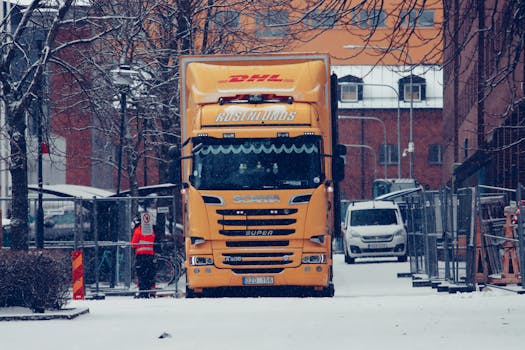 Photo: Efrem Efre / Pexels
 Photo: Mizuno K / Pexels
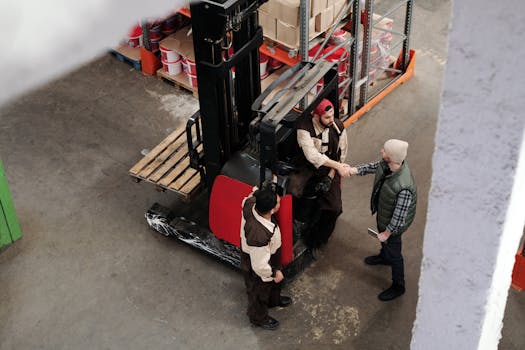 Photo: Tiger Lily / Pexels
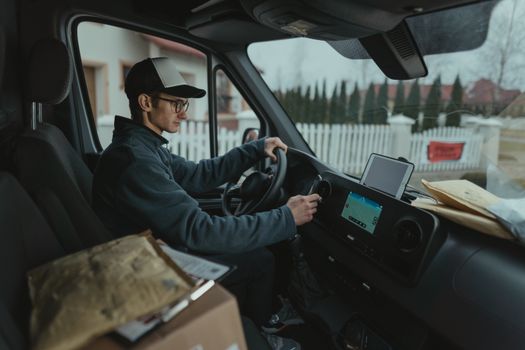 Photo: Tima Miroshnichenko / Pexels