Optimizing Last Mile Delivery Logistics USA
last mile delivery logistics usa

Optimizing Last Mile Delivery Logistics USA

Unlock unparalleled efficiency and customer satisfaction by mastering the complexities of final mile delivery across the United States.

Learn More Today

Key Takeaways

  • ✓ Last mile delivery can account for over 50% of total shipping costs.
  • ✓ Customer expectations for fast and free delivery are at an all-time high in the US.
  • ✓ Traffic congestion and urban density pose significant challenges for last mile operations.
  • ✓ Technological advancements like AI and IoT are revolutionizing delivery efficiency.

How It Works

1
Order Placement & Processing

Customers place orders, which are then routed to the nearest fulfillment center. Efficient processing ensures quick preparation for dispatch.

2
Route Optimization & Dispatch

Advanced algorithms calculate the most efficient delivery routes, considering traffic, weather, and delivery windows. Drivers are dispatched with optimized loads.

3
Real-time Tracking & Communication

Parcels are tracked in real-time, providing customers with updates on their delivery status. Communication channels are open for any changes or issues.

4
Final Delivery & Proof of Delivery

The driver completes the delivery, often requiring a signature or photo for proof. Customer feedback can be collected post-delivery to ensure satisfaction.

The Critical Role of Last Mile Delivery Logistics in the USA Economy
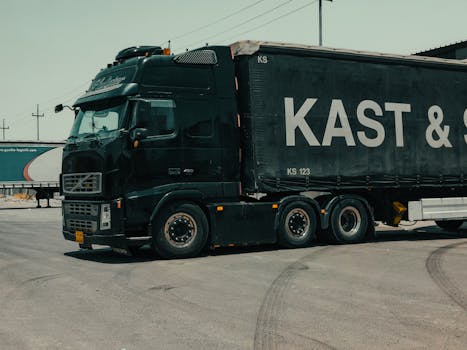
A large industrial truck parked in an urban setting, showcasing transportation industry visuals. Photo: Dextar Vision / Pexels
The landscape of commerce in the United States has undergone a seismic shift, largely driven by the explosive growth of e-commerce. At the heart of this transformation lies last mile delivery logistics, the final, most intricate, and often most expensive leg of the supply chain journey. It's the moment a package leaves the regional distribution center and makes its way to the customer's doorstep. For businesses operating in the US, whether they are small online retailers or multinational corporations, mastering this segment is no longer just an advantage; it's a fundamental requirement for survival and growth. Customer expectations have soared, influenced by giants like Amazon Prime, setting new benchmarks for speed, convenience, and transparency. A missed delivery window, a damaged package, or a confusing tracking system can irrevocably tarnish a brand's reputation, irrespective of the quality of the product itself. This makes the last mile not merely a logistical challenge but a direct determinant of customer satisfaction and brand loyalty. The sheer geographical diversity of the USA, from dense urban centers to sprawling rural areas, presents unique complexities. Delivering a parcel in Manhattan's concrete jungle requires a vastly different strategy than delivering one to a ranch in Montana. Urban congestion, parking restrictions, and varying traffic laws add layers of difficulty, while rural deliveries contend with longer distances, less dense routes, and often less developed infrastructure. Furthermore, the rising cost of fuel, labor shortages, and the increasing demand for sustainable delivery options (e.g., electric vehicles, drone delivery) all contribute to the intricate web of challenges facing last mile operations. Businesses must continuously innovate and adapt, leveraging technology and strategic partnerships to navigate these hurdles. The impact of efficient last mile delivery extends beyond customer satisfaction. It directly influences operational costs, inventory management, and ultimately, profitability. High return rates due to delivery issues can significantly eat into margins, while optimized routes and efficient loading can save millions in fuel and labor. The focus on logistics optimization here is paramount. As such, understanding and implementing robust last mile delivery logistics in the USA is not just about moving goods; it's about building resilient businesses that can thrive in a fiercely competitive market, meet evolving consumer demands, and contribute to a more efficient and sustainable future.

Key Challenges and Innovative Solutions in US Final Mile Logistics

A male and female courier organizing packages in a delivery truck for efficient shipment. Photo: Artem Podrez / Pexels
The American last mile delivery sector is a crucible of challenges, each demanding strategic foresight and technological prowess. One of the most pervasive issues is the escalating cost. As mentioned, the last mile can consume over half of the total shipping expenditure, driven by fuel prices, labor wages, vehicle maintenance, and the inherent inefficiencies of fragmented routes. Urban congestion is another formidable opponent, transforming what should be a quick delivery into a time-consuming and costly endeavor. Traffic jams, limited parking, and strict delivery windows in metropolitan areas compound the problem. Moreover, the demand for expedited shipping – same-day or next-day delivery – places immense pressure on carriers to maintain speed without compromising accuracy or cost-effectiveness. Meeting these demands consistently requires sophisticated planning and execution. Customer expectations are also a moving target; not only do they want speed, but they also demand transparency, flexibility (e.g., changing delivery times or locations), and proactive communication. This necessitates robust IT infrastructure and customer service capabilities. To counter these challenges, the industry is witnessing a surge in innovative solutions. Route optimization software, powered by artificial intelligence and machine learning, is at the forefront, dynamically calculating the most efficient paths, considering real-time traffic, weather, and delivery constraints. This not only reduces fuel consumption and driver hours but also improves delivery predictability. The adoption of alternative delivery methods is also gaining traction. Think drone delivery for remote areas or lightweight parcels, autonomous vehicles for fixed routes, and even bicycle couriers for dense urban environments. Micro-fulfillment centers, strategically located closer to end-consumers in urban areas, are shortening the distance goods need to travel in the last mile, thereby reducing transit times and costs. These smaller, often automated, facilities enable faster order processing and dispatch. Furthermore, partnerships with local businesses for pickup points (e.g., lockers, retail stores) offer consumers greater flexibility and reduce failed delivery attempts. The advent of IoT (Internet of Things) devices in vehicles and packages provides real-time visibility, allowing for proactive problem-solving and enhanced security. Investment in electric vehicles (EVs) is also a significant trend, aiming to reduce operational costs, lower carbon footprints, and meet growing sustainability mandates. These multifaceted approaches are transforming the last mile from a bottleneck into a competitive differentiator, enabling companies to deliver value, efficiency, and superior customer experiences across the vast and varied landscape of the USA.

Leveraging Technology for Superior Last Mile Delivery Logistics in the USA

Food courier cycling through urban cityscape with modern skyscrapers. Photo: MART PRODUCTION / Pexels
The digital revolution has profoundly reshaped every facet of the supply chain, and its impact on last mile delivery logistics in the USA is particularly transformative. Technology is no longer a luxury but a necessity for any business aiming to compete effectively in this demanding environment. At the core of technological advancement is data analytics. By collecting and analyzing vast amounts of data—from traffic patterns and weather forecasts to customer delivery preferences and driver performance—companies can gain unprecedented insights. This data informs everything from strategic network planning to real-time operational adjustments. For instance, predictive analytics can anticipate demand fluctuations, allowing for pre-positioning of inventory and optimized resource allocation, thereby preventing bottlenecks before they occur. Geographic Information Systems (GIS) play a crucial role in visualizing and managing delivery territories, identifying optimal hub locations, and understanding the geographical spread of customer bases. This geographical intelligence is vital for efficient route planning and driver assignment. Beyond data, specific technological tools are empowering a new era of last mile efficiency. Advanced Route Optimization Software (ROS) goes beyond simple GPS navigation. It considers multiple variables simultaneously: vehicle capacity, time windows, driver availability, service time at each stop, and even vehicle type, to generate the most efficient multi-stop routes. This significantly reduces mileage, fuel consumption, and labor costs, while increasing the number of deliveries per shift. Telematics systems, embedded in delivery vehicles, provide real-time data on vehicle location, speed, idling time, and driver behavior. This not only enhances security and allows for proactive maintenance but also provides valuable metrics for performance improvement and compliance. Mobile applications for drivers are another game-changer. These apps streamline tasks such as proof of delivery (e.g., photo capture, electronic signatures), manifest management, and customer communication, reducing paperwork and improving accuracy. For the customer, self-service portals and real-time tracking apps offer transparency and control, allowing them to monitor their package's journey and even reschedule deliveries, thereby reducing failed delivery attempts and improving satisfaction. The integration of Artificial Intelligence (AI) and Machine Learning (ML) is pushing these capabilities further, enabling systems to learn from past deliveries, adapt to changing conditions, and make increasingly intelligent decisions autonomously. Furthermore, the exploration of emerging technologies like autonomous delivery vehicles and drones, though still in early stages, promises to further revolutionize the speed and cost-effectiveness of last mile operations in specific contexts, particularly in the US where regulations are slowly evolving to accommodate these innovations. Embracing these technological advancements is fundamental to building a resilient, efficient, and customer-centric last mile delivery network in the USA, ensuring businesses can meet the ever-increasing demands of the modern consumer and stay ahead of the competition. For more insights on broader logistics strategies, explore our comprehensive resources.

Best Practices for Optimizing Last Mile Delivery Logistics in the USA
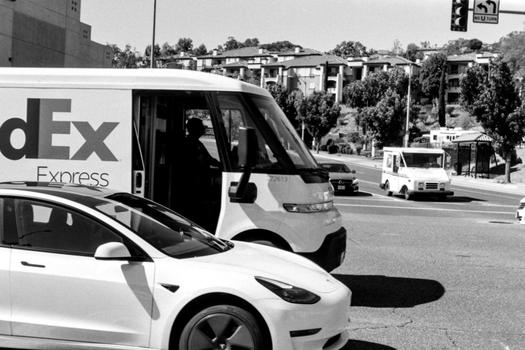
A black and white urban street scene featuring vehicles including a delivery van and a modern car. Photo: David Brown / Pexels
Achieving excellence in last mile delivery in the USA requires a holistic approach, combining strategic planning with operational efficiency and technological integration. Here are some best practices to consider: * **Invest in Advanced Route Optimization Software:** This is non-negotiable. Modern ROS considers dynamic variables, traffic, time windows, and vehicle capacity to create the most efficient routes, drastically reducing fuel costs and delivery times. Look for software with AI/ML capabilities for continuous improvement. * **Implement Micro-Fulfillment Centers (MFCs):** Strategically placing smaller, automated warehouses closer to urban consumer bases reduces the distance a package travels in the last mile. This speeds up delivery, lowers transportation costs, and improves inventory management for localized demand. * **Embrace Diversified Delivery Models:** Don't rely solely on traditional truck delivery. Explore options like bicycle couriers for dense urban cores, drone delivery for specific use cases, and crowdsourced delivery platforms during peak times. Partnering with local businesses for pickup/drop-off points (PUDO) also offers flexibility and reduces failed deliveries. * **Prioritize Real-time Visibility and Communication:** Equip drivers with mobile apps for proof of delivery, real-time updates, and direct communication with customers. Provide customers with accurate tracking information and proactive notifications, reducing customer service inquiries and improving satisfaction. * **Focus on Sustainability:** Integrate electric vehicles (EVs) into your fleet where feasible. Optimize routes to minimize mileage and idling. This not only reduces your carbon footprint but also can lead to long-term cost savings on fuel and maintenance, while appealing to environmentally conscious consumers. * **Leverage Data Analytics for Continuous Improvement:** Collect and analyze data on delivery times, failed attempts, customer feedback, and driver performance. Use these insights to identify bottlenecks, refine processes, and make data-driven decisions for ongoing optimization. * **Train and Empower Your Delivery Personnel:** Your drivers are the face of your brand. Provide comprehensive training on customer service, technology usage, and safe driving practices. Empower them with the tools and information they need to succeed. By systematically implementing these best practices, businesses can transform their last mile delivery logistics in the USA from a significant challenge into a powerful competitive advantage, fostering customer loyalty and driving sustainable growth.

Comparison

FeatureIn-House Last Mile (Own Fleet)3PL Last Mile ProviderCrowdsourced Delivery Platforms
Control & Brand ImageHigh (direct control over drivers & branding)Moderate (brand visibility, but less direct driver control)Low (drivers are independent contractors)
ScalabilityLow (high capital investment for expansion)High (can scale up/down with demand)Very High (on-demand capacity)
Cost StructureHigh Fixed Costs (vehicles, salaries, maintenance)Variable Costs (per delivery, volume discounts)Variable Costs (per delivery, dynamic pricing)
Technology IntegrationRequires internal development/licensingOften built-in, advanced systemsApp-based, real-time tracking
Speed & FlexibilityModerate (can be optimized internally)High (optimized networks, varied services)Very High (especially for urgent/local deliveries)
Geographic CoverageLimited by own fleet/networkExtensive, established networksDependent on driver availability in specific areas
Risk ManagementFull responsibility (accidents, insurance)Shared (provider assumes some liability)Lower for business, higher for driver/customer

What Readers Say

"Our e-commerce business struggled with timely deliveries across Texas. After implementing advanced route optimization for our last mile delivery logistics usa, our on-time rate jumped from 75% to 98% within three months. Truly a game-changer for customer satisfaction."

Sarah J. · Austin, TX

"The insights from optimizing our last mile delivery logistics usa have been invaluable. We've reduced fuel consumption by 15% and cut down driver overtime significantly, directly impacting our bottom line. Our operations are much smoother now."

Mark D. · New York, NY

"We integrated a micro-fulfillment strategy for our last mile delivery logistics usa, and the speed of delivery to our urban customers is now unmatched. We're seeing fewer abandoned carts and higher repeat business thanks to the improved service."

Jessica L. · Seattle, WA

"While the initial setup for our new last mile delivery logistics usa system was complex, the long-term benefits in terms of efficiency and customer feedback are clear. We're still fine-tuning some aspects, but the overall improvement is substantial."

David R. · Miami, FL

"As a small business owner, I thought optimizing last mile delivery logistics usa was only for big companies. This guide helped me understand practical steps I could take, and even with a smaller budget, I've seen noticeable improvements in our local delivery service."

Emily S. · Denver, CO

Frequently Asked Questions

What is last mile delivery logistics in the USA?

Last mile delivery logistics in the USA refers to the final leg of the supply chain process, where goods are transported from a distribution center or hub to the end customer's doorstep. It's often the most complex and costly part of the delivery journey, heavily influenced by factors like urban congestion, customer expectations for speed, and geographical diversity across the United States.

Why is last mile delivery so expensive in the USA?

Last mile delivery is expensive due to several factors: high fuel costs, increasing labor wages, urban congestion leading to longer delivery times and parking fines, frequent stops with small drop-off volumes, and the growing customer demand for expedited and often free shipping. Each stop represents a disproportionate cost compared to line haul shipping.

How can businesses improve their last mile delivery efficiency?

Businesses can improve efficiency by investing in advanced route optimization software, utilizing micro-fulfillment centers, diversifying delivery methods (e.g., bikes, drones, PUDO points), implementing real-time tracking and communication tools, and leveraging data analytics for continuous process improvement. Driver training and empowerment also play a crucial role.

What technologies are essential for modern last mile delivery logistics usa?

Essential technologies include AI-powered route optimization software, telematics for fleet management, mobile apps for drivers and customers, real-time tracking systems, and data analytics platforms. Emerging technologies like autonomous vehicles and drones are also becoming increasingly relevant for specific applications.

Should I use an in-house fleet or a 3PL for last mile delivery in the USA?

The choice depends on your business size, delivery volume, geographic spread, and control preferences. An in-house fleet offers maximum control and brand consistency but requires significant capital investment. A 3PL (Third-Party Logistics) provider offers scalability, expertise, and reduced fixed costs, ideal for businesses with fluctuating volumes or wide geographical needs. Crowdsourced platforms offer on-demand capacity for peak times or specific urgent deliveries.

Who benefits most from optimized last mile delivery logistics usa?

E-commerce retailers, food delivery services, pharmaceutical companies, grocery delivery platforms, and any business that directly delivers goods to consumers in the USA stand to benefit significantly. Optimization leads to reduced costs, increased customer satisfaction, and a stronger competitive edge.

What are the biggest risks in last mile delivery?

Key risks include failed deliveries (due to customer unavailability or incorrect addresses), package damage or loss, vehicle breakdowns, driver safety issues, reputational damage from poor service, and the high operational costs eating into profit margins. Cyber security risks related to data and tracking systems are also growing concerns.

What are the future trends for last mile delivery logistics in the USA?

Future trends include the wider adoption of electric and autonomous delivery vehicles, increased use of drone delivery in specific zones, hyper-localization through micro-fulfillment centers, advanced AI for predictive analytics and dynamic routing, and a continued focus on sustainable and eco-friendly delivery options to meet consumer and regulatory demands.

Mastering last mile delivery logistics in the USA is no longer optional—it's imperative for business success. By embracing innovation and strategic planning, you can transform this critical stage into a powerful driver of customer loyalty and profitability. Take the next step to optimize your operations today.

Topics: last mile delivery logistics usafinal mile logisticsdelivery optimization USe-commerce fulfillment Americaurban delivery challenges
Leo List
Brampton weed
Adultwork EstrelaBet Vai de Bet R7 Bet Betão Galera Bet Rainbet Bet9ja Shop SportyBet BetKing Sisal Loto Foot Hollywoodbets YesPlay Odibets RushBet Jugabet BetWarrior BetCity MSport betPawa Fortebet