
Optimize Your Business with Smart Supply Chain Logistics Solutions
Unlock efficiency, reduce costs, and delight customers with integrated logistics strategies tailored for modern businesses.
Explore Solutions TodayKey Takeaways
- ✓ Global supply chain disruptions cost businesses billions annually.
- ✓ Effective logistics can reduce operational costs by up to 15%.
- ✓ 90% of consumers expect fast and free shipping.
- ✓ Data analytics in logistics can improve delivery accuracy by 25%.
How It Works
We begin by thoroughly analyzing your existing supply chain, identifying bottlenecks, inefficiencies, and areas for potential improvement. This foundational step ensures a clear understanding of your unique challenges.
Based on our assessment, we craft customized supply chain logistics solutions, integrating advanced technologies and strategic processes. Our designs focus on optimizing every stage from procurement to last-mile delivery.
Our expert team seamlessly implements the new solutions, integrating them with your existing systems for minimal disruption. This includes deploying new software, hardware, and training your personnel.
Post-implementation, we continuously monitor performance, using data analytics to fine-tune processes and ensure ongoing efficiency. We provide continuous support and adapt solutions as your business evolves.
The Critical Role of Supply Chain Management in Modern Business
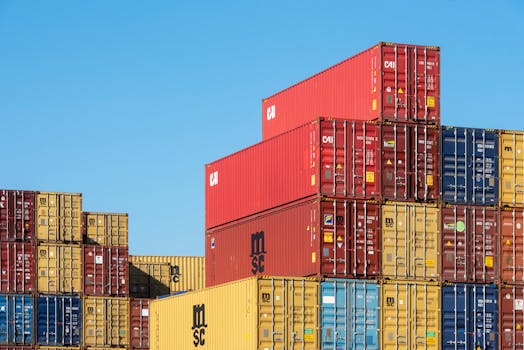 Photo: Jan van der Wolf / Pexels
Key Components of Comprehensive Logistics Optimization
 Photo: Kindel Media / Pexels
Leveraging Technology for Enhanced Supply Chain Resilience
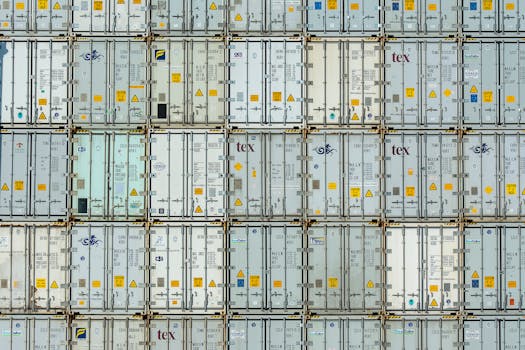 Photo: Jan van der Wolf / Pexels
Common Pitfalls and Best Practices in Logistics Implementation
 Photo: Artem Podrez / Pexels
Comparison
| Feature | Integrated 3PL Solution | In-House Management | Specialized Software Vendor |
|---|---|---|---|
| Initial Investment | Low to Moderate | High (infrastructure, staff) | Moderate (software licenses) |
| Operational Expertise | High (specialized staff, best practices) | Variable (depends on internal team) | High (software functionality) |
| Scalability | Excellent (flexibility with volume) | Challenging (fixed assets) | Good (license tiers) |
| Risk Management | Shared (vendor expertise) | High (internal responsibility) | Indirect (data-driven insights) |
| Technology Access | Cutting-edge (vendor provided) | Requires significant investment | Direct (focus on software) |
| Customization | Moderate | High | Moderate to High |
| Overall Control | Moderate (shared with 3PL) | High (direct oversight) | High (data-driven decisions) |
| Time to Implement | Fast | Slow | Moderate |
What Readers Say
"Our e-commerce business was struggling with shipping delays and soaring costs. Implementing their supply chain logistics solutions transformed our operations, leading to a 15% reduction in shipping expenses and vastly improved customer satisfaction."
Sarah Chen · New York, NY"The real-time inventory tracking and predictive analytics provided by their supply chain logistics solutions have been a game-changer. We've virtually eliminated stockouts and can now respond to demand fluctuations with incredible agility."
Mark Johnson · Dallas, TX"We reduced our warehouse operating costs by 20% within the first year thanks to their optimized layouts and automated processes. Their supply chain logistics solutions directly contributed to a 10% increase in our profit margins."
Emily Rodriguez · Los Angeles, CA"While the initial integration of the new system had a few minor hiccups, the overall improvement in our freight management and delivery times has been significant. Their support team was responsive in addressing our concerns."
David Lee · Chicago, IL"As a manufacturer, managing complex global sourcing was a nightmare. Their supply chain logistics solutions provided the transparency and control we needed, streamlining our procurement and reducing lead times considerably."
Jessica Brown · Miami, FLFrequently Asked Questions
What are the primary benefits of implementing supply chain logistics solutions?
The primary benefits include significant cost reduction through optimized processes, improved operational efficiency, enhanced customer satisfaction due to faster and more reliable deliveries, increased supply chain visibility, and greater resilience against disruptions. These solutions help businesses make data-driven decisions and adapt quickly to market changes.
Is it expensive to implement new logistics technology?
The cost varies widely depending on the scope, complexity, and specific technologies chosen. While there can be significant upfront investments for advanced systems, many cloud-based SaaS solutions offer more flexible, subscription-based models. The long-term cost savings and efficiency gains often provide a substantial return on investment, mitigating initial expenses.
How do I choose the right supply chain logistics solutions for my business?
Start by assessing your current pain points and future goals. Identify specific areas for improvement (e.g., inventory, transportation, warehousing). Research vendors, focusing on those with industry-specific expertise and scalable solutions. Request demos, check references, and ensure the chosen solution integrates well with your existing systems. A phased implementation can also help manage the transition.
What kind of ROI can I expect from optimizing my supply chain?
ROI can be substantial and multifaceted. Businesses often see reductions in operational costs (shipping, warehousing, inventory holding) ranging from 10-20%, improvements in delivery times and accuracy, and increased customer retention. Indirect benefits include better data for strategic planning and enhanced brand reputation. The exact ROI depends on your starting point and the effectiveness of the implemented solutions.
How do supply chain logistics solutions differ from traditional logistics?
Traditional logistics often focused on moving goods efficiently from point A to point B, largely as a cost center. Supply chain logistics solutions, however, take a holistic, strategic view of the entire network, from raw materials to end-consumer. They leverage advanced technology, data analytics, and integration to optimize every stage, focusing on resilience, visibility, and value creation across the entire supply chain, not just individual movements.
Who should consider implementing advanced supply chain logistics solutions?
Any business involved in the movement of physical goods, regardless of size, can benefit. This includes e-commerce retailers, manufacturers, distributors, wholesalers, and even service-based businesses with complex material handling needs. If you're experiencing bottlenecks, rising costs, customer complaints about delivery, or lack visibility into your operations, advanced solutions are a necessity.
What are the security risks associated with digital supply chain solutions?
Digital supply chain solutions introduce cybersecurity risks such as data breaches, ransomware attacks, and intellectual property theft. It's crucial to choose vendors with robust security protocols, implement strong access controls, encrypt sensitive data, and conduct regular security audits. Blockchain technology can also enhance data integrity and security within the supply chain network.
How will AI and automation shape the future of supply chain logistics?
AI and automation will continue to revolutionize supply chain logistics by enabling hyper-personalization, predictive maintenance for equipment, fully autonomous transportation, and self-optimizing networks. They will lead to more resilient, adaptive, and efficient supply chains that can anticipate disruptions and respond instantly, creating a truly 'smart' logistics ecosystem.
Ready to transform your business operations and gain a competitive edge? Explore our comprehensive supply chain logistics solutions designed to drive efficiency, reduce costs, and enhance customer satisfaction. Contact us today for a personalized consultation and unlock the full potential of your supply chain.