Navigating logistics challenges in e-commerce: Your ultimate guide
Unlock efficiency and customer satisfaction by expertly addressing the core logistical hurdles in your online business.
Optimize Your LogisticsKey Takeaways
- ✓ E-commerce sales in the US are projected to exceed $1.3 trillion by 2025, intensifying logistics demands.
- ✓ Last-mile delivery can account for over 50% of total shipping costs.
- ✓ Poor inventory management leads to an estimated $1.1 trillion loss annually for retailers globally.
- ✓ Returns processing, or reverse logistics, costs businesses 2-3 times more than forward shipping.
How It Works
Begin by mapping out your existing logistics processes from procurement to delivery. Identify bottlenecks, inefficiencies, and areas of high cost to establish a baseline for improvement.
Pinpoint specific issues such as high shipping costs, slow delivery times, inventory discrepancies, or frequent returns. Categorize these challenges to prioritize your strategic interventions.
Research and adopt technologies and strategies tailored to your identified challenges. This could include automation, new shipping partners, or advanced inventory systems to streamline operations.
Continuously track key performance indicators (KPIs) related to your logistics. Use data to refine your strategies, adapt to market changes, and ensure ongoing efficiency and customer satisfaction.
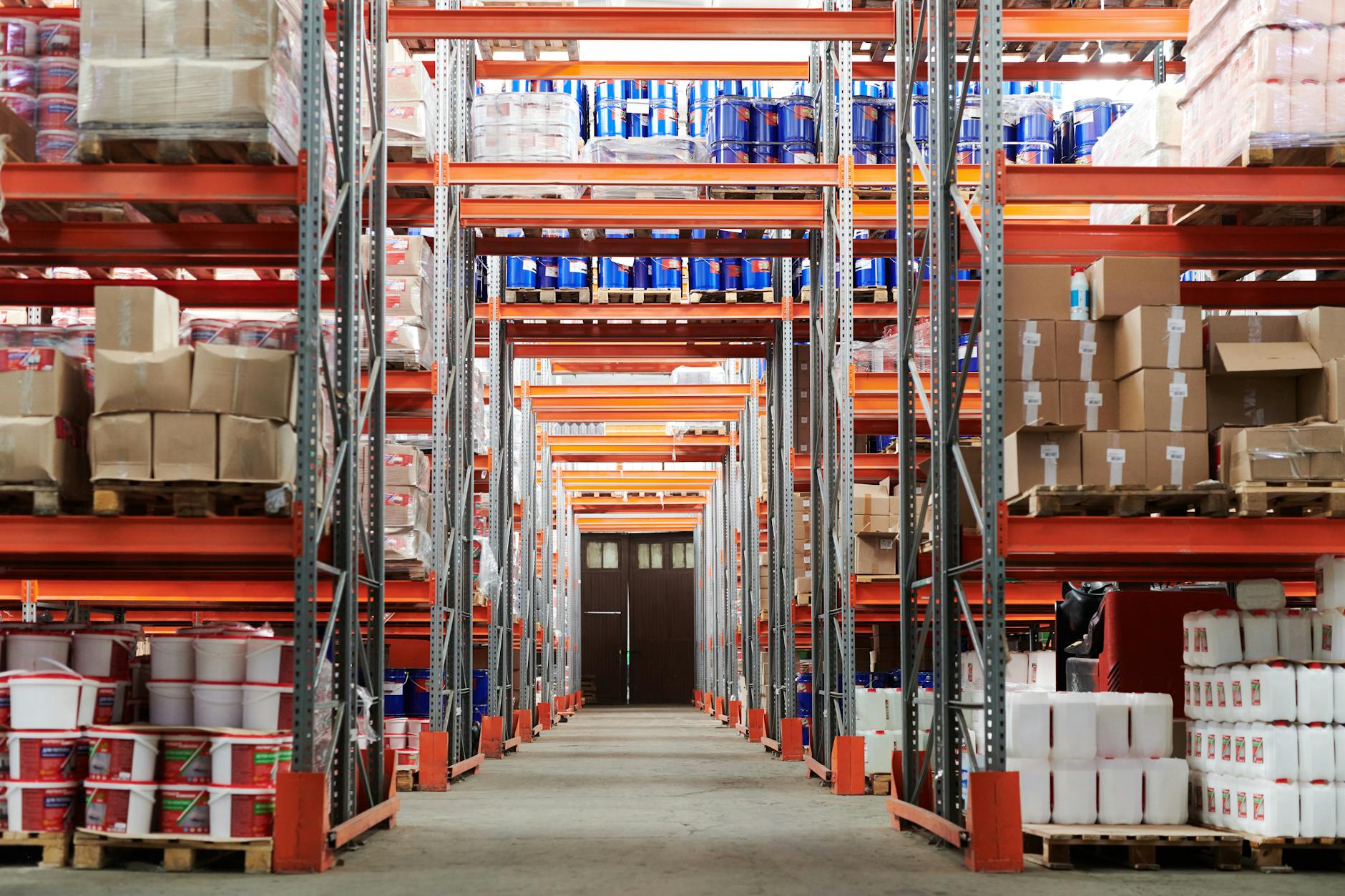
The Evolving Landscape of E-commerce Logistics in the US
 Photo: Rafael Minguet Delgado / Pexels
Overcoming Last-Mile Delivery and Shipping Cost Hurdles
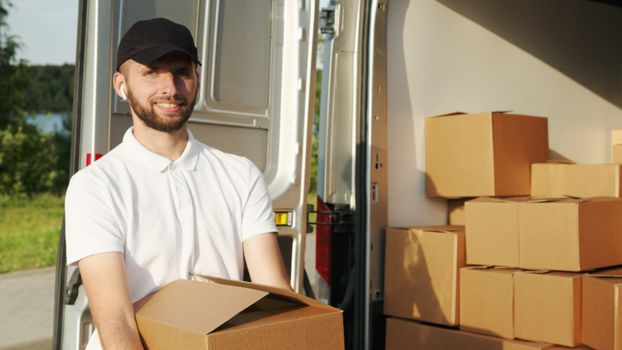 Photo: Artem Podrez / Pexels
Mastering Inventory Management and Order Fulfillment Complexities
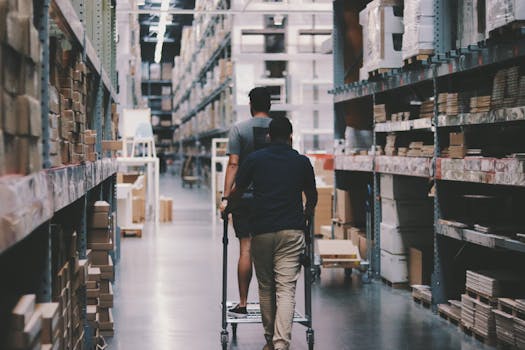 Photo: Alexander Isreb / Pexels
Returns Management (Reverse Logistics) and Scaling for Growth
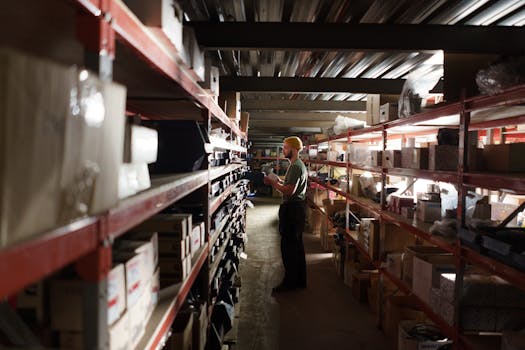 Photo: cottonbro studio / Pexels
Comparison
| Feature | In-House Logistics | 3PL Partnership | Hybrid Model |
|---|---|---|---|
| Initial Investment | High | Low | Medium |
| Scalability | Challenging | High | Good |
| Control & Customization | High | Medium | High |
| Expertise Access | Internal Only | Broad | Internal + External |
| Operational Overhead | High | Low to Medium | Medium |
| Focus on Core Business | ✗ | ✓ | ✓ |
What Readers Say
"Before we tackled our logistics challenges in e-commerce, our shipping costs were out of control. This guide helped us optimize our carrier selection and reduce expenses by 15%!"
Sarah J. · Austin, TX"The insights on last-mile delivery were invaluable. We implemented a local pickup option, significantly improving customer satisfaction and cutting down on failed deliveries."
Mark D. · Miami, FL"Our inventory management was a mess, leading to frequent stockouts. Following the advice here, we adopted a new WMS and saw a 20% reduction in inventory discrepancies within months."
Emily R. · Seattle, WA"While the guide was incredibly helpful for strategy, implementing all the changes required significant upfront investment. However, the long-term benefits are clearly outweighing the initial hurdles."
David L. · Chicago, IL"As a small business owner, I was overwhelmed by returns. This article provided practical steps for improving our reverse logistics, making the process much smoother for both us and our customers."
Jessica M. · Denver, COFrequently Asked Questions
What are the biggest logistics challenges in e-commerce today?
The biggest challenges include high last-mile delivery costs and complexities, inefficient inventory management leading to stockouts or overstock, the intricate process of reverse logistics (returns), and the need for scalable solutions to accommodate rapid growth. Each of these areas requires strategic planning and often technological solutions to overcome effectively.
How can e-commerce businesses reduce shipping costs?
Reducing shipping costs involves several strategies: optimizing delivery routes, negotiating bulk rates with multiple carriers, utilizing fulfillment centers closer to customers, offering slower but cheaper shipping options, and exploring package consolidation or local pickup points. Leveraging data analytics for carrier selection can also yield significant savings.
What is reverse logistics and why is it important?
Reverse logistics is the process of managing returned goods from the customer back to the seller, including inspection, sorting, refurbishment, or disposal. It's crucial because an efficient returns process enhances customer satisfaction, builds trust, and can help recover value from returned products, directly impacting profitability and brand reputation.
Is it better to handle logistics in-house or outsource to a 3PL?
The choice depends on your business size, growth stage, and resources. In-house logistics offers greater control but requires significant investment and expertise. Outsourcing to a 3PL provides scalability, access to advanced technology, and reduced overhead, making it ideal for many growing e-commerce businesses, especially those without extensive logistical infrastructure.
How does technology help overcome e-commerce logistics challenges?
Technology plays a pivotal role. Warehouse Management Systems (WMS) optimize inventory and fulfillment, Transportation Management Systems (TMS) streamline shipping, and predictive analytics improve demand forecasting and route optimization. Automation (e.g., robotics) enhances efficiency, while real-time tracking and communication tools boost customer satisfaction.
Who should prioritize addressing logistics challenges in e-commerce?
Any business operating in the e-commerce space, regardless of size, should prioritize addressing logistics challenges. From small startups looking to establish reliable delivery to large enterprises aiming for competitive advantage and customer loyalty, efficient logistics are fundamental to profitability and sustained growth in the online retail sector.
What are the risks of ignoring e-commerce logistics issues?
Ignoring logistics issues can lead to increased operational costs, delayed deliveries, frequent stockouts, high return rates, negative customer reviews, and ultimately, lost sales and a damaged brand reputation. In today's competitive market, inefficient logistics can quickly become a significant barrier to business growth and sustainability.
What future trends will impact e-commerce logistics?
Future trends include increased automation and robotics in warehouses, wider adoption of AI and machine learning for demand forecasting and route optimization, the expansion of drone and autonomous vehicle delivery, a greater focus on sustainability in packaging and transportation, and the continued growth of hyper-local fulfillment models.
Conquering the logistics challenges in e-commerce is not merely an operational task; it's a strategic imperative for sustainable growth and customer satisfaction. By understanding these complexities and implementing smart solutions, your business can transform potential hurdles into powerful competitive advantages. Start optimizing your e-commerce logistics today to build a more resilient, efficient, and profitable online store.