
Mastering Warehouse Logistics Management for Peak Performance
warehouse logistics management

Mastering Warehouse Logistics Management for Peak Performance

Revolutionize your operations, cut costs, and delight customers with strategic warehouse logistics.

Optimize Your Warehouse Now

Key Takeaways

  • ✓ Effective warehouse logistics can reduce operational costs by up to 20%.
  • ✓ Inventory accuracy rates can reach over 99% with robust WMS implementation.
  • ✓ Automation in warehouses can increase throughput by 3x-5x.
  • ✓ Poor warehouse management leads to an average of 10-15% lost sales due to stockouts.

How It Works

1
Assess Current Operations

Analyze existing warehouse layout, inventory flow, staffing, and technology to identify bottlenecks and areas for improvement. This initial audit forms the foundation for strategic planning.

2
Design Optimized Layout & Processes

Develop a new or refined warehouse layout and streamline operational processes for receiving, putaway, storage, picking, packing, and shipping. Focus on minimizing travel time and maximizing space utilization.

3
Implement Technology Solutions

Deploy Warehouse Management Systems (WMS), automation (e.g., AS/RS, robotics), and data analytics tools to enhance visibility, accuracy, and efficiency across all operations. Technology is a critical enabler of modern logistics.

4
Continuous Monitoring & Improvement

Establish key performance indicators (KPIs) and regularly monitor warehouse performance. Use data insights to identify new opportunities for optimization and adapt to changing market demands.

Understanding the Core of Warehouse Logistics Management
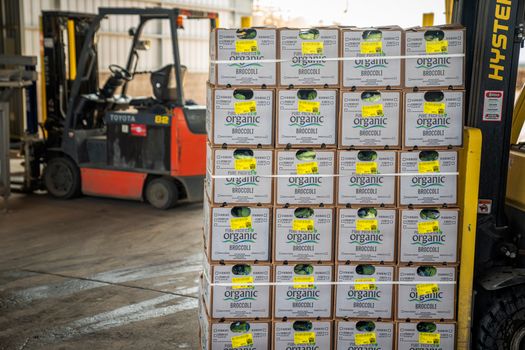
Forklift managing stacks of organic broccoli boxes for shipment in a warehouse setting. Photo: Mark Stebnicki / Pexels
In the fast-paced world of modern commerce, the efficiency of your supply chain can make or break your business. At its heart lies effective warehouse logistics management, a complex yet crucial discipline that orchestrates the entire journey of goods within and beyond your storage facilities. It's far more than just stacking boxes; it encompasses a holistic approach to receiving, storing, moving, and dispatching products with utmost precision and speed. From the moment raw materials arrive at your dock to the final delivery of a finished product to a customer's doorstep, every step is meticulously planned and executed under the umbrella of robust logistics management. This intricate dance involves optimizing space utilization, streamlining workflows, ensuring inventory accuracy, and leveraging technology to gain a competitive edge. Without a well-oiled warehouse logistics system, companies face a myriad of challenges: costly delays, inventory discrepancies, damaged goods, and ultimately, dissatisfied customers. Consider the sheer volume and variety of goods handled by a typical warehouse today. From e-commerce giants fulfilling millions of orders daily to manufacturing plants managing components for complex machinery, the demands are immense. Effective warehouse logistics management provides the framework to meet these demands head-on. It involves strategic decisions about warehouse layout, such as optimizing aisle widths, storage rack configurations, and picking paths to minimize travel time and maximize throughput. It also delves into the nuances of inventory control, ensuring that the right products are in the right place at the right time, preventing both overstocking (which ties up capital) and understocking (which leads to lost sales). Moreover, it integrates seamlessly with broader supply chain logistics, acting as a pivotal node where goods are consolidated, deconsolidated, and prepared for their next leg of the journey. The goal is always to achieve maximum efficiency at minimum cost, translating into higher profitability and superior customer service. This foundation is critical for any business looking to thrive in today's demanding market, where speed and reliability are paramount.

Key Components and Best Practices in Warehouse Logistics

A warehouse worker sorting items on shelves in an organized storage space. Photo: cottonbro studio / Pexels
Successful warehouse logistics management hinges on several interconnected components, each playing a vital role in the overall operational flow. Foremost among these is inventory management. This isn't just about counting items; it's about strategic placement (slotting), tracking movement (receipts, transfers, shipments), and forecasting demand to ensure optimal stock levels. Techniques like ABC analysis help prioritize valuable or fast-moving items for easier access, while cycle counting ensures continuous accuracy without disrupting operations. Another critical element is order fulfillment. This process, from receiving a customer order to shipping it, involves picking, packing, and staging. Best practices here include batch picking, wave picking, and zone picking to accelerate the process. Robotics and automated guided vehicles (AGVs) are increasingly being deployed to reduce manual labor and improve picking accuracy and speed. The packing stage is also crucial, requiring efficient packaging solutions that protect products while minimizing shipping costs and environmental impact. Warehouse layout and design are foundational. An intelligently designed warehouse minimizes travel distances for workers and equipment, optimizes storage density, and facilitates smooth product flow. Considerations include dock door configuration, aisle widths, storage racking systems (e.g., selective, drive-in, push-back), and dedicated areas for specific functions like returns processing or value-added services. Technology is the backbone of modern warehouse logistics. Warehouse Management Systems (WMS) are indispensable, providing real-time visibility into inventory, managing labor, optimizing space, and integrating with other enterprise systems like ERP and TMS. Beyond WMS, technologies such as barcode scanners, RFID, voice picking, and advanced analytics tools empower managers with data-driven insights to continuously refine operations. Implementing these best practices not only boosts efficiency but also enhances safety, reduces errors, and significantly lowers operational costs, directly impacting the bottom line. It transforms a warehouse from a static storage facility into a dynamic, responsive hub of activity.

Leveraging Technology for Advanced Inventory Control Systems
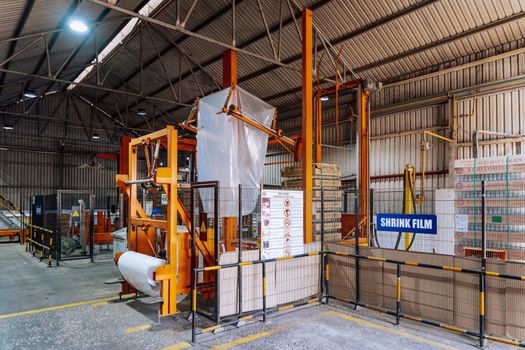
Interior view of a warehouse in Dar es Salaam with a shrink film machine and industrial equipment. Photo: Keegan Checks / Pexels
In today's competitive landscape, robust inventory control systems are no longer a luxury but a necessity for effective warehouse logistics management. The sheer volume and velocity of goods moving through warehouses demand sophisticated technological solutions that go beyond manual tracking. At the forefront of this technological revolution is the Warehouse Management System (WMS). A WMS acts as the central nervous system of the warehouse, providing real-time visibility into every item, from its receipt at the loading dock to its final dispatch. It optimizes storage locations (slotting), directs picking paths, manages labor, and even orchestrates the movement of automated equipment. By integrating with enterprise resource planning (ERP) systems and transportation management systems (TMS), a WMS creates a unified data ecosystem, ensuring seamless information flow across the entire supply chain. This integration is vital for accurate demand forecasting, efficient order processing, and minimizing lead times. Beyond WMS, other technologies are transforming inventory control. Barcode and RFID (Radio-Frequency Identification) systems provide rapid and accurate identification of goods, significantly reducing manual data entry errors and speeding up processes like receiving and shipping. Voice picking technology allows operators to receive instructions and confirm tasks verbally, freeing their hands and eyes to focus on picking, leading to increased accuracy and productivity. Automated Storage and Retrieval Systems (AS/RS) and robotic picking solutions are revolutionizing high-volume operations, offering unparalleled speed, density, and 24/7 operational capability. These systems drastically reduce the need for human intervention in repetitive or hazardous tasks, allowing staff to focus on more complex, value-added activities. Data analytics and artificial intelligence (AI) are also playing an increasingly pivotal role. AI-powered algorithms can analyze historical data to predict demand fluctuations, optimize inventory levels, and even identify potential bottlenecks before they occur. This predictive capability allows warehouses to be proactive rather than reactive, leading to more resilient and efficient operations. The continuous evolution of these technologies means that warehouses are becoming smarter, more agile, and better equipped to handle the complexities of modern commerce, directly contributing to superior logistics performance and customer satisfaction.

Common Pitfalls and How to Avoid Them in Warehouse Management
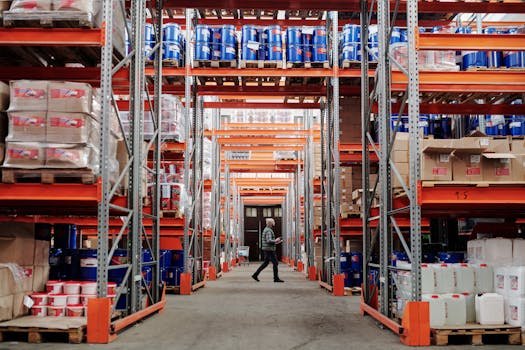
A man walking through a large industrial warehouse with stacked shelves filled with goods and products. Photo: Tiger Lily / Pexels
Even with the best intentions, warehouses can fall victim to common pitfalls that undermine efficiency and profitability. Recognizing these challenges and implementing proactive strategies to avoid them is a hallmark of superior warehouse logistics management. Here are some prevalent mistakes and how to navigate them: * **Poor Inventory Accuracy:** This is arguably the most common and damaging pitfall. Inaccurate inventory leads to stockouts, overstocks, misplaced items, and lost sales. To avoid this, implement robust inventory control systems like cycle counting, perpetual inventory, and WMS. Regular audits and strict adherence to receiving and shipping protocols are essential. * **Inefficient Warehouse Layout:** A poorly designed layout leads to excessive travel time, bottlenecks, and wasted space. This often results from not re-evaluating the layout as product lines or order profiles change. Conduct periodic layout analyses, optimize slotting strategies (e.g., placing fast-moving items closer to shipping), and consider vertical space utilization. * **Lack of Automation and Technology Adoption:** Relying heavily on manual processes in today's environment is a recipe for inefficiency and error. While initial investment can be high, the long-term benefits of WMS, barcode scanning, and even basic automation far outweigh the costs. Start with smaller, impactful automation projects and scale up. * **Inadequate Staff Training and Engagement:** Even the most advanced systems are only as good as the people operating them. Insufficient training leads to errors, low productivity, and high turnover. Invest in continuous training programs, empower employees with clear roles and responsibilities, and foster a culture of continuous improvement. * **Ignoring Data and KPIs:** Operating without clear metrics is like flying blind. Without tracking KPIs like order fulfillment rate, inventory turnover, picking accuracy, and cost per order, it's impossible to identify problems or measure improvements. Implement a data analytics strategy to monitor performance and make informed decisions. * **Suboptimal Shipping and Receiving Processes:** Bottlenecks at the dock doors can ripple throughout the entire warehouse. Implement scheduling systems for inbound and outbound shipments, utilize cross-docking where appropriate, and ensure proper staging areas to keep goods flowing smoothly. By systematically addressing these common pitfalls, businesses can transform their warehouses from cost centers into strategic assets that drive efficiency, customer satisfaction, and competitive advantage.

Comparison

FeatureAdvanced WMSBasic WMSManual System (Spreadsheets)
Real-time Inventory TrackingLimited
Automated Slotting Optimization
Labor Management & TaskingBasic
Integration with ERP/TMSSeamlessPartialNone
ScalabilityHighModerateLow
Error ReductionSignificantModerateMinimal

What Readers Say

"Implementing a new warehouse logistics management system transformed our fulfillment center. We reduced picking errors by 30% and cut shipping times dramatically, greatly improving customer satisfaction."

Sarah Chen · Dallas, TX

"Our inventory accuracy was a constant struggle. After overhauling our warehouse logistics management, we now have 99% accuracy, virtually eliminating stockouts and costly write-offs."

Mark Johnson · Chicago, IL

"The strategic changes we made to our warehouse layout and processes, guided by expert logistics management, led to a 20% increase in throughput without expanding our physical footprint. A game-changer!"

Emily Rodriguez · Los Angeles, CA

"While the initial setup was complex and required significant training, the long-term benefits of our new warehouse logistics management approach are undeniable. We've seen a noticeable improvement in our operational costs and delivery speed."

David Lee · Atlanta, GA

"As an e-commerce startup, scaling our operations seemed impossible. Expert warehouse logistics management allowed us to handle triple the order volume with the same staff, proving its invaluable impact on growth."

Jessica Brown · New York, NY

Frequently Asked Questions

What is warehouse logistics management and why is it important?

Warehouse logistics management is the comprehensive process of planning, implementing, and controlling the efficient flow and storage of goods within a warehouse, from point of origin to point of consumption. It's crucial because it directly impacts operational costs, delivery speed, inventory accuracy, and ultimately, customer satisfaction and profitability for any business handling physical products.

How can I improve inventory accuracy in my warehouse?

Improving inventory accuracy involves a multi-faceted approach. Key strategies include implementing a robust WMS, conducting regular cycle counting or physical inventories, standardizing receiving and shipping procedures, utilizing barcode or RFID technology, and providing thorough staff training on inventory handling protocols.

What role does technology play in modern warehouse logistics management?

Technology is central to modern warehouse logistics management. It enables real-time visibility, automation of tasks, data-driven decision-making, and seamless integration across the supply chain. Tools like WMS, robotics, AI, and IoT devices optimize processes, reduce errors, enhance efficiency, and provide competitive advantages.

What are the typical costs associated with implementing a new warehouse logistics system?

Costs can vary widely depending on the scale and complexity of the system. They typically include software licensing (WMS), hardware (scanners, automation), implementation services, data migration, and staff training. Initial investments can range from tens of thousands for basic systems to millions for fully automated, large-scale operations, but often yield significant ROI.

How does warehouse logistics management differ from supply chain management?

Warehouse logistics management is a critical component of the broader supply chain management. Supply chain management encompasses the entire network of organizations, resources, and processes involved in getting a product from supplier to customer. Warehouse logistics specifically focuses on the optimization of operations within the warehouse facility itself, acting as a key node in the larger supply chain.

Who should prioritize optimizing their warehouse logistics management?

Any business that stores, moves, or distributes physical products can benefit significantly from optimizing their warehouse logistics management. This includes e-commerce businesses, manufacturers, distributors, 3PL providers, and retailers of all sizes. Companies experiencing growth, facing rising operational costs, or struggling with customer fulfillment are prime candidates.

What are the safety considerations in warehouse logistics?

Safety is paramount in warehouse logistics. Key considerations include proper training for equipment operation (forklifts, etc.), clear aisle markings, adequate lighting, ergonomic lifting practices, maintaining clean and organized workspaces, regular equipment maintenance, and adherence to all OSHA regulations. A safe warehouse is an efficient warehouse.

What are the future trends in warehouse logistics management?

Future trends include increased adoption of AI and machine learning for predictive analytics and automation, widespread use of robotics and autonomous mobile robots (AMRs), greater emphasis on sustainability and green logistics, blockchain for enhanced transparency, and hyper-personalization of fulfillment to meet evolving customer expectations.

Ready to transform your operations and gain a significant competitive edge? Dive deeper into optimizing your warehouse logistics management today. Unlock unparalleled efficiency, reduce costs, and build a resilient supply chain that drives your business forward.

Topics: warehouse logistics managementsupply chain optimizationinventory control systemsfulfillment center operationswarehouse automation
Leo List
Brampton weed
Adultwork EstrelaBet Vai de Bet R7 Bet Betão Galera Bet Rainbet Bet9ja Shop SportyBet BetKing Sisal Loto Foot Hollywoodbets YesPlay Odibets RushBet Jugabet BetWarrior BetCity MSport betPawa Fortebet