Mastering Last Mile Delivery Solutions for Business Growth
last mile delivery solutions

Mastering Last Mile Delivery Solutions for Business Growth

Unlock efficiency, delight customers, and drive profitability with cutting-edge last mile strategies and technologies.

Optimize Your Deliveries Now

Key Takeaways

  • ✓ The last mile accounts for 53% of total shipping costs.
  • ✓ 70% of consumers expect same-day or next-day delivery.
  • ✓ Poor last-mile delivery can lead to 66% of customers switching brands.
  • ✓ Delivery management software can reduce fuel costs by 15-30%.

How It Works

1
Order Placement & Integration

Customer places an order, which seamlessly integrates into your delivery management system. This initiates the last-mile journey with real-time data.

2
Optimized Route Planning

Advanced algorithms analyze delivery addresses, traffic, and driver availability to create the most efficient routes. This minimizes travel time and fuel consumption.

3
Real-Time Tracking & Communication

Customers receive live updates on their delivery status, while drivers use mobile apps for navigation and proof of delivery. This transparency builds trust and reduces inquiries.

4
Delivery & Feedback

The package is successfully delivered, and a digital proof of delivery is recorded. Post-delivery feedback mechanisms allow continuous improvement of the service.

The Critical Role of Last Mile Delivery Optimization in Modern Logistics
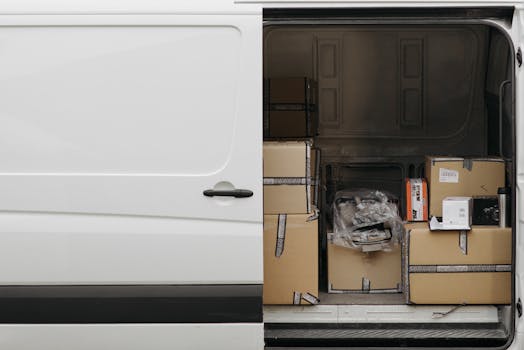
Open delivery van filled with boxes, ready for logistics and transport services. Photo: Pavel Danilyuk / Pexels
In today's hyper-competitive e-commerce landscape, the final leg of the delivery journey—known as the last mile—has become the most crucial differentiator for businesses. It's not just about getting a product from Point A to Point B; it's about doing so efficiently, affordably, and in a way that delights the customer. Last mile delivery solutions encompass the entire process of moving goods from a transportation hub to their final destination, typically a customer's home or business. This segment is notoriously complex, characterized by dense urban environments, unpredictable traffic, varying customer expectations, and the sheer volume of individual deliveries. Its complexity is further amplified by the increasing demand for speed, accuracy, and convenience, with consumers now expecting same-day or next-day delivery as a standard, not a luxury. Without robust last mile delivery solutions, businesses face escalating operational costs, dissatisfied customers, and a significant competitive disadvantage. The cost implications are staggering; industry reports consistently show that the last mile can account for over half of total shipping expenses due to inefficiencies like failed deliveries, suboptimal routing, and high fuel consumption. Furthermore, a negative last-mile experience can irrevocably damage a brand's reputation, leading to lost sales and decreased customer loyalty. Therefore, investing in sophisticated last mile delivery optimization is no longer optional but a strategic imperative for any business aiming to thrive in the modern retail and logistics ecosystem. It’s about transforming a potential bottleneck into a powerful lever for growth and customer retention. From small local businesses to large enterprises, the ability to execute flawless last-mile operations directly translates into market share and profitability. Understanding the nuances of this critical phase allows companies to identify pain points, implement targeted solutions, and ultimately create a delivery experience that stands out. This often involves leveraging advanced technologies like AI-powered route optimization, real-time tracking, and automated communication. The aim is to streamline every step, from dispatch to doorstep, ensuring that each delivery is not just completed, but perfected. Effective last mile strategies also contribute to sustainability efforts by reducing carbon footprints through optimized routes and fewer failed delivery attempts. The ripple effect of efficient last mile operations extends beyond immediate cost savings, fostering long-term customer relationships and reinforcing brand trust in an increasingly interconnected world. For more insights into the broader context of supply chain management, explore our article on supply chain logistics.

Key Technologies Powering Advanced Last Mile Delivery Solutions
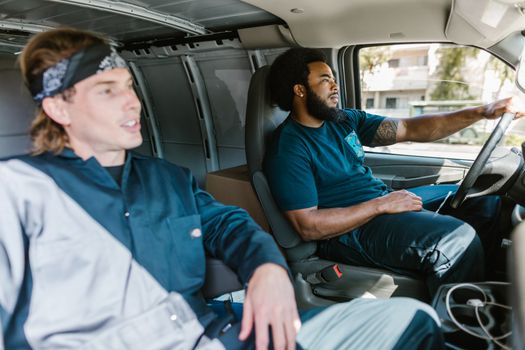
Two delivery professionals focused on their route while driving a cargo van. Photo: RDNE Stock project / Pexels
The evolution of last mile delivery has been inextricably linked to technological advancements. Modern last mile delivery solutions are built upon a foundation of innovative software and hardware that work in concert to enhance efficiency, transparency, and customer satisfaction. At the core of these solutions is sophisticated Route Optimization Software. This technology uses complex algorithms to analyze a multitude of factors—such as delivery addresses, time windows, traffic patterns, driver availability, vehicle capacity, and even weather conditions—to generate the most efficient delivery routes. The goal is to minimize driving distance, fuel consumption, and delivery times, while maximizing the number of deliveries a single driver can complete. Beyond static route planning, dynamic route optimization can adjust routes in real-time to account for unforeseen delays or new orders, providing unparalleled flexibility. Another critical component is Real-Time Tracking and Visibility. This allows dispatchers, drivers, and customers to monitor the exact location of a package at any given moment. GPS-enabled devices in delivery vehicles feed data back to a central system, providing live updates. For customers, this means accurate estimated times of arrival (ETAs) and the ability to track their order on a map, significantly reducing anxiety and improving the overall experience. For businesses, it offers crucial oversight, enabling proactive problem-solving and immediate response to issues. Furthermore, Proof of Delivery (POD) systems have been revolutionized by technology. Gone are the days of paper manifests; modern POD solutions utilize mobile apps on smartphones or tablets to capture electronic signatures, photos of delivered packages, or even GPS coordinates upon delivery. This digital record provides undeniable evidence of successful delivery, minimizes disputes, and streamlines administrative processes. Communication tools are also paramount. Integrated platforms facilitate seamless interaction between dispatchers, drivers, and customers. Automated notifications via SMS or email keep customers informed at every stage, from order confirmation to successful delivery. Two-way communication channels allow customers to provide specific delivery instructions or drivers to report issues, fostering a more responsive and personalized service. Finally, Data Analytics and Reporting are integral to continuous improvement. Last mile delivery solutions collect vast amounts of data on delivery performance, driver efficiency, customer feedback, and operational costs. Analyzing this data provides invaluable insights into bottlenecks, areas for improvement, and opportunities for further optimization. Machine learning algorithms can even predict future demand and potential issues, allowing businesses to adapt their strategies proactively. These technologies, when combined, create a powerful ecosystem that transforms the last mile from a logistical headache into a competitive advantage, driving down costs and elevating the customer experience to new heights. The synergy between these tools ensures that businesses can meet the ever-increasing demands of modern consumers while maintaining a healthy bottom line.

Choosing the Right Last Mile Delivery Solutions for Your Business
A vibrant collection of stacked shipping containers under a clear, blue sky. Ideal for logistic themes. Photo: Jan van der Wolf / Pexels
Selecting the optimal last mile delivery solutions is a strategic decision that can significantly impact your business's efficiency, customer satisfaction, and profitability. The 'best' solution isn't a one-size-fits-all; it depends heavily on your specific business model, scale of operations, types of goods delivered, customer base, and geographic reach. A thorough assessment of your current logistical challenges and future growth objectives is the first step. For small to medium-sized businesses (SMBs) with a localized delivery area, a standalone route optimization software combined with a simple mobile app for drivers might suffice. These solutions are often cloud-based, offering flexibility and lower upfront costs. They empower SMBs to gain better control over their deliveries without requiring a massive IT infrastructure investment. Key features to look for include easy order import, automatic route generation, real-time tracking for customers, and digital proof of delivery. As businesses scale, or for enterprises with complex logistics networks, a more comprehensive Delivery Management System (DMS) becomes essential. These platforms integrate multiple functionalities, including order management, warehouse integration, fleet management, advanced route optimization, dynamic scheduling, driver management, and sophisticated analytics. A robust DMS can handle thousands of deliveries daily, manage multiple depots, and integrate with existing enterprise resource planning (ERP) or e-commerce platforms. The ability to integrate seamlessly with your existing technology stack, such as your CRM or e-commerce platform, is a critical consideration. Poor integration can lead to data silos, manual data entry, and operational inefficiencies, negating the benefits of the new solution. Cloud-based solutions often offer better integration capabilities through APIs. Consider the scalability of the solution. Can it grow with your business? Will it be able to handle increased order volumes, new delivery zones, or additional fleet vehicles without requiring a complete overhaul? A flexible and scalable solution will save you significant time and money in the long run. Customer support and vendor reputation are also vital. A reliable vendor will provide comprehensive training, ongoing support, and regular software updates to ensure your system remains efficient and secure. Read reviews, request demos, and don't hesitate to ask for references from similar businesses. Finally, evaluate the total cost of ownership, including subscription fees, implementation costs, training, and potential integration expenses. While cost is a factor, prioritizing the cheapest option over functionality and scalability can prove to be a false economy. Investing in the right solution is an investment in your business's future, ensuring streamlined operations and a superior customer experience. The right solution should empower you to meet and exceed customer expectations consistently, turning every delivery into an opportunity to build loyalty. For a deeper dive into optimizing your overall distribution, read our guide on distribution logistics.

Common Pitfalls and Best Practices in Implementing Last Mile Delivery Solutions
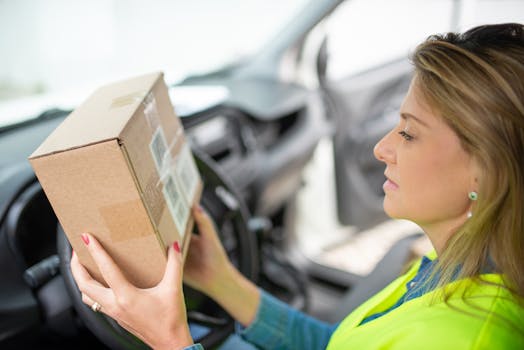
A woman courier checks a delivery package while seated inside a car, ready for distribution. Photo: Kampus Production / Pexels
Implementing new last mile delivery solutions can be transformative, but it's not without its challenges. Avoiding common pitfalls and adopting best practices is crucial for a successful rollout and sustained benefits. One significant pitfall is underestimating the importance of data quality. Inaccurate or incomplete address data, incorrect customer contact information, or outdated delivery instructions can severely disrupt optimized routes, lead to failed deliveries, and frustrate both drivers and customers. Best practice dictates implementing robust data validation processes, both at the point of order entry and within the delivery management system, to ensure clean and reliable data. Another common mistake is neglecting driver training and adoption. Even the most sophisticated software is ineffective if drivers are not proficient in using it. A lack of proper training can lead to resistance, errors, and a failure to leverage the system's full capabilities. Best practice involves comprehensive, hands-on training for all drivers and dispatchers, emphasizing the benefits of the new system and addressing any concerns. Ongoing support and refresher training are also vital. Failing to integrate the new solution with existing systems is another frequent misstep. A disconnected system creates data silos, requires manual data transfer, and introduces inefficiencies. Best practice calls for seamless integration with your e-commerce platform, warehouse management system (WMS), and CRM to ensure a unified flow of information and automated workflows. Overlooking customer communication is also a critical error. Customers expect transparency and timely updates. A system that doesn't provide real-time tracking, accurate ETAs, and proactive notifications will lead to increased customer service calls and dissatisfaction. Best practice includes leveraging automated communication tools to keep customers informed at every stage of the delivery journey, offering self-service options for tracking, and providing clear channels for feedback. Finally, many businesses fail to continuously monitor and optimize their last mile operations after implementation. The delivery landscape is constantly evolving, and what works today might not work tomorrow. Best practice involves regularly analyzing performance metrics, identifying areas for improvement, and making data-driven adjustments to routes, schedules, and processes. This iterative approach ensures that your last mile delivery solutions remain efficient and effective over time. By proactively addressing these pitfalls and adhering to best practices, businesses can unlock the full potential of their last mile delivery solutions, transforming a complex operational challenge into a powerful competitive advantage that drives customer loyalty and sustained growth. **Best Practices for Last Mile Delivery Success:** * **Prioritize Data Accuracy:** Implement validation checks for all delivery information. * **Invest in Driver Training:** Ensure drivers are proficient and comfortable with new technology. * **Seamless System Integration:** Connect your delivery solution with existing business platforms. * **Proactive Customer Communication:** Provide real-time tracking and automated updates. * **Continuous Optimization:** Regularly analyze performance data and refine processes. * **Flexible Delivery Options:** Offer choices like scheduled deliveries or alternative pickup points. * **Focus on Sustainability:** Explore electric vehicles or optimized routing to reduce environmental impact. * **Leverage Analytics:** Use data to identify trends, predict demand, and improve efficiency.

Comparison

FeatureDedicated Delivery Management System (DMS)Integrated ERP/E-commerce ModuleThird-Party Logistics (3PL) Provider
Control & CustomizationHigh (Full control over routes, drivers, branding)Medium (Limited by ERP/e-commerce platform capabilities)Low (Dependent on 3PL's processes)
Upfront CostModerate to High (Subscription, implementation)Low to Moderate (Often part of existing license)Low (Service fees per delivery)
Scalability✓ (Designed for growth, flexible plans)✓ (Scales with overall business system)✓ (Scales with 3PL capacity)
Complexity of SetupModerate (Requires configuration and training)Low to Moderate (Integration with existing system)Low (Outsourced setup)
Real-Time TrackingExcellent (Advanced features for customer & dispatch)Good (Basic tracking often available)Good (Varies by 3PL, often via portal)
Driver ManagementExcellent (Dispatch, performance, communication)Basic (May require external tools)N/A (Managed by 3PL)
Best ForBusinesses with high volume, complex needs, brand controlBusinesses with existing strong ERP, simpler delivery needsBusinesses wanting to outsource logistics, low volume or rapid expansion

What Readers Say

"Implementing our new last mile delivery solution transformed our local bakery's operations. Our delivery times are down by 25%, and customers love the real-time tracking updates. It's been a game-changer for our small business."

Sarah J. · Austin, TX

"As an e-commerce retailer, the efficiency of last mile delivery directly impacts our bottom line. This platform has streamlined our routing, reduced fuel costs, and significantly improved our on-time delivery rates. Highly recommend for any growing business."

Mark D. · Chicago, IL

"Our customer satisfaction scores for delivery have jumped 15 points since adopting these last mile delivery solutions. The proof of delivery feature has virtually eliminated disputes, saving us countless hours and boosting our reputation."

Emily R. · Miami, FL

"While the initial setup required a bit more effort than anticipated, the long-term benefits are undeniable. The route optimization is excellent, though I wish the mobile app had a few more customizable features for unique delivery scenarios."

David S. · Seattle, WA

"Managing deliveries for a busy pharmaceutical distributor is incredibly complex. These last mile solutions provide the precision and reliability we need, ensuring critical medications reach patients on time and securely. It's a vital tool for our operations."

Jessica L. · New York, NY

Frequently Asked Questions

What are last mile delivery solutions and why are they important?

Last mile delivery solutions refer to the technologies and strategies used to optimize the final leg of a product's journey from a distribution center to the customer's doorstep. They are crucial because the last mile is the most expensive and complex part of the delivery process, directly impacting customer satisfaction, operational costs, and a business's reputation. Effective solutions streamline operations, reduce costs, and enhance the customer experience.

How can last mile delivery solutions reduce operational costs?

These solutions reduce operational costs primarily through optimized route planning, which minimizes fuel consumption and driver hours. They also decrease failed delivery attempts through real-time tracking and customer communication, reducing the need for costly redeliveries. Additionally, digital proof of delivery systems streamline administrative tasks and reduce disputes, further cutting down on expenses.

Can last mile delivery solutions integrate with my existing e-commerce platform?

Yes, most modern last mile delivery solutions are designed with integration in mind. They typically offer APIs (Application Programming Interfaces) that allow seamless connection with popular e-commerce platforms like Shopify, Magento, WooCommerce, and other ERP or CRM systems. This integration ensures a smooth flow of order data and delivery updates, automating much of the process.

What is the typical ROI for investing in last mile delivery software?

The Return on Investment (ROI) for last mile delivery software can vary, but businesses often see significant returns within months. This comes from reductions in fuel costs (15-30%), increased delivery capacity, fewer failed deliveries, and improved customer retention. The enhanced customer experience also leads to repeat business and positive reviews, contributing to long-term revenue growth.

How do last mile solutions handle unexpected delivery challenges like traffic or road closures?

Advanced last mile solutions leverage dynamic route optimization. This means they can re-route drivers in real-time to account for unexpected events like traffic jams, road closures, or new urgent orders. Drivers receive instant updates on their mobile devices, ensuring they always have the most efficient path, minimizing delays and maintaining delivery schedules.

Who benefits most from implementing last mile delivery solutions?

A wide range of businesses benefit, including e-commerce retailers, food and grocery delivery services, pharmaceutical distributors, couriers, and field service companies. Essentially, any business that regularly delivers goods directly to customers can achieve significant improvements in efficiency, cost-effectiveness, and customer satisfaction by adopting these solutions.

Are last mile delivery solutions secure for customer data?

Reputable last mile delivery solutions prioritize data security. They typically employ encryption protocols, secure cloud infrastructure, and compliance with data protection regulations (like GDPR or CCPA) to safeguard sensitive customer information. It's important to choose a vendor with a strong security track record and clear data handling policies.

What are the future trends in last mile delivery?

Future trends include increased adoption of autonomous delivery vehicles (drones, robots), hyper-personalization of delivery options (e.g., specific time slots, in-home delivery), greater emphasis on sustainable delivery methods (electric vehicles, cargo bikes), and the use of predictive analytics and AI for even more precise demand forecasting and route optimization. Micro-fulfillment centers and dark stores will also play a larger role.

Ready to revolutionize your delivery operations and provide an unparalleled customer experience? Explore our comprehensive last mile delivery solutions today to boost efficiency, cut costs, and secure your competitive edge in the market.

Topics: last mile delivery solutionsdelivery optimization softwareecommerce logisticsroute planning softwarefinal mile delivery
Leo List

DK Escorts LU Escorts AT Escorts SE Escorts FI Escorts CH Escorts DE Escorts HR Escorts IE Escorts GR Escorts CZ Escorts NO Escorts BE Escorts FR Escorts SI Escorts IL Escorts NL Escorts PL Escorts HU Escorts ES Escorts IT Escorts PT Escorts SK Escorts RO Escorts ZA Escorts UY Escorts US Escorts UK Escorts NZ Escorts AU Escorts
Brampton weed
Adultwork EstrelaBet Vai de Bet R7 Bet Betão Galera Bet Rainbet Bet9ja Shop SportyBet BetKing Sisal Loto Foot Hollywoodbets YesPlay Odibets RushBet Jugabet BetWarrior BetCity MSport betPawa Fortebet