✓ Last mile delivery can account for over 50% of total shipping costs.
✓ Customer expectations for fast and flexible delivery are at an all-time high.
✓ Technological advancements like AI and IoT are revolutionizing last mile operations.
✓ Sustainability is an increasingly important factor in consumer delivery choices.
How It Works
1
Order Placement & Processing
Customers place orders, which are then processed by the retailer or e-commerce platform. This initial step triggers the entire fulfillment chain.
2
Warehouse Fulfillment & Sortation
Items are picked, packed, and sorted at a distribution center or fulfillment hub. Efficient sortation is crucial for grouping deliveries by route.
3
Route Optimization & Dispatch
Advanced software plans the most efficient delivery routes, considering traffic, delivery windows, and vehicle capacity. Drivers are then dispatched with their optimized routes.
4
Final Delivery & Proof of Delivery
The package is delivered to the customer's doorstep, often with real-time tracking and proof of delivery capture. This completes the last mile journey.
Understanding the Criticality of Last Mile Delivery in the USA
Photo: MART PRODUCTION / Pexels
The landscape of commerce in the United States has been irrevocably transformed by the rise of e-commerce and the associated surge in direct-to-consumer shipments. At the heart of this transformation lies the 'last mile' – the final leg of a product's journey from a distribution center or transportation hub to the customer's doorstep. While seemingly straightforward, this segment of the supply chain is notoriously complex, expensive, and critical to customer satisfaction. In the USA, a vast and diverse geographical expanse, mastering last mile delivery solutions is not just an operational challenge but a strategic imperative for businesses of all sizes. It's where promises are kept or broken, and customer loyalty is forged or lost. The sheer volume of packages, coupled with growing customer expectations for speed, transparency, and convenience, places immense pressure on logistics providers and retailers alike.
Historically, the last mile was often an afterthought, a necessary but costly evil. Today, it's recognized as a competitive differentiator. Companies that excel in this area can command higher customer retention rates, build stronger brand reputations, and even justify premium pricing. Conversely, inefficiencies in the last mile – delayed deliveries, damaged goods, or poor communication – can lead to negative reviews, abandoned carts, and ultimately, lost market share. The costs associated with the last mile are staggering, often representing more than half of the total shipping expenditure. This high cost is driven by factors such as low drop density (delivering to individual addresses rather than bulk), traffic congestion in urban areas, fuel prices, labor costs, and the increasing demand for specialized delivery services like same-day or scheduled windows.
Furthermore, the USA's unique infrastructure, with its sprawling suburbs, dense city centers, and remote rural areas, presents a multifaceted challenge. A solution that works in Manhattan might be entirely impractical in rural Montana. This necessitates a flexible, adaptable, and technologically advanced approach to last mile logistics. Businesses must continuously evaluate and integrate new technologies and strategies to remain competitive. From route optimization software to autonomous delivery vehicles, the innovation in this space is relentless. Ignoring these advancements is no longer an option; embracing them is essential for survival and growth. The focus is no longer just on getting a package from point A to point B, but on doing so efficiently, sustainably, and in a way that delights the customer. This holistic view of the last mile is what defines successful last mile delivery solutions in the USA today. Understanding this criticality is the first step towards building a robust and resilient delivery ecosystem. For a deeper dive into the broader logistics landscape, consider exploring our insights on modern logistics management.
Key Technologies Driving Last Mile Delivery Innovation
Photo: Tima Miroshnichenko / Pexels
The quest for optimized last mile delivery solutions in the USA is intrinsically linked to the rapid evolution and adoption of cutting-edge technologies. These innovations are not merely incremental improvements; they are fundamentally reshaping how packages move from distribution centers to consumers' hands. At the forefront of this technological revolution is advanced route optimization software. Gone are the days of manual route planning; today's sophisticated algorithms consider a multitude of variables – traffic patterns, delivery time windows, vehicle capacity, driver availability, weather conditions, and even customer preferences – to generate the most efficient and cost-effective routes. This reduces fuel consumption, minimizes drive time, and increases the number of deliveries a single driver can make in a day, directly impacting the bottom line and environmental footprint.
Another transformative technology is real-time tracking and visibility. Customers no longer just expect, but demand, to know exactly where their package is at any given moment. GPS-enabled tracking, coupled with mobile applications, provides end-to-end visibility, from dispatch to delivery. This transparency enhances customer satisfaction, reduces the volume of 'where is my order?' inquiries, and allows for proactive communication in case of delays. For businesses, real-time data provides invaluable insights into operational performance, allowing for immediate adjustments and continuous improvement.
Artificial Intelligence (AI) and Machine Learning (ML) are also playing increasingly vital roles. AI algorithms can predict demand fluctuations, optimize warehouse operations, identify potential delivery roadblocks before they occur, and even personalize delivery options for individual customers. Machine learning models continuously learn from delivery data, refining route optimization, predicting optimal delivery times, and improving overall operational efficiency over time. This predictive power allows businesses to move from reactive problem-solving to proactive strategic planning.
Furthermore, the logistics sector is seeing the integration of IoT (Internet of Things) devices. Sensors on vehicles can monitor everything from engine performance to cargo temperature, ensuring product integrity for sensitive goods. Smart lockers and drone delivery trials, while still in nascent stages for widespread adoption, represent future possibilities for addressing specific last mile challenges, particularly in dense urban or hard-to-reach rural areas. The convergence of these technologies creates a powerful ecosystem that enables businesses to meet the ever-growing demands of the modern consumer, making last mile delivery not just a cost center, but a strategic advantage in the highly competitive US market. Embracing these technologies is paramount for any business aiming to excel in the last mile delivery arena.
Strategic Approaches to Optimizing Last Mile Delivery in the US
Photo: Tima Miroshnichenko / Pexels
Optimizing last mile delivery solutions in the USA requires a multi-faceted strategic approach that goes beyond simply adopting new technologies. It involves a fundamental re-evaluation of current processes, a deep understanding of customer needs, and a willingness to innovate. One crucial strategy is the implementation of micro-fulfillment centers (MFCs) or urban distribution hubs. Instead of relying solely on large, centralized warehouses, MFCs are smaller facilities located closer to end-consumers, often within urban or suburban areas. This significantly reduces the final leg of the journey, cutting down on transit times and fuel costs. By strategically placing inventory closer to demand, businesses can offer faster delivery options like same-day or even hourly delivery, a key differentiator in today's market.
Another vital approach is dynamic route optimization with real-time adjustments. While advanced planning is essential, the reality of US road networks – with unexpected traffic, road closures, and last-minute order changes – demands flexibility. Dynamic optimization allows delivery routes to be adjusted on the fly, rerouting drivers to avoid delays and maximize efficiency. This not only improves delivery times but also enhances driver productivity and reduces operational stress. Integrating this with mobile applications for drivers, which provide turn-by-turn navigation and allow for electronic proof of delivery, further streamlines the process.
Collaboration and partnerships also represent a significant strategic lever. Many businesses, particularly smaller ones, may not have the resources to build their own extensive last mile infrastructure. Partnering with 3PL (Third-Party Logistics) providers specializing in last mile delivery can provide access to established networks, technology, and expertise. This can be a cost-effective way to scale operations and offer competitive delivery services without significant upfront investment. Furthermore, exploring innovative delivery models, such as crowd-sourced delivery or utilizing existing ride-sharing networks, can provide flexible capacity during peak demand periods.
Finally, a strong emphasis on data analytics and continuous improvement is non-negotiable. Collecting and analyzing data on delivery performance – including on-time rates, cost per delivery, customer feedback, and route efficiency – provides actionable insights. This data can inform future strategic decisions, identify bottlenecks, and highlight areas for process improvement. By fostering a culture of continuous optimization, businesses can ensure their last mile delivery solutions remain agile, efficient, and customer-centric in the ever-evolving US market. For more insights into how to structure your overall logistics, check out our guide on effective supply chain strategies.
Common Mistakes and Best Practices in US Last Mile Delivery
Photo: Efrem Efre / Pexels
Navigating the complexities of last mile delivery in the USA means understanding both the pitfalls to avoid and the best practices to embrace. A common mistake businesses make is underestimating the true cost of the last mile. Many only account for fuel and driver wages, neglecting the hidden costs of failed deliveries, returns, customer service inquiries related to delivery issues, and the depreciation of vehicles. This lack of a holistic cost analysis can lead to misguided strategies and financial losses.
Another frequent error is failing to leverage technology adequately. Relying on outdated manual processes for route planning, communication, or tracking leaves businesses vulnerable to inefficiencies and customer dissatisfaction. A related mistake is adopting technology without proper integration or training, leading to underutilized features and resistance from staff.
Ignoring customer communication is also a significant misstep. In today's transparent world, customers expect proactive updates, accurate delivery windows, and easy communication channels. A lack of transparency can quickly erode trust and lead to negative experiences. Finally, neglecting sustainability in delivery operations is a growing concern. Consumers are increasingly environmentally conscious, and a failure to consider eco-friendly delivery options can damage brand reputation.
**Best Practices for Last Mile Delivery in the USA:**
* **Invest in Advanced Route Optimization:** Utilize AI-powered software that considers multiple variables for the most efficient routes.
* **Prioritize Real-time Visibility:** Offer customers and internal teams end-to-end tracking and proactive communication.
* **Implement Micro-fulfillment Strategies:** Place inventory closer to customers to reduce transit times and costs.
* **Embrace Data Analytics:** Continuously collect and analyze delivery data to identify trends, optimize processes, and make informed decisions.
* **Focus on Driver Empowerment:** Provide drivers with user-friendly mobile apps, efficient vehicles, and adequate training to improve performance and morale.
* **Offer Flexible Delivery Options:** Cater to diverse customer needs with options like scheduled deliveries, pick-up points, and contactless delivery.
* **Explore Sustainable Solutions:** Investigate electric vehicles, optimize packing to reduce waste, and consolidate deliveries to minimize environmental impact.
* **Foster Strategic Partnerships:** Collaborate with 3PLs or other delivery services to scale operations and leverage specialized expertise.
* **Automate Proof of Delivery:** Use digital signatures, photo capture, or barcode scanning to ensure accurate and secure delivery confirmation.
By avoiding these common mistakes and diligently implementing these best practices, businesses can significantly enhance their last mile delivery solutions in the USA, leading to improved operational efficiency, reduced costs, and, most importantly, delighted customers.
Comparison
Feature
Integrated 3PL Solution
In-House Fleet (Traditional)
Crowdsourced Delivery
Initial Investment
Low
High
Very Low
Scalability
High
Moderate
High
Control & Brand Experience
Moderate
High
Low to Moderate
Technology Integration
✓
✗
✓
Geographic Coverage (USA)
Extensive
Limited by resources
Varies by provider
Cost Per Delivery
Variable, often efficient
Fixed + Variable, can be high
Variable, often higher for peak
What Readers Say
★★★★★
"Our e-commerce business saw a 25% reduction in delivery times after implementing new last mile delivery solutions in the USA. The real-time tracking feature has been a game-changer for our customers, who love the transparency."
Sarah J. · Austin, TX
★★★★★
"Partnering with a specialized last mile provider transformed our logistics. Their expertise in urban delivery challenges for last mile delivery solutions usa significantly cut our operational costs and improved our on-time delivery rates."
Mark D. · Chicago, IL
★★★★★
"The route optimization software we adopted through our new last mile delivery solutions has been incredibly effective. We've reduced fuel consumption by 15% and can now complete more deliveries per day, directly boosting our bottom line."
Jessica L. · Miami, FL
★★★★★
"While the initial integration of new last mile delivery solutions usa was a bit complex, the long-term benefits in terms of efficiency and customer feedback have been undeniable. We're still fine-tuning some aspects, but it's a solid improvement."
David R. · Denver, CO
★★★★★
"As a small business, finding affordable and reliable last mile delivery solutions in the USA was crucial. The flexible options and transparent pricing from our chosen provider allowed us to compete with larger companies effectively."
Emily S. · Seattle, WA
Frequently Asked Questions
What are the biggest challenges for last mile delivery solutions USA?
The biggest challenges include high operational costs, urban congestion, diverse geographical demands across the country, increasing customer expectations for speed and transparency, and managing returns efficiently. Fuel prices, labor shortages, and environmental regulations also add layers of complexity to the last mile.
How can I reduce the cost of last mile delivery in the US?
Reducing costs involves several strategies: optimizing delivery routes, consolidating shipments, utilizing micro-fulfillment centers, exploring alternative delivery methods (e.g., smart lockers, pickup points), and leveraging technology for efficiency. Negotiating favorable rates with 3PLs and improving first-attempt delivery success also significantly cut costs.
How do I choose the right last mile delivery partner in the USA?
To choose the right partner, assess their technology capabilities (route optimization, tracking), their geographic coverage, scalability, pricing structure, customer service reputation, and their ability to integrate with your existing systems. Look for partners with proven expertise in your specific industry or product type.
What is the average cost of last mile delivery in the USA?
The average cost of last mile delivery in the USA can vary widely, but estimates often range from $10 to $20 per package, and sometimes even higher for specialized or expedited services. This cost is influenced by factors like distance, package size/weight, delivery density, vehicle type, and labor costs. It typically represents over 50% of total shipping expenses.
How do last mile delivery solutions compare to traditional shipping methods?
Last mile delivery solutions focus specifically on the final, most complex leg of the journey, emphasizing speed, flexibility, and customer experience. Traditional shipping methods often cover longer distances, prioritizing bulk transport efficiency. Last mile solutions integrate advanced tech like route optimization and real-time tracking, which are less central to conventional long-haul shipping.
Who benefits most from optimized last mile delivery solutions in the USA?
E-commerce retailers, grocery delivery services, pharmaceutical companies, food delivery platforms, and any business that regularly ships directly to consumers benefit most. Customers also benefit from faster, more reliable, and transparent delivery experiences.
Are autonomous vehicles and drones realistic for US last mile delivery soon?
While autonomous vehicles and drones show significant promise for future last mile delivery in the US, widespread adoption faces regulatory hurdles, infrastructure challenges, and public acceptance issues. They are currently being tested in specific, controlled environments and may become more common in niche applications over the next 5-10 years.
What is the future trend for last mile delivery solutions in the USA?
Future trends include continued technological integration (AI, IoT), increased focus on sustainability (EV fleets, eco-friendly packaging), greater demand for personalized and flexible delivery options, expansion of micro-fulfillment centers, and a rise in collaborative delivery models. The emphasis will remain on speed, efficiency, and exceptional customer experience.
Ready to transform your logistics and delight your customers? Explore cutting-edge last mile delivery solutions USA tailored to your business needs today. Unlock efficiency, reduce costs, and build a competitive edge in the dynamic American market.

 Photo: MART PRODUCTION / Pexels
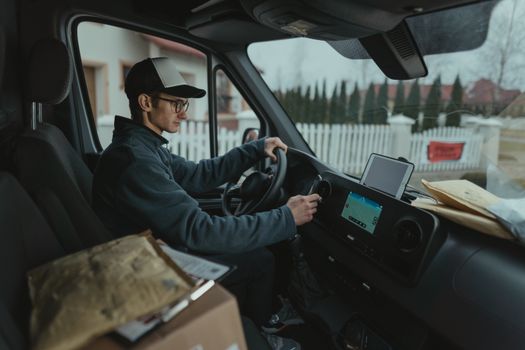 Photo: Tima Miroshnichenko / Pexels
 Photo: Tima Miroshnichenko / Pexels
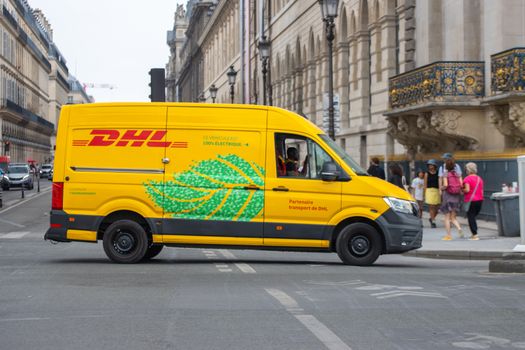 Photo: Efrem Efre / Pexels