Mastering International Logistics Services USA
international logistics services usa

Mastering International Logistics Services USA

Unlock seamless global trade and optimize your supply chain with premier international logistics expertise across the United States.

Get Your Free Logistics Quote

Key Takeaways

  • ✓ The US processes billions in international trade annually, requiring robust logistics.
  • ✓ Customs compliance is a major hurdle for many businesses, often leading to delays and fines.
  • ✓ Intermodal transport solutions are crucial for efficient international cargo movement.
  • ✓ Technology, like AI and IoT, is rapidly transforming international logistics operations.

How It Works

1
Initial Consultation & Needs Assessment

We begin by understanding your specific cargo, routes, timelines, and budget. This allows us to tailor a logistics strategy that perfectly aligns with your business goals.

2
Route Planning & Carrier Selection

Our experts design the most efficient and cost-effective shipping routes, selecting reliable carriers whether by air, sea, rail, or road. We consider transit times, costs, and cargo specific requirements.

3
Documentation & Customs Clearance

We meticulously prepare all necessary export/import documentation and manage the complex customs clearance process. This ensures compliance and avoids costly delays at borders.

4
Real-time Tracking & Delivery

Throughout the entire journey, your shipment is tracked in real-time, providing transparency and peace of mind. We ensure timely and secure delivery to its final destination.

The Intricacies of Global Supply Chain Management in the USA
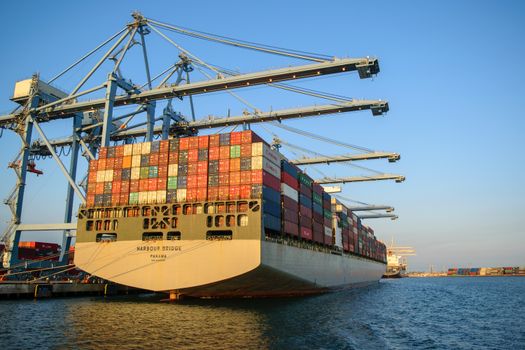
A large container ship at an industrial harbor with cranes under a clear blue sky. Photo: Thomas Parker / Pexels
The United States, as a global economic powerhouse, sits at the nexus of intricate international trade networks. For businesses operating within or looking to expand their reach to and from the US, navigating the complexities of global supply chain management is not just an advantage—it's a necessity. International logistics services in the USA encompass a vast array of specialized functions designed to facilitate the smooth, efficient, and compliant movement of goods across national borders. This isn't merely about moving a box from point A to point B; it's about orchestrating a symphony of processes that include freight forwarding, customs brokerage, warehousing, distribution, cargo insurance, and often, specialized handling for different types of goods, from perishable items to oversized machinery. Understanding the landscape begins with recognizing the sheer volume and diversity of trade. US ports, airports, and border crossings handle millions of tons of cargo annually, originating from or destined for nearly every country on earth. Each shipment comes with its unique set of requirements, regulations, and potential challenges. A robust international logistics partner in the USA acts as your strategic ally, possessing the expertise to untangle these complexities. They leverage deep knowledge of international trade laws, tariffs, treaties, and local regulations, ensuring that your goods comply with all necessary standards, whether they are entering the US market or departing for foreign shores. This proactive approach minimizes risks of delays, fines, and unforeseen costs that can severely impact profitability and reputation. Furthermore, effective global supply chain management goes beyond mere compliance; it seeks to optimize every stage of the journey. This involves strategic planning for warehousing and distribution centers, choosing the most efficient modes of transport, and implementing advanced inventory management systems. For instance, selecting the right port of entry or exit based on inland transportation networks can significantly reduce transit times and costs. The integration of technology, such as advanced analytics and real-time tracking, further enhances visibility and control, allowing businesses to make informed decisions and respond proactively to any disruptions. Without specialized international logistics services in the USA, businesses risk becoming bogged down in administrative burdens, facing unpredictable shipping times, and incurring avoidable expenses, ultimately hindering their ability to compete effectively in the global marketplace. The true value lies in transforming potential obstacles into streamlined, predictable, and cost-effective operations, paving the way for sustained international growth and competitive advantage. Learn more about optimizing your logistics strategy.

Key Components of Comprehensive International Shipping Solutions
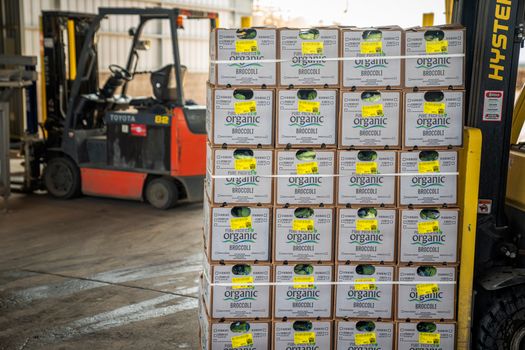
Forklift managing stacks of organic broccoli boxes for shipment in a warehouse setting. Photo: Mark Stebnicki / Pexels
A successful international logistics strategy in the USA is built upon several interconnected pillars, each crucial for the seamless movement of goods across borders. The first and often most visible component is freight forwarding. Freight forwarders act as intermediaries between shippers and various transportation services, including ocean liners, air cargo carriers, trucking companies, and railroads. They consolidate shipments, negotiate rates, and manage the complex logistics of moving goods, ensuring they reach their destination efficiently and economically. Their expertise in choosing the optimal mode of transport – whether it's faster air freight for time-sensitive goods or more economical ocean freight for bulk cargo – is invaluable. Next, customs brokerage is an indispensable element. Navigating the labyrinthine world of customs regulations, tariffs, duties, and import/export declarations can be overwhelming for businesses. A skilled customs broker, licensed by the US Customs and Border Protection, ensures that all documentation is accurate, complete, and submitted on time. They classify goods according to the Harmonized Tariff Schedule (HTS), calculate duties and taxes, and facilitate clearance, preventing costly delays and potential penalties. Their deep understanding of trade agreements, such as the USMCA, can also help businesses leverage preferential duty rates, leading to significant cost savings. Warehousing and distribution services form another critical link in the international supply chain. Once goods arrive in the US or are prepared for export, they often require temporary storage, consolidation, deconsolidation, or value-added services like kitting, labeling, or quality control. Strategically located warehouses near major ports or transportation hubs can optimize inventory management and accelerate final mile delivery. Effective distribution networks ensure that goods are transported efficiently from the warehouse to their ultimate destination, whether it's a retail store, a customer's doorstep, or another manufacturing facility. This often involves a combination of trucking, rail, and regional parcel services, all managed to meet specific delivery windows and customer expectations. Finally, cargo insurance and risk management are paramount. International shipping inherently involves risks, from damage and loss to theft and natural disasters. Comprehensive cargo insurance protects your financial investment against these unforeseen events. A reputable international logistics provider will also offer robust risk management strategies, including secure packaging, real-time tracking, and contingency planning, to mitigate potential disruptions. By integrating these key components, businesses can establish a resilient and efficient global supply chain, minimizing risks and maximizing operational effectiveness within the dynamic US market and beyond. This holistic approach ensures that every aspect of the journey, from origin to final delivery, is expertly managed, providing peace of mind and allowing businesses to focus on their core competencies.

Leveraging Technology for Enhanced Supply Chain Optimization

Three autonomous delivery robots parked outside a building, showcasing modern technology. Photo: Kindel Media / Pexels
In the modern era, the landscape of international logistics services in the USA is being continually reshaped by technological advancements. Leveraging cutting-edge technology is no longer a luxury but a fundamental requirement for achieving optimal supply chain efficiency, transparency, and resilience. One of the most impactful innovations is the widespread adoption of Supply Chain Management (SCM) software and Enterprise Resource Planning (ERP) systems. These platforms integrate various functions of the supply chain, from procurement and inventory management to order fulfillment and transportation, providing a holistic view of operations. This integration allows for better forecasting, reduced waste, and improved decision-making across the entire global network. Real-time data analytics, powered by these systems, can identify bottlenecks, predict potential disruptions, and optimize routes and inventory levels, ensuring that goods move through the pipeline with maximum speed and minimal cost. Furthermore, the Internet of Things (IoT) is revolutionizing cargo tracking and monitoring. IoT sensors embedded in shipments or containers can provide continuous updates on location, temperature, humidity, and even shock levels. This real-time visibility is crucial for sensitive goods like pharmaceuticals or perishables, allowing for immediate intervention if conditions deviate from required parameters. For instance, a sensor detecting an unauthorized temperature spike in a refrigerated container can trigger an alert, enabling logistics providers to reroute or take corrective action before product spoilage occurs. This level of granular control significantly enhances product integrity and reduces losses. Automation and robotics are also playing an increasingly vital role, particularly in warehousing and distribution. Automated guided vehicles (AGVs), robotic arms, and automated storage and retrieval systems (AS/RS) are transforming traditional warehouses into smart facilities. These technologies accelerate order picking, improve inventory accuracy, and reduce labor costs, leading to faster throughput and more efficient fulfillment of international orders. The use of drones for inventory checks and last-mile delivery pilot programs further illustrates the innovative spirit permeating the logistics sector. Blockchain technology offers another layer of security and transparency. By creating an immutable, distributed ledger of all transactions and movements, blockchain can significantly enhance trust and accountability across the complex web of international trade participants. This can streamline customs processes, reduce fraud, and provide verifiable proof of origin and compliance. As businesses seek greater control and resilience in their global operations, the strategic implementation of these technologies by international logistics services in the USA becomes a critical differentiator. It transforms what was once a series of disparate processes into a highly connected, intelligent, and responsive ecosystem, capable of meeting the dynamic demands of global commerce. Explore advanced logistics solutions for your business.

Choosing the Right International Logistics Partner: Tips & Common Mistakes

Close-up of a professional handshake symbolizing agreement and partnership in business. Photo: Mikhail Nilov / Pexels
Selecting the appropriate international logistics services in the USA is a pivotal decision that can significantly impact your business's global reach, profitability, and customer satisfaction. It's not a one-size-fits-all scenario, and making an informed choice requires careful consideration. Here are some critical tips and common mistakes to avoid: **Tips for Choosing Your Partner:** * **Assess Their Expertise and Network:** Look for a provider with deep knowledge of the specific trade lanes you operate in and a robust global network of agents and partners. Do they have experience with your type of cargo (e.g., hazmat, oversized, temperature-controlled)? * **Technology Integration:** Ensure they utilize modern SCM software, real-time tracking, and communication platforms. This transparency is crucial for managing expectations and proactive problem-solving. * **Customs Brokerage Capability:** Verify they have in-house or closely integrated customs brokerage services with a strong track record of compliance and efficient clearance. * **Customer Service and Communication:** A responsive and proactive communication strategy is vital. You need a partner who keeps you informed and is readily available to address concerns. * **Scalability and Flexibility:** Your logistics needs may evolve. Choose a partner that can scale their services up or down to accommodate changes in volume, seasonality, or market demands. * **Insurance and Risk Management:** Understand their cargo insurance offerings and their strategies for mitigating risks like theft, damage, or unforeseen delays. * **References and Reputation:** Request client references and check online reviews to gauge their reliability and service quality. **Common Mistakes to Avoid:** * **Solely Focusing on Price:** While cost is important, choosing the cheapest option without evaluating service quality, reliability, and hidden fees can lead to costly delays, damage, or compliance issues. * **Neglecting Due Diligence:** Don't skip background checks, license verification, and understanding their operational capabilities. A flashy website doesn't equate to reliable service. * **Underestimating Documentation Requirements:** Many businesses underestimate the complexity of international paperwork. Assuming your partner will handle everything without your input or providing accurate information can lead to significant customs hold-ups. * **Ignoring Insurance:** Shipping without adequate cargo insurance is a gamble that can wipe out profits if something goes wrong. Always ensure your goods are properly covered. * **Lack of Communication:** Failing to clearly communicate your expectations, specific cargo requirements, and timelines to your logistics provider can result in misunderstandings and service failures. * **Not Understanding Incoterms:** Misinterpreting Incoterms (International Commercial Terms) can lead to disputes over who is responsible for costs and risks at different stages of the shipping process. Ensure both parties are clear on the agreed-upon Incoterms. By diligently following these tips and avoiding common pitfalls, businesses can forge a strong, productive partnership with an international logistics provider in the USA, transforming a potential headache into a strategic asset that fuels global growth.

Comparison

FeatureFull-Service 3PLNiche Freight ForwarderIn-House Logistics
Scope of ServicesEnd-to-end supply chainSpecific transport modes/routesLimited to internal capabilities
Customs ExpertiseHigh, integrated brokerageVaries, often outsourcedRequires dedicated staff
ScalabilityVery HighModerateLow to Moderate
Technology & TrackingAdvanced WMS, TMS, visibilityBasic to moderate trackingManual or basic systems
Cost EfficiencyOptimized through volumeCompetitive for specific routesHigh overhead, less flexibility
Risk ManagementComprehensive, insuredFocus on transport risksInternal burden
Time SavingsSignificant for core businessModerate for shipping tasksMinimal, internal resource drain

What Readers Say

"Our experience with international logistics services USA has been transformative. They expertly handled our complex shipments to Asia, ensuring all documentation was perfect and delivery was on schedule every time. A true partner!"

Sarah Chen · Los Angeles, CA

"We've tried several providers, but this team stands out. Their customs brokerage expertise for our European imports saved us from multiple potential delays and fines. Their communication is top-notch, always keeping us informed."

Mark Johnson · New York, NY

"By outsourcing our international logistics services in the USA, we reduced our shipping costs by 15% and improved transit times by 20%. The real-time tracking is invaluable for our perishable goods."

Priya Sharma · Houston, TX

"While there was a minor delay on one shipment due to unforeseen port congestion, their proactive communication and quick resolution were impressive. They genuinely care about minimizing disruption for their clients."

David Lee · Chicago, IL

"As a small e-commerce business, navigating global shipping felt impossible. These international logistics services USA made it easy, handling everything from warehousing to final delivery for our South American expansion. Highly recommend!"

Emily Rodriguez · Miami, FL

Frequently Asked Questions

What are the primary benefits of using international logistics services in the USA?

The primary benefits include streamlined global operations, reduced shipping costs through optimized routes and carrier selection, enhanced customs compliance to avoid delays and fines, real-time visibility of shipments, and access to specialized expertise in international trade laws and regulations. This allows businesses to focus on their core competencies while ensuring efficient and secure global movement of goods.

How do international logistics services handle customs clearance for US imports/exports?

They typically employ licensed customs brokers who are experts in US Customs and Border Protection (CBP) regulations. These brokers prepare and submit all necessary documentation, classify goods according to the Harmonized Tariff Schedule, calculate duties and taxes, and facilitate the clearance process to ensure goods move across borders legally and efficiently, minimizing delays.

Can international logistics providers help with managing complex global supply chains?

Absolutely. Comprehensive international logistics providers specialize in end-to-end supply chain management. They can assist with everything from initial sourcing and procurement to warehousing, inventory management, multi-modal transportation, and final mile delivery, integrating all these elements into a cohesive and optimized global strategy.

What is the typical cost structure for international logistics services in the USA?

The cost structure can vary widely based on cargo type, volume, destination, mode of transport, and required services (e.g., warehousing, customs brokerage, insurance). Costs generally include freight charges, customs duties and taxes, terminal handling fees, documentation fees, and potentially surcharges for fuel or special handling. Reputable providers offer transparent quotes.

How do third-party logistics (3PL) providers compare to in-house international logistics teams?

3PLs offer specialized expertise, extensive networks, advanced technology, and scalability that in-house teams often lack, potentially leading to greater efficiency and cost savings. In-house teams provide more direct control but require significant investment in staff, technology, and infrastructure, which can be prohibitive for many businesses seeking global reach.

Who should consider using international logistics services in the USA?

Any business involved in importing or exporting goods to or from the United States can benefit. This includes e-commerce businesses expanding globally, manufacturers sourcing materials internationally, distributors managing complex supply chains, and companies seeking to optimize their global trade operations, regardless of size or industry.

What measures do international logistics services take to ensure cargo safety and security?

They implement robust security protocols including secure warehousing, real-time tracking, tamper-evident seals, and often adhere to international security standards like C-TPAT. They also offer comprehensive cargo insurance to protect against loss, damage, or theft during transit, providing financial security for your valuable goods.

What future trends are impacting international logistics services in the USA?

Key trends include increased adoption of AI and machine learning for predictive analytics and route optimization, greater use of automation and robotics in warehouses, the growing importance of sustainability and green logistics practices, and continued emphasis on supply chain resilience through diversification and advanced risk management strategies.

Ready to simplify your global trade and elevate your business's international reach? Contact us today to discover how our expert international logistics services in the USA can transform your supply chain into a competitive advantage. Get a customized quote and start your journey towards seamless global operations.

Topics: international logistics services usaglobal shipping solutionssupply chain optimizationcustoms brokeragefreight forwarding
Leo List
Brampton weed
Adultwork EstrelaBet Vai de Bet R7 Bet Betão Galera Bet Rainbet Bet9ja Shop SportyBet BetKing Sisal Loto Foot Hollywoodbets YesPlay Odibets RushBet Jugabet BetWarrior BetCity MSport betPawa Fortebet