✓ Logistics automation can reduce operational costs by up to 30%.
✓ Automated systems improve order accuracy rates to over 99%.
✓ The global logistics automation market is projected to reach $80 billion by 2026.
✓ Implementing automation can increase warehouse throughput by 2x or more.
How It Works
1
Assessment & Strategy
Identify bottlenecks, analyze current workflows, and define automation goals. A tailored strategy is then developed to address specific operational needs and maximize ROI.
2
Technology Integration
Deploy a suite of technologies such as AGVs, AS/RS, WMS, and robotics. Seamless integration ensures data flow and coordinated operations across the supply chain.
3
System Optimization
Fine-tune automated processes based on real-time data and performance metrics. Continuous optimization ensures the system operates at peak efficiency and adapts to changing demands.
4
Training & Support
Provide comprehensive training for staff to manage and maintain the new automated systems. Ongoing support ensures smooth operation and quick resolution of any issues.
The Imperative for Advanced Logistics Automation Solutions
Photo: Peter Xie / Pexels
In today's hyper-competitive and rapidly evolving global marketplace, businesses in the US face unprecedented pressure to deliver goods faster, more accurately, and at a lower cost. The traditional manual approach to logistics, once the backbone of supply chains, is increasingly proving to be inefficient, error-prone, and unsustainable. This is where advanced logistics automation solutions emerge not merely as an advantage, but as an absolute imperative for survival and growth. From bustling urban distribution centers to sprawling rural warehouses, the demand for sophisticated systems that can handle the complexities of modern commerce is surging. This section delves into the foundational reasons why embracing automation is no longer optional but a critical strategic move for any forward-thinking enterprise.
One of the primary drivers for adopting logistics automation is the relentless pursuit of operational efficiency. Manual processes are inherently limited by human speed, endurance, and susceptibility to error. Automation, conversely, introduces a level of precision and consistency that is virtually unattainable through human labor alone. Automated Guided Vehicles (AGVs) can transport materials tirelessly across vast warehouse floors, optimizing routes and reducing transit times. Automated Storage and Retrieval Systems (AS/RS) can retrieve and store inventory with pinpoint accuracy and incredible speed, maximizing storage density and minimizing retrieval times. These technological advancements translate directly into faster order fulfillment, reduced lead times, and a significant boost in overall productivity. For businesses grappling with rising labor costs and a shrinking workforce, automation provides a sustainable solution to maintaining high operational standards.
Beyond efficiency, cost reduction stands as another compelling reason. While the initial investment in logistics automation solutions can be substantial, the long-term savings are often profound. Reduced labor dependency, minimized product damage due to human error, optimized energy consumption through intelligent system design, and better utilization of existing space all contribute to a significant decrease in operational expenditures. Consider the impact of fewer misplaced items or fewer damaged shipments – these seemingly small improvements accumulate into substantial financial gains over time. Moreover, automation helps businesses scale operations without a proportional increase in labor costs, offering a flexible and cost-effective way to meet fluctuating demand. The ability to process more orders with fewer resources directly impacts the bottom line, freeing up capital that can be reinvested in innovation or market expansion.
Furthermore, customer expectations have reached an all-time high, largely driven by the 'Amazon effect' of rapid, accurate, and often free delivery. To meet these demands, businesses must possess a supply chain that is both agile and resilient. Logistics automation solutions provide the agility needed to adapt quickly to market shifts, handle peak seasons with ease, and respond to unforeseen disruptions. Robotics, for instance, can be reprogrammed to handle new product lines or different packaging requirements much faster than retraining a human workforce. This adaptability is crucial for maintaining customer satisfaction and retaining market share in a volatile environment. The precision of automated systems also dramatically reduces order fulfillment errors, leading to fewer returns, fewer customer complaints, and ultimately, a stronger brand reputation built on reliability and trust. The strategic advantages gained through enhanced customer experience and increased operational flexibility solidify the argument for widespread adoption of these transformative technologies.
Key Technologies Powering Modern Logistics Automation
Photo: EqualStock IN / Pexels
The landscape of logistics automation is rich with innovative technologies, each designed to address specific challenges within the supply chain. Understanding these key components is crucial for any business looking to implement effective logistics automation solutions. The integration of these diverse technologies creates a synergistic effect, where the whole is far greater than the sum of its parts, leading to truly transformative operational capabilities. From the moment goods enter a facility to their final dispatch, automation can touch every single process, enhancing speed, accuracy, and overall control.
One of the most foundational technologies is the Warehouse Management System (WMS). More than just inventory tracking software, a modern WMS is the central nervous system of an automated warehouse. It orchestrates the movement of goods, optimizes storage locations, manages order fulfillment workflows, and integrates seamlessly with other automated equipment like conveyors, AS/RS, and robotics. A sophisticated WMS uses real-time data to make intelligent decisions, such as dynamic slotting for faster picking or optimizing replenishment cycles. It provides comprehensive visibility into inventory levels, order status, and operational performance, empowering managers to make data-driven decisions and proactively address potential issues. Without a robust WMS, even the most advanced physical automation hardware would operate in a silo, unable to realize its full potential.
Automated Guided Vehicles (AGVs) and their more advanced cousins, Autonomous Mobile Robots (AMRs), represent a significant leap in material handling. AGVs follow predefined paths, typically using wires, magnetic strips, or optical sensors, to transport pallets, carts, or individual items across the warehouse floor. AMRs, on the other hand, use sophisticated sensors, cameras, and onboard intelligence to navigate dynamic environments without fixed paths. They can identify and avoid obstacles, choose optimal routes, and even collaborate with human workers. These robots dramatically reduce the need for manual material transport, alleviating strenuous tasks, minimizing human error, and accelerating throughput. They are particularly effective in large facilities where distances between picking, packing, and shipping stations are considerable.
Automated Storage and Retrieval Systems (AS/RS) are another cornerstone of modern logistics automation. These systems are designed for high-density storage and rapid, automated retrieval of inventory. They come in various forms, including crane-based systems for pallets, mini-load systems for cartons, and shuttle systems for totes. AS/RS significantly reduces the footprint required for storage, maximizes vertical space utilization, and provides extremely fast and accurate access to stored items. This not only saves valuable warehouse space but also streamlines the picking process, as items are brought directly to pickers, eliminating the need for extensive travel time. Combined with a WMS, AS/RS ensures that inventory is always precisely located and readily available.
Robotics, beyond just AGVs and AMRs, play an increasingly vital role in tasks such as picking, packing, and sorting. Collaborative robots (cobots) work alongside human employees, assisting with repetitive or ergonomically challenging tasks. Robotic arms equipped with advanced vision systems can identify, pick, and place diverse items with remarkable precision and speed, even handling delicate or irregularly shaped goods. Automated sorting systems, utilizing conveyors and diverters, can rapidly sort thousands of packages per hour, directing them to the correct shipping lanes. These robotic solutions reduce labor intensity, improve throughput, and enhance accuracy, particularly in high-volume operations where speed and consistency are paramount. The continuous evolution of AI and machine learning further enhances the capabilities of these robotic systems, making them more adaptable and intelligent over time.
Implementing Logistics Automation: A Strategic Roadmap for Success
Photo: Artem Podrez / Pexels
Embarking on a journey to implement logistics automation solutions is a significant strategic undertaking that requires careful planning, a clear vision, and a phased approach. It's not simply about purchasing new equipment; it’s about transforming your operational processes, culture, and ultimately, your competitive posture. A well-executed implementation can yield substantial returns, but a haphazard one can lead to costly delays and suboptimal outcomes. This section outlines a strategic roadmap to guide businesses through the complexities of integrating automation into their logistics operations, ensuring a smooth transition and maximizing the benefits.
The first critical step is a comprehensive assessment and goal definition. Before investing in any technology, businesses must thoroughly analyze their current logistics operations. This involves identifying existing bottlenecks, inefficiencies, and pain points across the entire supply chain, from inbound receiving to outbound shipping. What are the highest labor costs? Where are the most errors occurring? Which processes are limiting throughput? Once these areas are identified, clear, measurable goals for automation must be established. These goals should be specific, such as reducing picking errors by 50% or increasing warehouse throughput by 30%. Understanding the 'why' behind the automation initiative will inform every subsequent decision and ensure alignment with broader business objectives. This initial phase often involves detailed data analysis and process mapping to create a baseline for future comparison.
Following the assessment, a technology selection and solution design phase is crucial. With a myriad of logistics automation solutions available, choosing the right combination of technologies is paramount. This requires evaluating different options based on their suitability for your specific operational needs, scalability, integration capabilities with existing systems, and total cost of ownership. It might involve a combination of AGVs, AS/RS, robotic picking systems, advanced WMS, and even IoT devices for real-time tracking. Engaging with experienced automation integrators or consultants can be invaluable during this stage, as they can provide expert guidance and help design a customized solution that addresses your unique challenges. The design should also consider future expansion and flexibility, ensuring the chosen systems can adapt as your business evolves. Supply chain optimization efforts are intrinsically linked to this decision-making process.
The implementation phase itself should be approached systematically, often in stages to minimize disruption to ongoing operations. Rather than attempting a 'big bang' approach, many businesses find success by piloting new systems in a confined area or automating specific processes incrementally. This allows for testing, fine-tuning, and problem-solving on a smaller scale before wider deployment. Proper project management, including clear timelines, milestones, and responsibilities, is essential. During this phase, rigorous testing of all integrated systems is critical to ensure they perform as expected and communicate seamlessly with each other. Data migration from legacy systems to new WMS platforms also requires meticulous planning and execution to avoid data loss or inaccuracies.
Finally, the success of logistics automation hinges on comprehensive training and continuous optimization. Technology is only as effective as the people who operate and maintain it. Investing in thorough training programs for your workforce is non-negotiable. This includes not only operators but also maintenance technicians, IT staff, and management, ensuring everyone understands their role in the new automated environment. Post-implementation, the work doesn't stop. Continuous monitoring of system performance, data analysis, and proactive identification of areas for improvement are vital. As market conditions change and technology evolves, so too should your automated processes. Regular audits, software updates, and potential hardware upgrades will ensure your logistics automation solutions remain cutting-edge and continue to deliver maximum value over their lifespan. This iterative approach to optimization ensures long-term success and adaptability.
Common Pitfalls and Best Practices in Logistics Automation Solutions
Photo: Tiger Lily / Pexels
While the benefits of logistics automation solutions are undeniable, the path to successful implementation is not without its challenges. Businesses that rush into automation without proper planning or foresight often encounter common pitfalls that can lead to costly setbacks and missed opportunities. Understanding these potential traps and adopting best practices can significantly increase the likelihood of a smooth transition and a maximized return on investment. It's about smart automation, not just automation for automation's sake.
**Common Pitfalls:**
* **Lack of Clear Objectives:** Automating without a precise understanding of what problems you're trying to solve or what outcomes you expect can lead to solutions that don't align with business needs. This results in wasted investment and underutilized technology.
* **Underestimating Integration Complexity:** Modern logistics systems are highly interconnected. Failing to adequately plan for the integration of new automation hardware and software with existing IT infrastructure (ERP, WMS, TMS) can cause significant operational disruptions and data silos.
* **Ignoring Employee Training and Buy-in:** Automation often changes job roles. Neglecting to involve employees early, provide adequate training, and address concerns about job security can lead to resistance, low morale, and operational inefficiencies as staff struggle to adapt.
* **Insufficient Data Analysis:** Automation relies heavily on data. Without robust data collection, analysis, and interpretation capabilities, businesses cannot accurately assess performance, identify areas for improvement, or make informed decisions about system optimization.
* **Overlooking Scalability and Flexibility:** Investing in rigid solutions that cannot scale with growth or adapt to changing market demands can quickly render an automation system obsolete, requiring costly reconfigurations or replacements.
**Best Practices for Success:**
* **Start Small, Think Big:** Begin with pilot projects or automate specific, high-impact processes to gain experience and demonstrate ROI. This builds confidence and provides valuable insights before a wider rollout.
* **Prioritize Data-Driven Decisions:** Implement robust data analytics tools to continuously monitor performance, identify trends, and make informed adjustments to your automation strategy. Real-time data is your most powerful asset.
* **Foster a Culture of Continuous Improvement:** Automation is not a one-time project. Regularly review and optimize your automated processes, seeking feedback from employees and leveraging new technological advancements.
* **Partner with Experts:** Collaborate with experienced automation integrators, technology providers, and consultants who understand your industry and can guide you through the complexities of design, implementation, and ongoing support.
* **Invest in Your Workforce:** Provide comprehensive training, reskilling opportunities, and clear communication about the benefits of automation. Empower employees to become proficient users and even innovators within the new automated environment.
* **Focus on Integration:** Ensure all new automation technologies seamlessly integrate with your existing IT ecosystem. A unified system provides complete visibility and optimized workflows across your entire supply chain.
Comparison
Feature
Automated Warehouse
Semi-Automated Warehouse
Manual Warehouse
Initial Investment
High
Medium
Low
Operational Costs
Low
Medium
High
Throughput Speed
Very High
High
Low
Accuracy Rate
✓
✓
✗
Scalability
High
Medium
Low
Labor Dependency
Low
Medium
High
Space Utilization
Very High
High
Medium
What Our Readers Say
5★★★★★
"Our logistics automation solutions transformed our order fulfillment. We've seen a 25% increase in throughput and a significant reduction in picking errors since implementation."
Sarah ChenDallas, TX
5★★★★★
"The AGV system integrated perfectly with our WMS. It's incredible how much faster and more reliably materials move through our facility now."
Mark JohnsonChicago, IL
5★★★★★
"We reduced our operational costs by nearly 30% within the first year thanks to their comprehensive logistics automation solutions. The ROI was almost immediate."
Emily RodriguezLos Angeles, CA
4★★★★☆
"The implementation process had a few minor hiccups, as expected with complex tech, but the support team was exceptional. Our new AS/RS is a game-changer for inventory management."
David LeeAtlanta, GA
5★★★★★
"As a third-party logistics provider, efficiency is everything. These logistics automation solutions have allowed us to offer faster, more accurate services to our clients, giving us a competitive edge."
Jessica WhiteNew York, NY
Frequently Asked Questions
What are the primary benefits of implementing logistics automation solutions?
The primary benefits include significant reductions in operational costs, increased operational efficiency and throughput, improved order accuracy, enhanced inventory visibility, better utilization of warehouse space, and improved worker safety by automating hazardous or repetitive tasks. It allows businesses to scale more effectively and meet rising customer expectations for faster delivery.
Is logistics automation only for large enterprises?
While large enterprises often have the resources for extensive automation, there are scalable logistics automation solutions available for businesses of all sizes. Smaller and medium-sized businesses can start with modular solutions like basic AGVs, automated sortation, or advanced WMS, scaling up as their needs and budget allow. The key is to identify specific bottlenecks and automate those first.
How do I choose the right logistics automation solutions for my business?
Start by conducting a thorough analysis of your current operations, identifying pain points, and defining clear objectives. Then, research different technologies (WMS, AGVs, AS/RS, robotics) and assess their suitability. Consider factors like scalability, integration with existing systems, vendor support, and total cost of ownership. Partnering with an experienced automation consultant can provide invaluable guidance.
What is the typical ROI for logistics automation solutions?
The Return on Investment (ROI) for logistics automation can vary widely depending on the scope of the project, the technologies implemented, and the existing inefficiencies. However, many businesses report achieving ROI within 1-3 years due to significant savings in labor, reductions in errors, increased throughput, and improved customer satisfaction. Long-term benefits often far outweigh the initial investment.
How do logistics automation solutions compare to traditional manual logistics?
Logistics automation solutions offer superior speed, accuracy, consistency, and scalability compared to traditional manual logistics. While manual systems are flexible and have lower upfront costs, they are prone to human error, limited by labor availability, and less efficient in high-volume operations. Automation minimizes these drawbacks, allowing for 24/7 operation and greater throughput.
Who typically benefits most from implementing logistics automation solutions?
Businesses operating in industries with high order volumes, complex inventory management, tight delivery windows, or significant labor costs typically benefit most. This includes e-commerce retailers, 3PL providers, manufacturing companies, food and beverage distributors, and pharmaceutical companies, all of whom can leverage automation to gain a competitive edge.
What are the safety implications of logistics automation?
Modern logistics automation solutions are designed with advanced safety features, including sensors, emergency stop buttons, and safety zones, to ensure safe operation alongside human workers. In many cases, automation can enhance safety by taking over dangerous or ergonomically challenging tasks, reducing the risk of workplace injuries for human employees. Proper training and safety protocols are always essential.
What are the future trends in logistics automation solutions?
Future trends include greater integration of AI and machine learning for predictive analytics and smarter decision-making, increased use of collaborative robots (cobots) working seamlessly with humans, wider adoption of drone technology for inventory checks and last-mile delivery, and the proliferation of IoT sensors for real-time visibility and proactive maintenance. Sustainability and energy efficiency will also continue to be key drivers in innovation.
Ready to revolutionize your supply chain and achieve unparalleled operational excellence? Explore our advanced logistics automation solutions today and discover how intelligent technology can drive your business forward. Contact us for a personalized consultation and unlock your full potential.
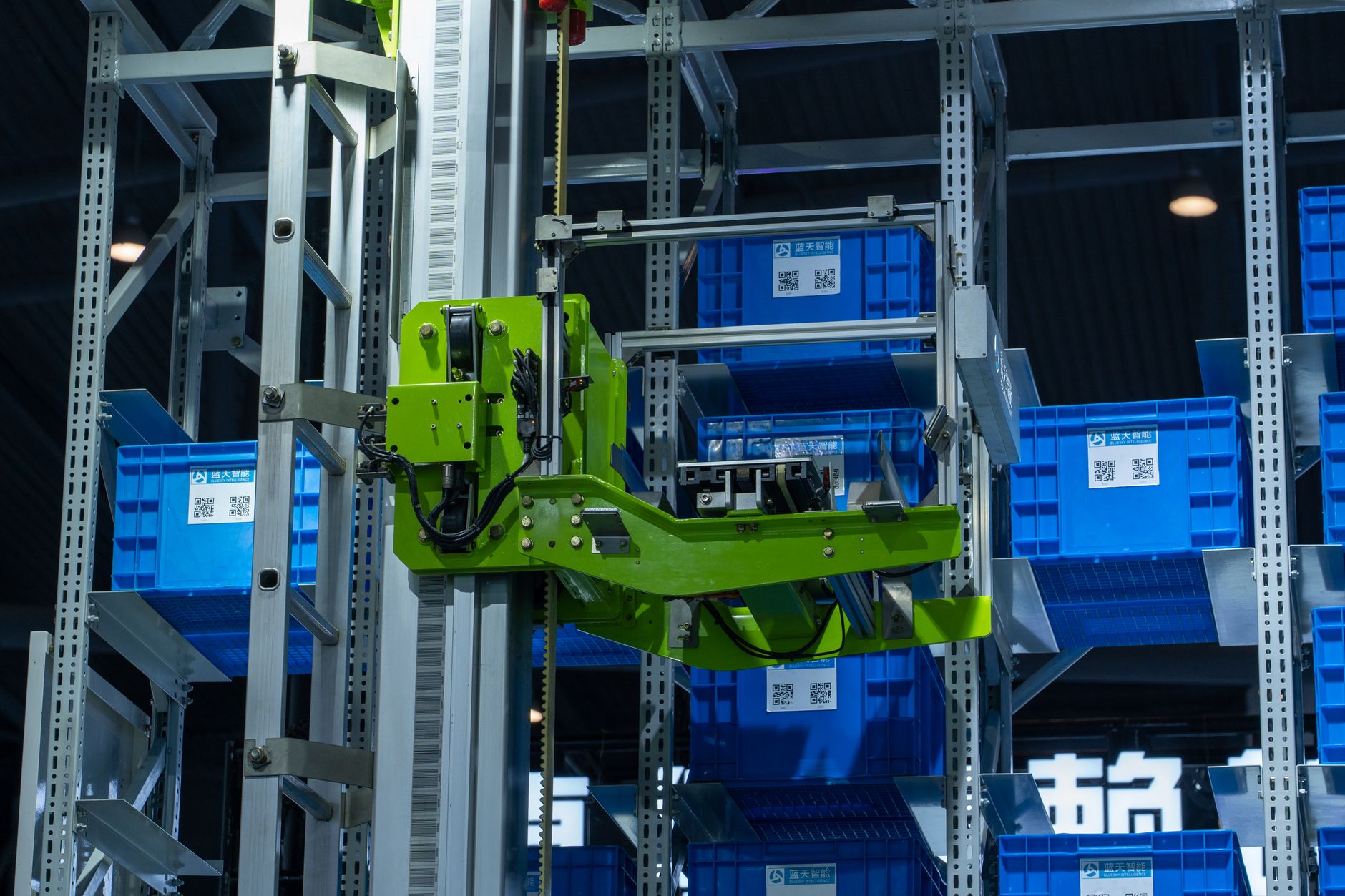
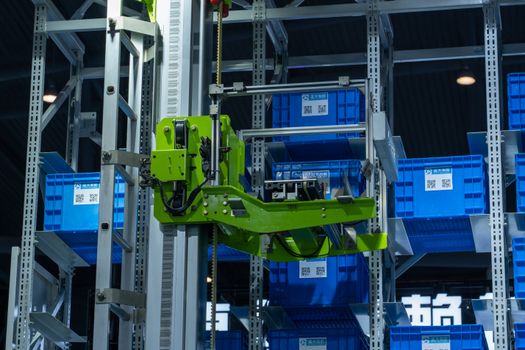 Photo: Peter Xie / Pexels
 Photo: EqualStock IN / Pexels
 Photo: Artem Podrez / Pexels
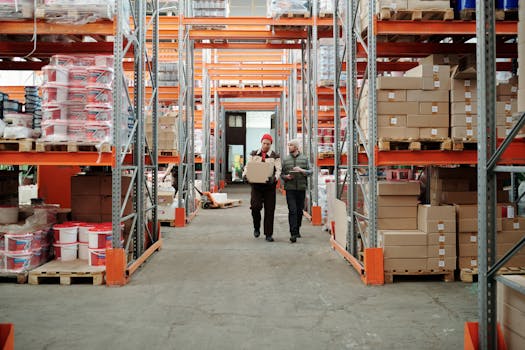 Photo: Tiger Lily / Pexels