✓ Global cold chain market projected to reach over $600 billion by 2026.
✓ Food and pharmaceuticals account for the largest segments of cold chain demand.
✓ Temperature excursions are a primary cause of product degradation and financial loss.
✓ Advanced IoT sensors and real-time monitoring are critical for effective cold chain management.
How It Works
1
Assessment & Strategy Development
We begin by thoroughly assessing your specific product requirements, geographic scope, and regulatory obligations. This forms the foundation for a customized cold chain strategy.
2
Technology Integration & Network Design
Next, we integrate cutting-edge monitoring technologies and design an optimized network of temperature-controlled facilities and transportation routes. This ensures continuous integrity.
3
Execution & Real-Time Monitoring
Our expert teams execute the logistics plan, employing specialized equipment and protocols. Real-time data monitoring provides constant visibility and allows for immediate intervention.
4
Compliance, Optimization & Reporting
We ensure strict adherence to all industry regulations and provide comprehensive reporting for audit trails and continuous improvement. Ongoing optimization refines processes for efficiency.
The Criticality of Temperature-Controlled Logistics in Modern Supply Chains
Photo: Tom Jackson / Pexels
In today's interconnected world, the integrity of temperature-sensitive goods is paramount. From life-saving pharmaceuticals to fresh produce, the journey from producer to consumer often spans vast distances and diverse environmental conditions. This is where robust cold chain logistics solutions become not just a preference, but an absolute necessity. A failure in maintaining the prescribed temperature range can lead to significant financial losses due to spoilage, degradation, or even outright destruction of products. Beyond the economic impact, the implications for public health and safety can be severe, especially for items like vaccines, insulin, or specialized biological samples. The US market, with its stringent regulatory frameworks and vast geographical spread, presents unique challenges and opportunities for businesses relying on these specialized logistics services. Companies must navigate a complex landscape of FDA regulations for food and drugs, USDA standards for agricultural products, and various state-specific requirements, all while ensuring efficiency and cost-effectiveness. The demand for reliable cold chain infrastructure has surged, driven by advancements in biotechnology, the growth of personalized medicine, and an increasing consumer expectation for fresh, high-quality food products year-round. This heightened demand necessitates a sophisticated approach to temperature management, encompassing everything from specialized warehousing and transportation to advanced monitoring and emergency response protocols. Investing in superior cold chain logistics solutions is, therefore, an investment in product quality, brand reputation, regulatory compliance, and ultimately, consumer trust. It's about creating a resilient supply chain that can withstand unforeseen disruptions and deliver on its promise of product integrity, every time. Understanding the nuances of these systems is crucial for any business operating within this vital sector, ensuring that their valuable cargo remains safe and effective throughout its entire journey. Effective logistics management is the backbone of this complex operation, ensuring seamless coordination and execution at every stage.
Key Components of Comprehensive Cold Chain Logistics Solutions
Photo: Tom Jackson / Pexels
A truly effective cold chain logistics solution is a multifaceted system, not merely a collection of refrigerated trucks. It comprises several critical components that work in concert to maintain a consistent temperature environment. The first cornerstone is specialized warehousing and storage facilities. These are not just cold rooms; they are sophisticated environments equipped with precise temperature and humidity controls, often segmented for different temperature ranges (e.g., frozen, refrigerated, controlled room temperature). They feature advanced insulation, backup power systems, and continuous monitoring to prevent excursions. Next, transportation plays a pivotal role. This includes a diverse fleet of temperature-controlled vehicles, such as reefer trucks, refrigerated containers for sea freight, and specialized air cargo units. The choice of transport depends on the product, volume, distance, and urgency. These vehicles are equipped with state-of-the-art refrigeration units, GPS tracking, and temperature data loggers. Packaging is another crucial element. Beyond basic insulation, advanced passive and active packaging solutions are employed. Passive packaging, like insulated containers with gel packs or dry ice, maintains temperature for a specific duration. Active packaging, such as temperature-controlled containers with integrated cooling/heating systems, offers more precise and longer-duration control. The role of technology cannot be overstated. Real-time monitoring systems, utilizing IoT sensors, GPS, and cloud-based platforms, provide continuous data on temperature, humidity, and location. This allows for proactive intervention and detailed audit trails. Data analytics helps identify patterns, predict potential issues, and optimize routes and processes. Finally, robust quality assurance and compliance protocols are indispensable. This involves strict adherence to Good Distribution Practices (GDP), FDA regulations, and other industry-specific standards. Regular audits, staff training, and contingency planning for unexpected events (like equipment failure or adverse weather) are integral to maintaining the integrity of the cold chain. Each of these components must be meticulously managed and integrated to deliver a seamless and reliable cold chain service, protecting sensitive products from origin to destination.
Innovations and Technologies Shaping the Future of Cold Chain
Photo: Andrea Musto / Pexels
The cold chain logistics landscape is constantly evolving, driven by technological advancements and increasing demands for precision and transparency. Innovations are revolutionizing how temperature-sensitive goods are managed, offering enhanced reliability and efficiency. One of the most significant trends is the proliferation of IoT (Internet of Things) devices. Smart sensors embedded within packaging, vehicles, and warehouses now provide real-time data on temperature, humidity, light exposure, and even shock. This granular visibility allows for immediate alerts in case of an excursion, enabling rapid corrective action and minimizing potential damage. Cloud-based platforms aggregate this data, offering comprehensive analytics and predictive capabilities that help identify potential risks before they materialize. Artificial Intelligence (AI) and Machine Learning (ML) are also playing a transformative role. These technologies can analyze vast datasets from past shipments, weather patterns, and traffic conditions to optimize routes, predict demand fluctuations, and proactively manage inventory. AI-powered systems can even learn from past temperature excursions to suggest preventative measures or alternative strategies, further enhancing the resilience of the cold chain. Automation, including robotic process automation (RPA) in warehouses and autonomous vehicles, is increasing efficiency and reducing human error. Automated storage and retrieval systems (AS/RS) ensure precise handling and storage conditions, while advanced sorting and picking robots expedite processing. Blockchain technology is emerging as a powerful tool for enhancing transparency and traceability within the cold chain. By creating an immutable, distributed ledger of every touchpoint and temperature reading, blockchain can provide an unparalleled level of trust and accountability, crucial for high-value or highly regulated products. This not only aids in compliance but also instills greater confidence among consumers and regulatory bodies. Furthermore, sustainable cold chain practices are gaining traction, with a focus on energy-efficient refrigeration systems, reusable packaging, and optimized logistics to reduce carbon footprints. These innovations collectively ensure that cold chain logistics solutions are not only more reliable but also more intelligent, efficient, and environmentally responsible, setting new standards for the industry. Explore more about logistics innovations and their impact.
Choosing the Right Cold Chain Logistics Solutions Partner: Tips and Common Mistakes
Photo: Tiger Lily / Pexels
Selecting the appropriate cold chain logistics solutions partner is a strategic decision that can significantly impact your business's success, compliance, and profitability. Here are critical tips and common pitfalls to avoid:
**Tips for Choosing a Partner:**
* **Assess Expertise and Experience:** Look for partners with a proven track record in your specific industry (e.g., pharma, food, chemicals). Do they understand the unique regulatory landscape and product requirements? Experience with similar cargo types is invaluable.
* **Technology and Infrastructure:** Evaluate their technological capabilities. Do they offer real-time monitoring, data analytics, and robust IT infrastructure? Are their facilities state-of-the-art and properly certified?
* **Compliance and Certifications:** Verify their adherence to relevant industry standards (e.g., GDP, FDA, USDA). Ask for copies of certifications and audit reports. Compliance failures can lead to severe penalties and product recalls.
* **Network and Coverage:** Ensure their network can adequately cover your required routes and destinations, both domestically and potentially internationally. Do they have contingency plans for disruptions?
* **Transparency and Communication:** A good partner provides clear communication channels, detailed reporting, and proactive problem-solving. You should have full visibility into your shipments.
* **Customer Service and Support:** Evaluate their responsiveness and commitment to client support. A dedicated account manager and 24/7 support are often crucial for sensitive shipments.
**Common Mistakes to Avoid:**
* **Prioritizing Cost Over Quality:** While cost is a factor, choosing the cheapest option can lead to compromises in temperature control, reliability, and compliance, ultimately costing more in damaged goods or regulatory fines.
* **Ignoring Scalability:** Don't choose a partner that can only handle your current volume. Ensure they have the capacity and flexibility to scale with your business growth and seasonal fluctuations.
* **Lack of Due Diligence:** Failing to thoroughly vet potential partners, including site visits, reference checks, and detailed contract reviews, can lead to unforeseen issues down the line.
* **Underestimating Regulatory Complexity:** Assuming all cold chain providers are equally compliant is a dangerous mistake. Regulations are complex and constantly evolving; ensure your partner is up-to-date and proactive.
* **Not Demanding Data and Reporting:** Without comprehensive data on temperature, transit times, and potential excursions, you lack the insights needed for continuous improvement and risk management. Always require detailed, accessible reporting.
* **Failing to Define KPIs:** Without clear Key Performance Indicators (KPIs) in your contract, it's difficult to objectively measure the partner's performance and hold them accountable. Define metrics like on-time delivery, temperature excursion rates, and claims ratios.
By carefully considering these factors, businesses can forge strong partnerships that safeguard their products and enhance their operational efficiency within the critical cold chain.
Comparison
Feature
Dedicated Cold Chain Carrier
General Freight Carrier (Reefer Service)
In-House Cold Chain
Specialization
High: Pharma, Biotech, Food
Medium: Perishables, some food
Variable: Dependent on internal investment
Compliance & Certs
Excellent: GDP, FDA, USDA
Good: Basic reefer certs
Good: Requires internal expertise & resources
Technology & Monitoring
Advanced: IoT, AI, Real-time
Basic: Temp logging, some GPS
Variable: Can be cutting-edge or rudimentary
Scalability
High: Expansive network, flexible
Medium: Fleet limitations
Low: High capital investment for expansion
Cost Efficiency
Medium-High: Premium service
Low-Medium: Standard rates
High: Capital expenditure, operational costs
Risk Management
Robust: Contingency plans, expertise
Moderate: Limited specialized response
Variable: Dependent on internal capabilities
Control & Visibility
High: Full data access, proactive alerts
Medium: Basic tracking
High: Direct control over operations
What Our Readers Say
5★★★★★
"Our pharmaceutical company relies heavily on precise temperature control. These cold chain logistics solutions have consistently delivered our sensitive biologics without a single temperature excursion, ensuring patient safety and product efficacy."
Sarah ChenSan Francisco, CA
5★★★★★
"As a national food distributor, spoilage was a constant concern. Since partnering with this cold chain provider, our waste has significantly reduced, and our customers receive consistently fresh produce. Their real-time monitoring is a game-changer."
David RamirezDallas, TX
5★★★★★
"We needed a solution for shipping specialty vaccines across multiple states. This company's cold chain logistics solutions provided impeccable service, maintaining exact temperatures and delivering on schedule, which directly led to a 15% reduction in transit-related product loss for us."
Maria LopezMiami, FL
4★★★★☆
"While the service is excellent and reliable, there was a minor delay in one shipment due to unforeseen weather. However, their communication was proactive, and they provided clear updates throughout, minimizing impact on our schedule."
Michael BrownChicago, IL
5★★★★★
"From laboratory samples to delicate diagnostic kits, our research facility has complex cold chain needs. This provider offers tailored solutions, including specialized packaging and expedited services, which are critical for our time-sensitive materials."
Emily WhiteNew York, NY
Frequently Asked Questions
What is cold chain logistics and why is it important for businesses in the US?
Cold chain logistics refers to the specialized management of temperature-sensitive products throughout their supply journey, from manufacturing to delivery. For US businesses, it's crucial for maintaining product integrity, ensuring regulatory compliance (FDA, USDA), reducing spoilage, and safeguarding public health, especially for pharmaceuticals, food, and chemicals.
How do cold chain logistics solutions prevent temperature excursions?
Cold chain solutions prevent excursions through a combination of specialized infrastructure, technology, and protocols. This includes insulated vehicles and warehouses, real-time IoT temperature monitoring, advanced packaging (gel packs, dry ice), redundant power systems, and trained personnel who follow strict temperature control guidelines.
What technologies are essential for modern cold chain logistics?
Essential technologies include IoT sensors for real-time temperature and humidity tracking, cloud-based data analytics platforms for visibility and predictive insights, GPS for location tracking, and potentially blockchain for enhanced traceability. Automation in warehouses and AI-driven route optimization also play significant roles.
How much do cold chain logistics solutions typically cost?
The cost of cold chain logistics solutions varies widely depending on factors like product type (e.g., frozen vs. refrigerated), volume, distance, required temperature precision, chosen transport mode, and level of technology integration. While generally higher than standard freight, the investment prevents costly spoilage, recalls, and regulatory fines, offering significant long-term value.
Are cold chain logistics solutions only for pharmaceuticals and food?
While pharmaceuticals and food are major segments, cold chain logistics solutions are also vital for a wide range of other industries. This includes chemicals, biological samples, certain high-tech components, cosmetics, and even some floricultural products that require specific temperature and humidity conditions to maintain quality and efficacy.
Who should consider implementing advanced cold chain logistics solutions?
Any business that handles products sensitive to temperature fluctuations should consider implementing advanced cold chain logistics solutions. This includes pharmaceutical manufacturers, biotech companies, food producers and distributors, agricultural exporters, chemical suppliers, and research institutions needing to transport delicate samples.
What are the biggest risks if cold chain integrity is compromised?
Compromised cold chain integrity can lead to significant risks including product spoilage or degradation, rendering goods unsafe or ineffective. This can result in financial losses from damaged inventory, product recalls, reputational damage, and severe regulatory penalties, especially for industries like pharmaceuticals where public health is at stake.
What future trends will impact cold chain logistics solutions?
Future trends include increased adoption of sustainable practices (eco-friendly refrigerants, reusable packaging), further integration of AI and machine learning for predictive analytics, expansion of drone and autonomous vehicle use for last-mile cold delivery, and enhanced blockchain applications for end-to-end transparency and security.
Elevate your supply chain and protect your valuable, temperature-sensitive products. Explore how our advanced cold chain logistics solutions can provide the reliability, compliance, and efficiency your business demands. Contact us today to secure your cold chain future.

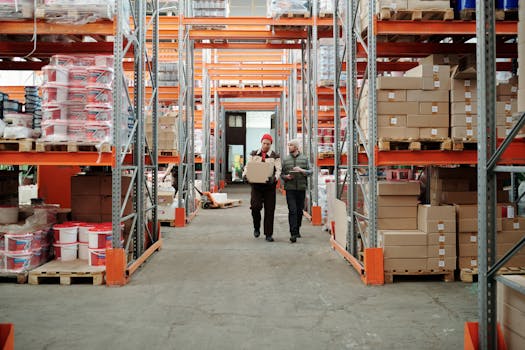 Photo: Tiger Lily / Pexels
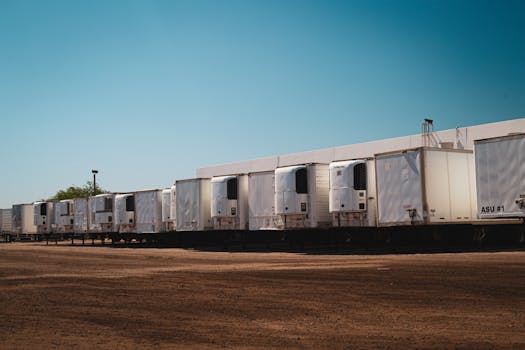 Photo: Tom Jackson / Pexels
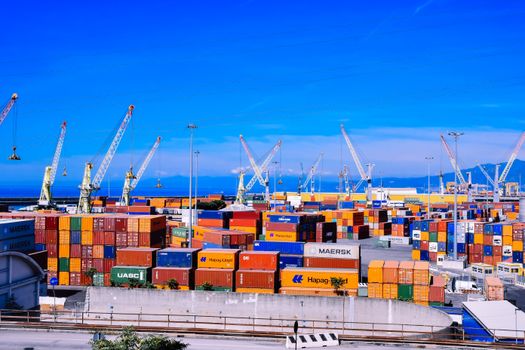 Photo: Andrea Musto / Pexels
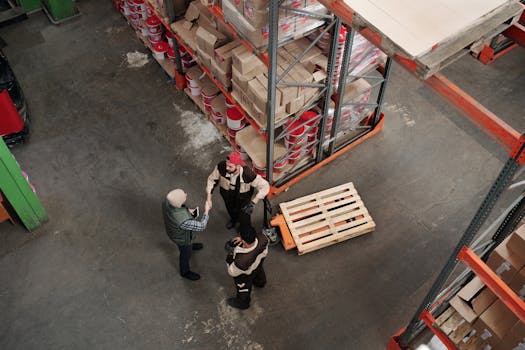 Photo: Tiger Lily / Pexels