
Top Logistics Technology Trends 2024: Innovate Your Supply Chain
logistics technology trends 2024

Top Logistics Technology Trends 2024: Innovate Your Supply Chain

Uncover the essential technological shifts transforming logistics, driving efficiency, resilience, and sustainability across the industry.

Dive into the Future

Key Takeaways

  • ✓ AI and Machine Learning are becoming indispensable for predictive analytics and optimization in logistics.
  • ✓ Automation, including robotics and autonomous vehicles, is rapidly expanding beyond the warehouse.
  • ✓ Sustainability and green logistics technologies are gaining paramount importance due to consumer and regulatory pressure.
  • ✓ Hyper-connectivity through IoT and 5G is enabling real-time visibility and data-driven decision-making.

How It Works

1
Assess Current Operations

Begin by thoroughly evaluating your existing logistics infrastructure, processes, and pain points. Identify areas where technology can offer the most significant improvements in efficiency, cost, or customer satisfaction.

2
Identify Key Technologies

Research and pinpoint the specific logistics technology trends 2024 that align with your operational needs and strategic goals. Consider solutions like AI-powered route optimization, warehouse automation, or advanced visibility platforms.

3
Pilot and Integrate Solutions

Implement chosen technologies on a smaller scale through pilot programs to test their efficacy and integrate them with existing systems. This iterative approach allows for adjustments and minimizes disruption before a full rollout.

4
Monitor, Optimize, and Scale

Continuously monitor the performance of new technologies, gather data, and refine processes based on insights. As successes are demonstrated, scale up the implementation across your entire logistics network for maximum impact and sustained improvement.

The AI & Machine Learning Revolution in Logistics Operations
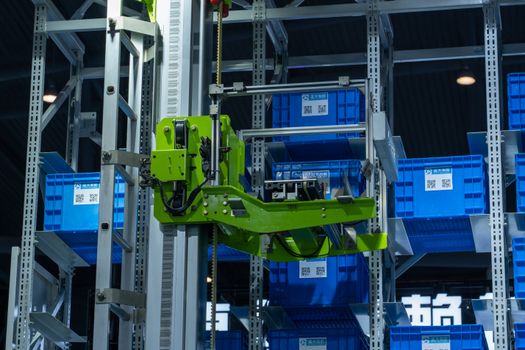
High-tech automated warehouse system featuring a green robotic arm handling blue storage crates. Photo: Peter Xie / Pexels
The landscape of logistics is undergoing a profound transformation, with Artificial Intelligence (AI) and Machine Learning (ML) emerging as pivotal forces driving innovation. These technologies are no longer confined to theoretical discussions but are actively being integrated into every facet of the supply chain, from forecasting and inventory management to route optimization and predictive maintenance. In 2024, the sophistication of AI algorithms allows for unprecedented levels of data analysis, enabling logistics providers to move beyond reactive problem-solving to proactive, intelligent decision-making. Predictive analytics, powered by ML, can now forecast demand with remarkable accuracy, taking into account a myriad of variables such as historical sales data, seasonal fluctuations, economic indicators, and even real-time weather patterns. This capability drastically reduces the risks of overstocking or understocking, optimizing inventory levels and minimizing carrying costs, which is a critical advantage in today's volatile market. Beyond forecasting, AI is revolutionizing route planning. Traditional route optimization software often relies on static data, but AI-driven systems dynamically adjust routes in real-time, considering traffic congestion, road closures, driver availability, and delivery windows. This leads to significant fuel savings, reduced delivery times, and improved customer satisfaction. Furthermore, AI is enhancing warehouse management by optimizing picking paths, automating sorting processes, and even predicting equipment failures before they occur, thereby minimizing downtime and maximizing operational efficiency. The ability of AI to process vast amounts of unstructured data, such as sensor readings from vehicles or customer feedback, provides actionable insights that were previously unattainable. This data-driven approach allows for continuous improvement across the entire logistics ecosystem, fostering a more agile and resilient supply chain. The integration of AI also extends to customer service, with AI-powered chatbots and virtual assistants providing instant support, tracking updates, and resolving queries, freeing up human resources for more complex tasks. As these technologies mature, their impact on reducing operational costs and enhancing service quality will only continue to grow, making AI and ML indispensable components of modern logistics strategies. The ethical implications and data privacy concerns associated with extensive data collection are also being addressed through robust governance frameworks, ensuring responsible and secure deployment of these powerful tools.

Automation & Robotics: Beyond the Warehouse Walls
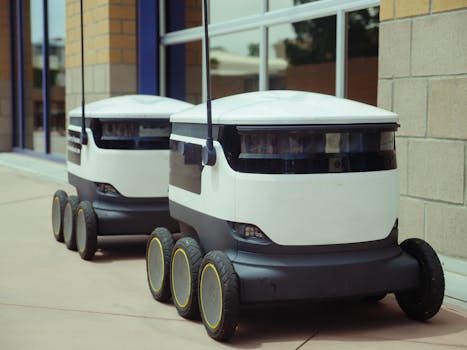
Two autonomous delivery robots positioned outside a modern building, showcasing innovation in robotics and mobility. Photo: Kindel Media / Pexels
While automation and robotics have been steadily permeating warehouse operations for years, 2024 marks a significant expansion of these technologies beyond traditional fulfillment centers. The new frontier involves the integration of autonomous systems into various stages of the supply chain, from first-mile collection to last-mile delivery. Automated Guided Vehicles (AGVs) and Autonomous Mobile Robots (AMRs) are becoming more sophisticated, navigating complex environments with greater autonomy and precision. These robots are not just moving goods within warehouses; they are being deployed in manufacturing facilities for material handling, in cross-docking operations for faster transshipment, and even in yard management for trailer movement. This broader application significantly reduces manual labor requirements, mitigates human error, and allows for 24/7 operations, leading to substantial gains in efficiency and throughput. The rise of cobots, or collaborative robots, is also a notable trend. These robots are designed to work alongside human employees, augmenting their capabilities rather than replacing them entirely. Cobots can handle repetitive, strenuous, or hazardous tasks, allowing human workers to focus on more complex, value-added activities that require critical thinking and problem-solving. This human-robot collaboration optimizes workflows and improves workplace safety, addressing labor shortages and enhancing overall productivity. In the realm of transportation, autonomous vehicles (AVs) are slowly but surely making their way into logistics. While fully autonomous long-haul trucking still faces regulatory and technological hurdles, advancements in platooning technology, where a convoy of trucks follows a lead vehicle, are already demonstrating potential for fuel efficiency and reduced driver fatigue. Similarly, drone delivery and robotic last-mile delivery solutions are gaining traction in specific urban and rural environments, offering faster delivery times and reducing traffic congestion. These innovations, while still in nascent stages for widespread adoption, are indicative of the future direction of logistics, promising a paradigm shift in how goods are transported and delivered. The challenges of infrastructure, regulatory frameworks, and public acceptance are being actively addressed through pilot programs and collaborative initiatives between technology providers, logistics companies, and government bodies. The goal is to create a seamless, highly automated, and resilient supply chain that can withstand disruptions and meet ever-increasing customer expectations.

Sustainable Logistics & Green Technology Adoption
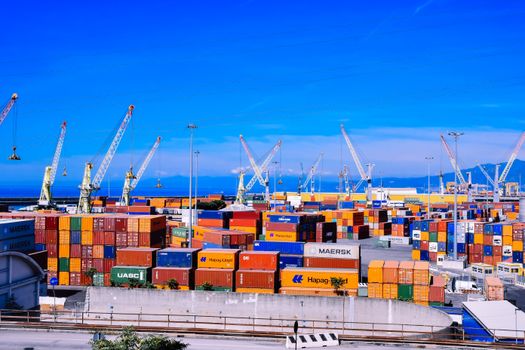
A bustling shipping port with colorful stacked containers and numerous cranes under a clear blue sky. Photo: Andrea Musto / Pexels
As global awareness of climate change intensifies, sustainable logistics is no longer a niche concern but a mainstream imperative. In 2024, businesses are increasingly prioritizing environmental responsibility, driven by consumer demand, regulatory pressures, and a commitment to corporate social responsibility. This shift is fueling the rapid adoption of green technologies and practices across the logistics sector. Electrification of fleets is a prime example, with electric vehicles (EVs) ranging from delivery vans to heavy-duty trucks becoming more viable and economically attractive. Advancements in battery technology, charging infrastructure, and government incentives are accelerating this transition, significantly reducing carbon emissions and operational noise. Beyond EVs, alternative fuels like hydrogen and biofuels are also being explored and implemented for long-haul transportation and maritime shipping, offering pathways to decarbonize harder-to-abate segments of the supply chain. Furthermore, sustainable packaging solutions are gaining traction. This includes the use of recyclable, biodegradable, and reusable materials, as well as optimizing packaging designs to minimize waste and reduce shipment volume. Smart packaging, which incorporates sensors to monitor conditions like temperature and humidity, also helps reduce product damage and spoilage, further contributing to sustainability efforts. The focus on circular economy principles is also influencing logistics, with reverse logistics operations becoming more sophisticated to facilitate the collection, refurbishment, and recycling of products and materials. This not only minimizes waste but also creates new value streams and reduces reliance on virgin resources. Data analytics plays a crucial role in sustainable logistics. By leveraging advanced analytics, companies can identify inefficiencies in their supply chains, optimize routes to reduce fuel consumption, consolidate shipments to minimize trips, and track their carbon footprint with greater precision. This data-driven approach enables informed decision-making and helps organizations set and achieve ambitious sustainability targets. The integration of renewable energy sources, such as solar panels on warehouses and distribution centers, is another significant trend, reducing reliance on fossil fuels for facility operations. These efforts demonstrate a holistic approach to building a more environmentally friendly and resilient logistics network, aligning economic growth with ecological stewardship and ensuring a sustainable future for the industry and the planet.

Navigating the Future: Tips for Adopting Logistics Technology Trends 2024

A patterned array of industrial shipping containers stacked in a storage terminal. Photo: Jan van der Wolf / Pexels
Embracing the latest logistics technology trends 2024 is not merely about adopting new tools; it’s about strategically integrating them to foster a more efficient, resilient, and sustainable supply chain. For businesses looking to thrive in this evolving landscape, a thoughtful and phased approach is crucial. Here are some key tips for successful adoption: * **Start with a Clear Strategy:** Before investing in any technology, define your specific business objectives. What problems are you trying to solve? Are you aiming for cost reduction, improved delivery times, enhanced customer satisfaction, or greater sustainability? A clear strategy will guide your technology choices and ensure alignment with overall business goals. Avoid ad-hoc implementations that lack a cohesive vision. * **Embrace Data-Driven Decisions:** The new generation of logistics technologies thrives on data. Invest in robust data collection, analysis, and visualization tools. Use insights derived from this data to inform your technology choices, optimize existing processes, and measure the ROI of your investments. Data transparency across the supply chain is key to unlocking the full potential of these trends. * **Prioritize Scalability and Interoperability:** Choose technologies that can grow with your business and seamlessly integrate with your existing systems. Avoid siloed solutions that create new data gaps or operational complexities. Cloud-based platforms and open APIs are often excellent choices for ensuring future-proof and flexible integration capabilities. * **Invest in Employee Training and Change Management:** Technology adoption is as much about people as it is about platforms. Provide comprehensive training for your workforce on new systems and processes. Foster a culture of continuous learning and emphasize the benefits of these changes to gain employee buy-in. Effective change management minimizes resistance and maximizes successful implementation. * **Partner Strategically:** Consider collaborating with technology providers, startups, or even other logistics companies. Strategic partnerships can provide access to specialized expertise, shared resources, and innovative solutions that might be too costly or complex to develop in-house. Look for partners who understand the nuances of the logistics industry and can offer tailored solutions. * **Focus on Cybersecurity:** As more systems become interconnected, the risk of cyber threats increases. Implement robust cybersecurity measures to protect sensitive data and critical infrastructure. Regular audits, employee training on security protocols, and investment in advanced threat detection systems are paramount to maintaining trust and operational integrity. By following these guidelines, businesses can confidently navigate the complexities of modern logistics technology and position themselves for sustained success in 2024 and beyond.

Comparison

FeatureAI & ML PlatformsRobotics & AutomationSustainable TechTraditional Systems
Predictive AnalyticsHighMedium (for maintenance)Medium (for impact)Low
Operational EfficiencyVery HighHighMediumMedium
Cost Reduction PotentialHighHighMediumLow
Real-time VisibilityVery HighMediumMediumLow
Environmental ImpactIndirect (optimization)Low (energy use)Very LowHigh
Scalability
Initial InvestmentModerate to HighHighModerate to HighLow

What Readers Say

"The insights from these logistics technology trends 2024 helped us prioritize our investment in AI for demand forecasting. We've seen a 15% reduction in inventory holding costs already, which is phenomenal. The article was extremely practical."

Sarah Chen · Dallas, TX

"This breakdown of logistics technology trends 2024 was incredibly comprehensive. It confirmed our direction with warehouse automation and gave us new ideas for sustainable practices we hadn't fully considered. A must-read for any supply chain professional."

Mark Johnson · Chicago, IL

"We were struggling with last-mile delivery efficiency. After reading about the logistics technology trends 2024, we piloted a dynamic routing solution based on AI, resulting in a 10% improvement in delivery speed and higher customer satisfaction scores. Truly impactful information."

Emily Rodriguez · Los Angeles, CA

"While the article on logistics technology trends 2024 was excellent and very informative, I would have liked a bit more detail on the regulatory challenges specific to autonomous trucking. Still, it's a solid resource for understanding the big picture."

David Lee · New York, NY

"As a small-to-medium enterprise, understanding logistics technology trends 2024 can be daunting. This article provided a clear roadmap and actionable tips, making advanced concepts accessible and helping us identify affordable solutions for our operations."

Jessica White · Seattle, WA

Frequently Asked Questions

What are the most impactful logistics technology trends 2024?

The most impactful logistics technology trends in 2024 include the widespread adoption of AI and Machine Learning for predictive analytics and optimization, the expansion of automation and robotics beyond warehouses, and a significant focus on sustainable and green logistics technologies. These trends are collectively driving unprecedented efficiency, resilience, and environmental responsibility in the supply chain.

Is it too expensive for small businesses to adopt these technologies?

While some advanced technologies can be costly, many solutions are becoming more accessible and scalable for small businesses. Cloud-based software, 'as-a-service' models, and modular robotics allow for lower upfront investments. Starting with targeted pilot programs and focusing on technologies that address your most critical pain points can yield significant ROI, making adoption feasible.

How can AI improve my supply chain visibility?

AI enhances supply chain visibility by processing vast amounts of data from IoT sensors, GPS trackers, and other sources to provide real-time insights into shipment locations, conditions, and potential delays. It can predict disruptions before they occur, analyze root causes of inefficiencies, and suggest optimal mitigation strategies, offering a level of transparency far beyond traditional tracking systems.

What is the typical ROI for investing in warehouse automation?

The ROI for warehouse automation can vary significantly based on the specific technologies implemented, the scale of operations, and initial investment. However, common benefits include reduced labor costs, increased throughput, improved accuracy (lower error rates), and enhanced safety. Many companies report seeing a full return on investment within 2-5 years, with ongoing operational savings thereafter.

How do these trends address sustainability in logistics?

These trends address sustainability by enabling more efficient operations, reducing waste, and facilitating the transition to cleaner energy. Examples include AI-optimized routing to lower fuel consumption, automation to reduce energy waste in warehouses, the adoption of electric and alternative fuel vehicles, and advanced reverse logistics for recycling and reuse. Data analytics also helps track and reduce carbon footprints.

Who should consider adopting these logistics technology trends?

Any business involved in the movement, storage, or distribution of goods should consider adopting these logistics technology trends. This includes manufacturers, retailers, third-party logistics (3PL) providers, e-commerce businesses, and even smaller local delivery services. The benefits of improved efficiency, cost reduction, and customer satisfaction are universal across the supply chain.

What are the primary risks associated with new logistics technologies?

Primary risks include high initial investment costs, the complexity of integration with existing legacy systems, potential cybersecurity vulnerabilities, the need for skilled talent to manage new technologies, and the challenge of managing organizational change. Thorough planning, strategic partnerships, and robust cybersecurity measures are crucial for mitigating these risks effectively.

What does the future hold beyond 2024 for logistics technology?

Beyond 2024, logistics technology will likely see further advancements in hyper-automation, with fully autonomous supply chains becoming more common. Quantum computing may begin to influence ultra-complex optimization problems, and advanced materials science will lead to even lighter, more durable, and sustainable packaging and vehicle components. The convergence of digital twins with AI will create highly accurate virtual representations of the entire supply chain, enabling predictive maintenance and scenario planning with unprecedented precision.

Embrace the future of logistics today by understanding and strategically integrating these transformative logistics technology trends 2024. Your journey towards a more efficient, resilient, and sustainable supply chain starts now. Don't just adapt to change, lead it.

Topics: logistics technology trends 2024supply chain innovationwarehouse automationAI in logisticssustainable logistics
Leo List

IE Escorts NO Escorts US Escorts NZ Escorts AU Escorts
Brampton weed
Adultwork EstrelaBet Vai de Bet R7 Bet Betão Galera Bet Rainbet Bet9ja Shop SportyBet BetKing Sisal Loto Foot Hollywoodbets YesPlay Odibets RushBet Jugabet BetWarrior BetCity MSport betPawa Fortebet