✓ Automation and robotics are revolutionizing warehouse operations, increasing speed and accuracy.
✓ Artificial intelligence (AI) is optimizing route planning, demand forecasting, and risk management.
✓ Sustainability initiatives are driving the adoption of green logistics technologies and practices.
✓ Real-time visibility through IoT and blockchain is enhancing supply chain transparency and traceability.
How It Works
1
Assess Current Infrastructure
Begin by evaluating your existing logistics technology stack and operational bottlenecks. Identify areas where new technologies can provide the most significant impact and return on investment.
2
Identify Key Trend Alignment
Match the identified pain points with the most relevant logistics technology trends for 2024. Prioritize solutions that address critical challenges like efficiency, cost, or customer experience.
3
Pilot and Integrate Solutions
Implement pilot programs for chosen technologies to test their efficacy and scalability within your specific context. Gradually integrate successful solutions into your broader logistics operations, ensuring seamless transitions.
4
Monitor, Adapt, and Scale
Continuously monitor the performance of new technologies, gathering data to refine processes and optimize outcomes. Be prepared to adapt to evolving market conditions and scale successful implementations across your network.
The Rise of AI and Machine Learning in Logistics Operations
Photo: Peter Xie / Pexels
The landscape of logistics is undergoing a profound transformation, with Artificial Intelligence (AI) and Machine Learning (ML) emerging as pivotal forces. These technologies are no longer theoretical concepts but practical tools reshaping every facet of the supply chain, from predictive analytics to autonomous operations. In 2024, their integration is becoming indispensable for businesses striving for efficiency, resilience, and a competitive edge. AI's ability to process vast amounts of data at unprecedented speeds allows for highly accurate demand forecasting. This capability helps companies anticipate market fluctuations, optimize inventory levels, and prevent stockouts or overstock situations, directly impacting profitability and customer satisfaction. Machine learning algorithms, for instance, can analyze historical sales data, seasonal trends, economic indicators, and even social media sentiment to predict future demand with remarkable precision. This proactive approach minimizes waste and streamlines the entire planning process.
Beyond forecasting, AI is revolutionizing route optimization. Traditional route planning, while effective, often struggles with the dynamic nature of real-time traffic, weather conditions, and unexpected delivery delays. AI-powered systems, however, can ingest live data from various sources to constantly recalculate and optimize delivery routes, ensuring the fastest and most fuel-efficient paths. This not only reduces operational costs but also significantly improves delivery times and customer satisfaction. Furthermore, AI is enhancing warehouse management through intelligent automation. Robots guided by AI can perform tasks like picking, packing, and sorting with greater speed and accuracy than human counterparts, reducing labor costs and minimizing errors. Predictive maintenance, another powerful application of AI, uses ML algorithms to analyze data from machinery and vehicles to anticipate potential equipment failures before they occur. This proactive maintenance strategy minimizes downtime, extends asset lifespans, and ensures smooth operational flow, preventing costly disruptions in the supply chain. The insights generated by AI can also inform strategic decision-making, helping companies identify bottlenecks, optimize network design, and enhance overall operational agility. As we delve deeper into the future of logistics, the symbiotic relationship between human expertise and AI capabilities will define success.
Automation and Robotics: Transforming Warehouse and Last-Mile Delivery
Photo: cottonbro studio / Pexels
Automation and robotics are no longer futuristic visions but integral components of modern logistics, particularly in warehouse operations and last-mile delivery. The demand for faster, more accurate, and cost-effective order fulfillment has propelled these technologies to the forefront of logistics technology trends 2024. In warehouses, the deployment of robotic process automation (RPA) and physical robots is dramatically enhancing efficiency. Automated guided vehicles (AGVs) and autonomous mobile robots (AMRs) are streamlining the movement of goods, from receiving and put-away to picking and packing. These robots can operate 24/7, reducing reliance on manual labor for repetitive tasks, minimizing human error, and significantly increasing throughput. This not only addresses labor shortages but also improves workplace safety by handling heavy or hazardous materials. Automated storage and retrieval systems (AS/RS) are another critical innovation, maximizing storage density and accelerating retrieval times, which is crucial for e-commerce operations dealing with a high volume of diverse SKUs.
For last-mile delivery, the focus is on overcoming urban congestion, labor costs, and environmental concerns. Robotic delivery systems, including autonomous ground vehicles and drones, are being piloted and gradually integrated into urban logistics networks. While widespread adoption still faces regulatory and infrastructure hurdles, their potential to revolutionize delivery speed and cost-efficiency is immense. These technologies can operate in difficult-to-reach areas, reduce traffic, and lower carbon emissions, aligning with growing sustainability objectives. Furthermore, automation extends to intelligent parcel lockers and micro-fulfillment centers, which bring inventory closer to the customer, enabling ultra-fast delivery options. The synergy between advanced robotics and sophisticated software allows for dynamic inventory management and optimized delivery sequencing, reducing transit times and improving customer satisfaction. The operational benefits are clear: reduced operational costs, increased throughput, improved accuracy, and enhanced safety. Companies that invest in these automation solutions are positioning themselves for significant gains in productivity and customer loyalty, especially as consumer expectations for rapid delivery continue to escalate.
Real-time Visibility and Data Analytics for Enhanced Supply Chain Resilience
Photo: Artem Podrez / Pexels
The complexity of global supply chains demands unparalleled transparency, making real-time visibility and advanced data analytics cornerstone logistics technology trends 2024. In an era marked by geopolitical instability, climate events, and unpredictable consumer behavior, the ability to see and react to every movement within the supply chain is paramount for building resilience. Internet of Things (IoT) devices are at the heart of this visibility revolution. Sensors embedded in products, vehicles, and infrastructure collect continuous data on location, temperature, humidity, vibration, and more. This data, when aggregated and analyzed, provides a comprehensive, up-to-the-minute picture of goods in transit and storage. Logistics managers can track shipments with pinpoint accuracy, anticipate delays, and proactively address potential issues before they escalate into major disruptions. For instance, temperature-sensitive goods can be monitored constantly, triggering alerts if conditions deviate, thus preventing spoilage and ensuring product integrity.
Blockchain technology further enhances this visibility by providing an immutable and transparent ledger of all transactions and movements. Each step in the supply chain, from raw material sourcing to final delivery, can be recorded and verified, creating an undeniable audit trail. This not only improves traceability and accountability but also helps in combating counterfeiting and ensuring ethical sourcing. The combination of IoT and blockchain creates a powerful framework for trust and transparency across complex, multi-party supply chains. Beyond mere tracking, advanced data analytics tools transform raw data into actionable insights. Predictive analytics can identify potential risks, such as supplier insolvency or port congestion, allowing businesses to activate contingency plans. Prescriptive analytics can even recommend optimal actions to mitigate these risks, whether it's rerouting shipments or adjusting inventory levels. This deep level of insight fosters a proactive rather than reactive approach to supply chain management, enabling companies to quickly adapt to disruptions and maintain operational continuity. The competitive advantage derived from superior data utilization is immense, offering not just cost savings but also significant improvements in customer service and overall operational agility. Understanding these capabilities is crucial for navigating the evolving challenges in logistics.
Sustainable Logistics and Green Technologies: Meeting ESG Demands
Photo: R9 Media Photo Collective / Pexels
As environmental, social, and governance (ESG) factors gain increasing prominence, sustainable logistics and green technologies are rapidly becoming non-negotiable elements of modern supply chain strategy. These are critical logistics technology trends 2024, driven by regulatory pressures, consumer demand for eco-friendly practices, and the inherent business advantages of reduced waste and optimized resource use. The focus extends beyond simply reducing carbon emissions to encompass the entire lifecycle of products and processes. Electric vehicles (EVs) and alternative fuel vehicles (AFVs) are at the forefront of decarbonizing transportation. Companies are rapidly investing in electric trucks, vans, and even forklifts for warehouse operations, significantly reducing fuel costs and localized emissions. The development of robust charging infrastructure and battery technology is accelerating, making these options increasingly viable for long-haul and last-mile operations. Furthermore, sophisticated route optimization software, often powered by AI, plays a crucial role in minimizing fuel consumption by designing the most efficient delivery paths.
Beyond transportation, sustainable practices are being integrated into packaging and warehousing. The adoption of reusable packaging, biodegradable materials, and optimized package sizing reduces waste and lowers shipping volumes. Smart warehouse lighting, energy-efficient heating and cooling systems, and solar panel installations are transforming facilities into more sustainable operations. Reverse logistics, the process of moving goods from their typical final destination for the purpose of capturing value or proper disposal, is also being optimized with technology. AI and analytics can streamline returns, repairs, and recycling processes, reducing landfill waste and creating circular economy opportunities. The transparency offered by blockchain and IoT can also verify the provenance of sustainable materials and track carbon footprints throughout the supply chain, allowing companies to accurately report on their ESG performance. Embracing these green technologies not only helps meet regulatory compliance and satisfy environmentally conscious consumers but also offers long-term cost savings and bolsters a company's brand reputation. Ignoring these trends is no longer an option for forward-thinking logistics providers.
Comparison
Feature
AI-Powered Logistics Platform
Traditional TMS
Basic ERP Module
Demand Forecasting Accuracy
Highly Predictive (ML)
Historical Data Only
Limited
Route Optimization
Dynamic Real-Time (AI)
Static Pre-planned
Manual
Real-time Visibility
Comprehensive (IoT/Blockchain)
Limited Carrier Updates
None
Predictive Maintenance
✓
✗
✗
Automation Integration
Seamless (Robotics/RPA)
Limited
✗
Sustainability Insights
Advanced Carbon Tracking
Basic Fuel Reporting
✗
What Readers Say
★★★★★
"The insights on logistics technology trends 2024 were incredibly practical. We've started exploring AI for our demand forecasting, and the early results are very promising for inventory reduction."
Sarah J. · Dallas, TX
★★★★★
"This article clarified the immediate impact of automation on warehouse efficiency. We're now seriously considering AMR deployment after reading about the benefits in throughput and accuracy."
Mark D. · Chicago, IL
★★★★★
"Thanks to understanding these logistics technology trends 2024, we've implemented real-time tracking for perishable goods. Our spoilage rate dropped by 15% in the first quarter alone, a huge win!"
Elena R. · Los Angeles, CA
★★★★★
"While the article was excellent, I'd love to see more specifics on ROI for smaller businesses adopting these technologies. Still, a very comprehensive overview of what's coming."
David L. · New York, NY
★★★★★
"As a sustainability consultant, I found the section on green logistics particularly insightful. It's great to see how technology is enabling companies to meet their ESG goals more effectively."
Jessica M. · Atlanta, GA
Frequently Asked Questions
What are the most impactful logistics technology trends 2024?
The most impactful trends include the widespread adoption of AI and Machine Learning for predictive analytics and optimization, advanced automation and robotics in warehouses and for last-mile delivery, enhanced real-time visibility through IoT and blockchain, and a strong push towards sustainable logistics solutions like EVs and green warehousing practices.
Is my business too small to benefit from these logistics technology trends 2024?
Absolutely not. While some advanced solutions require significant investment, many technologies, such as cloud-based AI tools for route optimization or basic IoT tracking, are scalable and accessible for businesses of all sizes. Starting with targeted pilot programs can yield significant benefits without a massive upfront cost.
How can I integrate new logistics technologies without disrupting current operations?
Integration should be approached strategically. Start with a thorough assessment of your current systems and identify areas with the least resistance for new tech. Implement solutions in phases, beginning with pilot programs in controlled environments. Partner with technology providers who offer robust integration support and training to ensure a smooth transition and minimize operational downtime.
What is the typical ROI for investing in new logistics technology?
The ROI varies greatly depending on the specific technology, implementation scope, and existing operational inefficiencies. However, common benefits include significant reductions in operational costs (fuel, labor, errors), improved delivery times, reduced inventory holding costs, increased customer satisfaction, and enhanced supply chain resilience. Many companies report ROI within 1-3 years.
How do these trends compare to previous years' logistics technology predictions?
While previous years saw the emergence of many of these technologies, 2024 marks a shift from experimental adoption to mainstream integration. The focus has moved from 'if' these technologies will be used to 'how' they can be scaled and optimized for maximum impact, particularly with a strong emphasis on practical applications of AI, full-scale automation, and verifiable sustainability efforts.
Who should prioritize understanding these logistics technology trends 2024?
Anyone involved in supply chain management, logistics operations, procurement, e-commerce, and executive leadership should prioritize understanding these trends. Staying informed is crucial for maintaining competitive advantage, optimizing operational efficiency, mitigating risks, and meeting evolving customer and regulatory demands in the dynamic logistics landscape.
What are the biggest risks of not adopting these new logistics technologies?
The biggest risks include falling behind competitors in efficiency and customer service, increased operational costs due to outdated processes, higher vulnerability to supply chain disruptions, difficulty meeting increasingly stringent sustainability regulations, and ultimately, losing market share to more agile and technologically advanced rivals. Stagnation in logistics technology can severely impact long-term viability.
What is the future outlook for logistics technology beyond 2024?
Beyond 2024, logistics technology will continue to evolve towards hyper-automation, greater human-AI collaboration, and fully autonomous supply chains. Expect advancements in quantum computing for complex optimization problems, widespread adoption of digital twins for real-time simulation and predictive modeling, and further integration of sustainable and circular economy principles, making supply chains not just efficient but also regenerative.
The logistics landscape is rapidly evolving, driven by transformative technology. Don't be left behind; embrace these logistics technology trends 2024 to future-proof your operations, enhance efficiency, and build a resilient, sustainable supply chain. Start planning your technological adoption strategy today.

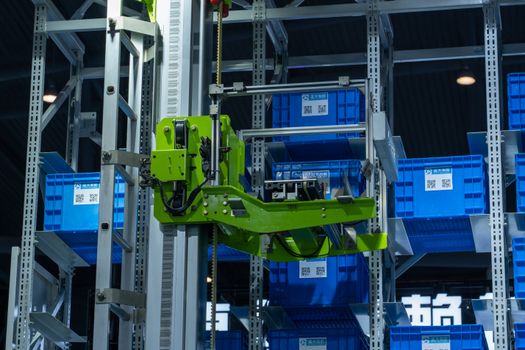 Photo: Peter Xie / Pexels
 Photo: cottonbro studio / Pexels
 Photo: Artem Podrez / Pexels
 Photo: R9 Media Photo Collective / Pexels