
Logistics Technology Trends 2024: Your Competitive Edge
logistics technology trends 2024

Logistics Technology Trends 2024: Your Competitive Edge

Navigate the future of supply chains with critical insights into the technological advancements driving efficiency and resilience.

Explore the Future

Key Takeaways

  • ✓ AI and Machine Learning are revolutionizing demand forecasting and route optimization.
  • ✓ Automation, including robotics and autonomous vehicles, is addressing labor shortages and increasing efficiency.
  • ✓ Sustainability initiatives are driving the adoption of green logistics technologies.
  • ✓ Real-time visibility and data analytics are becoming non-negotiable for supply chain resilience.

How It Works

1
Assess Current Infrastructure

Before adopting new technologies, thoroughly evaluate your existing logistics operations and infrastructure. Identify pain points, bottlenecks, and areas ripe for digital transformation.

2
Prioritize Key Technologies

Based on your assessment and business goals, select the logistics technology trends 2024 most relevant to your needs. Focus on solutions that offer significant ROI and strategic advantage.

3
Pilot and Integrate

Implement new technologies through pilot programs to test their effectiveness and refine integration strategies. Ensure seamless interoperability with existing systems to avoid disruption.

4
Scale and Optimize

Once successful, scale the adopted technologies across your operations, continuously monitoring performance and optimizing for maximum efficiency. Embrace a culture of continuous improvement.

The AI and Machine Learning Revolution in Supply Chains
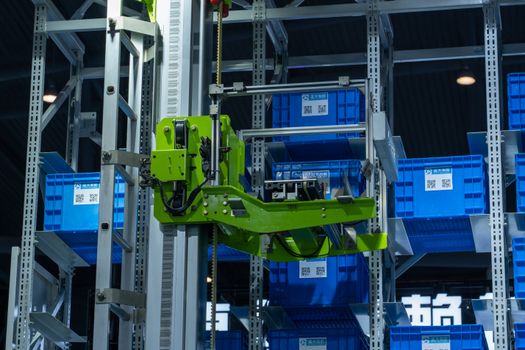
High-tech automated warehouse system featuring a green robotic arm handling blue storage crates. Photo: Peter Xie / Pexels
The landscape of logistics is undergoing a profound transformation, spearheaded by the remarkable advancements in Artificial Intelligence (AI) and Machine Learning (ML). These technologies are no longer confined to the realm of science fiction; they are actively reshaping how goods move from origin to destination, offering unprecedented levels of efficiency, predictability, and resilience. In 2024, the integration of AI and ML into various facets of the supply chain is not just a trend but a fundamental shift towards more intelligent and adaptive operations. Understanding the core principles of modern logistics is crucial to appreciating the impact of these innovations. At its heart, AI in logistics is about leveraging vast datasets to make smarter, faster, and more accurate decisions. This begins with demand forecasting, where ML algorithms can analyze historical sales data, seasonal patterns, economic indicators, and even social media trends to predict future demand with remarkable precision. This enhanced forecasting capability directly translates into optimized inventory levels, reducing the costs associated with overstocking while simultaneously preventing stockouts that can damage customer satisfaction and lead to lost revenue. Beyond forecasting, AI is revolutionizing route optimization. Traditional route planning relies on static maps and historical traffic data. However, AI-powered systems can process real-time traffic conditions, weather forecasts, road closures, and even driver availability to dynamically adjust routes. This leads to significant reductions in fuel consumption, faster delivery times, and a smaller carbon footprint. For companies operating large fleets, the cumulative savings and environmental benefits are substantial. Furthermore, AI is enhancing warehouse management systems (WMS) by optimizing picking paths, slotting strategies, and even the scheduling of robotic operations. Predictive maintenance, another critical application, uses ML to analyze sensor data from machinery and vehicles, anticipating potential breakdowns before they occur. This proactive approach minimizes downtime, extends asset lifespan, and ensures the continuous flow of operations. The ability of AI to sift through complex data patterns also empowers better risk management. By analyzing global events, geopolitical shifts, and supplier performance, AI can identify potential disruptions to the supply chain, allowing businesses to implement contingency plans before crises escalate. This resilience is invaluable in today's volatile global market. The adoption of these intelligent systems requires a strategic approach, focusing on data quality and the integration of disparate systems. Companies that invest in robust data infrastructure and skilled AI professionals will be best positioned to harness the full potential of these transformative technologies in 2024 and beyond. The future of logistics is undeniably intelligent, and AI is its driving force.

Automation and Robotics: The Workforce of Tomorrow

High-tech automated warehouse system featuring a green robotic arm handling blue storage crates. Photo: Peter Xie / Pexels
The persistent challenges of labor shortages, increasing operational costs, and the demand for faster, more reliable deliveries have propelled automation and robotics to the forefront of logistics technology trends 2024. These technologies are fundamentally altering the nature of work within warehouses, distribution centers, and even during the last-mile delivery process. The goal is not merely to replace human labor but to augment it, creating more efficient, safer, and resilient operations. In warehouses, the proliferation of Autonomous Mobile Robots (AMRs) and Automated Guided Vehicles (AGVs) is revolutionizing material handling. These robots can transport goods, assist with picking, and move inventory across facilities with minimal human intervention. Unlike traditional conveyor systems, AMRs offer greater flexibility, able to navigate dynamic environments and adjust to changing layouts. This flexibility is crucial in e-commerce fulfillment centers, where order profiles and inventory fluctuate rapidly. Exoskeletons are another innovative application, empowering human workers to lift heavier loads with less strain, significantly reducing the risk of injuries and increasing productivity. The synergy between human and robot, often termed 'cobotics,' is becoming a defining characteristic of modern warehouse operations, allowing humans to focus on more complex, decision-making tasks while robots handle repetitive, strenuous activities. Beyond the warehouse, automation is extending its reach into transportation. The development of autonomous vehicles (AVs), from self-driving trucks to delivery drones, is progressing rapidly. While widespread adoption of fully autonomous long-haul trucking still faces regulatory and technological hurdles, supervised platooning and partial automation systems are already delivering benefits, improving fuel efficiency and driver safety. For last-mile delivery, drones and smaller ground-based autonomous vehicles are being piloted in urban and suburban areas, offering potential solutions for faster delivery times and reduced traffic congestion. The environmental implications are also significant; electric-powered autonomous vehicles contribute to greener logistics by reducing emissions. However, the successful integration of automation and robotics requires careful planning, significant upfront investment, and a skilled workforce capable of managing and maintaining these advanced systems. Training programs and upskilling initiatives are vital to ensure that human workers can adapt to new roles that involve overseeing robotic fleets and analyzing performance data. Moreover, robust cybersecurity measures are essential to protect these interconnected systems from potential threats. As these technologies mature, their impact on the efficiency, cost-effectiveness, and safety of logistics operations will continue to grow, solidifying their position as indispensable components of the future supply chain.

Sustainable Logistics and Green Technology Adoption
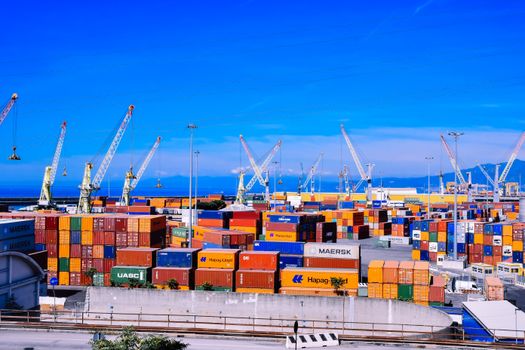
A bustling shipping port with colorful stacked containers and numerous cranes under a clear blue sky. Photo: Andrea Musto / Pexels
As environmental concerns intensify and consumer demand for eco-friendly practices grows, sustainable logistics has emerged as a critical focus within the logistics technology trends 2024. Businesses are increasingly recognizing that environmental responsibility is not just a moral imperative but also a strategic advantage, leading to reduced operational costs, enhanced brand reputation, and compliance with evolving regulations. The adoption of green technologies is therefore accelerating across the supply chain, transforming how goods are stored, transported, and delivered. One of the most significant shifts is towards electric vehicles (EVs) in fleet operations. From electric delivery vans for last-mile services to heavy-duty electric trucks for regional hauling, the electrification of transportation is gaining momentum. While challenges like charging infrastructure and battery range remain, advancements in battery technology and the expansion of charging networks are making EVs a more viable and attractive option. This transition not only reduces greenhouse gas emissions but can also lead to lower fuel and maintenance costs over the vehicle's lifespan. Beyond vehicle electrification, sustainable practices extend to warehouse design and operation. Green warehouses incorporate energy-efficient lighting, solar panels, advanced insulation, and smart energy management systems to minimize their carbon footprint. Water conservation measures, waste reduction programs, and the use of sustainable building materials are also becoming standard. The goal is to create facilities that are not only efficient in terms of throughput but also environmentally sound. Furthermore, technology is enabling more intelligent and sustainable packaging solutions. AI and ML can optimize packaging dimensions to minimize void fill and maximize space utilization in transport, reducing the number of shipments required. The development of biodegradable and recyclable packaging materials is also a key area of innovation, aiming to reduce plastic waste and promote a circular economy. Effective logistics management today absolutely demands an understanding of these environmental considerations. Route optimization software, powered by AI, plays a dual role in sustainability by reducing fuel consumption and emissions. By finding the most efficient paths, minimizing idle time, and avoiding congested areas, these systems directly contribute to a greener operation. The integration of IoT sensors provides real-time data on energy consumption, emissions, and waste generation, allowing companies to monitor their environmental performance and identify areas for improvement. Embracing sustainable logistics is a journey that involves continuous innovation, investment in green technologies, and a commitment to environmental stewardship. Companies that proactively integrate these practices will not only contribute to a healthier planet but also build more resilient, cost-effective, and socially responsible supply chains.

Emerging Technologies and Strategic Imperatives for 2024
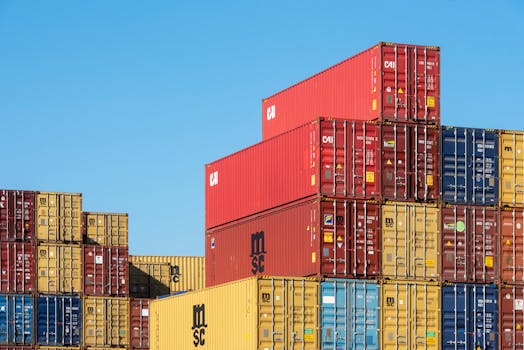
A vibrant collection of stacked shipping containers under a clear, blue sky. Ideal for logistic themes. Photo: Jan van der Wolf / Pexels
Beyond the major shifts in AI, automation, and sustainability, several other emerging technologies are poised to significantly impact logistics operations in 2024. These innovations, coupled with strategic imperatives, will define the competitive landscape for businesses across the US. Understanding these nuances is crucial for any forward-thinking logistics professional. **Key Emerging Technologies:** * **Digital Twins:** This technology creates virtual replicas of physical assets, processes, or entire supply chains. By simulating real-world conditions, digital twins allow businesses to test scenarios, predict outcomes, and optimize operations without disrupting physical processes. This can lead to improved planning, predictive maintenance, and enhanced risk management. * **Blockchain for Supply Chain Transparency:** While still maturing, blockchain technology offers the promise of immutable, transparent, and secure record-keeping across the supply chain. This can significantly enhance traceability, reduce fraud, and improve trust among partners, especially in complex global networks. Its application in verifying product authenticity and ethical sourcing is particularly compelling. * **Advanced IoT and Sensor Networks:** The Internet of Things (IoT) continues to evolve, with more sophisticated sensors providing granular, real-time data on everything from temperature and humidity in transit to asset location and vehicle performance. This influx of data fuels AI systems, enabling proactive interventions and greater visibility across the entire journey. * **Hyper-personalization in Last-Mile Delivery:** Leveraging data analytics and AI, logistics providers are moving towards hyper-personalized delivery options, offering customers precise delivery windows, alternative pickup locations, and even drone or robotic delivery where feasible. This caters to evolving consumer expectations for convenience and flexibility. **Strategic Imperatives for 2024:** * **Data-Driven Decision Making:** The sheer volume of data generated by modern logistics requires sophisticated analytics capabilities. Businesses must invest in data scientists and analytical tools to extract actionable insights, moving beyond reactive responses to proactive, predictive strategies. * **Cybersecurity Resilience:** As supply chains become more interconnected and reliant on technology, they become more vulnerable to cyberattacks. Robust cybersecurity measures, including threat detection, incident response plans, and employee training, are paramount to protect sensitive data and ensure operational continuity. * **Talent Development and Upskilling:** The rapid pace of technological change necessitates a continuous investment in the logistics workforce. Training programs for new software, robotics maintenance, and data analytics skills are essential to bridge the talent gap and empower employees to thrive in an automated environment. * **Collaboration and Ecosystem Partnerships:** No single company can navigate the complexities of modern logistics alone. Strategic partnerships with technology providers, logistics service providers (3PLs), and even competitors can foster innovation, share risks, and create more integrated and resilient supply chain ecosystems. * **Agility and Adaptability:** The past few years have underscored the importance of an agile supply chain. Businesses must build systems and processes that can quickly adapt to unforeseen disruptions, market shifts, and evolving customer demands. This includes flexible infrastructure, diversified sourcing, and rapid deployment of new technologies. Embracing these emerging technologies and strategic imperatives will not only help businesses stay competitive but also build more robust, efficient, and future-proof logistics operations in 2024.

Comparison

FeatureAI-Powered TMSTraditional TMSBlockchain Logistics
Route OptimizationDynamic, Real-timeStatic, HistoricalN/A
Demand ForecastingHighly Accurate, PredictiveBasic, HistoricalN/A
VisibilityEnd-to-End, Predictive AlertsLimited, Manual UpdatesTransparent, Immutable Record
Fraud PreventionPredictive AnalyticsReactive Measures
Cost EfficiencyHigh Savings PotentialModerate SavingsIndirect Savings
Implementation ComplexityModerate to HighLow to ModerateHigh
Sustainability ImpactSignificant ReductionLimited ImpactTraceability for Green Claims

What Readers Say

"The insights on logistics technology trends 2024, especially AI for demand forecasting, have been invaluable. We've seen a 15% reduction in inventory holding costs and significantly improved fill rates since implementing these strategies."

Sarah Chen · Dallas, TX

"This article perfectly articulates the shift towards automation. Our warehouse operations are far more efficient now, thanks to the guidance on integrating AMRs, which was a core theme in the logistics technology trends 2024."

Mark Johnson · Chicago, IL

"As a small business, understanding the logistics technology trends 2024 felt daunting. This piece broke it down into actionable steps, leading us to adopt more sustainable delivery practices and cut fuel costs by 10%."

Emily Rodriguez · Atlanta, GA

"While the focus on AI and automation is spot on, I would have appreciated a bit more detail on the regulatory challenges for autonomous vehicles within the logistics technology trends 2024. Still, a very comprehensive and helpful read for strategic planning."

David Lee · Los Angeles, CA

"Our last-mile delivery performance has skyrocketed after adopting some of the personalized delivery technologies highlighted in the logistics technology trends 2024. Customer satisfaction has never been higher, a true game-changer for our e-commerce."

Jessica Brown · New York, NY

Frequently Asked Questions

What are the most impactful logistics technology trends 2024 for small to medium-sized businesses (SMBs)?

For SMBs, the most impactful logistics technology trends 2024 often revolve around affordable cloud-based solutions. This includes AI-powered route optimization software, advanced inventory management systems, and basic automation like robotic process automation (RPA) for administrative tasks. These technologies offer significant efficiency gains without requiring massive upfront capital.

Is investing in new logistics technology too risky given economic uncertainties?

While economic uncertainties always present challenges, strategically investing in logistics technology can actually mitigate risk. Technologies like AI for demand forecasting, real-time visibility tools, and automation enhance resilience, reduce operational costs, and improve adaptability, making your supply chain more robust against external shocks. The risk of not innovating often outweighs the risk of strategic investment.

How can I prepare my workforce for the adoption of new logistics technologies?

Preparing your workforce involves a multi-faceted approach. Start with transparent communication about the benefits of new technologies. Implement comprehensive training programs for new software and equipment, focusing on upskilling employees for roles that involve managing and maintaining these systems. Foster a culture of continuous learning and embrace change to ensure a smooth transition.

What is the typical ROI for investing in logistics automation in 2024?

The ROI for logistics automation can vary widely depending on the specific technology, scale of implementation, and existing operational inefficiencies. However, companies often report significant returns through reduced labor costs, increased throughput, fewer errors, and improved safety. Payback periods for warehouse robotics can range from 1 to 3 years, with ongoing savings accumulating thereafter.

How do logistics technology trends 2024 compare to those in manufacturing or retail?

While there's significant overlap, logistics technology trends 2024 often focus on movement, storage, and information flow between entities, whereas manufacturing emphasizes production processes and retail focuses on direct consumer interaction and sales. Common threads include AI for forecasting, automation for efficiency, and data analytics for insights, but their specific applications are tailored to each sector's unique challenges and goals.

Who should prioritize understanding the logistics technology trends 2024?

Anyone involved in the movement, storage, or management of goods should prioritize understanding the logistics technology trends 2024. This includes supply chain managers, logistics directors, warehouse operators, transportation planners, procurement specialists, and even C-suite executives whose companies rely on efficient supply chains. Staying informed is key to maintaining a competitive edge.

What are the biggest cybersecurity risks associated with new logistics technology?

The biggest cybersecurity risks include data breaches (especially sensitive customer and operational data), ransomware attacks that disrupt operations, and vulnerabilities in interconnected IoT devices and autonomous systems. Protecting against these requires robust network security, strong authentication protocols, regular security audits, and employee training on best practices.

What role will quantum computing play in future logistics technology trends?

While still in nascent stages, quantum computing holds immense potential for future logistics technology trends. It could revolutionize complex optimization problems, such as global route planning for thousands of vehicles, real-time network reconfigurations, and highly sophisticated demand forecasting, far exceeding the capabilities of current supercomputers. Its impact is likely a decade or more away from widespread commercial application.

The future of logistics is here, driven by innovation and technology. Embrace the logistics technology trends 2024 to optimize your operations, enhance resilience, and secure a competitive advantage. Start your transformation today and navigate the evolving supply chain landscape with confidence.

Topics: logistics technology trends 2024supply chain innovationlogistics automationsustainable logisticsAI in logistics
Leo List

DK Escorts LU Escorts AT Escorts SE Escorts FI Escorts CH Escorts DE Escorts HR Escorts IE Escorts GR Escorts CZ Escorts NO Escorts BE Escorts FR Escorts SI Escorts IL Escorts NL Escorts PL Escorts HU Escorts ES Escorts IT Escorts PT Escorts SK Escorts RO Escorts ZA Escorts UY Escorts US Escorts UK Escorts NZ Escorts AU Escorts
Brampton weed
Adultwork EstrelaBet Vai de Bet R7 Bet Betão Galera Bet Rainbet Bet9ja Shop SportyBet BetKing Sisal Loto Foot Hollywoodbets YesPlay Odibets RushBet Jugabet BetWarrior BetCity MSport betPawa Fortebet