Unlocking Efficiency: Logistics Technology Advancements
logistics technology advancements

Unlocking Efficiency: Logistics Technology Advancements

Revolutionize your supply chain with the latest technological breakthroughs for unparalleled operational excellence.

Explore Innovations

Key Takeaways

  • ✓ The global logistics market is projected to reach over $15 trillion by 2027, driven by technological adoption.
  • ✓ AI and machine learning can reduce logistics costs by up to 15% through predictive analytics.
  • ✓ Real-time visibility solutions are now integrated into over 70% of leading supply chains.
  • ✓ Autonomous vehicles and drones are moving from pilot programs to practical applications in last-mile delivery.

How It Works

1
Assess Current Operations

Identify bottlenecks, inefficiencies, and areas where technology can provide the greatest impact. This involves a comprehensive audit of your existing logistics processes.

2
Identify Key Technologies

Research and select the most relevant logistics technology advancements for your specific needs, such as AI, IoT, or automation. Focus on solutions that align with your strategic goals.

3
Integrate and Implement

Strategically deploy chosen technologies, ensuring seamless integration with existing systems and workflows. Pilot programs can help iron out kinks before full-scale rollout.

4
Monitor, Optimize, and Scale

Continuously track performance metrics, gather feedback, and optimize the implemented solutions for maximum efficiency. Scale successful initiatives across your entire operation.

The Digital Transformation of Supply Chain Management
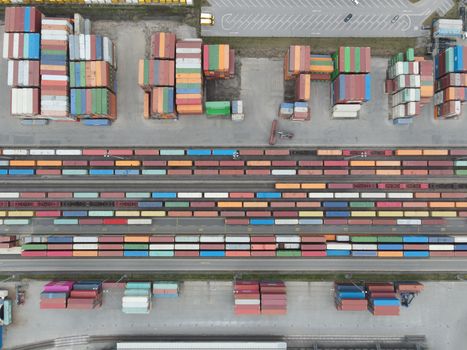
Aerial shot of stacked cargo containers at Regensburg port showcasing freight transport activity. Photo: Tobi &Chris / Pexels
The landscape of logistics in the United States is undergoing a profound transformation, propelled by rapid logistics technology advancements. For businesses operating within this complex ecosystem, understanding and adopting these innovations is no longer an option but a strategic imperative. The digital revolution is reshaping everything from warehousing and inventory management to transportation and last-mile delivery, offering unprecedented opportunities for efficiency, cost reduction, and enhanced customer satisfaction. At the heart of this transformation lies the integration of various sophisticated technologies designed to create more intelligent, transparent, and resilient supply chains. This shift is not merely about adopting new tools; it's about fundamentally rethinking how goods move from origin to destination. One of the primary drivers of this digital transformation is the increasing demand for speed and visibility. Consumers and businesses alike expect faster deliveries, accurate tracking, and transparent communication throughout the entire shipping process. This expectation has forced logistics providers to move away from traditional, often manual, methods and embrace solutions that provide real-time data and automated processes. Technologies like the Internet of Things (IoT) sensors, for example, are now embedded in everything from shipping containers to individual packages, providing continuous updates on location, temperature, and even potential damage. This level of granularity was unimaginable just a decade ago and now forms the backbone of modern supply chain visibility. The ability to track assets in real-time not only improves operational control but also significantly enhances security and reduces losses due to theft or mishandling. Furthermore, predictive analytics, fueled by vast amounts of data collected through IoT and other digital systems, allows companies to anticipate potential disruptions, optimize routes, and manage inventory more effectively, preventing costly delays and stockouts. The move towards a data-driven approach is truly revolutionizing how companies manage their logistics operations, creating a competitive edge for early adopters. Moreover, the advent of advanced analytics and Artificial Intelligence (AI) is enabling businesses to move beyond reactive problem-solving to proactive optimization. AI algorithms can analyze historical data, current conditions, and even external factors like weather patterns or traffic congestion to make intelligent decisions about routing, scheduling, and resource allocation. Machine learning, a subset of AI, continuously refines these algorithms, allowing systems to learn from new data and improve their performance over time. This leads to highly optimized logistics networks that can adapt dynamically to changing circumstances, ensuring maximum efficiency and minimal waste. Consider the impact on warehouse operations: AI-powered robots can now pick and pack orders with unparalleled speed and accuracy, while intelligent inventory management systems predict demand with greater precision, reducing carrying costs and improving order fulfillment rates. This level of automation not only boosts productivity but also frees human workers from repetitive tasks, allowing them to focus on more complex and strategic roles. The synergy between these technologies is creating a highly interconnected and responsive supply chain, poised to meet the challenges of a rapidly evolving global market. The embrace of digital tools is not just about keeping pace; it's about leading the way.

Automation and Robotics: Redefining Warehouse and Fulfillment
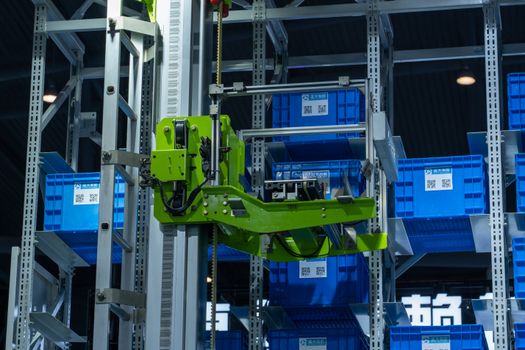
High-tech automated warehouse system featuring a green robotic arm handling blue storage crates. Photo: Peter Xie / Pexels
One of the most visually striking and impactful logistics technology advancements is the widespread adoption of automation and robotics within warehouses and fulfillment centers. Gone are the days when these facilities relied almost exclusively on manual labor for every task. Today, advanced robotic systems, automated guided vehicles (AGVs), and autonomous mobile robots (AMRs) are transforming the interior of logistics hubs, creating environments of unprecedented efficiency and speed. These technologies address several critical challenges faced by the logistics industry, including labor shortages, the need for faster order fulfillment, and the increasing complexity of inventory management. The integration of automation allows warehouses to operate 24/7 with consistent performance, significantly reducing human error and improving overall throughput. Warehouse automation extends beyond just moving goods. Robotic process automation (RPA) is being used to streamline administrative tasks, such as data entry, order processing, and even customer service inquiries, freeing up human staff to focus on more complex problem-solving and strategic planning. Automated storage and retrieval systems (AS/RS) can store and retrieve inventory with incredible density and speed, maximizing the use of vertical space and reducing the footprint required for operations. This is particularly valuable in urban areas where real estate is at a premium. Furthermore, collaborative robots, or 'cobots,' are designed to work alongside human employees, augmenting their capabilities rather than replacing them entirely. These cobots can handle heavy lifting, repetitive tasks, or precise manipulations, allowing human workers to focus on tasks requiring judgment, creativity, or direct interaction. The result is a more efficient, safer, and ergonomically sound working environment. The impact on order fulfillment is particularly profound. E-commerce growth has set new benchmarks for delivery speed, and manual processes often struggle to keep up. Automated systems can process orders in minutes rather than hours, picking items, packaging them, and preparing them for shipment with minimal human intervention. This not only accelerates delivery times but also significantly improves order accuracy, reducing costly returns and enhancing customer satisfaction. Moreover, these systems generate vast amounts of data on their operations, which can then be fed into AI and machine learning algorithms to further optimize workflows, predict maintenance needs, and identify areas for continuous improvement. The convergence of physical automation with intelligent software is creating highly adaptive and responsive fulfillment centers that are essential for meeting the demands of the modern consumer. The investment in automation, while substantial initially, often yields significant long-term returns through reduced operational costs, increased capacity, and improved service levels, making it a cornerstone of contemporary logistics strategy.

Real-time Visibility and Predictive Analytics for Optimized Freight
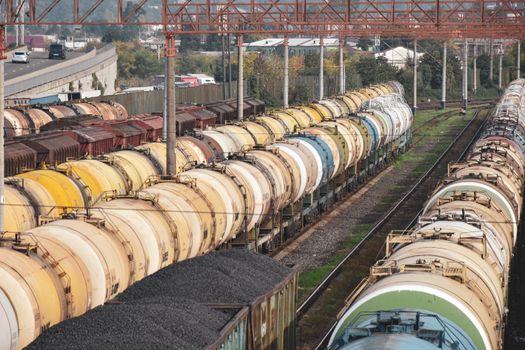
Rows of colorful freight trains carrying cargo in an outdoor railway station. Photo: Artem Makarov / Pexels
The ability to see and understand the entire journey of goods, from the factory floor to the customer's doorstep, has become paramount in modern logistics. Real-time visibility, powered by advanced tracking technologies, stands as a critical pillar among current logistics technology advancements. This isn't just about knowing where a truck is; it’s about having a comprehensive, granular view of every asset, every package, and every step in the supply chain. Global Positioning System (GPS) tracking has been a staple for years, but its capabilities have been dramatically enhanced by the integration of IoT sensors, telematics, and advanced data analytics platforms. These systems provide not only location data but also critical information about the condition of goods (temperature, humidity, shock), driver behavior, vehicle performance, and potential delays, all accessible through centralized dashboards. The true power of real-time visibility is unlocked when combined with predictive analytics. By analyzing historical data, current conditions, and external factors, AI-powered algorithms can forecast potential disruptions before they occur. For example, if a severe weather front is predicted along a truck's route, the system can automatically suggest alternative routes, notify stakeholders, and adjust estimated arrival times. Similarly, by monitoring traffic patterns and road conditions, freight can be rerouted dynamically to avoid congestion, ensuring timely deliveries and minimizing fuel consumption. This proactive approach significantly reduces the impact of unforeseen events, enhancing reliability and reducing costs associated with delays and rescheduling. Predictive analytics also plays a crucial role in demand forecasting, allowing businesses to optimize inventory levels, prevent stockouts, and reduce excess stock, leading to more efficient warehousing and transportation planning. Furthermore, these technologies facilitate stronger collaboration across the entire supply chain. Shippers, carriers, and consignees can all access the same real-time data, fostering transparency and enabling more coordinated decision-making. This shared visibility helps in managing expectations, resolving issues quickly, and building trust among partners. For instance, if a shipment is delayed, all parties are immediately aware, allowing for proactive communication with the end customer and the initiation of contingency plans. The data collected from these systems is also invaluable for continuous improvement. By analyzing trends and patterns over time, logistics managers can identify systemic inefficiencies, optimize routing algorithms, and refine operational strategies. This iterative process of data collection, analysis, and optimization is fundamental to achieving a truly agile and resilient supply chain. The ability to react quickly and intelligently to change is a hallmark of an optimized freight operation, directly contributing to competitive advantage and customer satisfaction in an increasingly demanding market. Embracing these tools is essential for any business aiming for excellence in logistics.

Navigating the Future: Key Trends and Best Practices

Drone view of various colorful cargo containers placed in rows on asphalt in daytime Photo: K / Pexels
As logistics technology advancements continue to accelerate, staying ahead of the curve requires not just adoption but also a strategic approach to implementation and continuous improvement. The future of logistics is characterized by even greater integration, autonomy, and intelligence. Businesses must carefully evaluate emerging trends and integrate them into their long-term strategies. Here are some key trends and best practices to consider: **Key Trends Shaping Future Logistics:** * **Hyper-Automation:** Expect to see even more sophisticated automation, with robots and AI handling increasingly complex tasks across the entire supply chain, from autonomous forklifts to fully automated sorting centers. * **Blockchain for Transparency:** While still maturing, blockchain technology holds immense promise for enhancing transparency, security, and traceability of goods, reducing fraud, and streamlining customs processes. * **Sustainable Logistics:** Technologies like electric and hydrogen-powered vehicles, optimized routing to reduce emissions, and smart packaging are becoming critical for environmental compliance and corporate social responsibility. * **Last-Mile Innovation:** Drones, delivery robots, and crowd-sourced delivery models will continue to evolve, offering diverse and highly efficient solutions for the final leg of delivery, especially in urban environments. * **Digital Twins:** Creating virtual replicas of physical supply chains allows for simulation and optimization in a risk-free environment, enabling predictive maintenance and scenario planning. **Best Practices for Adoption:** * **Start Small, Scale Big:** Begin with pilot projects to test new technologies, gather data, and refine processes before committing to large-scale deployment. This minimizes risk and allows for learning. * **Focus on Integration:** Ensure new technologies can seamlessly integrate with existing systems (ERP, WMS, TMS) to avoid data silos and maintain a unified operational view. Interoperability is key. * **Invest in Talent:** Technology is only as good as the people who operate it. Invest in training your workforce and consider hiring specialists with expertise in AI, data science, and robotics. * **Data Security and Privacy:** With increased data collection comes increased responsibility. Implement robust cybersecurity measures to protect sensitive logistics data and ensure compliance with regulations. * **Embrace Agility:** The logistics landscape is constantly changing. Adopt an agile mindset, continuously evaluate new technologies, and be prepared to adapt your strategies to maintain a competitive edge. Navigating these advancements successfully requires a forward-thinking leadership team, a willingness to invest in innovation, and a commitment to continuous learning. By strategically adopting and integrating these technologies, businesses can build highly resilient, efficient, and customer-centric supply chains ready for the demands of tomorrow.

Comparison

FeatureAI-Powered TMSTraditional TMSManual Planning
Route OptimizationDynamic, Predictive, Real-timeStatic, Rule-basedHuman Expertise
VisibilityReal-time, Granular, PredictivePeriodic UpdatesLimited, Reactive
Cost Efficiency
AdaptabilityHigh (self-learning)Moderate (manual updates)Low (human-dependent)

What Readers Say

"Implementing the new real-time tracking system has been a game-changer for our fleet. We've reduced delivery delays by 15% and our customer satisfaction scores have never been higher. These logistics technology advancements truly deliver on their promise."

Sarah J. · Dallas, TX

"Our warehouse automation project, utilizing AMRs, has drastically improved our order fulfillment speed. We can now process twice the volume with the same headcount, a crucial improvement for our e-commerce operations."

Mark T. · Chicago, IL

"The predictive analytics tool we integrated has helped us anticipate supply chain disruptions like never before. We've managed to avoid three major delays in the last quarter, saving us hundreds of thousands in potential losses."

Emily R. · Atlanta, GA

"While the initial setup for our new IoT sensor network was complex, the long-term benefits in terms of inventory accuracy and condition monitoring are undeniable. There's a learning curve, but it's worth it for the data insights."

David L. · Los Angeles, CA

"As a small business, we thought these advanced technologies were out of reach. However, a scalable cloud-based TMS with AI features has revolutionized our shipping, giving us capabilities usually reserved for much larger companies."

Jessica M. · New York, NY

Frequently Asked Questions

What are the most impactful logistics technology advancements for small businesses?

For small businesses, cloud-based Transportation Management Systems (TMS) with integrated AI for route optimization, real-time tracking apps, and affordable warehouse automation solutions like collaborative robots offer significant impact. These tools enhance efficiency, reduce costs, and improve customer service without requiring massive upfront investments, making advanced logistics accessible.

Is my data secure with new logistics technologies?

Reputable logistics technology providers prioritize data security with robust encryption, access controls, and compliance certifications. It's crucial to choose vendors with strong security protocols and ensure your internal practices also adhere to best standards to protect sensitive supply chain data from cyber threats.

How can I integrate new logistics technology with my existing systems?

Integration typically involves using APIs (Application Programming Interfaces) to connect new software with your Enterprise Resource Planning (ERP), Warehouse Management System (WMS), or other legacy systems. Many modern solutions are designed with integration in mind, offering connectors or professional services to ensure seamless data flow and operational synergy.

What is the typical ROI for investing in logistics technology advancements?

The ROI varies greatly depending on the specific technology and implementation, but common benefits include significant reductions in operational costs (fuel, labor), improved delivery times, reduced inventory holding costs, and enhanced customer satisfaction. Many companies report ROI within 1-3 years through increased efficiency and competitive advantage.

How do logistics technology advancements compare to traditional methods?

Logistics technology advancements far surpass traditional methods in terms of efficiency, visibility, and adaptability. Traditional methods often rely on manual processes, leading to higher error rates, limited real-time insights, and slower response times to disruptions. Modern tech offers automation, predictive capabilities, and end-to-end transparency, transforming reactive operations into proactive ones.

Who should use logistics technology advancements?

Any business involved in the movement, storage, or management of goods can benefit from logistics technology advancements. This includes manufacturers, retailers (e-commerce and brick-and-mortar), third-party logistics (3PL) providers, freight forwarders, and distributors. From small startups to large enterprises, these technologies offer scalable solutions for optimizing supply chain operations.

Are there risks associated with adopting new logistics technologies?

While beneficial, risks include initial integration challenges, cybersecurity vulnerabilities if not properly secured, the need for workforce training, and potential vendor lock-in. Mitigating these risks involves thorough planning, phased implementation, robust security measures, and selecting flexible, reputable technology partners with strong support.

What is the future outlook for logistics technology advancements?

The future outlook is one of continuous innovation, with greater emphasis on hyper-automation, AI-driven decision-making, sustainable practices, and the integration of emerging technologies like blockchain and digital twins. The goal is to create even more intelligent, resilient, and adaptive supply chains capable of navigating global complexities with unprecedented efficiency.

Embrace the power of logistics technology advancements to transform your operations, reduce costs, and gain a significant competitive edge in the dynamic US market. Start your journey towards a smarter, more efficient supply chain today.

Topics: logistics technology advancementssupply chain innovationwarehouse automationfreight optimizationreal-time tracking
Leo List
Brampton weed
Adultwork EstrelaBet Vai de Bet R7 Bet Betão Galera Bet Rainbet Bet9ja Shop SportyBet BetKing Sisal Loto Foot Hollywoodbets YesPlay Odibets RushBet Jugabet BetWarrior BetCity MSport betPawa Fortebet