
Unlocking Growth: The Unrivaled Logistics Outsourcing Benefits
logistics outsourcing benefits

Unlocking Growth: The Unrivaled Logistics Outsourcing Benefits

Streamline operations, reduce costs, and focus on core competencies by leveraging expert third-party logistics.

Optimize Your Logistics Now

Key Takeaways

  • ✓ 81% of Fortune 500 companies outsource some or all of their logistics functions.
  • ✓ Businesses can achieve 10-20% cost savings by strategically outsourcing logistics.
  • ✓ Outsourcing provides access to advanced technology and expertise without capital investment.
  • ✓ Scalability in logistics operations becomes significantly easier with a 3PL partner.

How It Works

1
Assess Current Needs & Goals

Evaluate your existing supply chain, identify pain points, and define clear objectives for outsourcing. This includes understanding current costs, delivery times, and customer satisfaction levels.

2
Select a Qualified 3PL Partner

Research and vet potential Third-Party Logistics (3PL) providers based on their expertise, technology, industry experience, and cultural fit. Request proposals and conduct due diligence.

3
Integrate Systems & Processes

Collaborate with your chosen 3PL to seamlessly integrate IT systems, share data, and establish clear communication protocols. This ensures smooth handoff and real-time visibility.

4
Monitor Performance & Optimize

Regularly review Key Performance Indicators (KPIs) and collaborate with your 3PL partner to identify areas for continuous improvement. Adapt strategies as your business needs evolve.

Unlocking Significant Cost Efficiencies Through Outsourcing
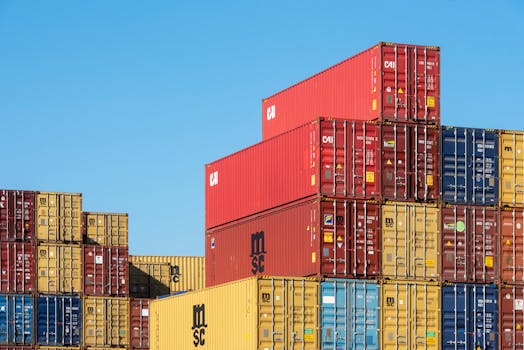
A vibrant collection of stacked shipping containers under a clear, blue sky. Ideal for logistic themes. Photo: Jan van der Wolf / Pexels
In today's competitive US market, every dollar saved in operational costs directly impacts the bottom line. One of the most compelling logistics outsourcing benefits is the potential for significant cost efficiencies. Many businesses, especially small to medium-sized enterprises (SMEs), struggle with the immense capital investment required to build and maintain a robust, in-house logistics infrastructure. This includes warehouses, specialized transportation fleets, advanced inventory management systems, and a skilled workforce. Outsourcing these functions to a Third-Party Logistics (3PL) provider allows companies to convert fixed costs into variable costs. Instead of owning and depreciating assets, businesses pay for services as they use them, scaling up or down based on demand. This flexibility is invaluable, particularly during peak seasons or economic fluctuations, preventing underutilization of resources during slow periods and costly scrambling during surges. Beyond direct asset costs, 3PLs achieve economies of scale that individual businesses cannot. They manage logistics for multiple clients, enabling them to negotiate better rates with carriers, utilize warehouse space more efficiently, and leverage advanced technology across a broader operational base. This collective buying power translates into lower transportation costs, reduced warehousing expenses, and optimized labor utilization for their clients. Furthermore, the specialized expertise of a 3PL often leads to process improvements and optimized routes, minimizing fuel consumption and delivery times. For instance, a 3PL’s sophisticated routing software can consolidate shipments, reduce empty miles, and choose the most cost-effective carriers, all contributing to a leaner, more efficient supply chain. The initial investment in such software and expertise would be prohibitive for many companies to undertake independently. By partnering with an expert, businesses gain access to these cutting-edge tools and strategies without the upfront expenditure or ongoing maintenance burden. This focus on efficiency and cost reduction is paramount for any business looking to gain a competitive edge in the bustling US economy. Understanding the full scope of logistics operations is key to identifying where these efficiencies can be most effectively implemented.

Enhancing Operational Agility and Scalability
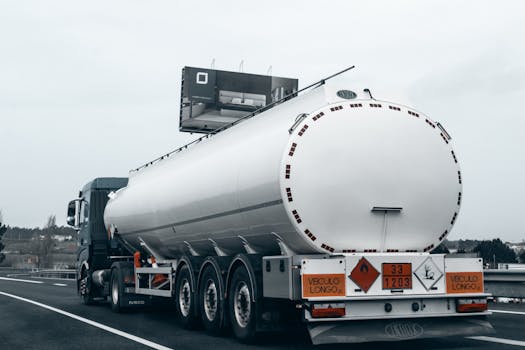
Rear view of a large tanker truck transporting fuel on a highway, emphasizing logistics and transportation. Photo: Vadym Alyekseyenko / Pexels
The modern business landscape is characterized by rapid change, fluctuating market demands, and unpredictable events. For businesses to thrive, they must possess inherent agility and the ability to scale operations quickly and efficiently. This is where logistics outsourcing benefits shine brightest, offering unparalleled flexibility. Building an in-house logistics team and infrastructure capable of handling significant fluctuations in volume is incredibly challenging and often cost-prohibitive. Imagine a retail business experiencing a sudden, unexpected surge in demand due to a viral product or a major holiday sale. An in-house team might struggle to find additional warehouse space, hire temporary staff, or secure more transportation capacity in a short timeframe. This can lead to delayed shipments, dissatisfied customers, and ultimately, lost revenue. Conversely, a 3PL partner is specifically designed to handle such variability. They have extensive networks of warehouses, a large pool of trained personnel, and established relationships with numerous carriers. This allows them to quickly scale up or down operations to match your business needs without you having to incur the fixed costs associated with excess capacity during slow periods or the logistical nightmare of rapid expansion. Whether you're entering a new market, launching a new product, or simply navigating seasonal peaks and troughs, a 3PL can provide the necessary resources and infrastructure. This inherent scalability frees your business from the constraints of its own physical and human resources, allowing you to respond to market opportunities and challenges with unprecedented speed and confidence. This agility is not just about managing growth; it's also about managing contraction efficiently, preventing the burden of underutilized assets during downturns. The ability to adapt your supply chain effortlessly is a critical differentiator in today's dynamic commercial environment, ensuring that your logistics operations are always aligned with your business strategy and market reality. This flexibility ultimately empowers businesses to pursue ambitious growth targets without being hampered by logistical limitations.

Access to Expertise, Technology, and Global Reach

Delivery worker using a tablet to manage shipments with stacked boxes in the background. Photo: Artem Podrez / Pexels
One of the profound, yet often underestimated, logistics outsourcing benefits is gaining immediate access to specialized industry expertise, cutting-edge technology, and, for many, an expanded global reach. Developing an in-house logistics department capable of competing with a dedicated 3PL requires significant investment in talent acquisition, training, and technology research and development. 3PLs are specialists; their core business is logistics. This means they employ seasoned professionals with deep knowledge of supply chain best practices, regulatory compliance (both domestic and international), and risk management. They stay abreast of the latest industry trends, from sustainable shipping practices to advanced warehouse automation, ensuring your operations benefit from the most current and efficient methodologies. Furthermore, 3PLs invest heavily in advanced logistics technology that would be prohibitively expensive for most individual companies. This includes state-of-the-art Warehouse Management Systems (WMS), Transportation Management Systems (TMS), real-time tracking and visibility platforms, and sophisticated analytics tools. These technologies optimize inventory levels, streamline order fulfillment, enhance route planning, and provide granular data insights that can drive strategic decision-making. By outsourcing, you effectively lease access to these powerful tools and the expertise to operate them, without the capital outlay or the need to train your own staff. For businesses looking to expand beyond their local or regional footprint, 3PLs often possess established networks and relationships that facilitate seamless entry into new domestic and international markets. They understand the complexities of cross-border shipping, customs regulations, and international compliance, mitigating risks and accelerating market penetration. This global reach, combined with specialized knowledge and advanced technology, allows businesses to focus on their core competencies – product development, marketing, and sales – while leaving the intricate world of logistics to the experts. It’s an invaluable partnership that elevates operational standards and competitive advantage.

Navigating Common Pitfalls and Maximizing Partnership Value

A vibrant collection of stacked shipping containers under a clear, blue sky. Ideal for logistic themes. Photo: Jan van der Wolf / Pexels
While the logistics outsourcing benefits are clear, successfully leveraging a 3PL requires careful planning and execution to avoid common pitfalls. A primary mistake is insufficient due diligence in partner selection. Not all 3PLs are created equal, and choosing one solely based on price can lead to hidden costs, service failures, and reputational damage. It's crucial to assess their industry experience, technological capabilities, financial stability, and cultural alignment with your business. Another pitfall is inadequate communication. A successful 3PL relationship is a true partnership, demanding transparent and frequent communication. Clearly define expectations, establish regular reporting, and create channels for swift issue resolution. Lack of clear communication can lead to misunderstandings, service gaps, and missed opportunities for optimization. Here's a list of key considerations to maximize your 3PL partnership value: * **Define Clear KPIs:** Establish measurable Key Performance Indicators (KPIs) like on-time delivery rates, order accuracy, inventory turns, and cost per shipment. Regularly review these with your 3PL. * **Maintain Oversight:** While outsourcing, don't abdicate responsibility. Implement systems to monitor performance and maintain a level of oversight to ensure service levels are met. * **Foster Collaboration:** Treat your 3PL as an extension of your team. Share business objectives, market insights, and upcoming challenges to enable proactive solutions. * **Negotiate a Flexible Contract:** Ensure your contract includes provisions for scalability, performance incentives, and clear exit strategies if the partnership doesn't meet expectations. * **Invest in Integration:** Seamless integration of IT systems (e.g., ERP with WMS/TMS) is critical for real-time visibility and efficient data flow. * **Regular Strategic Reviews:** Conduct periodic strategic reviews, not just operational check-ins, to discuss long-term goals and explore new opportunities for optimization. By proactively addressing these areas, businesses can mitigate risks and fully realize the transformative potential of logistics outsourcing, transforming it from a service provider relationship into a strategic competitive advantage.

Comparison

FeatureOutsourced Logistics (3PL)In-House LogisticsHybrid Model
Capital InvestmentLow (variable costs)High (fixed assets)Medium
ScalabilityHigh (on-demand)Low (constrained)Medium to High
Expertise AccessHigh (specialized 3PL)Depends on internal hiresMix of internal/external
Technology AccessAdvanced (3PL investment)Limited (internal budget)Mix of internal/3PL
Focus on Core Business
Risk MitigationShared with 3PLSolely internalShared
Cost ControlHigh (negotiated rates)Challenging (fixed costs)Moderate

What Readers Say

"Outsourcing our fulfillment to a 3PL has been a game-changer. We've seen a 15% reduction in shipping costs and our customer satisfaction scores have significantly improved due to faster, more reliable deliveries. It truly unlocked growth potential for our e-commerce business."

Sarah J. · Austin, TX

"The logistics outsourcing benefits for our manufacturing company were immediate. We no longer worry about warehouse space or managing a fleet, allowing our team to focus entirely on production and product innovation. The expertise they brought was invaluable."

Mark D. · Chicago, IL

"Before, our logistics were a chaotic mess. After partnering with a 3PL, our order accuracy jumped from 85% to 99%, and we cut our average delivery time by two days. This concrete result has directly translated into increased customer loyalty and repeat business."

Emily R. · Miami, FL

"While the cost savings haven't been as dramatic as initially projected, the peace of mind and operational efficiency gained through logistics outsourcing has been significant. We appreciate the flexibility and access to advanced tracking technology they provide, even with minor initial integration challenges."

David L. · Denver, CO

"As a startup entering the US market, we had zero logistics infrastructure. Outsourcing allowed us to launch quickly and scale rapidly without heavy upfront investment. It's been instrumental in our ability to compete with larger, established brands from day one."

Jessica W. · Seattle, WA

Frequently Asked Questions

What are the primary logistics outsourcing benefits for small to medium-sized businesses?

For SMBs, the primary benefits include converting fixed logistics costs into variable ones, gaining access to enterprise-level technology and expertise without significant investment, and achieving scalability that allows them to compete with larger enterprises. It frees up internal resources to focus on core business growth rather than complex supply chain management.

Is outsourcing logistics safe for sensitive or valuable products?

Yes, reputable 3PLs specialize in handling various product types, including sensitive or valuable goods. They employ advanced security measures, specialized handling equipment, and often offer comprehensive insurance options. It's crucial to thoroughly vet potential partners for their specific experience and security protocols related to your product category.

How do I choose the right 3PL partner to maximize logistics outsourcing benefits?

To choose the right 3PL, first define your specific needs and goals. Then, research providers based on their industry experience, technological capabilities (WMS, TMS), geographic reach, financial stability, and customer service reputation. Request proposals, check references, and ensure cultural alignment for a successful long-term partnership.

Will logistics outsourcing actually save my company money, or is it an added expense?

While there is a cost associated with 3PL services, strategic logistics outsourcing almost always results in overall cost savings. This is achieved through economies of scale (better shipping rates), reduced capital expenditure (no need for warehouses, trucks), optimized inventory management, lower labor costs, and reduced errors. The key is a thorough cost-benefit analysis before committing.

How does outsourced logistics compare to having an in-house logistics department?

Outsourced logistics offers greater flexibility, scalability, and access to specialized expertise and technology without the capital investment and operational burden of an in-house department. In-house logistics provides full control but demands significant resources, infrastructure, and constant management, often struggling with peak demand or market fluctuations.

Who should consider leveraging logistics outsourcing benefits?

Any business facing challenges with rising shipping costs, limited warehouse space, inefficient inventory management, difficulty scaling operations, or a desire to focus purely on core competencies should consider logistics outsourcing. It's particularly beneficial for e-commerce businesses, manufacturers, and retailers experiencing growth or seasonal demand.

What are the potential risks associated with logistics outsourcing?

Potential risks include a perceived loss of control, reliance on a third party, potential data security concerns, and the possibility of service level discrepancies if the contract isn't well-defined. These risks can be mitigated through thorough due diligence, clear contractual agreements, strong communication, and robust performance monitoring.

What future trends might further enhance logistics outsourcing benefits?

Future trends like AI-driven optimization, increased automation in warehouses, blockchain for supply chain transparency, and advanced predictive analytics will further enhance logistics outsourcing benefits. 3PLs are typically early adopters of these technologies, allowing their clients to benefit without direct investment or expertise.

Embrace the strategic advantage that logistics outsourcing benefits can provide your US business. Stop managing logistics and start leveraging expert partners to drive efficiency, reduce costs, and unlock your true growth potential. Take the next step towards an optimized supply chain today.

Topics: logistics outsourcing benefitssupply chain optimizationthird-party logisticscost reduction logisticslogistics efficiency
Leo List
Brampton weed
Adultwork EstrelaBet Vai de Bet R7 Bet Betão Galera Bet Rainbet Bet9ja Shop SportyBet BetKing Sisal Loto Foot Hollywoodbets YesPlay Odibets RushBet Jugabet BetWarrior BetCity MSport betPawa Fortebet