Unlocking the Best International Logistics Services Cost
international logistics services cost

Unlocking the Best International Logistics Services Cost

Mastering the financial landscape of global trade is crucial for businesses aiming for efficiency and profitability in their international operations.

Optimize Your Global Shipping

Key Takeaways

  • ✓ International logistics costs can represent 7-15% of a product's landed cost.
  • ✓ Ocean freight is typically the most cost-effective for large volumes over long distances.
  • ✓ Air freight offers speed but comes at a significantly higher premium.
  • ✓ Customs duties, taxes, and compliance fees are often underestimated cost components.

How It Works

1
Assess Your Shipping Needs

Determine cargo type, volume, urgency, and destination to identify suitable modes of transport. This initial assessment forms the bedrock of cost estimation.

2
Obtain Multiple Quotes

Engage various freight forwarders and logistics providers to compare pricing structures and service offerings. This competitive analysis is vital for securing favorable rates.

3
Factor in All Charges

Beyond base freight, account for customs, insurance, warehousing, and last-mile delivery to get a true landed cost. Hidden fees can significantly inflate the final bill.

4
Optimize and Execute

Strategize routes, consolidate shipments, and leverage technology to reduce costs and improve efficiency. Continuous optimization ensures long-term savings and reliability.

Understanding the Core Components of International Logistics Services Cost
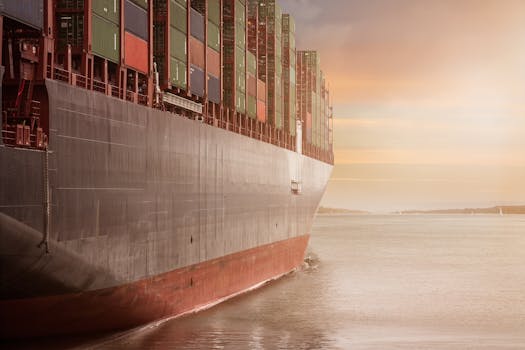
A colossal cargo ship loaded with containers navigates through calm waters against a vibrant sunset sky. Photo: Pixabay / Pexels
The landscape of international logistics services cost is intricate, comprising numerous variables that collectively determine the final expenditure for businesses engaged in global trade. At its heart, understanding these components is not merely about identifying individual line items, but appreciating their interconnectedness and how they influence the overall efficiency and profitability of your supply chain. For many businesses, especially those new to international shipping, the initial quote can be a deceptive starting point, as it often only covers the most apparent charges. A comprehensive grasp of these core components is essential for accurate budgeting, strategic decision-making, and ultimately, securing a competitive edge in the global marketplace. One of the most significant components is freight transportation costs. This encompasses the actual movement of goods from origin to destination, often involving multiple modes. Ocean freight, while slow, is typically the most economical for large, heavy, or non-urgent shipments, with costs fluctuating based on fuel prices, vessel capacity, and demand on specific trade lanes. Air freight, conversely, offers unparalleled speed but at a considerably higher premium, making it suitable for high-value, time-sensitive, or perishable goods. Land transportation, whether by truck or rail, serves as the critical link for first-mile and last-mile delivery, connecting ports and airports to warehouses and final recipients. The choice of mode, or combination thereof, is a primary driver of cost, directly impacting transit times and overall supply chain agility. Beyond the base freight, various surcharges and accessorial fees significantly contribute to the international logistics services cost. These can include fuel surcharges, which are often adjusted dynamically, security surcharges, port congestion fees, terminal handling charges (THC), and chassis usage fees. While seemingly minor individually, these can accumulate to a substantial portion of the total cost. Furthermore, customs duties, taxes, and other governmental levies are unavoidable expenses when goods cross international borders. These vary widely by country, product type, and origin, and failure to accurately account for them can lead to unexpected delays and penalties. Proper classification of goods using Harmonized System (HS) codes is crucial for determining the correct duties and avoiding costly errors. Another critical element is warehousing and storage. Depending on the supply chain model, goods may require temporary storage at origin, transshipment points, or destination. The cost of warehousing is influenced by factors such as location, storage duration, type of facility (e.g., temperature-controlled), and the services required (e.g., picking, packing, cross-docking). Inventory holding costs, though not always directly billed by a logistics provider, are an inherent part of the overall logistics expenditure, encompassing capital tied up in inventory, insurance, and potential obsolescence. Effective inventory management strategies, such as just-in-time (JIT) or vendor-managed inventory (VMI), can help mitigate these costs. Finally, the often-overlooked but vital aspects of insurance and documentation play a significant role. Cargo insurance protects against loss or damage during transit, a non-negotiable expense for mitigating risk in international shipping. The cost of insurance depends on the value of the goods, the chosen mode of transport, and the route's risk profile. Documentation, while seemingly administrative, involves a myriad of paperwork, including bills of lading, commercial invoices, packing lists, certificates of origin, and export/import licenses. Errors or omissions in these documents can lead to customs delays, fines, and additional storage charges, directly impacting the international logistics services cost. Engaging experienced freight forwarders can help navigate this complex documentation landscape efficiently, ensuring compliance and smooth transit.

Strategies for Optimizing Your Global Shipping Expenses
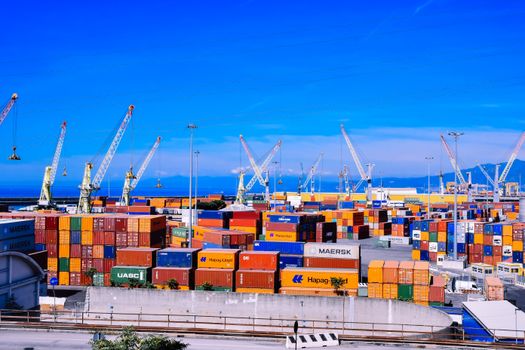
A bustling shipping port with colorful stacked containers and numerous cranes under a clear blue sky. Photo: Andrea Musto / Pexels
Optimizing international logistics services cost is a continuous endeavor that demands strategic planning, leveraging technology, and fostering strong partnerships. Businesses cannot simply accept the first quote they receive; instead, they must proactively seek out efficiencies and cost-saving opportunities across their entire supply chain. The goal is not merely to find the cheapest option, which can often compromise service quality or reliability, but to achieve the most cost-effective solution that aligns with business objectives and customer expectations. This involves a multi-faceted approach, integrating various tactics to reduce expenditures without sacrificing essential service levels. One of the most impactful strategies is shipment consolidation. For businesses that frequently send smaller, less-than-container-load (LCL) or less-than-truckload (LTL) shipments, consolidating these into full container loads (FCL) or full truckloads (FTL) can yield significant savings. While LCL/LTL offers flexibility, it often comes with higher per-unit costs due to the need for consolidation and deconsolidation at various hubs. By planning ahead and potentially adjusting order cycles, companies can accumulate enough cargo to fill a container or truck, thereby paying a single, more economical rate. This requires careful coordination with suppliers and customers, but the cost benefits, especially for regular shipments, are substantial. Another crucial strategy involves leveraging technology and data analytics. Advanced logistics software, such as Transportation Management Systems (TMS) and Warehouse Management Systems (WMS), can provide real-time visibility into the supply chain, optimize routing, track inventory, and even automate documentation. By analyzing historical shipping data, businesses can identify trends, forecast demand more accurately, and pinpoint bottlenecks or inefficiencies that drive up costs. Predictive analytics can help in negotiating better rates by understanding peak seasons, lane volumes, and carrier performance. Furthermore, adopting electronic data interchange (EDI) streamlines communication with partners, reducing manual errors and accelerating information flow, which in turn minimizes delays and associated costs. Building strong, long-term relationships with freight forwarders and carriers is also paramount for cost optimization. Rather than treating every shipment as a transactional event, developing strategic partnerships allows businesses to negotiate better rates, secure capacity during peak seasons, and gain access to specialized services. Preferred partners are often more willing to offer volume discounts, extended payment terms, or even collaborate on innovative solutions to reduce costs. A good relationship also means better communication and problem-solving when unforeseen issues arise, preventing costly disruptions. Regular performance reviews with logistics providers ensure that service levels are maintained and that cost-saving initiatives are continuously explored. Lastly, continuous review and optimization of Incoterms (International Commercial Terms) can significantly impact the international logistics services cost. Incoterms define the responsibilities of buyers and sellers for the delivery of goods, including who pays for and manages various aspects of the shipment. Choosing the right Incoterm, such as Free On Board (FOB) or Cost, Insurance and Freight (CIF), can shift responsibilities and associated costs, potentially leading to savings or better control over the shipping process. For instance, a buyer might choose an Incoterm that allows them to arrange their own freight, potentially securing better rates through their established network. Regularly re-evaluating Incoterms in light of changing market conditions and shipping volumes can uncover new avenues for cost reduction.

Navigating Customs, Compliance, and Hidden Fees in Global Trade

A female courier in uniform managing packages with a device in a storage room. Photo: Tima Miroshnichenko / Pexels
Beyond the obvious freight charges, the true international logistics services cost is heavily influenced by the often-complex world of customs, compliance, and a myriad of hidden fees. These elements, if not meticulously managed, can quickly inflate expenses, cause significant delays, and even result in legal penalties. For businesses, particularly those new to international shipping, underestimating these factors is a common pitfall that can severely impact profitability and operational efficiency. A proactive and informed approach to these aspects is not just about cost control, but about ensuring seamless and compliant movement of goods across borders. Effective supply chain management mandates a deep understanding of these intricacies. Customs duties and taxes are perhaps the most prominent non-freight cost. These are tariffs levied by governments on imported goods and can vary dramatically based on the product's classification (HS code), its country of origin, and the destination country's trade agreements. Misclassifying a product, even unintentionally, can lead to incorrect duty payments, resulting in fines, audits, or delayed release of goods. Furthermore, various countries impose additional taxes like Value Added Tax (VAT) or Goods and Services Tax (GST) at the point of import. Businesses must research and accurately calculate these charges well in advance, often requiring the expertise of customs brokers or specialized software to ensure compliance and avoid unexpected financial burdens. The impact of free trade agreements should also be explored, as they can significantly reduce or eliminate duties for eligible goods, provided the rules of origin are met and documented correctly. Compliance, while not always a direct cost, is a critical factor that can lead to substantial indirect expenses if neglected. This includes adhering to export and import regulations, licensing requirements, product safety standards, and intellectual property laws in both the origin and destination countries. For example, certain products may require specific certifications (e.g., FDA approval for food and medical devices in the US) or may be subject to quotas or embargoes. Non-compliance can lead to goods being seized, returned to sender, or heavy fines, all of which add to the overall international logistics services cost through demurrage, storage fees, and reshipment expenses. Staying updated on evolving international trade laws and engaging with customs experts are vital for mitigating these risks. Hidden fees, often referred to as accessorial charges, are another significant contributor to the overall cost that can catch businesses off guard. These charges are usually not included in the base freight quote and can arise from various circumstances. Examples include demurrage (charges for holding cargo at a port beyond the allowed free time), detention (charges for holding equipment like containers or chassis beyond the allowed free time), port congestion surcharges, peak season surcharges, currency adjustment factors (CAF), bunker adjustment factors (BAF), and fees for special handling (e.g., hazardous materials, oversized cargo). These fees can be dynamic and unpredictable, making accurate budgeting challenging. Transparency with logistics providers is crucial; businesses should request a detailed breakdown of all potential charges and inquire about common surcharges for their specific trade lanes and cargo types. Negotiating these fees or understanding how to avoid them through efficient processes (e.g., prompt pickup/delivery) can significantly impact the final cost. Finally, the cost of specialized services like customs brokerage, freight insurance, and trade compliance consulting, while not hidden, are often essential additions to the international logistics services cost. While businesses might be tempted to handle these in-house to save money, the complexity and potential for costly errors often make external expertise a worthwhile investment. A reputable customs broker, for instance, can navigate complex regulations, prepare accurate documentation, and expedite customs clearance, ultimately saving money by preventing delays and penalties. Similarly, comprehensive freight insurance, though an upfront cost, provides financial protection against unforeseen events like loss, damage, or theft during transit, which could otherwise lead to devastating financial losses.

Choosing the Right Partner: Tips for Reducing Your International Logistics Services Cost
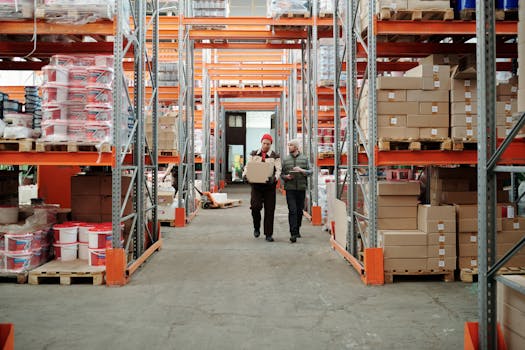
Two workers handle a package in a spacious warehouse surrounded by shelves stocked with boxes and products. Photo: Tiger Lily / Pexels
Selecting the appropriate logistics partner is arguably the most critical decision when aiming to optimize international logistics services cost. The right partner acts as an extension of your business, providing expertise, efficiency, and cost-saving opportunities, while the wrong one can lead to inflated costs, delays, and reputational damage. This decision goes far beyond simply comparing price quotes; it involves evaluating a partner's capabilities, network, technology, and commitment to customer service. Here are actionable tips to guide your selection process and ensure you secure the best value for your global shipping needs: * **Conduct Thorough Due Diligence:** Don't settle for the first quote. Research multiple freight forwarders and logistics providers. Look into their track record, industry reputation, and financial stability. Check for certifications (e.g., C-TPAT for security, IATA for air cargo) and memberships in reputable industry associations. Request references and speak to their current clients to gauge their service quality and reliability, especially regarding their ability to manage complex international shipments and handle unexpected issues. * **Evaluate Their Global Network and Expertise:** A strong global network is crucial for seamless international shipping. Does the partner have established agents or offices in your key origin and destination countries? Do they possess specific expertise in your industry or with the types of goods you ship (e.g., perishable, hazardous, oversized)? Their knowledge of local regulations, customs procedures, and cultural nuances can significantly impact transit times and prevent costly errors. * **Assess Their Technology and Visibility Tools:** Modern logistics demands advanced technology. Inquire about their Transportation Management System (TMS), cargo tracking capabilities, and ability to provide real-time updates. A partner offering robust digital tools can provide transparency, improve communication, and help you make informed decisions, ultimately reducing operational costs and improving efficiency. Integration capabilities with your own systems can also be a major advantage. * **Understand Their Pricing Structure and Hidden Fees:** Request a detailed, itemized quote that clearly outlines all potential charges, including base freight, surcharges, customs brokerage fees, and any accessorial charges. Ask about their policy on fuel surcharges, port congestion fees, and other variable costs. A transparent pricing structure helps you budget accurately and avoids unpleasant surprises. Be wary of quotes that seem too low, as they often hide essential services or fees. * **Prioritize Communication and Customer Service:** Effective communication is vital in international logistics. Assess their responsiveness, clarity of communication, and the availability of dedicated account managers. A partner that offers proactive updates and is easily reachable to address concerns can save you significant time and money by preventing and resolving issues swiftly. Strong communication builds trust and facilitates a smoother shipping process. * **Consider Value-Added Services:** Many logistics providers offer additional services beyond basic freight, such as warehousing, distribution, customs consulting, and supply chain optimization. Evaluate if these services align with your needs and if bundling them could lead to cost savings or improved efficiency. A partner that can offer a holistic solution often provides greater value and simplifies your logistics management. * **Negotiate and Build Long-Term Relationships:** Don't hesitate to negotiate rates, especially if you have consistent shipping volumes. Frame the relationship as a long-term partnership rather than a one-off transaction. Loyal clients often receive better rates, preferential treatment, and more flexible terms. Regular performance reviews and open dialogue can lead to continuous optimization of services and costs.

Comparison

FeatureStrategic PartnerTransactional BrokerDIY ApproachCost-Cutting Focus
Cost PredictabilityHighMediumLowMedium
Service ReliabilityHighMediumLowMedium
Global NetworkExtensiveVariableLimitedVariable
Customs ExpertiseHighMediumLowMedium
Technology & VisibilityAdvancedBasicManualBasic
Problem ResolutionProactiveReactiveSelf-managedReactive
Long-Term Savings
ScalabilityHighMediumLowMedium

What Readers Say

"We struggled with unpredictable international logistics services cost until we partnered with Global Freight Solutions. Their transparent pricing and proactive communication saved us 15% on our annual shipping budget for electronics."

Sarah Chen · Los Angeles, CA

"Navigating customs for our textile imports was a nightmare. Our new logistics provider not only streamlined the process but also helped us identify duty savings, significantly impacting our overall international logistics services cost."

Mark Johnson · Miami, FL

"Our small business needed reliable and affordable global shipping. FreightLink offered competitive international logistics services cost and consistently delivered on time, allowing us to expand into new markets confidently."

Emily Rodriguez · Houston, TX

"While their initial quote for international logistics services cost was slightly higher, the value in their end-to-end service, including warehousing and distribution, made it a worthwhile investment for our automotive parts."

David Lee · Chicago, IL

"As an e-commerce startup, managing international logistics services cost is crucial. Our partner's technology for tracking and optimizing small parcel shipments has been a game-changer, improving customer satisfaction and our bottom line."

Jessica Kim · New York, NY

Frequently Asked Questions

What factors most heavily influence international logistics services cost?

The most significant factors influencing international logistics services cost include the mode of transport (ocean, air, land), the volume and weight of the cargo, the distance and specific trade lane, fuel prices, surcharges (e.g., port congestion, peak season), customs duties and taxes, insurance, and any special handling requirements for the goods. Each of these elements contributes substantially to the overall expenditure.

How can I reduce my international logistics services cost without sacrificing reliability?

To reduce costs without compromising reliability, focus on shipment consolidation, optimizing Incoterms, leveraging technology for better visibility and routing, negotiating long-term contracts with trusted partners, and proactively managing customs compliance to avoid delays and penalties. Strategic planning and a strong logistics partner are key.

What is the process for obtaining an accurate quote for international shipping?

To get an accurate international shipping quote, you'll need to provide detailed information about your cargo (dimensions, weight, type), origin and destination addresses, desired transit time, and any special handling needs. Always request an itemized quote that includes all potential surcharges, duties, and taxes to avoid hidden fees.

Are customs duties and taxes included in the international logistics services cost quote?

Typically, base international logistics services cost quotes from freight forwarders do not include customs duties, taxes, or other governmental levies unless explicitly stated. These charges are often calculated and paid separately, either by the shipper or consignee, depending on the agreed-upon Incoterms. Always clarify this with your provider.

How does cargo insurance impact the overall international logistics services cost?

Cargo insurance is a relatively small but critical component of the international logistics services cost. While it adds to the upfront expense, it provides financial protection against loss or damage during transit, which can prevent much larger financial setbacks. The cost varies based on cargo value, route, and chosen coverage.

Who should use professional international logistics services?

Any business involved in importing or exporting goods, from small e-commerce startups to large multinational corporations, can benefit from professional international logistics services. They are particularly valuable for businesses seeking to optimize their supply chain, reduce costs, ensure compliance, and navigate the complexities of global trade efficiently.

What are the risks of choosing the cheapest international logistics services provider?

Choosing the absolute cheapest international logistics services provider often carries significant risks, including unreliable transit times, poor communication, hidden fees, inadequate insurance, and a lack of expertise in customs compliance. These issues can lead to costly delays, damaged goods, fines, and ultimately, damage to your business reputation and profitability.

How will global economic trends affect international logistics services cost in the future?

Global economic trends, such as inflation, geopolitical events, trade wars, shifts in consumer demand, and technological advancements, will continue to impact international logistics services cost. Businesses should anticipate ongoing volatility in fuel prices, freight rates, and potential regulatory changes, emphasizing the need for flexible and resilient supply chain strategies.

Mastering your international logistics services cost is vital for global competitiveness. Take control of your supply chain by understanding the nuances of global shipping, choosing the right partners, and continuously optimizing your processes for maximum efficiency and profitability.

Topics: international logistics services costglobal shipping expensessupply chain optimization costsfreight forwarding pricingcustoms duties and taxes
Leo List
Brampton weed
Adultwork EstrelaBet Vai de Bet R7 Bet Betão Galera Bet Rainbet Bet9ja Shop SportyBet BetKing Sisal Loto Foot Hollywoodbets YesPlay Odibets RushBet Jugabet BetWarrior BetCity MSport betPawa Fortebet