Mastering Global Trade with Freight Forwarding Services USA
August 26, 2026 16 min read 3,109 words
Expert freight forwarders in the USA streamline your international shipments, ensuring efficiency, compliance, and cost-effectiveness.
Get Your Free Quote Now
The Indispensable Role of Freight Forwarding Services in USA Logistics
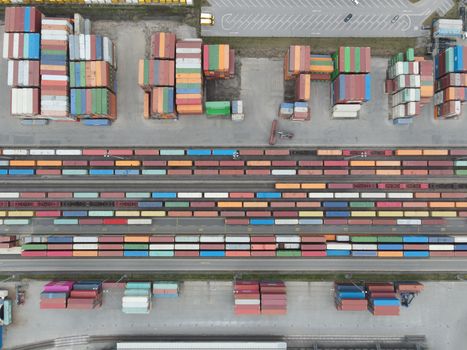 Photo: Tobi &Chris / Pexels
In the intricate world of global commerce, the United States stands as a pivotal hub, with goods constantly flowing in and out of its borders. For businesses navigating this complex landscape, from multinational corporations to budding e-commerce startups, the concept of efficient and reliable
international shipping is not merely a convenience but a fundamental necessity. This is where freight forwarding services USA step in, acting as the orchestrators of international trade, ensuring that goods move seamlessly, compliantly, and cost-effectively across vast distances and numerous regulatory hurdles. A freight forwarder is not a carrier; they don't own the ships, planes, or trucks. Instead, they are expert logistics providers who act as intermediaries between shippers and various transportation services. Their primary function is to simplify the shipping process for their clients, leveraging their extensive networks and specialized knowledge to manage the entire supply chain. This includes everything from initial planning and carrier selection to documentation, customs clearance, and final delivery. The sheer volume and diversity of goods handled, coupled with the dynamic regulatory environment, make professional freight forwarding an indispensable asset for any business engaged in international trade within or to the USA. They are the strategic partners who transform potential logistical nightmares into streamlined operations, allowing businesses to focus on their core competencies while their goods are expertly managed. The complexity of international trade is multifaceted. It involves understanding different modes of transport – ocean freight, air freight, road freight, and rail freight – each with its own advantages, disadvantages, and cost structures. It also demands a deep familiarity with international trade laws, tariffs, duties, and the specific customs requirements of both the origin and destination countries. For the USA, this means navigating the regulations set by agencies like U.S. Customs and Border Protection (CBP), the Department of Transportation (DOT), and other governmental bodies. Without specialized expertise, businesses can easily fall victim to delays, penalties, or unforeseen costs, all of which can severely impact profitability and reputation. A proficient freight forwarder mitigates these risks by providing expert guidance and handling all the intricate details. They possess the market intelligence to secure competitive rates, optimize transit times, and choose the most appropriate routes and carriers for specific cargo types. Their established relationships with carriers often translate into better service and more favorable terms than an individual shipper could obtain on their own. Furthermore, they offer invaluable services such as cargo insurance, warehousing, and distribution, creating a comprehensive logistics solution. The value proposition of freight forwarding services USA extends beyond mere transportation. It encompasses risk management, cost optimization, and ensuring supply chain resilience. In a global economy characterized by constant change, having a reliable freight forwarder means having a partner who can adapt to disruptions, whether they are geopolitical events, natural disasters, or shifts in market demand. Their ability to quickly pivot and find alternative solutions is critical for maintaining business continuity. Ultimately, these services are not just about moving goods; they are about moving businesses forward by facilitating global market access and enhancing competitive advantage.
Navigating the Complexities: Key Services Offered by USA Freight Forwarders
 Photo: Pavel Danilyuk / Pexels
The scope of services offered by reputable freight forwarding services USA extends far beyond simply booking a shipment. They are comprehensive logistics partners, equipped to handle virtually every aspect of your international supply chain. Understanding these key services is crucial for businesses looking to optimize their shipping strategies and ensure compliance. One of the foundational services is multimodal transportation. This involves strategically combining different transport modes – such as sea-air, air-truck, or rail-road – to achieve the optimal balance of speed, cost, and efficiency for a particular shipment. For instance, high-value, time-sensitive goods might start with air freight and then transition to expedited road transport for final delivery, while bulkier, less urgent cargo might utilize ocean freight followed by rail. A skilled freight forwarder will analyze your specific needs and craft the most suitable multimodal solution, often leveraging their network of carriers across all modes. This optimization is critical, especially when dealing with the vast geographical expanse of the USA and its diverse logistical infrastructure. Another cornerstone service is customs brokerage. This is arguably one of the most critical and complex aspects of international shipping, particularly when importing into or exporting from the USA. Freight forwarders often have in-house licensed customs brokers or strong partnerships with them. These experts are responsible for preparing and submitting all necessary customs documentation, calculating and paying duties and taxes, and ensuring compliance with the myriad of import/export regulations enforced by agencies like U.S. Customs and Border Protection (CBP), FDA, EPA, and USDA. Missteps in customs declarations can lead to significant delays, hefty fines, and even seizure of goods, making professional customs brokerage an invaluable service for mitigating risk and ensuring smooth border crossings. Beyond transportation and customs, freight forwarders also provide crucial warehousing and distribution services. This can range from short-term storage at origin or destination ports to more sophisticated solutions like inventory management, pick-and-pack services, and regional distribution within the USA. For businesses without their own extensive warehousing infrastructure, these services offer flexibility and scalability, allowing them to manage inventory more effectively and respond quickly to market demands. This is especially beneficial for e-commerce businesses that need efficient last-mile delivery solutions across the country. Furthermore, cargo insurance is another vital offering. While carriers have limited liability, a freight forwarder can arrange comprehensive cargo insurance to protect your goods against loss or damage during transit, providing peace of mind and financial security. They can advise on the best coverage options based on the value and nature of your cargo, ensuring that your investment is fully protected against unforeseen circumstances. The forwarder acts as a single point of contact, simplifying claims processes if an incident occurs. Finally, technology and visibility are increasingly central to modern freight forwarding. Leading freight forwarding services USA leverage advanced logistics software to provide real-time tracking, digital documentation, and supply chain analytics. This transparency allows clients to monitor their shipments every step of the way, anticipate potential issues, and make informed decisions. From online portals to automated notifications, these technological advancements enhance efficiency, reduce administrative burden, and provide an unparalleled level of control and insight into the entire shipping process. These comprehensive services underscore the role of freight forwarders as strategic partners, not just service providers, in the global supply chain.
Choosing the Right Partner: What to Look for in Freight Forwarding Services USA
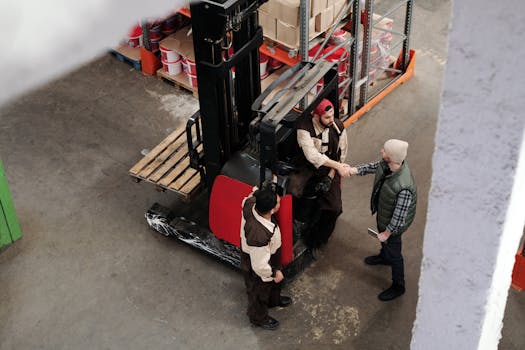 Photo: Tiger Lily / Pexels
Selecting the appropriate freight forwarding services USA is a critical strategic decision that can significantly impact your business's efficiency, costs, and overall success in international trade. With numerous providers in the market, discerning the best fit requires careful consideration of several key factors. The right partner will not only transport your goods but also act as an extension of your team, providing expert guidance and seamless execution. One of the foremost considerations is the forwarder's industry experience and specialization. Does the company have a proven track record in handling goods similar to yours? Some forwarders specialize in specific industries, such as pharmaceuticals, perishables, oversized cargo, or hazardous materials, which require unique handling, permits, and regulatory compliance. Their experience in your particular niche can be invaluable, preventing costly mistakes and ensuring smooth transit. Ask about their experience with your specific trade lanes, especially those involving the USA, and their understanding of the unique challenges and opportunities within those routes. A forwarder with deep knowledge of US import/export regulations, for example, will be far more effective than a generalist. Another crucial aspect is their global network and partnerships. A robust network of agents and partners worldwide, particularly in your origin and destination countries, ensures smooth transitions at every leg of the journey. This network should extend to carriers across various modes of transport – ocean, air, road, and rail. A strong network translates into better rates, more flexible scheduling options, and greater resilience in the face of disruptions. For businesses dealing with the USA, this means having access to reliable domestic carriers for inland transportation as well as international partners for cross-border movements. A truly global reach, combined with strong local expertise, is a hallmark of top-tier
logistics solutions. Technology and communication are also paramount in today's fast-paced environment. Look for freight forwarding services USA that offer advanced tracking systems, online portals for managing shipments, and transparent communication channels. Real-time visibility into your cargo's location and status is essential for planning and managing expectations. A forwarder that provides proactive updates, quick responses to inquiries, and detailed reporting will significantly enhance your operational efficiency. Digital documentation, electronic data interchange (EDI) capabilities, and integration with your existing ERP or supply chain management systems can also be significant advantages, streamlining administrative tasks and reducing manual errors. Furthermore, evaluate their customer service and responsiveness. In the dynamic world of international shipping, issues can arise unexpectedly. How quickly and effectively does the forwarder respond to inquiries, resolve problems, and provide solutions? A dedicated account manager who understands your business needs and is readily accessible can make a substantial difference. Look for a partner who prioritizes clear, consistent, and proactive communication. Finally, consider their pricing structure and transparency. While cost is always a factor, the cheapest option isn't always the best. Look for clear, comprehensive quotes that itemize all charges, avoiding hidden fees. Understand what is included in the service and what might incur additional costs. A reputable forwarder will provide transparent pricing and be able to explain their rate structure in detail. A balance between competitive pricing and high-quality, reliable service is key. By thoroughly evaluating these factors, businesses can forge a strong, long-term partnership with a freight forwarder that genuinely supports their global trade objectives and contributes to their bottom line.
Common Pitfalls and Best Practices for Utilizing Freight Forwarding Services USA
 Photo: Ann H / Pexels
Even with the assistance of expert freight forwarding services USA, businesses can encounter common pitfalls that lead to delays, increased costs, or compliance issues. Understanding these challenges and implementing best practices can significantly enhance your shipping experience and optimize your supply chain. One of the most frequent mistakes is inadequate documentation. Incorrect or incomplete paperwork – such as commercial invoices, packing lists, certificates of origin, or permits – is a primary cause of customs delays and penalties. Each country, and often each type of good, has specific documentation requirements. Best practice dictates meticulous attention to detail and early preparation of all necessary documents. Collaborate closely with your freight forwarder, providing them with accurate and timely information, and double-check all submissions. They are experts in ensuring compliance, but they rely on accurate input from you.
Another pitfall is underestimating lead times and failing to account for potential delays. While freight forwarders strive for efficiency, external factors like port congestion, weather conditions, customs inspections, and holiday seasons can impact transit times. Failing to build sufficient buffer time into your schedule can disrupt production, miss delivery deadlines, and damage customer relationships. Always communicate your critical deadlines to your forwarder and discuss realistic transit time estimates, including potential contingencies.
**Best Practices for Maximizing Your Freight Forwarder Partnership:**
* **Clear Communication:** Establish open and consistent communication channels. Share your business goals, specific shipping requirements, and any changes to your supply chain strategy. The more your forwarder understands your business, the better they can tailor their services.
* **Detailed Cargo Information:** Provide precise details about your cargo, including dimensions, weight, commodity codes (HS codes), value, and any special handling instructions (e.g., hazardous materials, temperature-sensitive goods). Accuracy here prevents classification errors and ensures appropriate handling.
* **Understand Incoterms:** Familiarize yourself with Incoterms (International Commercial Terms) and clearly define them in your contracts. Incoterms clarify the responsibilities of buyers and sellers for the delivery of goods, including cost, risk, and insurance. This prevents disputes and ensures smooth transactions.
* **Leverage Technology:** Utilize your forwarder's online tracking systems and reporting tools. Proactively monitor your shipments and leverage data analytics to identify trends, optimize routes, and improve forecasting.
* **Regular Performance Reviews:** Schedule periodic reviews with your freight forwarder to discuss their performance, identify areas for improvement, and address any concerns. A strong partnership is built on continuous feedback and collaboration.
* **Cargo Insurance:** Never skip cargo insurance. While carriers have limited liability, comprehensive insurance protects your financial investment against unforeseen loss or damage during transit, offering peace of mind.
Overlooking the nuances of customs regulations is another significant error. US customs regulations are extensive and frequently updated. Without expert guidance, businesses risk misclassification of goods, non-compliance with import quotas, or failure to adhere to specific agency requirements (e.g., FDA for food/medical products). Partnering with a freight forwarder that has strong customs brokerage capabilities is not just a convenience; it's a necessity for avoiding costly penalties and ensuring legal compliance. By proactively addressing these potential pitfalls and diligently implementing best practices, businesses can transform their use of freight forwarding services USA from a simple transaction into a powerful strategic advantage, enabling smoother, more reliable, and ultimately more profitable international trade operations.
