Mastering Green Logistics Practices for Sustainable Supply Chains
green logistics practices

Mastering Green Logistics Practices for Sustainable Supply Chains

Transform your operations with eco-conscious strategies, driving efficiency and environmental responsibility.

Start Your Green Journey

Key Takeaways

  • ✓ Green logistics aims to minimize environmental impact from supply chain activities.
  • ✓ Adoption can lead to significant cost savings through efficiency and reduced waste.
  • ✓ Consumer demand for sustainable products and services is rapidly increasing.
  • ✓ Technology like AI and IoT are crucial enablers for effective green logistics.

How It Works

1
Assess Current Operations

Begin by analyzing your existing logistics network to identify areas of high environmental impact. This includes mapping transport routes, energy consumption, and waste generation.

2
Strategize Sustainable Solutions

Develop a comprehensive plan incorporating various green practices, such as optimizing routes, utilizing alternative fuels, and implementing sustainable warehousing. Set clear, measurable goals for reduction.

3
Implement & Integrate Technology

Put your strategies into action, leveraging advanced logistics software, telematics, and renewable energy sources. Ensure seamless integration across all supply chain touchpoints for maximum impact.

4
Monitor, Measure & Optimize

Continuously track key performance indicators (KPIs) related to environmental impact and operational efficiency. Use data to refine practices, identify new opportunities, and ensure ongoing improvement.

The Imperative of Sustainable Logistics in Modern Business

Two men maneuver a trolley in a large warehouse filled with boxes and shelves. Photo: Alexander Isreb / Pexels
In an era defined by increasing environmental awareness and stringent regulations, green logistics practices are no longer merely an optional add-on but a strategic imperative for businesses aiming for long-term success and resilience. The traditional model of logistics, often characterized by a singular focus on cost and speed, has inadvertently contributed to significant environmental challenges, including carbon emissions, resource depletion, and waste generation. However, a paradigm shift is underway, driven by a confluence of factors: rising consumer demand for eco-friendly products, pressure from investors for ESG (Environmental, Social, and Governance) compliance, and the undeniable economic benefits of optimized, less wasteful operations. Sustainable logistics, at its core, involves integrating environmental considerations into every stage of the supply chain, from sourcing raw materials and manufacturing to transportation, warehousing, and final delivery, including reverse logistics. This holistic approach seeks to minimize the ecological footprint while simultaneously enhancing operational efficiency and profitability. It's about finding the sweet spot where environmental responsibility and economic viability converge. Companies that embrace this shift are not just doing good; they are doing smart business, positioning themselves as leaders in a competitive marketplace and building a brand image synonymous with corporate responsibility. The benefits extend beyond public perception, translating into tangible savings from reduced fuel consumption, optimized routes, and lower waste disposal costs. Moreover, proactive engagement with green initiatives can mitigate risks associated with future environmental regulations and supply chain disruptions. The journey towards sustainable logistics requires a commitment to innovation, collaboration across the supply chain, and a willingness to rethink established processes. It's a continuous improvement cycle, demanding regular assessment, adaptation, and investment in greener technologies and methodologies. Understanding the foundational principles and practical applications of green logistics is the first step towards transforming your operations for a sustainable future. It's about moving from a linear 'take-make-dispose' model to a more circular economy, where resources are valued, reused, and recycled. This transformation is not without its challenges, but the rewards – both environmental and economic – far outweigh the initial investment and effort. Optimizing logistics for sustainability is a complex but crucial task.

Core Pillars of Effective Green Logistics Practices
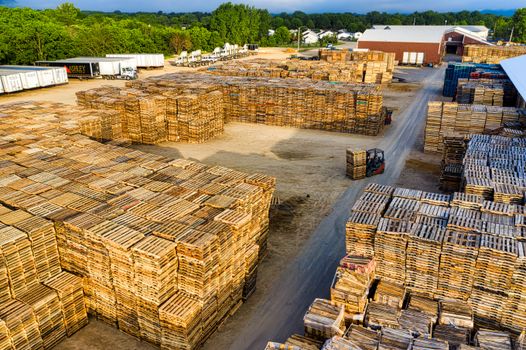
Aerial view showcasing large stacks of wooden pallets in an outdoor storage facility in Lake City, MN. Photo: Tom Fisk / Pexels
Implementing successful green logistics practices requires a multi-faceted approach, focusing on several key areas that collectively contribute to a more sustainable supply chain. The first pillar is **Transportation Optimization**. This involves not just route planning but a comprehensive strategy to reduce fuel consumption and emissions. It includes utilizing advanced route optimization software to minimize mileage, consolidating shipments to increase load factors, and exploring alternative transportation modes like rail or intermodal shipping which are generally more fuel-efficient than long-haul trucking. Furthermore, investing in fuel-efficient vehicle fleets, electric or hybrid trucks, and alternative fuels such as biofuels or natural gas plays a significant role. The second pillar is **Sustainable Warehousing and Facility Management**. Warehouses are often energy-intensive, making them a prime target for green initiatives. This encompasses designing and operating facilities with energy efficiency in mind, using LED lighting, optimizing heating, ventilation, and air conditioning (HVAC) systems, and integrating renewable energy sources like solar panels. Sustainable warehousing also extends to waste management, promoting recycling programs, reducing packaging waste, and optimizing storage layouts to minimize material handling and associated energy use. The third pillar focuses on **Packaging Optimization and Waste Reduction**. Excessive and non-recyclable packaging contributes significantly to environmental waste. Green logistics emphasizes designing packaging that is minimal, reusable, recyclable, or biodegradable. This includes lightweighting packaging to reduce transport weight, using recycled content, and implementing intelligent packaging solutions that protect goods efficiently without excess material. Companies are also exploring innovative solutions like 'packaging-as-a-service' or reverse logistics for reusable containers. The fourth pillar, **Reverse Logistics and Circular Economy Principles**, is crucial for closing the loop. Instead of goods ending their life cycle after consumption, reverse logistics manages the return of products for repair, refurbishment, recycling, or proper disposal. This not only reduces waste but can also recover value from returned items, supporting a circular economy model. Effective reverse logistics systems minimize the environmental impact of product returns and end-of-life products. Finally, **Technology Integration and Data Analytics** form the backbone of modern green logistics. From real-time tracking and telematics that monitor vehicle performance and driver behavior to predictive analytics that forecast demand and optimize inventory levels, technology empowers logistics managers to make informed, environmentally conscious decisions. IoT devices can monitor energy usage in warehouses, while AI algorithms can suggest the most sustainable routing options. These pillars are interconnected, and a holistic strategy that addresses all of them will yield the most substantial environmental and economic benefits.

Leveraging Technology for Enhanced Green Logistics Practices

A Mack truck loaded with scrap metal travels on a rural road under a cloudy sky. Photo: Vika Glitter / Pexels
The digital transformation has profoundly impacted every aspect of logistics, and green logistics practices are no exception. Technology acts as a powerful enabler, providing the tools and insights necessary to achieve ambitious sustainability goals. **Advanced Route Optimization Software** is perhaps one of the most immediate and impactful technological applications. These sophisticated algorithms analyze countless variables – traffic patterns, road conditions, delivery windows, vehicle capacities, and even weather forecasts – to determine the most fuel-efficient and shortest routes. By minimizing mileage and idle time, these systems directly reduce fuel consumption and carbon emissions, leading to significant operational cost savings. Many modern systems also account for vehicle type and load, further refining their recommendations for optimal performance. Beyond simple route planning, **Telematics and Fleet Management Systems** offer real-time data on vehicle performance and driver behavior. This data can be used to identify inefficient driving habits (e.g., harsh braking, excessive speeding, prolonged idling) and provide coaching to improve fuel efficiency. Monitoring engine diagnostics can also help with proactive maintenance, ensuring vehicles operate at peak efficiency and reduce emissions from poorly maintained engines. The rise of **Electric Vehicles (EVs) and Autonomous Vehicles (AVs)** represents a revolutionary shift in transportation. While the infrastructure for widespread EV adoption in heavy-duty logistics is still evolving, many companies are already integrating electric vans and trucks for last-mile delivery, drastically cutting local air pollution and noise. Autonomous vehicles, once fully realized, promise even greater efficiencies through optimized driving patterns and reduced human error, further contributing to fuel savings. **Warehouse Automation and Smart Energy Management Systems** are transforming facility operations. Automated storage and retrieval systems (AS/RS) and robotics can optimize space utilization and material flow, reducing the energy required for handling. Smart lighting systems (LEDs with motion sensors), intelligent HVAC controls, and integration with renewable energy sources like solar or wind power can dramatically lower energy consumption in warehouses. These systems often include sophisticated analytics to identify energy waste and suggest further optimizations. Furthermore, **Blockchain Technology** is emerging as a tool for supply chain transparency, allowing companies to trace products from origin to destination and verify sustainable sourcing or ethical labor practices. This transparency builds consumer trust and helps companies meet sustainability reporting requirements. Finally, **Data Analytics and Artificial Intelligence (AI)** are crucial for synthesizing the vast amounts of data generated by these technologies. AI can predict demand patterns more accurately, leading to optimized inventory levels and reduced waste from overstocking or obsolescence. It can also identify trends in emissions, energy consumption, and waste generation, providing actionable insights for continuous improvement. Embracing these technologies is not just about being green; it's about building a more resilient, efficient, and future-proof supply chain. Supply chain resilience is enhanced through technological adoption.

Common Pitfalls and Best Practices in Green Logistics Implementation

Two couriers organizing boxes in a delivery van, checking inventory. Photo: Artem Podrez / Pexels
Embarking on the journey of green logistics can be transformative, but it's essential to be aware of common pitfalls and adopt best practices to ensure success. **Common Pitfalls to Avoid:** * **Lack of Holistic Vision:** Focusing solely on one aspect, like transportation, while neglecting warehousing or packaging, can limit overall impact and create inefficiencies elsewhere. * **Ignoring Data and Measurement:** Without clear metrics and consistent data collection, it's impossible to track progress, identify areas for improvement, or justify investments. * **Underestimating Stakeholder Buy-in:** Resistance from employees, suppliers, or even customers can derail initiatives if not properly communicated and managed. * **Short-Term Thinking:** Green logistics is a long-term strategy. Expecting immediate, dramatic returns without sustained effort and investment can lead to discouragement. * **Greenwashing:** Making exaggerated or misleading claims about sustainability without genuine efforts can damage reputation and erode trust. * **Neglecting Reverse Logistics:** Failing to plan for returns, repairs, and recycling misses a crucial opportunity for waste reduction and resource recovery. **Best Practices for Successful Implementation:** 1. **Conduct a Comprehensive Baseline Assessment:** Understand your current environmental footprint across all logistics operations before setting goals. 2. **Set Clear, Measurable Goals (SMART):** Define specific, measurable, achievable, relevant, and time-bound objectives for emissions reduction, waste reduction, and energy efficiency. 3. **Invest in Technology:** Leverage route optimization software, telematics, warehouse automation, and data analytics to drive efficiency and provide actionable insights. 4. **Foster a Culture of Sustainability:** Educate and engage employees at all levels, making sustainability a shared responsibility and rewarding green initiatives. 5. **Collaborate Across the Supply Chain:** Work closely with suppliers, carriers, and customers to identify joint opportunities for sustainability, such as shared warehousing or optimized delivery schedules. 6. **Prioritize Sustainable Sourcing and Packaging:** Choose suppliers committed to eco-friendly practices and design packaging for minimal environmental impact. 7. **Embrace Circular Economy Principles:** Develop robust reverse logistics systems to manage returns, repairs, and recycling, maximizing resource utilization. 8. **Regularly Monitor, Report, and Adjust:** Continuously track KPIs, report on progress, and be prepared to adapt strategies based on performance data and evolving environmental standards. 9. **Seek Certifications and Partnerships:** Pursue industry certifications (e.g., LEED for warehouses) and partner with environmental organizations to demonstrate commitment and gain expertise. By avoiding these common mistakes and diligently applying best practices, businesses can successfully integrate green logistics into their core operations, realizing both environmental benefits and enhanced profitability.

Comparison

FeatureBest Option (Green)Alternative 1 (Traditional)Alternative 2 (Hybrid)
Fuel EfficiencyElectric/Biofuel FleetDiesel FleetMixed Fleet (Diesel + EV)
Carbon EmissionsNear Zero/ReducedHighModerate Reduction
Waste ManagementExtensive Recycling/ReuseLandfill DependentBasic Recycling
Route OptimizationAI-driven DynamicStatic/ManualGPS-based Static
Energy Source (Warehouse)Renewable (Solar/Wind)Grid ElectricityGrid with some Solar
Packaging StrategyMinimal/Recycled/ReusableStandard Plastic/CardboardReduced Plastic/Recycled
Cost Savings PotentialHigh (long-term)Low/Negative (environmental cost)Moderate (short-term)
Reputation BoostSignificantNone/NegativeModerate

What Readers Say

"Implementing green logistics practices has been a game-changer for our last-mile delivery. Our fuel costs dropped by 15% in the first year, and customer feedback on our eco-friendly packaging has been overwhelmingly positive."

Sarah Chen · Seattle, WA

"We transitioned to a largely electric fleet for urban deliveries, inspired by green logistics principles. The reduction in noise pollution and local emissions has been fantastic, improving our community relations significantly."

David Rodriguez · Austin, TX

"Our warehouse energy consumption decreased by 25% after adopting smart energy management and LED lighting, a direct result of focusing on green logistics practices. The ROI was quicker than anticipated."

Emily White · Denver, CO

"While the initial investment in sustainable packaging and route optimization software was substantial, we're seeing steady returns. It's a continuous process, but definitely worth the effort for both the planet and our bottom line."

Michael Lee · Chicago, IL

"As a small e-commerce business, adopting green logistics practices, especially in reverse logistics, has helped us manage returns more efficiently and reduce waste, aligning perfectly with our brand values."

Jessica Kim · Miami, FL

Frequently Asked Questions

What are green logistics practices?

Green logistics practices refer to a set of strategies and activities aimed at minimizing the environmental impact of logistics operations, from sourcing and manufacturing to transportation, warehousing, and delivery. This includes reducing carbon emissions, optimizing resource usage, minimizing waste, and promoting sustainable supply chain management.

Is green logistics expensive to implement?

While there can be initial investments in new technologies, infrastructure, or sustainable materials, green logistics often leads to significant long-term cost savings. These savings come from reduced fuel consumption, lower energy bills, optimized waste management, and enhanced operational efficiency, making it a financially sound strategy over time.

How can I start implementing green logistics in my small business?

Start small by focusing on achievable goals: optimize local delivery routes, reduce packaging waste, encourage recycling, and consider fuel-efficient vehicles. Even small changes, like consolidating shipments or using recycled materials, can make a difference. Gradually scale your efforts as resources and knowledge grow.

What are the main benefits of adopting green logistics?

The main benefits include reduced operational costs (fuel, energy, waste), improved brand reputation and customer loyalty, compliance with environmental regulations, enhanced supply chain resilience, and a positive contribution to environmental protection. It's a win-win for both business and the planet.

How do green logistics compare to traditional logistics?

Traditional logistics primarily focuses on speed and cost efficiency without explicit environmental considerations. Green logistics, however, integrates environmental sustainability as a core objective, seeking to balance economic efficiency with ecological responsibility. It's a more holistic and future-oriented approach.

Who should use green logistics practices?

Any business involved in the movement, storage, and distribution of goods, regardless of size or industry, can and should adopt green logistics practices. This includes manufacturers, retailers, e-commerce companies, third-party logistics (3PL) providers, and even service-based businesses with supply chain components.

What are the risks if I don't adopt green logistics practices?

Failing to adopt green logistics practices can lead to increased operational costs due to inefficiencies, negative brand perception, loss of environmentally conscious customers, potential fines for non-compliance with regulations, and a less resilient supply chain vulnerable to resource price fluctuations and environmental disruptions.

What are the future trends in green logistics?

Future trends include wider adoption of electric and autonomous vehicles, advanced AI-driven predictive analytics for ultra-efficient operations, increased use of renewable energy in logistics infrastructure, blockchain for supply chain transparency, and a greater emphasis on circular economy models and hyper-local micro-fulfillment centers.

Embrace green logistics practices today to future-proof your business, enhance your brand, and contribute to a healthier planet. Start your journey towards a more sustainable and profitable supply chain now.

Topics: green logistics practicessustainable supply chaineco-friendly logisticscarbon footprint reductionlogistics sustainability
Leo List

IE Escorts NO Escorts US Escorts NZ Escorts AU Escorts
Brampton weed
Adultwork EstrelaBet Vai de Bet R7 Bet Betão Galera Bet Rainbet Bet9ja Shop SportyBet BetKing Sisal Loto Foot Hollywoodbets YesPlay Odibets RushBet Jugabet BetWarrior BetCity MSport betPawa Fortebet