Unlocking Efficiency: Green Logistics Practices for a Sustainable Future
green logistics practices

Unlocking Efficiency: Green Logistics Practices for a Sustainable Future

Transform your logistics operations into a powerhouse of sustainability and cost-effectiveness, securing a greener tomorrow.

Start Your Green Journey

Key Takeaways

  • ✓ Transportation accounts for approximately 25% of global CO2 emissions, with logistics being a major contributor.
  • ✓ Companies implementing green logistics practices can see up to a 20% reduction in fuel costs.
  • ✓ Consumer preference for sustainable brands has increased by over 50% in the last five years.
  • ✓ Optimized routing alone can reduce fuel consumption by 5-15% for many fleets.

How It Works

1
Assess Current Operations

Begin by analyzing your existing logistics network, identifying key areas of energy consumption, waste generation, and inefficiencies. This baseline assessment is crucial for setting measurable goals.

2
Implement Sustainable Strategies

Introduce eco-friendly measures such as route optimization, fleet modernization, sustainable packaging, and warehouse energy efficiency. Focus on changes that yield the greatest environmental and economic benefits.

3
Monitor & Optimize Performance

Continuously track your environmental metrics, such as carbon emissions, waste reduction, and resource consumption. Use this data to refine your practices and identify further opportunities for improvement.

4
Communicate & Certify Progress

Share your sustainability achievements with stakeholders, customers, and employees to build trust and brand loyalty. Consider pursuing industry certifications to validate your commitment to green logistics.

The Imperative of Green Logistics Practices in the Modern Supply Chain
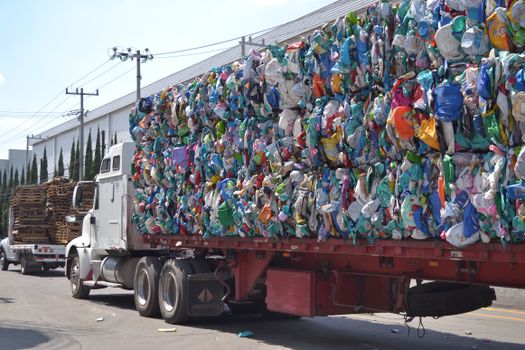
A large truck carrying bales of compressed plastic waste on a sunny city street in Mexico. Photo: Like a Lot / Pexels
In an era defined by increasing environmental awareness and stringent regulatory pressures, the adoption of green logistics practices is no longer a mere option but a strategic imperative for businesses operating in the United States and globally. The traditional logistics model, often characterized by its heavy reliance on fossil fuels, excessive packaging, and inefficient route planning, has contributed significantly to carbon emissions, air pollution, and resource depletion. As consumers become more discerning and demand greater corporate responsibility, companies are compelled to re-evaluate their entire supply chain, seeking out innovative ways to minimize their ecological footprint while simultaneously enhancing operational efficiency and profitability. This shift towards sustainability is not just about compliance; it's about competitive advantage, brand reputation, and long-term viability. Green logistics, at its core, encompasses a holistic approach to managing the flow of goods, information, and financial capital, with a primary focus on minimizing environmental impact. This involves a comprehensive review of every stage of the logistics process, from sourcing raw materials and manufacturing to warehousing, transportation, and last-mile delivery. The goal is to identify and implement strategies that reduce energy consumption, decrease waste generation, optimize resource utilization, and lower overall emissions. For instance, optimizing transportation routes using advanced software can dramatically cut down on fuel consumption and travel times, leading to significant reductions in CO2 emissions. Similarly, investing in a fleet of electric or hybrid vehicles not only reduces dependency on fossil fuels but also positions a company as a leader in environmental stewardship. The benefits extend beyond the environmental realm, translating into substantial cost savings through reduced fuel expenses, lower waste disposal fees, and potentially advantageous tax incentives for eco-friendly businesses. Moreover, a strong commitment to green logistics practices resonates positively with environmentally conscious consumers, fostering brand loyalty and opening up new market opportunities. It also helps companies meet the growing demands from investors and regulatory bodies for greater transparency and accountability regarding their environmental performance. Embracing these practices is a proactive step towards building a resilient, future-proof supply chain that can adapt to evolving environmental challenges and consumer expectations. Understanding the multifaceted benefits of sustainable logistics is crucial for any forward-thinking organization today.

Key Pillars of Effective Green Logistics Implementation
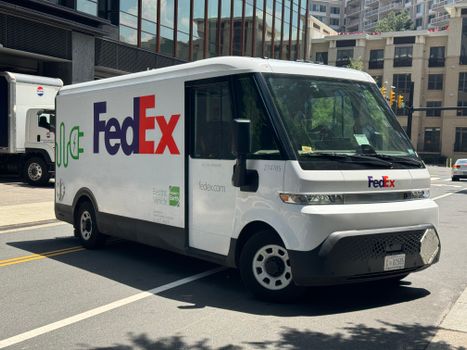
Electric FedEx delivery truck parked on an urban street in daylight. Photo: Liz Finnegan / Pexels
Implementing green logistics practices requires a multi-pronged approach, focusing on several critical areas within the supply chain. One of the most impactful pillars is **Sustainable Transportation**. This involves a radical rethinking of how goods are moved. It's not just about switching to electric vehicles, though that's a significant component. It also includes optimizing freight consolidation to ensure trucks, trains, ships, and planes are filled to capacity, reducing the number of trips. Route optimization software is essential here, leveraging real-time traffic data, weather conditions, and delivery schedules to find the most fuel-efficient paths. Furthermore, exploring intermodal transportation, such as combining rail and road, can significantly lower carbon emissions compared to solely relying on long-haul trucking. Investing in aerodynamic vehicle designs and maintaining engines for peak efficiency also contributes to a greener fleet. The selection of alternative fuels, beyond electricity, like biofuels or hydrogen, represents another frontier in sustainable transportation, with ongoing research and development paving the way for wider adoption. The second critical pillar is **Eco-Friendly Warehousing and Inventory Management**. Warehouses, often large energy consumers, offer ample opportunities for greening. This includes transitioning to renewable energy sources like solar panels for electricity, implementing energy-efficient lighting (LEDs), and optimizing heating, ventilation, and air conditioning (HVAC) systems. Smart warehouse design can incorporate natural light and ventilation, reducing the need for artificial systems. Beyond energy, waste reduction is paramount. This means minimizing packaging waste through reusable containers and optimizing storage density to reduce the overall footprint of the warehouse. Efficient inventory management, leveraging technologies like RFID and WMS (Warehouse Management Systems), helps reduce obsolescence and spoilage, ensuring that products move through the system efficiently and minimize waste. Cross-docking strategies, where goods are transferred directly from inbound to outbound logistics without long-term storage, also contribute to energy savings and reduced inventory holding costs. **Sustainable Packaging** forms the third vital pillar. Traditional packaging often contributes significantly to waste streams and utilizes non-renewable resources. Green logistics emphasizes reducing, reusing, and recycling packaging materials. This means designing packaging that uses fewer materials, is made from recycled or biodegradable content, and is easily recyclable by the end-user. Eliminating unnecessary void fill, using optimized package sizes to fit products precisely, and exploring innovative materials like mushroom-based packaging or compostable plastics are all part of this effort. The goal is to protect the product effectively while minimizing environmental impact throughout its lifecycle. Collaborative efforts with suppliers to adopt sustainable packaging standards across the entire supply chain are also crucial. Lastly, **Reverse Logistics for Sustainability** is gaining prominence. This involves managing the return of products, packaging, and materials for reuse, recycling, or proper disposal. An efficient reverse logistics system not only reduces waste but can also recover value from returned items, turning a potential environmental liability into an economic opportunity. This includes repairing, refurbishing, or remanufacturing products, extending their lifespan and reducing the demand for new production. Each of these pillars, when integrated effectively, contributes to a robust and truly green logistics framework.

Leveraging Technology for Advanced Green Logistics Practices
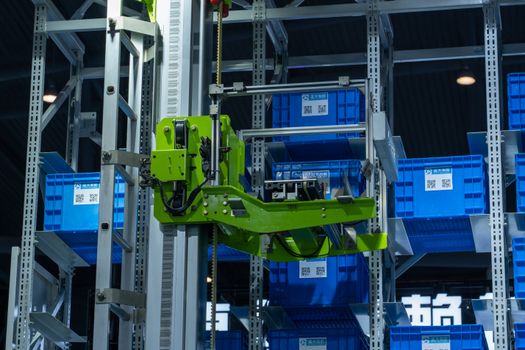
High-tech automated warehouse system featuring a green robotic arm handling blue storage crates. Photo: Peter Xie / Pexels
The widespread adoption of green logistics practices would be significantly hampered without the transformative power of modern technology. Technological advancements are not just facilitating efficiency; they are enabling entirely new paradigms of sustainable operation within the logistics sector. One of the most impactful areas is the rise of **Advanced Analytics and Artificial Intelligence (AI)**. AI-driven platforms can process vast amounts of data from various sources – traffic patterns, weather forecasts, delivery schedules, vehicle performance, and customer demand – to optimize routes with unparalleled precision. This goes beyond simple shortest-path calculations, considering factors like fuel efficiency, road gradients, and even potential idle times, leading to substantial reductions in fuel consumption and emissions. AI can also predict demand more accurately, minimizing overstocking and the associated energy costs of storage, while reducing waste from unsold or expired goods. Predictive maintenance for fleets, powered by AI, ensures vehicles operate at peak efficiency, preventing breakdowns that lead to delays, additional fuel burn, and costly emergency repairs. Exploring the latest logistics technology trends reveals the depth of these innovations. **Internet of Things (IoT) devices** play a crucial role in providing the real-time data that fuels these AI systems. Sensors embedded in vehicles, warehouses, and even individual packages can monitor conditions like temperature, humidity, and location. This data allows for dynamic route adjustments, proactive issue resolution, and improved asset utilization. For example, IoT sensors can detect when a refrigerated truck's temperature deviates, allowing for immediate corrective action to prevent spoilage and wasted product. In warehouses, IoT can manage lighting and HVAC systems based on occupancy and ambient conditions, leading to significant energy savings. Furthermore, **Blockchain technology** is emerging as a powerful tool for enhancing transparency and traceability throughout the supply chain. By creating an immutable record of every transaction and movement, blockchain can verify the origin of sustainable materials, track carbon emissions at each stage, and ensure compliance with environmental standards. This level of transparency builds trust with consumers and stakeholders, proving a company's commitment to green practices. **Automation and Robotics** in warehousing and sorting facilities also contribute to green logistics. Automated guided vehicles (AGVs) and robotic arms can operate with greater energy efficiency than human-operated machinery, reduce errors, and optimize space utilization. This leads to less energy consumption per unit moved and a smaller physical footprint for operations. Furthermore, the development of **Electric and Autonomous Vehicles** for both long-haul and last-mile delivery represents a paradigm shift. While still facing infrastructure challenges, electric vehicles eliminate tailpipe emissions, and autonomous vehicles promise further optimization of driving patterns and reduced human error, leading to even greater fuel efficiency. The synergy between these technologies – AI for optimization, IoT for data collection, Blockchain for transparency, and automation for execution – creates a powerful ecosystem that not only makes green logistics achievable but also makes it more efficient and cost-effective than traditional methods. Businesses that embrace this technological convergence will be at the forefront of the sustainable logistics revolution.

Overcoming Challenges and Best Practices for Green Logistics Adoption

A person leaps dramatically above stacked shipping containers, showcasing freedom and industrial energy. Photo: Kaique Rocha / Pexels
While the benefits of green logistics practices are clear, their implementation is not without challenges. Businesses often face initial hurdles that require strategic planning and commitment. One significant challenge is the **upfront investment cost**. Transitioning to electric fleets, upgrading warehouse infrastructure with renewable energy sources, or adopting advanced optimization software can involve substantial capital outlay. However, it's crucial to view these as investments with long-term returns through reduced operational costs, improved brand image, and potential eligibility for green incentives. Another hurdle is **data complexity and integration**. Effective green logistics relies heavily on collecting, analyzing, and integrating data from various sources across the supply chain, which can be complex for organizations with legacy systems or fragmented data silos. Overcoming this requires robust IT infrastructure and a clear data strategy. **Lack of skilled personnel** is also a concern. Operating and maintaining new green technologies, or even optimizing complex logistics algorithms, requires specialized knowledge that may not be readily available within existing teams. Investing in training and upskilling programs is vital. Finally, **supply chain collaboration** can be difficult. Achieving truly green logistics often requires cooperation with suppliers, partners, and even competitors to establish industry-wide standards and shared infrastructure, which can be challenging to coordinate. To overcome these challenges and successfully adopt green logistics, here are some **best practices**: * **Conduct a Comprehensive Baseline Assessment:** Understand your current environmental footprint before making changes. This provides a benchmark for measuring progress. * **Set Clear, Measurable Goals:** Define specific, achievable, relevant, and time-bound (SMART) objectives for emission reduction, waste minimization, and resource efficiency. * **Invest in Technology:** Prioritize solutions like route optimization software, fleet management systems, and IoT devices that provide actionable data for efficiency gains. * **Embrace Intermodal Transportation:** Explore combining different modes of transport (e.g., rail and road) to leverage the most energy-efficient option for each leg of the journey. * **Optimize Warehouse Energy Use:** Implement LED lighting, smart HVAC systems, and consider renewable energy sources like solar panels. * **Prioritize Sustainable Packaging:** Reduce, reuse, and recycle packaging materials. Opt for biodegradable or recycled content and minimize void fill. * **Develop a Robust Reverse Logistics Strategy:** Plan for the efficient collection, sorting, and processing of returned goods for reuse, repair, or recycling. * **Foster Supplier Collaboration:** Work with your suppliers to ensure they also adhere to sustainable practices, creating a greener end-to-end supply chain. * **Train and Educate Staff:** Equip your employees with the knowledge and skills needed to implement and maintain green logistics initiatives. * **Seek Certifications and Publicize Efforts:** Obtain recognized sustainability certifications to validate your practices and communicate your commitment to stakeholders and customers. This not only builds trust but can also attract new business opportunities.

Comparison

FeatureGreen LogisticsTraditional LogisticsHybrid Approach
Environmental ImpactLow (Reduced emissions, waste)High (Significant carbon footprint)Moderate (Improving, still some impact)
Operational CostsLower long-term (Fuel, waste)Higher long-term (Fuel, disposal)Variable (Depends on implementation)
Brand Reputation✓ (Enhanced, positive)✗ (Potentially negative)✓ (Positive, but less impactful)
Regulatory ComplianceProactive (Often exceeds standards)Reactive (Meets minimum, at risk)Meets current standards

What Readers Say

"Adopting green logistics practices allowed us to cut our fuel costs by 18% in the first year alone. Our customers love our commitment to sustainability, which has definitely boosted sales."

Sarah Chen · Seattle, WA

"We implemented route optimization and switched to compostable packaging. The reduction in waste and increased efficiency has been remarkable, aligning perfectly with our company values."

David Miller · Austin, TX

"Our investment in solar panels for our warehouse paid for itself in three years. The energy savings from these green logistics practices are substantial, directly impacting our bottom line."

Emily Rodriguez · Chicago, IL

"The initial setup for our electric delivery fleet was challenging, but the long-term benefits in terms of emissions reduction and public perception are definitely worth it. Still working on charger infrastructure."

Mark Johnson · Miami, FL

"As a small business, we started with simple green logistics practices like consolidating shipments and using recycled materials. It's made a huge difference in our environmental footprint and customer engagement."

Jessica Lee · Denver, CO

Frequently Asked Questions

What are the primary benefits of implementing green logistics practices?

Implementing green logistics practices offers a multitude of benefits, including significant reductions in operational costs due to optimized fuel consumption and waste management, enhanced brand reputation and customer loyalty among environmentally conscious consumers, improved compliance with evolving environmental regulations, and the potential for new market opportunities. It also contributes directly to a healthier planet by reducing carbon emissions and resource depletion.

Is the initial investment in green logistics too high for small businesses?

While some green logistics initiatives may require significant upfront investment, many practices are accessible and cost-effective for small businesses. Starting with route optimization software, consolidating shipments, using recycled packaging, or optimizing warehouse lighting can yield immediate benefits without massive capital outlay. Furthermore, government incentives and tax breaks for green initiatives can help offset initial costs, making it a viable strategy for businesses of all sizes.

How can technology help in adopting green logistics practices?

Technology is a cornerstone of modern green logistics. Advanced analytics and AI optimize routes for fuel efficiency, predict demand to reduce waste, and manage inventory effectively. IoT devices provide real-time data for dynamic adjustments and condition monitoring. Blockchain enhances supply chain transparency for sustainable sourcing. Automation and robotics improve energy efficiency in warehouses. These technologies collectively enable more precise, efficient, and environmentally friendly operations.

What is the typical ROI for green logistics investments?

The Return on Investment (ROI) for green logistics investments can vary widely depending on the specific initiatives implemented, industry, and scale of operations. However, many companies report positive ROIs within 1-5 years, driven by reduced fuel costs, lower waste disposal fees, decreased energy consumption, and increased customer preference for sustainable brands. Some investments, like LED lighting, can have an even quicker payback period.

How do green logistics practices compare to traditional logistics in terms of efficiency?

Green logistics practices are inherently designed for higher efficiency. By focusing on resource optimization, waste reduction, and streamlined processes, they often surpass traditional logistics in terms of operational efficiency. For example, route optimization directly leads to faster deliveries and lower fuel consumption, while sustainable packaging reduces shipping weight and volume, all contributing to a more efficient and cost-effective supply chain than conventional methods.

Who should consider adopting green logistics practices?

Every business involved in the movement, storage, or distribution of goods should consider adopting green logistics practices. This includes manufacturers, retailers, e-commerce companies, third-party logistics providers (3PLs), and even government agencies. Any organization with a supply chain can benefit from reducing its environmental impact, cutting costs, and enhancing its public image through sustainable operations.

Are there specific regulations in the US that promote green logistics?

Yes, various regulations and incentives at federal, state, and local levels in the US promote green logistics. These include emissions standards for vehicles (e.g., EPA regulations), energy efficiency standards for buildings, waste reduction mandates, and tax credits or grants for adopting renewable energy or eco-friendly transportation. Companies are increasingly finding it beneficial to stay ahead of these evolving regulatory landscapes.

What is the future outlook for green logistics practices?

The future outlook for green logistics practices is exceptionally strong. Driven by increasing consumer demand for sustainability, stricter environmental regulations, and continuous technological advancements, green logistics is set to become the standard rather than the exception. We can expect further innovations in electric and autonomous vehicles, advanced AI for predictive optimization, circular economy models, and greater supply chain transparency, all contributing to a more sustainable and resilient global logistics network.

Embrace the future of logistics today by integrating green logistics practices into your operations. Not only will you contribute to a healthier planet, but you'll also unlock significant cost savings, enhance your brand's reputation, and build a more resilient and efficient supply chain. Start your journey towards sustainable logistics now.

Topics: green logistics practicessustainable supply chaineco-friendly logisticscarbon footprint reductionlogistics sustainability
Leo List

IE Escorts NO Escorts US Escorts NZ Escorts AU Escorts
Brampton weed
Adultwork EstrelaBet Vai de Bet R7 Bet Betão Galera Bet Rainbet Bet9ja Shop SportyBet BetKing Sisal Loto Foot Hollywoodbets YesPlay Odibets RushBet Jugabet BetWarrior BetCity MSport betPawa Fortebet