
Unlocking Growth: The Benefits of Outsourcing Logistics
benefits of outsourcing logistics

Unlocking Growth: The Benefits of Outsourcing Logistics

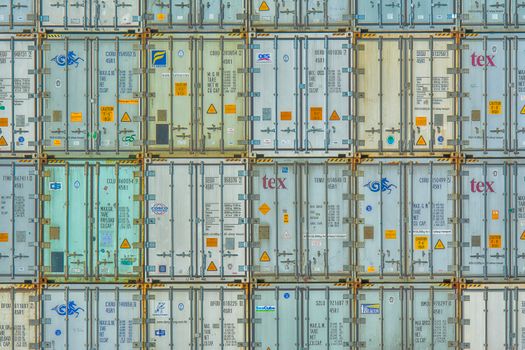
A vibrant display of stacked shipping containers, highlighting industrial organization.Photo: Jan van der Wolf / Pexels

Unlocking Growth: The Benefits of Outsourcing Logistics

Streamline operations, reduce costs, and accelerate your business growth by leveraging expert third-party logistics providers.

Explore Your Options

Key Takeaways

  • ✓ Outsourcing logistics can reduce operational costs by up to 20-30%.
  • ✓ Access to advanced technology and expertise without capital investment.
  • ✓ Improved scalability to handle peak demands and market fluctuations.
  • ✓ Enhanced customer satisfaction through faster, more reliable delivery.
  • ✓ Allows businesses to focus on core competencies and strategic growth.

How It Works

1
Assess Your Needs

Identify your current logistics challenges, volume, and specific service requirements. This includes inventory management, warehousing, transportation, and fulfillment.

2
Select a 3PL Partner

Research and vet Third-Party Logistics (3PL) providers based on their experience, technology, service offerings, and cultural fit with your business. Request proposals and compare services.

3
Onboarding & Integration

Collaborate with your chosen 3PL to integrate systems, transfer inventory, and establish clear communication protocols. This phase is crucial for a smooth transition.

4
Monitor & Optimize

Continuously monitor performance metrics, communicate regularly with your 3PL, and look for opportunities to further optimize your supply chain. Adapt strategies as your business evolves.

Unlocking Efficiency and Cost Savings Through Third-Party Logistics
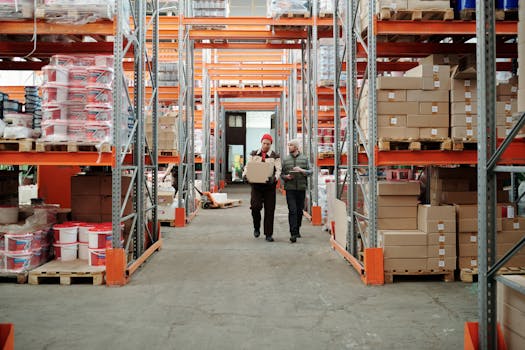
Two workers handle a package in a spacious warehouse surrounded by shelves stocked with boxes and products.Photo: Tiger Lily / Pexels
In today's fiercely competitive US market, businesses are constantly seeking strategic advantages to stay ahead. One of the most impactful decisions a company can make to optimize its operations and bottom line is to embrace the benefits of outsourcing logistics. This isn't merely about delegating tasks; it's about strategically partnering with experts to transform your supply chain into a lean, efficient, and cost-effective powerhouse. The primary allure of outsourcing logistics lies in its ability to significantly reduce operational costs. Maintaining an in-house logistics department involves substantial overheads: warehouse leases, utility bills, equipment purchases and maintenance (forklifts, racking systems, specialized software), labor costs (wages, benefits, training for drivers, warehouse staff, logistics managers), and fleet management expenses (fuel, vehicle maintenance, insurance, licensing). For many businesses, especially small to medium-sized enterprises (SMEs) or those experiencing fluctuating demand, these fixed costs can be a significant burden, tying up valuable capital that could be better invested elsewhere. A Third-Party Logistics (3PL) provider, conversely, operates on an economy of scale. They manage logistics for multiple clients, allowing them to spread these fixed costs across a larger volume of goods and services. This translates directly into lower per-unit costs for your business. Think about warehousing: instead of leasing an entire facility, you pay only for the space you use within a 3PL's larger, often multi-client warehouse. This flexibility is invaluable, especially during seasonal peaks or periods of rapid growth, eliminating the need for costly expansions or underutilized space. Beyond direct cost savings, outsourcing mitigates significant financial risks. The capital expenditure required to build and maintain a sophisticated logistics infrastructure is immense. By outsourcing, businesses can convert these large capital expenditures (CapEx) into predictable operational expenditures (OpEx), freeing up capital for core business activities like product development, marketing, or sales. Moreover, 3PLs often have established relationships with carriers, enabling them to secure more favorable shipping rates than individual businesses could achieve on their own. Their extensive networks and negotiating power lead to reduced transportation costs, which are often a major component of a product's overall price. They also optimize routes, consolidate shipments, and utilize advanced tracking technologies to minimize fuel consumption and delivery times, further contributing to cost efficiencies. The expertise a 3PL brings to the table is another critical factor in cost reduction. They are specialists in logistics, constantly staying abreast of industry best practices, regulatory changes, and technological advancements. This specialized knowledge allows them to identify inefficiencies in your current supply chain, implement streamlined processes, and apply data-driven insights to continuously optimize performance. This could involve anything from optimizing inventory placement to re-engineering packaging processes, all designed to save you money and improve service quality. For instance, a 3PL might introduce cross-docking strategies to reduce storage time or implement sophisticated inventory management systems to minimize stockouts and overstocking. These improvements directly impact your bottom line by reducing waste and improving cash flow. Furthermore, 3PLs often employ advanced Warehouse Management Systems (WMS) and Transportation Management Systems (TMS) that offer real-time visibility into inventory levels, order status, and shipment tracking. Such technology would be prohibitively expensive for most individual businesses to acquire and maintain, yet it becomes readily accessible through a 3PL partnership. This technological edge not only drives efficiency but also provides valuable data for strategic decision-making, helping businesses to better forecast demand and manage their supply chain proactively. The cumulative effect of these advantages is a leaner, more agile, and ultimately more profitable operation, allowing businesses to redirect resources from logistics management to innovation and growth. Understanding the nuances of logistics is crucial for any business leader.

Scalability and Flexibility: Adapting to Market Dynamics with Outsourced Logistics

The modern business landscape is characterized by constant change, from unpredictable consumer demand to rapid market shifts. For businesses operating in the US, the ability to scale operations up or down quickly and efficiently is not just an advantage, but a necessity for survival and growth. This is where the benefits of outsourcing logistics truly shine, offering unparalleled scalability and flexibility that an in-house operation struggles to match. Imagine a retail business experiencing a sudden surge in demand during a holiday season or a successful product launch. An in-house logistics team would face immense pressure to quickly secure additional warehouse space, hire and train temporary staff, and expand its transportation fleet. This process is time-consuming, expensive, and often leads to operational bottlenecks and increased error rates. Conversely, a 3PL is inherently designed to handle these fluctuations. They possess extensive networks of warehouses, a large pool of trained personnel, and diverse fleets of vehicles. When your demand increases, your 3PL partner can seamlessly allocate more resources to your operations, drawing from their existing infrastructure and workforce without you incurring the fixed costs of expansion. This elasticity means you can quickly capitalize on growth opportunities without the significant capital investment and operational headaches associated with scaling an internal logistics department. Similarly, if demand decreases, a 3PL allows you to scale down without being burdened by underutilized assets, empty warehouses, or surplus staff. You pay for the services you use, making your logistics costs variable and directly proportional to your business activity. This financial agility is crucial for maintaining profitability and cash flow during leaner periods. This flexibility extends beyond just volume. It also applies to geographic expansion. If your business decides to enter new markets within the US or even internationally, establishing new distribution centers and transportation networks can be a monumental task. A 3PL often has a national or global footprint, with strategically located warehouses and established shipping lanes. Partnering with them means you can instantly access these new markets without having to build new infrastructure from scratch. This significantly reduces the time-to-market for new products or services and lowers the financial risk associated with expansion. Furthermore, 3PLs offer a wide array of specialized services that can be tailored to your specific needs. Whether you require temperature-controlled storage, e-commerce fulfillment, reverse logistics (returns management), or specialized handling for fragile goods, a reputable 3PL can provide these services on demand. This modular approach allows businesses to pick and choose the services they need, when they need them, without having to invest in the equipment or expertise required for each specialized function. This level of customization ensures that your logistics operations are always perfectly aligned with your business strategy and customer expectations. The dynamic nature of the logistics industry also means that 3PLs are constantly investing in the latest technologies and best practices. From automation in warehouses to advanced route optimization software and real-time tracking, these innovations are expensive to develop and implement for a single company. By outsourcing, you gain access to these cutting-edge tools and methodologies without the R&D costs, ensuring your supply chain remains efficient and competitive. This technological edge provides greater visibility into your supply chain, allowing for proactive problem-solving and improved decision-making. The ability to quickly adapt to market changes, expand into new territories, and embrace new technologies without massive capital outlay is a compelling argument for why so many US businesses are turning to outsourced logistics. It transforms logistics from a potential constraint into a powerful enabler of business growth and resilience. By leveraging the inherent flexibility and scalability of a 3PL, businesses can remain agile, responsive, and ultimately more successful in a constantly evolving marketplace. The strategic advantage gained from such a partnership allows companies to focus on what truly drives their business forward.

Enhanced Expertise, Risk Mitigation, and Customer Satisfaction

Beyond the tangible benefits of cost savings and scalability, outsourcing logistics brings a wealth of intangible yet crucial advantages, including access to specialized expertise, robust risk mitigation strategies, and ultimately, significantly enhanced customer satisfaction. These factors are increasingly vital for businesses aiming to build strong brands and enduring customer relationships in the US market. A core benefit of partnering with a Third-Party Logistics (3PL) provider is gaining immediate access to a deep pool of specialized knowledge and industry expertise. Logistics is a complex field, encompassing everything from supply chain design and inventory management to transportation regulations, customs compliance, and reverse logistics. Keeping an in-house team fully updated on all these facets requires continuous training, recruitment of highly specialized personnel, and significant investment in research and development. 3PLs, by their very nature, are experts in these domains. Their entire business revolves around efficient and effective logistics. They employ professionals with extensive experience in various aspects of the supply chain, from freight brokers and warehouse managers to data analysts and compliance officers. This means your business benefits from best practices and cutting-edge strategies without having to build that expertise internally. For example, a 3PL can offer insights into optimal inventory levels, efficient warehouse layouts, or the most cost-effective shipping methods for different regions, leveraging their broad experience across multiple clients and industries. This specialized knowledge often translates into process improvements that an internal team might overlook, leading to greater efficiencies and reduced errors. Risk mitigation is another critical area where outsourcing logistics provides substantial value. The supply chain is fraught with potential disruptions, including natural disasters, labor shortages, fuel price volatility, regulatory changes, and cybersecurity threats. An in-house logistics operation might struggle to absorb the impact of such events. 3PLs, however, are equipped with robust contingency plans and diversified networks. They often have multiple warehouse locations, redundant IT systems, and relationships with various carriers, allowing them to reroute shipments or shift operations quickly in the event of a disruption. This resilience ensures business continuity and minimizes the impact of unforeseen challenges on your operations and, more importantly, on your customers. Moreover, 3PLs are typically well-versed in compliance requirements, such as transportation regulations, customs laws, and safety standards. Navigating these complexities can be a significant burden for individual businesses, and non-compliance can lead to hefty fines and reputational damage. By outsourcing, you transfer much of this compliance burden to your 3PL partner, who has the expertise and systems in place to ensure all operations adhere to the latest regulations, thereby significantly reducing your legal and financial risks. Ultimately, all these benefits converge to one critical outcome: improved customer satisfaction. In today's e-commerce driven world, customers expect fast, accurate, and transparent delivery. Delays, errors, or a lack of communication can severely damage a brand's reputation. A professional 3PL can deliver on these expectations consistently. Their optimized processes, advanced technology for tracking and communication, and commitment to service excellence mean that orders are processed quickly, shipped efficiently, and delivered reliably. Real-time tracking capabilities, often provided through a 3PL's portal, allow customers to monitor their orders, enhancing transparency and trust. Furthermore, efficient reverse logistics — the process of handling returns and exchanges — is a growing factor in customer loyalty. A well-managed returns process, often facilitated by 3PLs, can turn a potentially negative experience into a positive one, reinforcing customer trust and encouraging repeat business. By consistently delivering a superior logistics experience, businesses can differentiate themselves from competitors, build a strong reputation for reliability, and foster long-term customer loyalty. The peace of mind that comes from knowing your logistics are in expert hands allows your internal teams to focus on core competencies like product innovation, marketing, and sales, which are directly responsible for driving business growth. Mastering logistics operations is fundamental for any thriving enterprise.

Common Pitfalls to Avoid When Outsourcing Logistics

While the benefits of outsourcing logistics are undeniable, businesses must navigate the process carefully to avoid common pitfalls that could undermine the partnership's success. A well-executed outsourcing strategy can be transformative, but a poorly managed one can lead to frustration, increased costs, and operational inefficiencies. Here are key mistakes to avoid: * **Lack of Clear Communication:** One of the most frequent issues arises from inadequate communication between the business and the 3PL. It's crucial to establish clear lines of communication, define reporting structures, and set expectations for regular updates. Without this, misunderstandings about inventory levels, delivery schedules, or customer issues can quickly escalate. Regularly scheduled meetings, clear points of contact, and shared communication platforms are essential. * **Poorly Defined Scope of Work (SOW):** Before engaging a 3PL, businesses must meticulously define the exact scope of services required. Ambiguity in the SOW can lead to disputes over responsibilities, unexpected costs for services not explicitly covered, or unmet expectations. Detail everything from warehousing requirements and fulfillment processes to transportation modes, returns handling, and specific performance metrics. * **Ignoring Due Diligence:** Rushing into a partnership without thorough due diligence is a recipe for disaster. Businesses should carefully vet potential 3PLs, checking references, assessing their financial stability, reviewing their technological capabilities, and understanding their operational processes. A site visit to their facilities can provide invaluable insight into their infrastructure and operational standards. Ensure their experience aligns with your industry and specific needs. * **Failure to Integrate Technology:** Many of the benefits of outsourcing logistics come from leveraging a 3PL's advanced technology. However, if your systems (e.g., ERP, e-commerce platform) are not properly integrated with the 3PL's Warehouse Management System (WMS) or Transportation Management System (TMS), you'll lose out on real-time visibility, automated data exchange, and streamlined processes. Invest time and resources into ensuring seamless system integration. * **Focusing Solely on Price:** While cost savings are a significant driver, making a decision based purely on the lowest bid can be a costly mistake. A cheaper 3PL might offer inferior service, outdated technology, or a lack of expertise, ultimately leading to hidden costs from errors, delays, and dissatisfied customers. Prioritize value, service quality, and a cultural fit over just the bottom-line price. Consider the total cost of ownership, including potential for improved customer satisfaction and reduced risk. * **Lack of Performance Metrics and SLAs:** Without clearly defined Key Performance Indicators (KPIs) and Service Level Agreements (SLAs), it's impossible to objectively measure the 3PL's performance. Establish metrics for accuracy, on-time delivery, inventory turns, order fulfillment time, and customer service response. Regularly review these metrics and hold the 3PL accountable to the agreed-upon SLAs to ensure continuous improvement. * **Handing Over Control Entirely:** Outsourcing doesn't mean abdicating all responsibility. Businesses must maintain a level of oversight and strategic involvement. Regularly review reports, participate in strategic planning, and provide feedback. A collaborative approach, rather than a hands-off one, ensures the 3PL remains aligned with your business objectives and continues to deliver optimal results. By proactively addressing these potential pitfalls, businesses can maximize the benefits of outsourcing logistics and forge a successful, long-term partnership that drives efficiency, growth, and customer satisfaction.

Comparison

FeatureOutsourced Logistics (3PL)In-House LogisticsHybrid Model
Capital InvestmentLow (OpEx)High (CapEx)Medium (Mixed)
ScalabilityHigh (Flexible)Low (Rigid)Medium (Moderate)
Expertise Access✓ (Specialized)✗ (Internal only)✓ (Partial)
Operational CostsVariable, often lowerFixed, often higherMixed
Risk Mitigation✓ (Diversified)✗ (Concentrated)✓ (Shared)
Focus on Core Business✓ (Maximized)✗ (Diluted)✓ (Improved)
Technology Access✓ (Advanced)✗ (Limited by budget)✓ (Mixed)

What Our Readers Say

5 ★★★★★

"Outsourcing our logistics to a 3PL was the best decision we made last year. We've seen a 25% reduction in shipping costs and our delivery times have improved dramatically, directly impacting our customer satisfaction scores. The benefits of outsourcing logistics are truly transformative for an e-commerce business like ours."

5 ★★★★★

"As a growing manufacturing company, managing our own warehousing and distribution became a huge headache. Since partnering with a 3PL, we've gained incredible flexibility to scale with demand without the massive capital outlay. This allows us to focus on product innovation, which is our true strength."

5 ★★★★★

"Our order fulfillment accuracy went from 92% to 99.5% within six months of outsourcing our logistics. This concrete result has significantly reduced customer complaints and improved our brand's reputation for reliability. The expertise they brought was invaluable."

4 ★★★★☆

"While the initial integration had a few bumps, the overall benefits of outsourcing logistics have far outweighed the challenges. We now have much better visibility into our supply chain and are better prepared for peak seasons. The cost savings are definitely noticeable."

5 ★★★★★

"For our small business, the access to advanced logistics technology through our 3PL partner has been a game-changer. We could never afford such sophisticated systems on our own, and it's allowed us to compete with much larger companies. They really understand the benefits of outsourcing logistics for SMEs."

Frequently Asked Questions

What are the primary benefits of outsourcing logistics for a US business?
The primary benefits include significant cost reduction through economies of scale, enhanced scalability to adapt to fluctuating demand, access to specialized expertise and advanced technology, improved focus on core business activities, and better risk management against supply chain disruptions. These factors collectively lead to increased operational efficiency and customer satisfaction.
Is outsourcing logistics suitable for small businesses?
Absolutely. Outsourcing logistics, particularly to a 3PL, can be incredibly beneficial for small businesses. It allows them to access professional warehousing, fulfillment, and shipping services at a fraction of the cost of building their own infrastructure, enabling them to compete with larger enterprises and scale operations without prohibitive capital investment.
How do I choose the right 3PL provider for my company?
Choosing the right 3PL involves assessing your specific needs, evaluating potential partners' experience, technological capabilities, service offerings, and financial stability. Request proposals, check references, and ensure their cultural fit aligns with your company. Prioritize value and service quality over just the lowest price.
Will outsourcing logistics increase my overall costs?
While there's a service fee for outsourcing, it often leads to significant overall cost reductions. 3PLs leverage economies of scale, negotiate better shipping rates, optimize processes, and eliminate your need for capital expenditures on warehouses, equipment, and staff. This converts fixed costs into variable operational expenses, making your spending more flexible and efficient.
How does outsourcing logistics affect customer satisfaction?
Outsourcing logistics generally enhances customer satisfaction by improving delivery speed, accuracy, and reliability. 3PLs utilize advanced systems for tracking and communication, ensuring transparency and timely order fulfillment. Efficient handling of returns (reverse logistics) also contributes positively to the customer experience, building trust and loyalty.
Which types of businesses benefit most from outsourcing logistics?
Businesses experiencing rapid growth, those with fluctuating seasonal demand, e-commerce companies, manufacturers, and retailers often benefit most. Any business looking to reduce operational costs, expand into new markets, or improve supply chain efficiency and customer service can find significant advantages in outsourcing logistics.
What are the risks associated with outsourcing logistics?
Potential risks include loss of direct control over logistics operations, dependency on the 3PL's performance, data security concerns, and potential communication breakdowns. These risks can be mitigated through thorough due diligence, clear contractual agreements, robust communication protocols, and continuous performance monitoring with strict SLAs.
What is the future trend for logistics outsourcing?
The trend for logistics outsourcing is towards greater technological integration, with increasing adoption of AI, automation, and predictive analytics for optimized supply chains. There's also a growing focus on sustainability, real-time visibility, and highly customized, flexible solutions to meet evolving e-commerce demands and global market complexities.

Embrace the strategic advantages and benefits of outsourcing logistics to propel your US business forward. By partnering with expert 3PLs, you can unlock unparalleled efficiency, reduce costs, and focus on what truly matters: growing your enterprise and delighting your customers. Don't just manage logistics; master them through strategic outsourcing.

Topics: benefits of outsourcing logistics3PL advantagessupply chain optimizationlogistics cost reductionscalable logistics solutions
Leo List
Brampton weed
Adultwork EstrelaBet Vai de Bet R7 Bet Betão Galera Bet Rainbet Bet9ja Shop SportyBet BetKing Sisal Loto Foot Hollywoodbets YesPlay Odibets RushBet Jugabet BetWarrior BetCity MSport betPawa Fortebet