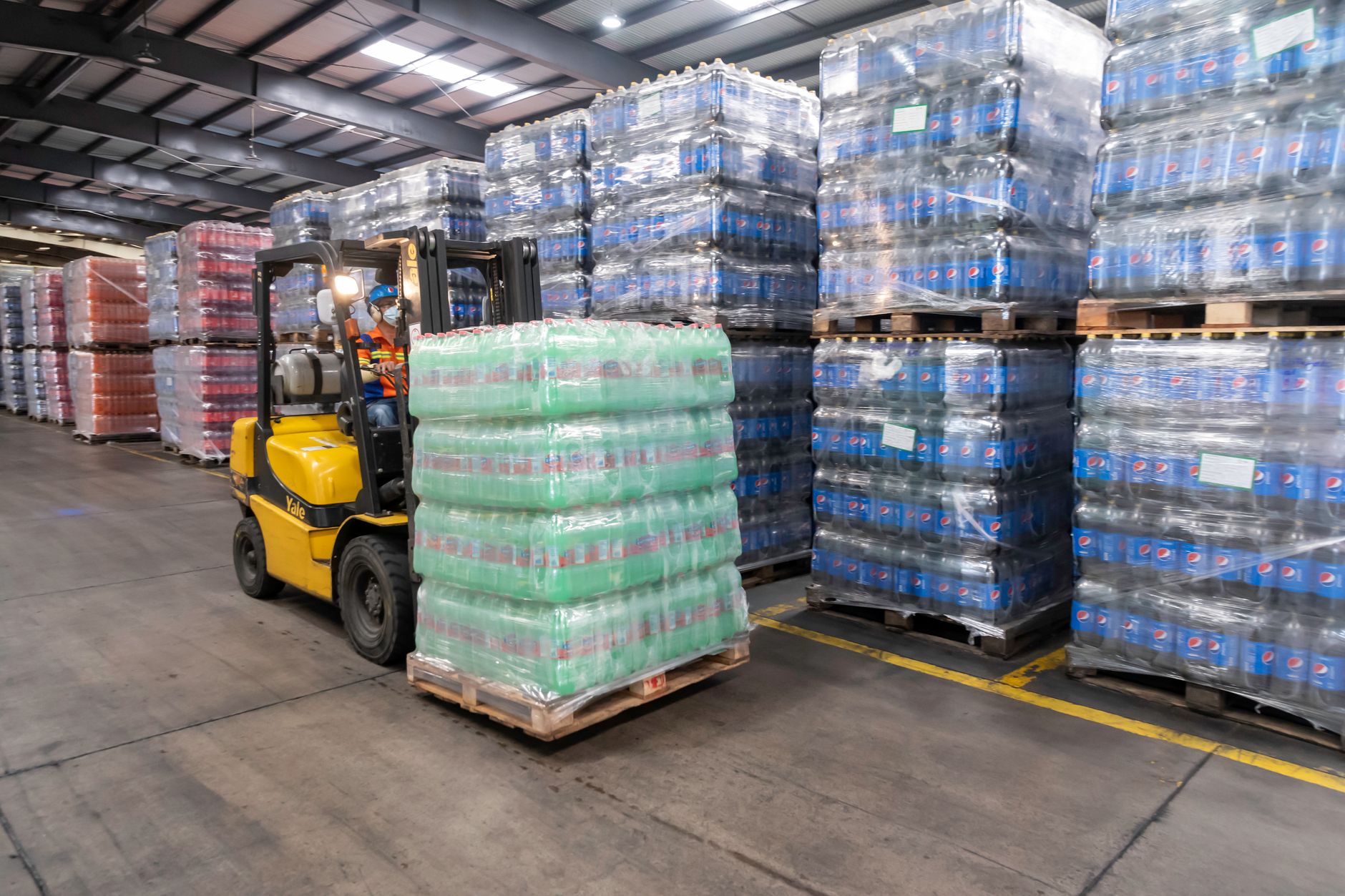
Unlock Growth: The Benefits of Logistics Outsourcing
benefits of logistics outsourcing

Unlock Growth: The Benefits of Logistics Outsourcing

Streamline your operations, reduce costs, and focus on core competencies by leveraging expert third-party logistics providers.

Explore Your Options

Key Takeaways

  • ✓ Over 80% of Fortune 500 companies utilize 3PL services.
  • ✓ Logistics costs can represent 5-10% of a company's revenue.
  • ✓ Outsourcing can reduce inventory holding costs by 10-30%.
  • ✓ Access to advanced technology without capital investment is a major benefit.

How It Works

1
Assess Your Needs

Identify your current logistics challenges, pain points, and specific requirements for warehousing, transportation, and distribution. Determine which functions are best handled by an external partner.

2
Select a 3PL Partner

Research and vet potential Third-Party Logistics (3PL) providers based on their expertise, technology, network, and industry reputation. Request proposals and conduct thorough due diligence.

3
Integrate Systems & Processes

Work closely with your chosen 3PL to integrate their systems with yours, ensuring seamless data exchange and operational alignment. Establish clear communication channels and performance metrics.

4
Monitor & Optimize

Continuously monitor the 3PL's performance against agreed-upon KPIs and regularly review the partnership. Collaborate to identify areas for further optimization and efficiency gains.

Unlocking Cost Savings and Operational Efficiency through 3PLs
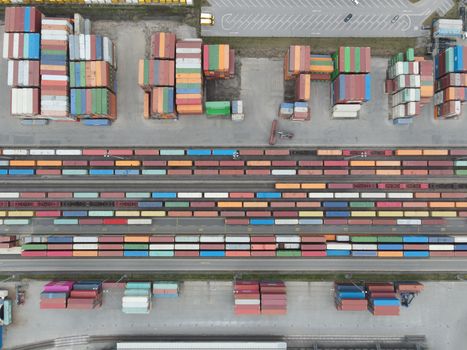
Aerial shot of stacked cargo containers at Regensburg port showcasing freight transport activity. Photo: Tobi &Chris / Pexels
In today's highly competitive global marketplace, businesses are constantly seeking innovative ways to reduce expenditures and enhance operational effectiveness. One of the most impactful strategies gaining traction across various industries is the outsourcing of logistics functions to Third-Party Logistics (3PL) providers. The immediate and most tangible benefits of logistics outsourcing often manifest as significant cost savings. Companies can avoid the substantial capital investment required for building and maintaining their own warehouses, purchasing fleets of vehicles, and investing in complex logistics software and infrastructure. Instead of these large, fixed costs, businesses convert them into more manageable, variable expenses, paying only for the services they use. This financial flexibility is particularly valuable for businesses experiencing seasonal fluctuations in demand or those looking to scale rapidly without incurring prohibitive upfront costs. Beyond direct cost reduction, 3PLs bring an unparalleled level of operational efficiency to the table. They operate on economies of scale, meaning they consolidate freight from multiple clients, optimizing routes, reducing fuel consumption, and negotiating better rates with carriers. This collective buying power is something individual businesses, especially small to medium-sized enterprises (SMEs), simply cannot achieve on their own. Furthermore, 3PLs are specialists; their core competency lies in logistics management. This means they possess deep expertise in warehousing, inventory management, freight forwarding, customs compliance, and last-mile delivery. Their dedicated focus allows them to implement best practices, streamline workflows, and minimize errors that can lead to costly delays or damaged goods. They employ advanced inventory management techniques, such as cross-docking and just-in-time (JIT) delivery, which reduce inventory holding costs and prevent stockouts or overstocking. The result is a leaner, more agile supply chain that responds quickly to market changes and customer demands, directly contributing to a healthier bottom line and a more competitive market position. The continuous improvement mindset embedded within reputable 3PL operations ensures that your logistics processes are not just efficient today, but continuously evolving to meet future challenges and opportunities.

Enhanced Scalability and Access to Specialized Expertise
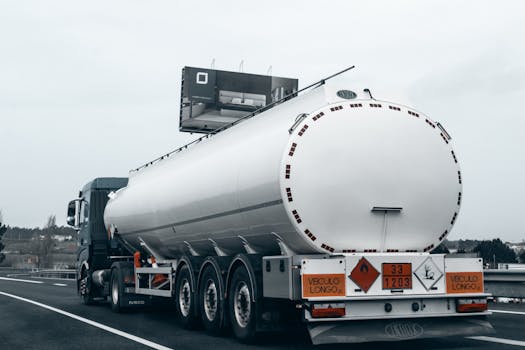
Rear view of a large tanker truck transporting fuel on a highway, emphasizing logistics and transportation. Photo: Vadym Alyekseyenko / Pexels
For businesses navigating periods of rapid growth, market expansion, or unpredictable demand, the ability to scale operations quickly and efficiently is paramount. Building out internal logistics capabilities to match these fluctuations can be a daunting, expensive, and time-consuming endeavor. This is where one of the most compelling benefits of logistics outsourcing truly shines: enhanced scalability. A 3PL provider offers immediate access to a vast network of warehouses, transportation assets, and skilled personnel that can be scaled up or down as your business needs dictate. Whether you're launching a new product, entering a new geographical market, or experiencing a surge in holiday sales, a 3PL can seamlessly absorb the increased volume without requiring you to invest in additional infrastructure or hire temporary staff. This flexibility allows businesses to remain agile, respond to market opportunities without being constrained by their own logistical limitations, and avoid the pitfalls of underutilization during slower periods. Moreover, partnering with a 3PL grants businesses access to a level of specialized expertise and cutting-edge technology that would otherwise be out of reach. Logistics is an intricate field, constantly evolving with new regulations, technological advancements, and best practices. 3PLs are at the forefront of these developments. They invest heavily in state-of-the-art warehouse management systems (WMS), transportation management systems (TMS), and sophisticated data analytics tools. These technologies provide real-time visibility into your supply chain, optimize routes, track inventory with precision, and provide valuable insights for continuous improvement. For most businesses, acquiring and maintaining such advanced systems, let alone the specialized staff to operate them, represents a significant financial and operational hurdle. By outsourcing, companies can leverage these powerful tools and the deep industry knowledge of logistics professionals without the hefty capital expenditure or the need to develop internal expertise. This not only enhances efficiency and accuracy but also ensures compliance with complex regulatory requirements, reducing risk and allowing your internal teams to focus on their core competencies, such as product development, marketing, and sales.

Improved Customer Satisfaction and Risk Mitigation

A courier delivers a package to a customer signing a clipboard outdoors. Photo: Kampus Production / Pexels
In today's customer-centric market, the delivery experience is as crucial as the product itself. Late deliveries, damaged goods, or inefficient returns processes can severely tarnish a brand's reputation and lead to lost sales. One of the less obvious but profoundly impactful benefits of logistics outsourcing is the significant improvement in customer satisfaction. 3PLs are experts in optimizing the entire order fulfillment cycle, from order processing and inventory picking to packaging and final delivery. Their advanced systems and established networks enable faster, more accurate, and more reliable deliveries, often including options for expedited shipping and real-time tracking, which are highly valued by consumers. They can also manage complex return logistics (reverse logistics) efficiently, turning what can be a pain point into a smooth, positive experience that reinforces customer loyalty. By entrusting these critical functions to specialists, businesses can consistently meet and exceed customer expectations, leading to higher retention rates, positive word-of-mouth, and a stronger brand image. Beyond enhancing the customer experience, outsourcing logistics plays a vital role in mitigating risks inherent in the supply chain. The global supply chain is susceptible to a myriad of disruptions, including natural disasters, geopolitical events, economic downturns, and labor shortages. A well-chosen 3PL provider often has diversified networks, multiple warehouse locations, and contingency plans in place to navigate these challenges. Their robust infrastructure and operational resilience mean that even when one part of the supply chain is affected, they can often reroute shipments or utilize alternative facilities to minimize disruption to your business. Furthermore, 3PLs are well-versed in regulatory compliance, customs procedures, and international shipping laws, helping businesses avoid costly fines, delays, and legal issues, especially for those operating in global markets. They can also provide expertise in areas like cargo insurance, security protocols, and inventory risk management, safeguarding your assets and ensuring business continuity. This comprehensive risk management allows businesses to operate with greater peace of mind, knowing that their supply chain is in capable hands, protected against unforeseen events.

Strategic Focus and Competitive Advantage through Outsourcing
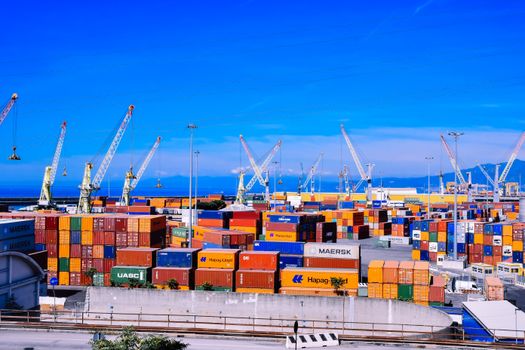
A bustling shipping port with colorful stacked containers and numerous cranes under a clear blue sky. Photo: Andrea Musto / Pexels
For any business, allocating resources effectively is key to sustainable growth. When internal teams are bogged down with the complexities of logistics management – from managing warehouse staff and vehicle maintenance to negotiating carrier contracts and tracking shipments – they are diverted from their core competencies. One of the most strategic benefits of logistics outsourcing is the ability it provides businesses to refocus their internal resources on what they do best: product development, innovation, marketing, sales, and customer relationships. By offloading the intricate and often time-consuming tasks of logistics, companies can empower their employees to concentrate on value-added activities that directly drive revenue and foster innovation. This strategic reallocation of resources can significantly improve overall business performance and foster a culture of growth. Furthermore, leveraging a 3PL can provide a significant competitive advantage. In a market where efficiency and speed are increasingly critical differentiators, having a highly optimized and responsive supply chain can set you apart from competitors. 3PLs bring best-in-class processes, advanced technology, and a global reach that many individual companies cannot replicate. This allows businesses to offer services like faster shipping, more flexible delivery options, and a wider geographical distribution, which directly translates into a superior market offering. For example, a small e-commerce business using a 3PL can compete with larger retailers on delivery speed and reliability, leveling the playing field. They gain access to a larger distribution network, enabling them to expand into new markets without the massive capital outlay traditionally associated with such expansion. This agility and enhanced capability not only attract new customers but also build stronger loyalty among existing ones, ultimately reinforcing market position and driving long-term success. The partnership with a 3PL isn't just about cost reduction; it's about transforming logistics from a necessary expense into a strategic asset that fuels business growth and ensures a competitive edge in a dynamic marketplace. Common Mistakes to Avoid When Outsourcing Logistics:
  • Not clearly defining requirements: Be specific about your needs, KPIs, and expectations.
  • Choosing solely on price: Value, service quality, and cultural fit are equally important.
  • Lack of clear communication: Establish robust communication channels from the outset.
  • Ignoring contractual details: Pay close attention to service level agreements (SLAs), terms, and exit clauses.
  • Failing to integrate systems: Ensure seamless data flow between your systems and the 3PL's.
  • Not monitoring performance: Regularly review KPIs and hold your 3PL accountable.
  • Overlooking scalability needs: Choose a partner who can grow with your business.

Comparison

FeatureOutsourced Logistics (3PL)In-house LogisticsHybrid Model
Capital InvestmentLow (variable costs)High (fixed assets)Medium (shared investment)
ScalabilityHigh (flexible capacity)Low (fixed capacity)Moderate (can adjust some)
Expertise AccessSpecialized industry expertsInternal team's knowledgeMix of internal & external
Technology AccessAdvanced WMS/TMSSelf-funded systemsShared/integrated systems
Focus on Core Business
Risk MitigationDiversified network, expertiseInternal resources onlyShared responsibility
Operational ControlShared/Managed by 3PLFull internal controlVariable, depending on scope
Cost StructureVariable, pay-as-you-goFixed, high overheadMix of fixed & variable

What Readers Say

"Outsourcing our logistics to a 3PL was a game-changer. We've seen a significant reduction in shipping costs and our delivery times have improved dramatically, directly impacting our customer satisfaction scores. It allowed us to focus on product innovation."

Sarah J. · Austin, TX

"The benefits of logistics outsourcing for our e-commerce business have been immense. We no longer worry about warehouse management or seasonal staffing, giving us peace of mind and the ability to scale without major capital expenditure."

Mark D. · Chicago, IL

"Our partnership with a 3PL resulted in a 15% decrease in overall logistics expenses within the first year. Their expertise in customs compliance also streamlined our international shipments, opening up new markets for us."

Emily R. · Miami, FL

"While the initial integration was a bit complex, the long-term benefits of logistics outsourcing far outweigh the challenges. We now have access to better technology and a more robust distribution network than we could ever afford internally."

David S. · Seattle, WA

"As a growing startup, the flexibility and scalability offered by logistics outsourcing were critical. We can handle peak demand without overinvesting in infrastructure, which has been crucial for our sustained growth and market penetration."

Jessica L. · Denver, CO

Frequently Asked Questions

What are the primary benefits of logistics outsourcing for small businesses?

For small businesses, the primary benefits include access to economies of scale, specialized technology, and a robust distribution network without significant capital investment. It allows them to compete with larger companies on delivery speed and efficiency, reduces overhead, and frees up internal resources to focus on core business growth and innovation.

Is outsourcing logistics suitable for all types of businesses?

While highly beneficial for most, it's not a one-size-fits-all solution. Businesses with highly unique or proprietary logistics processes, or those with extremely low shipping volumes, might find the costs or integration complexities outweigh the benefits. However, for most e-commerce, retail, manufacturing, and distribution companies, it offers significant advantages.

How do I choose the right 3PL provider for my business?

Choosing the right 3PL involves assessing your specific needs, evaluating their experience in your industry, checking their technological capabilities (WMS, TMS), reviewing their network and scalability, and thoroughly vetting their reputation and customer service. Always request references and ensure clear communication and alignment on KPIs.

Can logistics outsourcing really save my company money?

Yes, absolutely. Logistics outsourcing often leads to significant cost savings by converting fixed costs into variable ones, leveraging economies of scale for better shipping rates, reducing inventory holding costs, and minimizing expenses related to warehouse ownership, equipment maintenance, and labor. These savings can be substantial, especially for growing businesses.

How does outsourcing logistics compare to managing it in-house?

Outsourcing typically offers greater flexibility, scalability, and access to specialized expertise and advanced technology without the capital investment required for in-house operations. In-house management provides full control but demands significant resources, expertise, and infrastructure, often making it less cost-effective and agile for many businesses.

Who should consider leveraging the benefits of logistics outsourcing?

Any business looking to reduce operational costs, improve efficiency, enhance customer satisfaction, scale rapidly, or gain access to advanced logistics technology and expertise should consider leveraging the benefits of logistics outsourcing. This includes e-commerce businesses, manufacturers, retailers, and distributors of all sizes.

What are the potential risks associated with logistics outsourcing?

Potential risks include a perceived loss of control, dependency on the 3PL, data security concerns, and potential integration challenges. These risks can be mitigated by thorough due diligence in partner selection, clear contractual agreements, robust communication protocols, and continuous performance monitoring.

What future trends will impact the benefits of logistics outsourcing?

Future trends like increasing automation (robotics, AI), enhanced data analytics, sustainable logistics practices, and the growing demand for ultra-fast delivery will further amplify the benefits of logistics outsourcing. 3PLs are uniquely positioned to invest in and adapt to these technologies, offering their clients a competitive edge.

Ready to transform your supply chain and unlock significant growth? Explore how the benefits of logistics outsourcing can empower your business to achieve greater efficiency, cost savings, and unparalleled customer satisfaction. Take the first step towards a more agile and profitable future today.

Topics: benefits of logistics outsourcing3PL advantagessupply chain optimizationoutsourced logistics benefitslogistics cost reduction
Leo List
Brampton weed
Adultwork EstrelaBet Vai de Bet R7 Bet Betão Galera Bet Rainbet Bet9ja Shop SportyBet BetKing Sisal Loto Foot Hollywoodbets YesPlay Odibets RushBet Jugabet BetWarrior BetCity MSport betPawa Fortebet