
Mastering Perishable Goods: Top Cold Chain Logistics Companies
Ensure the integrity and safety of your temperature-sensitive products with premier cold chain logistics partners in the US.
Find Your Cold Chain PartnerKey Takeaways
- ✓ The US cold chain market is projected to reach over $500 billion by 2027.
- ✓ Pharmaceuticals and food products represent over 80% of goods requiring cold chain logistics.
- ✓ Temperature excursions can lead to product spoilage, regulatory fines, and significant financial losses.
- ✓ Advanced telematics and IoT are revolutionizing cold chain visibility and control.
How It Works
Specialists evaluate your product's specific temperature requirements, transit times, and regulatory compliance needs. A tailored logistics plan is then developed.
Goods are loaded into specialized refrigerated vehicles, containers, or warehouses designed to maintain precise temperature ranges. Real-time monitoring systems are activated.
Throughout the journey, sophisticated sensors track temperature, humidity, and location. Alerts are triggered for any deviations, allowing for immediate corrective action.
Products are safely delivered to their destination, often with temperature logs and compliance documentation. Post-delivery analysis ensures continuous improvement.
The Critical Role of Cold Chain Logistics in the Modern Economy
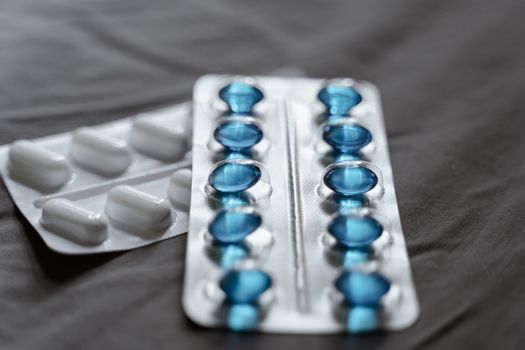 Photo: MART PRODUCTION / Pexels
Key Technologies and Innovations Powering Cold Chain Solutions
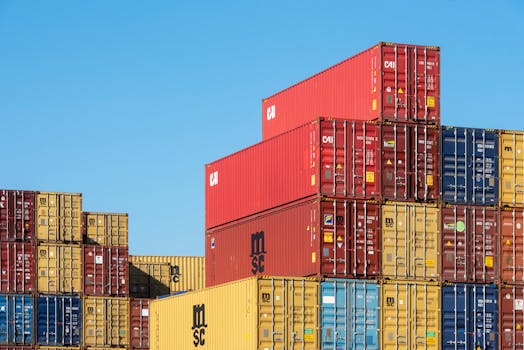 Photo: Jan van der Wolf / Pexels
Choosing the Right Cold Chain Logistics Partner: What to Look For
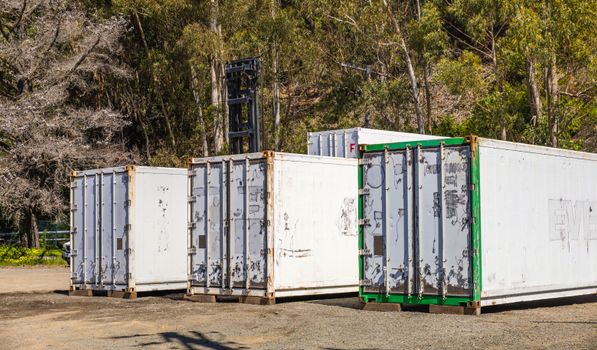 Photo: Robert So / Pexels
Common Pitfalls to Avoid and Best Practices for Optimal Cold Chain Performance
Comparison
| Feature | Dedicated Cold Chain Specialist | Large 3PL with Cold Chain Division | Standard Freight Carrier (Limited Cold Chain) |
|---|---|---|---|
| Temperature Precision | Excellent (Multi-zone, precise control) | Very Good (Often dedicated equipment) | Fair (Basic reefer, less specialized) |
| Regulatory Compliance | Expert (GDP, FDA, specific industry certs) | Good (Compliance focus, but broader) | Limited (Basic transport compliance) |
| Technology & Monitoring | Advanced (IoT, AI, real-time tracking) | Good (Integrated tracking) | Basic (GPS, some temp logging) |
| Risk Mitigation | Proactive (Redundancy, contingency plans) | Good (Standard protocols) | Reactive (Limited specialized response) |
| Customization/Flexibility | High (Tailored solutions) | Moderate (Standardized options) | Low (Fixed services) |
What Readers Say
"Our pharmaceutical shipments require extremely strict temperature control. This cold chain logistics company consistently delivers, providing detailed temperature logs and proactive communication. They've prevented several potential issues for us."
Sarah Chen · San Francisco, CA"As a seafood distributor, freshness is everything. Partnering with a leading cold chain provider has drastically reduced our spoilage rates and improved delivery times. Their dedicated refrigerated fleet is top-notch."
Mark Johnson · Dallas, TX"We ship exotic fruits globally, and the consistent cold chain provided by our logistics partner has allowed us to expand into new markets with confidence. Our product quality upon arrival is consistently excellent, leading to increased customer satisfaction and sales."
Emily Rodriguez · Miami, FL"While generally excellent, there was one instance of a minor delay due to unexpected weather. However, their communication was immediate, and they quickly implemented a recovery plan. Still, a very reliable choice for our frozen goods."
David Lee · Chicago, IL"For our specialty floral business, temperature and humidity are crucial. This cold chain company understood our unique needs and provided custom solutions that ensured our delicate flowers arrived vibrant and healthy, even across long distances."
Jessica White · Seattle, WAFrequently Asked Questions
What types of products typically require cold chain logistics companies?
Cold chain logistics is essential for a wide range of products including pharmaceuticals (vaccines, biologics), fresh and frozen food products (meat, produce, dairy), certain chemicals, delicate floral arrangements, and even high-tech components that require controlled environments to prevent degradation.
How do cold chain logistics companies ensure temperature integrity during transit?
They employ a combination of specialized refrigerated vehicles (reefers), insulated containers, phase-change materials, and advanced real-time monitoring systems (IoT sensors). These technologies continuously track and maintain specific temperature ranges, with alerts for any deviations.
What should I look for when selecting a cold chain logistics partner?
Key factors include their industry experience and specialization, certifications (e.g., GDP for pharma), the quality of their infrastructure and technology, their geographic reach, contingency plans for emergencies, and their customer service and communication capabilities. Always prioritize reliability and expertise.
Are cold chain logistics services more expensive than standard freight?
Yes, cold chain logistics services are typically more expensive due to the specialized equipment, technology, and expertise required. However, the added cost is often justified by the prevention of product spoilage, compliance with regulations, and the preservation of product efficacy and value, which ultimately saves money in the long run.
What is the difference between active and passive cold chain solutions?
Active cold chain solutions use powered refrigeration units to continuously maintain temperature, ideal for long hauls and precise control. Passive solutions rely on insulated packaging and coolants (like gel packs or dry ice) to maintain temperature for a limited duration without external power, often used for smaller, shorter shipments.
Who benefits most from partnering with cold chain logistics companies?
Businesses that handle highly perishable, temperature-sensitive, or high-value goods benefit most. This includes pharmaceutical manufacturers, food producers and distributors, biotechnology firms, chemical companies, and even florists who need to ensure product integrity and compliance from origin to consumer.
What are the biggest risks in cold chain logistics?
The biggest risks include temperature excursions (deviations from required ranges), equipment failures, power outages, human error during handling, customs delays, and inadequate monitoring. Robust planning, advanced technology, and experienced partners are crucial for mitigating these risks effectively.
How is technology changing the future of cold chain logistics?
Technology is bringing unprecedented visibility, predictive capabilities, and efficiency. Innovations like AI-driven route optimization, blockchain for enhanced traceability, autonomous refrigerated vehicles, and sustainable cooling solutions are all shaping a more resilient, intelligent, and environmentally friendly cold chain future.
Secure your temperature-sensitive products and ensure their integrity with the best cold chain logistics companies. Explore our curated insights and connect with experts who can safeguard your most critical shipments.