✓ Technology, like AI and IoT, is rapidly transforming modern logistics operations.
✓ Resilience and sustainability are increasingly critical aspects of supply chain design.
How It Works
1
Planning & Sourcing
Identify raw material needs, select suppliers, and establish contracts. This foundational step sets the stage for the entire supply chain, ensuring quality and cost-effectiveness from the outset.
2
Manufacturing & Production
Transform raw materials into finished goods efficiently, managing production schedules and quality control. This phase focuses on converting inputs into sellable products, adhering to specifications and deadlines.
3
Warehousing & Inventory
Store products strategically, managing inventory levels to meet demand without excess. Proper warehousing minimizes holding costs and ensures product availability for timely distribution.
4
Transportation & Delivery
Move goods from warehouses to customers using various modes, optimizing routes and carriers. The final mile of delivery is crucial for customer satisfaction, requiring precision and reliability.
Understanding the Core Components of Supply Chain Logistics
Photo: Andrea Musto / Pexels
At its heart, supply chain logistics is about orchestrating the seamless movement of goods, information, and funds from the point of origin to the point of consumption. It's a complex, interconnected system that touches every aspect of a product's journey, from the extraction of raw materials to the moment it reaches the end-user's hands. To truly grasp the concept of supply chain logistics explained, it's essential to dissect its core components. These elements aren't isolated; rather, they interact dynamically, influencing each other and the overall efficiency of the entire chain.
The first critical component is **Planning and Strategy**. This involves forecasting demand, sourcing raw materials, and designing the network structure. Without robust planning, a supply chain can quickly become inefficient, leading to stockouts, excess inventory, or costly delays. Strategic decisions here impact everything from supplier relationships to the location of distribution centers. For instance, a company might decide to source materials from multiple regions to mitigate geopolitical risks, a strategic choice that affects subsequent logistical operations.
Next, we have **Sourcing and Procurement**, which focuses on acquiring the necessary raw materials, components, and services from external suppliers. This isn't just about finding the cheapest option; it's about establishing strong, reliable relationships that ensure quality, timely delivery, and ethical practices. Effective procurement can significantly reduce costs and enhance product quality, directly impacting a company's bottom line and reputation. Consider a high-tech manufacturer: sourcing rare earth minerals reliably and ethically is paramount, influencing both production schedules and brand image.
**Manufacturing and Production** is where raw materials are transformed into finished products. This stage involves managing production schedules, optimizing manufacturing processes, and maintaining quality control. Efficiency in this area minimizes waste, reduces production costs, and accelerates time-to-market. The integration of automation and lean manufacturing principles often plays a crucial role here, streamlining operations and boosting output.
Following production, **Warehousing and Inventory Management** become vital. This component deals with the storage of goods and the precise control over inventory levels. The goal is to balance the need for product availability with the costs associated with holding inventory. Modern warehousing often employs advanced systems like Warehouse Management Systems (WMS) to track inventory, optimize storage space, and manage order fulfillment. This ensures that products are accessible when needed, preventing both overstocking and stockouts.
Finally, **Transportation and Distribution** is the physical movement of goods. This involves selecting appropriate modes of transport (road, rail, air, sea), optimizing routes, and managing carriers to ensure timely and cost-effective delivery. The 'last mile' of delivery, from a distribution center to the customer's doorstep, is particularly challenging and often the most expensive part of the process. Effective distribution networks are designed to minimize transit times and maximize delivery reliability, directly impacting customer satisfaction. Understanding these interconnected elements is fundamental to comprehending the intricate world of logistics and how it underpins global commerce. Each component, while distinct, is part of a larger, cohesive system striving for efficiency and customer value.
The Role of Technology in Modern Supply Chain Logistics
Photo: Kindel Media / Pexels
The landscape of supply chain logistics has been dramatically reshaped by technological advancements. What was once a largely manual and reactive process has evolved into a data-driven, proactive, and highly optimized system, thanks to innovation. Understanding how technology is integrated is key to fully grasping supply chain logistics explained in today's context. These tools not only enhance efficiency but also provide unprecedented visibility and resilience, which are critical in an increasingly volatile global market.
One of the most transformative technologies is **Artificial Intelligence (AI) and Machine Learning (ML)**. AI algorithms can analyze vast datasets to predict demand with greater accuracy, optimize inventory levels, and identify potential disruptions before they occur. For example, AI can forecast seasonal spikes in demand, allowing companies to adjust production and stocking levels proactively, thereby minimizing both waste and stockouts. ML can also optimize complex routing problems for transportation, considering factors like traffic, weather, and delivery windows to create the most efficient paths. This predictive capability moves supply chain management from reactive problem-solving to proactive strategic planning.
**The Internet of Things (IoT)** plays a crucial role in providing real-time visibility across the supply chain. Sensors embedded in products, vehicles, and warehouse equipment can track location, temperature, humidity, and even shock, ensuring product integrity and providing precise delivery updates. Imagine a pharmaceutical company tracking temperature-sensitive vaccines in transit; IoT sensors provide continuous data, alerting handlers immediately if conditions deviate, thus preventing spoilage and ensuring compliance. This real-time data flow empowers decision-makers with accurate information, leading to better-informed actions and improved accountability.
**Blockchain technology** is emerging as a powerful tool for enhancing transparency and security within the supply chain. By creating an immutable, distributed ledger of all transactions and movements, blockchain can verify the authenticity of products, track their origin, and simplify cross-border trade documentation. This can significantly reduce fraud, improve traceability for product recalls, and streamline auditing processes. For instance, consumers could scan a QR code on a product and see its entire journey from farm to store, building trust and ensuring ethical sourcing.
**Robotics and Automation** are revolutionizing warehousing and fulfillment. Automated guided vehicles (AGVs), robotic arms, and automated storage and retrieval systems (AS/RS) can perform repetitive tasks such as picking, packing, and sorting with greater speed and accuracy than human workers. This not only increases throughput but also reduces labor costs and improves workplace safety. E-commerce giants, for example, heavily rely on these automated systems to process millions of orders daily, meeting ever-tightening delivery expectations.
Finally, **Advanced Analytics and Big Data** provide the backbone for making sense of all the information generated by these technologies. By collecting and analyzing data from every point in the supply chain, businesses can identify bottlenecks, optimize processes, and make strategic decisions based on quantifiable insights. This data-driven approach allows for continuous improvement and adaptation, enabling supply chains to become more agile and responsive to market changes. The synergistic application of these technologies transforms traditional logistics into a smart, interconnected, and highly efficient ecosystem.
Optimizing Your Supply Chain for Efficiency and Resilience
Photo: Tiger Lily / Pexels
In an increasingly interconnected yet unpredictable global economy, optimizing supply chain logistics for both efficiency and resilience is paramount. It’s no longer enough to just move goods from point A to point B; businesses must do so swiftly, cost-effectively, and with the ability to withstand disruptions. The concept of supply chain logistics explained now includes a strong emphasis on future-proofing operations against unforeseen challenges, from natural disasters to geopolitical shifts.
**Demand Forecasting Accuracy** is a cornerstone of efficiency. By leveraging advanced analytics, AI, and historical data, companies can predict future demand with greater precision. This allows for optimized inventory levels, reducing the costs associated with overstocking (storage, spoilage, obsolescence) and understocking (lost sales, expedited shipping). Improved forecasting minimizes waste and ensures that resources are allocated effectively throughout the production and distribution process. It moves companies away from reactive ordering to proactive planning.
**Strategic Sourcing and Supplier Relationship Management (SRM)** also play a critical role. Diversifying your supplier base across different geographic regions can significantly enhance resilience, preventing a single point of failure from crippling your operations. Beyond diversification, fostering strong, collaborative relationships with key suppliers through SRM can lead to better terms, shared innovation, and preferential treatment during times of scarcity. This mutual trust is invaluable when navigating supply chain shocks, transforming suppliers from mere vendors into strategic partners.
**Inventory Optimization** goes beyond simply tracking stock. It involves implementing sophisticated strategies like Just-in-Time (JIT) to minimize holding costs, or Just-in-Case (JIC) for critical components where supply disruption is a high risk. The right balance often involves segmenting inventory based on criticality and demand variability. For instance, high-demand, low-cost items might be held in larger quantities, while expensive, niche components might be ordered on a JIT basis or even made-to-order, drastically reducing capital tied up in inventory.
**Network Design and Transportation Optimization** are crucial for both cost efficiency and speed. This involves strategically locating manufacturing plants, warehouses, and distribution centers to minimize transportation costs and delivery times. Using advanced route optimization software, businesses can identify the most efficient paths for their fleets, considering factors like fuel costs, tolls, and delivery windows. Furthermore, adopting multimodal transportation strategies – combining road, rail, sea, or air – can offer flexibility, speed, and cost savings depending on the cargo and destination. This holistic approach ensures that goods move through the network as efficiently as possible.
Finally, **Risk Management and Business Continuity Planning** are essential for resilience. This involves identifying potential risks (e.g., natural disasters, cyberattacks, political instability), assessing their likelihood and impact, and developing contingency plans. Implementing redundant systems, maintaining buffer stock for critical items, and having alternative suppliers are all components of a robust risk management strategy. Regular stress-testing of the supply chain helps identify vulnerabilities before they become crises, ensuring that operations can quickly recover from disruptions. By focusing on these areas, companies can build a lean, agile, and robust supply chain capable of thriving in today’s dynamic global marketplace, further solidifying the practical application of logistics principles.
Common Pitfalls and Best Practices in Supply Chain Logistics
Photo: Pixabay / Pexels
Even with the most sophisticated systems, supply chain logistics is fraught with potential pitfalls. Recognizing these common mistakes and adopting best practices is crucial for ensuring smooth, efficient, and resilient operations. Understanding supply chain logistics explained means also knowing what to avoid and how to continually improve.
**Common Pitfalls:**
* **Lack of Visibility:** One of the biggest challenges is having blind spots in the supply chain. Not knowing where inventory is, what stage a shipment is in, or potential delays can lead to reactive decision-making, missed deadlines, and dissatisfied customers.
* **Inefficient Inventory Management:** Both overstocking and understocking are detrimental. Overstocking ties up capital, increases storage costs, and risks obsolescence. Understocking leads to lost sales, expedited shipping costs, and damaged customer relationships.
* **Poor Supplier Relationships:** Treating suppliers as mere transactional entities rather than partners can lead to unreliable service, higher costs, and a lack of flexibility when disruptions occur.
* **Ignoring Data Analytics:** Failing to collect, analyze, and act upon supply chain data means missing opportunities for optimization, cost reduction, and risk mitigation.
* **Lack of Agility:** A rigid supply chain that cannot adapt to sudden changes in demand, supply, or market conditions will struggle to survive in a dynamic environment.
* **Insufficient Risk Management:** Not having contingency plans for disruptions (e.g., natural disasters, strikes, geopolitical events) can lead to significant financial losses and operational shutdowns.
**Best Practices:**
* **Embrace End-to-End Visibility:** Implement technologies like IoT, GPS tracking, and integrated software platforms to gain real-time insights into every stage of your supply chain. This proactive approach allows for early detection of issues and swift resolution.
* **Implement Demand-Driven Inventory Strategies:** Utilize advanced forecasting tools and demand sensing techniques to optimize inventory levels. Adopt strategies like safety stock, reorder points, and even vendor-managed inventory (VMI) to align stock with actual demand.
* **Cultivate Strong Supplier Partnerships:** Build long-term, collaborative relationships with key suppliers. Engage in joint planning, share information, and work together on continuous improvement initiatives. Consider multi-sourcing for critical components to enhance resilience.
* **Leverage Advanced Analytics and AI:** Use data to drive decision-making. Analyze historical trends, identify patterns, and employ AI/ML for predictive analytics, route optimization, and demand forecasting. This transforms raw data into actionable insights.
* **Foster Agility and Flexibility:** Design your supply chain to be adaptable. This includes having flexible manufacturing capabilities, diversified transportation options, and the ability to quickly reconfigure networks in response to market shifts or disruptions.
* **Develop Robust Risk Management and Resilience Plans:** Conduct regular risk assessments, identify potential failure points, and create comprehensive business continuity plans. Build redundancies into your supply chain, such as alternative suppliers, production sites, and transportation routes. Invest in cybersecurity to protect your data and systems.
* **Focus on Sustainability:** Integrate sustainable practices throughout your supply chain, from ethical sourcing to eco-friendly transportation and waste reduction. This not only benefits the environment but also enhances brand reputation and can lead to cost savings in the long run.
By proactively addressing these pitfalls and adopting these best practices, businesses can build a supply chain that is not only efficient and cost-effective but also robust enough to navigate the complexities of the modern global economy.
Comparison
Feature
Traditional Logistics
Modern Supply Chain Logistics
Autonomous Logistics
Visibility
Limited, siloed
End-to-end, real-time
Predictive, self-optimizing
Decision Making
Manual, reactive
Data-driven, proactive
AI-driven, autonomous
Inventory Management
Batch-based, buffer heavy
Demand-driven, optimized
Dynamic, minimal stock
Transportation
Fixed routes, manual dispatch
Optimized routes, real-time tracking
Self-driving, drone delivery
Resilience
Fragile, prone to disruption
Adaptive, multi-sourced
Self-healing, highly redundant
Cost Efficiency
Moderate, often high waste
High, continuous improvement
Maximized, ultra-lean
Technology Use
Basic software, spreadsheets
IoT, AI, WMS, TMS
Advanced AI, Robotics, Blockchain
What Readers Say
★★★★★
"This article on supply chain logistics explained everything I needed to know. It's incredibly thorough and breaks down complex concepts into digestible information. A must-read for anyone in the industry!"
Sarah J. · Austin, TX
★★★★★
"As a small business owner, understanding supply chain logistics is crucial. This guide provided practical insights and helped me identify areas for improvement in my own operations. Excellent resource!"
Mark D. · Chicago, IL
★★★★★
"The depth of analysis on technology's role in supply chain logistics explained current trends perfectly. Applying the best practices section led to a 15% reduction in our inventory holding costs within six months."
Dr. Emily R. · Boston, MA
★★★★★
"While comprehensive, some sections felt a bit dense for a beginner. However, the overall quality and actionable advice make it a valuable read for anyone serious about optimizing their supply chain processes."
David L. · Seattle, WA
★★★★★
"Our logistics team found this article on supply chain logistics explained to be a fantastic refresher and a source of new ideas. The focus on resilience is particularly relevant in today's unpredictable market."
Carlos G. · Miami, FL
Frequently Asked Questions
What is the primary goal of supply chain logistics?
The primary goal of supply chain logistics is to ensure the efficient and effective flow of goods, services, and information from the point of origin to the point of consumption. This involves minimizing costs, optimizing delivery times, enhancing customer satisfaction, and building resilience against disruptions, ultimately creating value for the end-user and profitability for the business.
Is supply chain logistics the same as supply chain management?
No, while closely related, they are not the same. Supply chain management (SCM) is the broader concept encompassing the entire strategic coordination of the supply chain, including planning, sourcing, manufacturing, and customer relationship management. Logistics is a component of SCM, specifically focusing on the physical movement, storage, and flow of goods and information within that chain.
How can I improve my company's supply chain logistics?
To improve your company's supply chain logistics, start by enhancing visibility across your network using technology like IoT and real-time tracking. Optimize inventory management through better forecasting, cultivate strong supplier relationships, and continuously analyze data for inefficiencies. Also, invest in robust risk management and contingency planning to build resilience against disruptions.
What are the typical costs associated with supply chain logistics?
Typical costs in supply chain logistics include transportation expenses (fuel, freight, carrier fees), warehousing and storage costs (rent, utilities, labor), inventory holding costs (capital tied up, obsolescence, insurance), administrative costs (planning, management software), and costs associated with packaging and handling. Optimizing these areas is key to cost reduction.
How does technology impact supply chain logistics compared to traditional methods?
Technology fundamentally transforms supply chain logistics by introducing automation, real-time visibility, predictive analytics, and enhanced communication. Unlike traditional methods that rely on manual processes and limited data, modern tech-driven logistics offers greater efficiency, accuracy, cost savings, reduced lead times, and significantly improved resilience and responsiveness to market changes.
Who should be concerned with understanding supply chain logistics explained?
Anyone involved in business operations, from small business owners and entrepreneurs to large corporate executives, especially those in manufacturing, retail, e-commerce, and distribution, should deeply understand supply chain logistics. Students pursuing business or engineering degrees, as well as investors, also benefit from this knowledge to assess company performance and market stability.
What are the main risks in modern supply chain logistics?
Key risks in modern supply chain logistics include geopolitical instability, natural disasters, cyberattacks, supplier failures, transportation disruptions (e.g., port congestion, labor strikes), demand volatility, and quality control issues. Building resilience through diversification and robust risk management plans is crucial to mitigate these potential impacts.
What future trends will shape supply chain logistics?
Future trends in supply chain logistics will be driven by increased automation through robotics and autonomous vehicles, wider adoption of AI and machine learning for predictive capabilities, the proliferation of blockchain for transparency and traceability, a stronger focus on sustainability and circular economy principles, and the continued evolution of last-mile delivery solutions.
Ready to transform your operations? Dive deeper into the specifics of supply chain logistics explained and implement these strategies to build a more efficient, resilient, and profitable future for your business. Explore our resources or contact an expert today to take the next step.

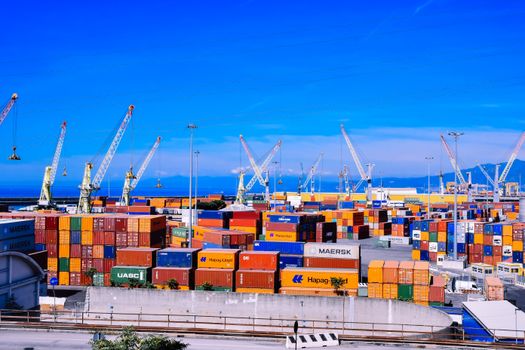 Photo: Andrea Musto / Pexels
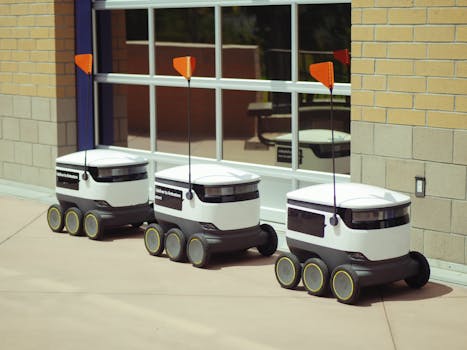 Photo: Kindel Media / Pexels
 Photo: Tiger Lily / Pexels
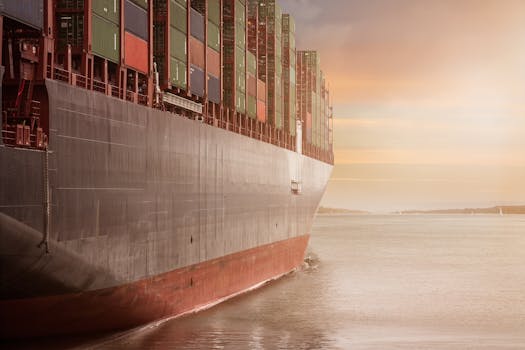 Photo: Pixabay / Pexels