Mastering Reverse Logistics Solutions USA: Your Ultimate Guide
July 20, 2026 17 min read 3,307 words
Unlock efficiency, reduce costs, and elevate customer loyalty with advanced reverse logistics strategies across the US.
Optimize Your Returns Now
The Critical Role of Returns Management in the US Market
 Photo: Kampus Production / Pexels
In today's highly competitive and consumer-centric landscape, particularly within the bustling US market, the importance of efficient returns management cannot be overstated. What once was viewed as a necessary evil, reverse logistics has transformed into a strategic imperative for businesses aiming to thrive. The digital age has ushered in an era where consumers expect seamless, hassle-free return processes, often viewing a flexible return policy as a key factor in their purchasing decisions. For companies operating in the United States, grappling with vast geographical distances, diverse consumer bases, and stringent regulatory environments, a robust reverse logistics strategy is not just about handling unwanted goods; it's about safeguarding brand reputation, fostering customer loyalty, and unlocking significant operational efficiencies.
The volume of returns, especially within the e-commerce sector, continues to climb year over year. Studies consistently show that online return rates can be two to three times higher than those for brick-and-mortar purchases. This surge is driven by factors such as the inability to physically inspect products before purchase, the convenience of online shopping leading to impulse buys, and the increasingly generous return policies offered by retailers to attract and retain customers. Without a well-defined and expertly executed reverse logistics solution, businesses risk being overwhelmed by this influx, leading to clogged warehouses, increased administrative burdens, diminished profitability, and ultimately, a frustrated customer base. A poorly managed return process can quickly erode trust, turning a one-time customer into a lost opportunity. Conversely, a smooth, transparent, and efficient return experience can convert a potentially negative interaction into a positive brand touchpoint, reinforcing customer confidence and encouraging repeat business.
Beyond customer satisfaction, effective returns management directly impacts a company's bottom line. The costs associated with reverse logistics – including transportation, inspection, repackaging, and potential write-offs – can be substantial. Without proper optimization, these costs can quickly spiral out of control, eating into profit margins. This is where advanced reverse logistics solutions USA come into play. They offer the tools and expertise to minimize these expenses by streamlining processes, identifying opportunities for product refurbishment or resale, and reducing waste. By implementing intelligent routing, automated inspection systems, and strategic disposition pathways, businesses can transform returned items from liabilities into assets, recovering value that might otherwise be lost. Furthermore, a sophisticated system can provide invaluable data insights, helping businesses understand the root causes of returns, improve product quality, and refine their initial fulfillment processes to reduce returns proactively. This proactive approach not only saves money but also contributes to a more sustainable business model, aligning with growing consumer demand for environmentally responsible practices. Understanding the nuances of
supply chain logistics is crucial for this integrated approach.
Moreover, the regulatory landscape in the US for product returns, recycling, and disposal can be complex and varies by state. Companies dealing with electronics, hazardous materials, or specific types of waste must adhere to strict guidelines. A specialized reverse logistics provider can navigate these complexities, ensuring compliance and mitigating legal risks. They bring expertise in areas such as WEEE (Waste Electrical and Electronic Equipment) directives, product safety recalls, and environmentally sound disposal methods, which are often beyond the scope of a company's core competencies. This compliance assurance is vital for maintaining operational integrity and avoiding costly penalties. In essence, for any business operating in the US, particularly those with a significant product footprint, investing in robust reverse logistics solutions is not merely an operational necessity but a strategic investment that yields tangible benefits across customer experience, financial performance, and regulatory adherence. It's about turning a challenge into a competitive advantage.
Key Components of Effective Reverse Logistics Solutions in the USA
 Photo: Tiger Lily / Pexels
Implementing truly effective reverse logistics solutions in the USA requires a holistic approach, integrating several critical components that work in tandem to optimize the entire return lifecycle. At its core, an effective system begins with a clear and customer-friendly return policy. This policy, clearly communicated across all channels, sets expectations and guides the customer through the initial stages of a return. Following this, the first operational component is the Return Merchandise Authorization (RMA) process. A robust RMA system is essential for controlling the flow of returns, ensuring that only authorized items are accepted and that each return is properly documented. This system typically involves an online portal or customer service interface where customers can initiate returns, receive tracking information, and obtain pre-paid shipping labels, simplifying their experience and providing businesses with crucial data from the outset.
The next crucial component involves the physical collection and transportation of returned goods. Given the vast geographical spread of the USA, efficient logistics networks are paramount. This often entails leveraging a network of strategically located collection points, consolidation centers, and optimized transportation routes. Companies might utilize third-party logistics (3PL) providers specializing in reverse logistics, who have the infrastructure and expertise to handle varied product types and volumes. The goal here is to minimize transit times and costs while ensuring the safe and secure return of merchandise. This stage also frequently includes packaging and labeling guidelines to protect products during transit and facilitate efficient processing upon arrival. The choice between various transportation modes – from parcel carriers for individual items to LTL (Less Than Truckload) or FTL (Full Truckload) for larger volumes – is critical and depends on the specific needs of the business and product.
Once returned items arrive at a designated facility, the inspection, sorting, and processing phase begins. This is a highly critical component where the condition of the product is assessed to determine its next lifecycle stage. Advanced reverse logistics operations in the USA often employ technology like barcode scanning, RFID, and even AI-powered visual inspection systems to expedite this process and reduce human error. Products are categorized based on their condition: new, open-box, defective, repairable, or unsellable. This detailed assessment informs the subsequent disposition decision. For example, a product in new condition might be immediately repackaged for resale, while a defective item might be routed for repair or sent back to the manufacturer. This systematic approach prevents good products from being prematurely disposed of and ensures maximum value recovery.
Finally, the disposition and value recovery component focuses on what happens to the product after inspection. This is where the true financial and environmental benefits of robust reverse logistics materialize. Options include re-stocking and re-selling, often after light refurbishment or repackaging; repairing or remanufacturing for secondary markets; donating to charities; or, as a last resort, recycling or environmentally sound disposal. For electronics, for instance, responsible recycling is not just good for the planet but often mandated by law. Companies often partner with specialized recyclers to ensure compliance. The data gathered throughout these processes, from return reasons to disposition outcomes, feeds back into product development, quality control, and even marketing strategies, creating a continuous improvement loop. This comprehensive approach ensures that every returned item is handled efficiently, ethically, and profitably, turning a potential loss into a strategic advantage for businesses operating in the competitive US market.
Leveraging Technology for Supply Chain Optimization in Reverse Logistics
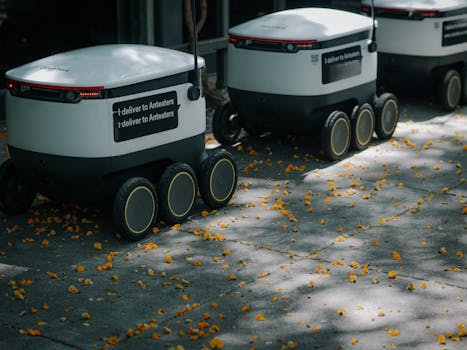 Photo: Kindel Media / Pexels
The landscape of reverse logistics solutions in the USA is being fundamentally reshaped by technological advancements, transforming what was once a manual, error-prone process into a highly efficient and data-driven operation. Leveraging technology is no longer an option but a necessity for businesses seeking to optimize their supply chain and gain a competitive edge in the complex world of returns. One of the most significant technological impacts comes from advanced Return Merchandise Authorization (RMA) software and portals. These systems automate the entire return initiation process, allowing customers to self-serve, print shipping labels, and track their return status. For businesses, this means reduced customer service calls, fewer manual errors, and a centralized database of return reasons, which is invaluable for identifying product quality issues or common return patterns. Integration of these portals with existing ERP and WMS (Warehouse Management System) ensures seamless data flow, providing real-time visibility into the return pipeline.
Furthermore, warehouse automation and robotics are revolutionizing the physical handling of returned goods. Automated guided vehicles (AGVs) and robotic arms can efficiently sort, transport, and store returned items within a reverse logistics facility, significantly speeding up processing times and reducing labor costs. Coupled with sophisticated inventory management systems, these technologies ensure that products are accurately identified, tracked, and routed to their correct disposition pathway – whether it's back to stock, repair, or recycling. This level of automation minimizes human intervention, reduces damage to returned goods, and improves overall accuracy, which is critical when dealing with high volumes of varied products. The precision offered by these systems also aids in faster value recovery, as products can be quickly assessed and prepared for resale or refurbishment.
Data analytics and Artificial Intelligence (AI) are perhaps the most transformative technologies in modern reverse logistics. By analyzing vast datasets from return reasons, product defects, customer feedback, and historical return patterns, AI algorithms can predict future return volumes with greater accuracy. This predictive capability allows businesses to optimize staffing levels, warehouse space, and transportation resources, leading to significant cost savings. AI can also be used for advanced product inspection, quickly identifying defects or assessing product condition, further accelerating the disposition process. Moreover, machine learning models can help identify the root causes of returns, providing actionable insights that can be fed back to product development or marketing teams to improve product quality, refine product descriptions, and reduce future return rates. This proactive approach to minimizing returns before they even happen is a game-changer for supply chain efficiency.
Finally, the integration of blockchain technology is emerging as a powerful tool for enhancing transparency and traceability within the reverse supply chain. Blockchain can create an immutable ledger for every returned item, tracking its journey from customer initiation through inspection, repair, and final disposition. This level of transparency is invaluable for combating fraud, ensuring compliance with regulatory requirements, and providing verifiable proof of sustainable disposal practices. For consumers, it can offer reassurance about the authenticity of refurbished products. For businesses, it builds trust and provides an audit trail that can be critical for quality control and accountability. By embracing these technological innovations, reverse logistics solutions in the USA can move beyond mere processing to become a strategic advantage, driving efficiency, profitability, and sustainability across the entire product lifecycle. Understanding the broader context of
global logistics challenges helps appreciate the localized impact of these technologies.
Avoiding Common Pitfalls in US Reverse Logistics and Best Practices
 Photo: Alexander Isreb / Pexels
Navigating the complexities of reverse logistics in the USA can be fraught with challenges, and businesses often fall into common pitfalls that undermine their efficiency and profitability. One of the most prevalent mistakes is treating reverse logistics as a separate, isolated function rather than an integral part of the overall supply chain. This siloed approach leads to inefficiencies, communication breakdowns, and a lack of data sharing between departments, ultimately hindering strategic decision-making. Another significant pitfall is a lack of investment in appropriate technology and infrastructure. Relying on manual processes, outdated software, or insufficient warehouse space for returns can quickly lead to bottlenecks, increased costs, and frustrated customers. Many companies also fail to adequately train their staff in handling returns, leading to errors in inspection, sorting, and disposition, which can result in valuable products being prematurely disposed of or incorrectly processed. Furthermore, an unclear or overly restrictive return policy can deter customers, while a too-lenient policy can encourage excessive returns, both negatively impacting the business. Finally, neglecting the environmental and regulatory aspects of disposal and recycling can lead to compliance issues and reputational damage.
To avoid these pitfalls and establish a highly effective reverse logistics operation, businesses in the USA should adopt several best practices:
* **Integrate Reverse Logistics with Forward Supply Chain:** Treat reverse logistics as an extension of your forward supply chain. This means integrating systems, sharing data, and ensuring seamless communication between sales, customer service, warehousing, and transportation. A unified approach allows for better planning, resource allocation, and a holistic view of product movement.
* **Invest in Specialized Technology:** Implement dedicated Reverse Logistics Management (RLM) software, advanced RMA portals, and potentially warehouse automation. These tools streamline processes, provide real-time visibility, reduce manual errors, and offer valuable data analytics for continuous improvement.
* **Develop Clear & Flexible Return Policies:** Craft a return policy that balances customer satisfaction with business viability. Make it easy to understand, transparent, and accessible. Offer multiple return options (e.g., mail, in-store drop-off) to enhance customer convenience.
* **Optimize Collection and Transportation:** Partner with experienced 3PLs specializing in reverse logistics who have established networks and expertise in the US. Optimize routes, consolidate shipments, and implement efficient scheduling to reduce transportation costs and environmental impact.
* **Standardize Inspection and Disposition Processes:** Develop clear, standardized protocols for inspecting returned items, assessing their condition, and determining their optimal disposition (resale, repair, refurbishment, recycle, disposal). This consistency ensures maximum value recovery and reduces waste.
* **Focus on Value Recovery:** Prioritize options that maximize the residual value of returned products. This includes robust repair and refurbishment programs, opportunities for secondary market sales, and responsible recycling initiatives. View returns not just as costs, but as opportunities for value extraction.
* **Leverage Data for Continuous Improvement:** Collect and analyze data on return reasons, product defects, processing times, and disposition outcomes. Use these insights to identify root causes of returns, improve product design, enhance quality control, and refine your reverse logistics processes over time.
* **Prioritize Sustainability and Compliance:** Ensure all disposal and recycling activities comply with federal, state, and local environmental regulations. Partner with certified recyclers and strive for sustainable practices to enhance brand reputation and mitigate risks.
By proactively implementing these best practices, businesses can transform their reverse logistics operations from a cost center into a strategic advantage, driving customer loyalty, operational efficiency, and sustainable growth in the competitive US market.
