Mastering Ocean Freight Logistics USA: Your Ultimate Guide
ocean freight logistics usa

Mastering Ocean Freight Logistics USA: Your Ultimate Guide

Unlock efficient, reliable, and cost-effective international shipping solutions for your business across the United States.

Start Your Journey

Key Takeaways

  • ✓ Ocean freight accounts for over 90% of global trade volume.
  • ✓ The US has 360 commercial ports handling over 2 billion tons of cargo annually.
  • ✓ Full Container Load (FCL) and Less than Container Load (LCL) are the primary shipping options.
  • ✓ Customs clearance and compliance are critical steps in US ocean freight.

How It Works

1
Cargo Booking & Preparation

Shippers book space on a vessel through a freight forwarder or directly with a carrier. Cargo is then prepared, packaged, and labeled according to international shipping standards.

2
Inland Transport to Port

Once prepared, the cargo is transported from its origin point to the designated departure port. This often involves trucking or rail services, ensuring timely arrival for vessel loading.

3
Ocean Transit & Tracking

The cargo is loaded onto the vessel and begins its journey across the ocean. Throughout transit, advanced tracking systems provide real-time updates on location and estimated arrival.

4
US Customs & Delivery

Upon arrival at a US port, cargo undergoes customs clearance, including documentation verification and duty payment. After clearance, it's transported to its final destination via inland logistics.

Understanding the Fundamentals of Ocean Freight Logistics in the USA
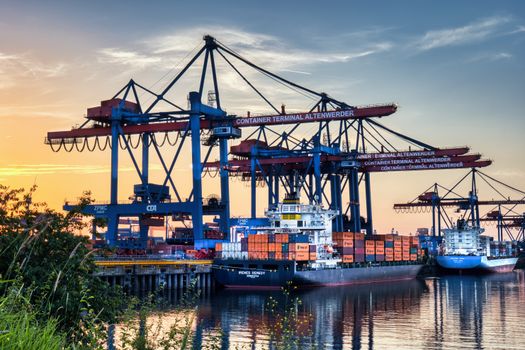
Industrial port with cargo ships and cranes at sunset, Container Terminal Altenwerder. Photo: Paparazzi Ratzfatzzi / Pexels
The landscape of global trade is incredibly dynamic, with ocean freight serving as its undeniable backbone. For businesses operating within or looking to enter the US market, a deep understanding of ocean freight logistics USA is not just beneficial, but absolutely essential for competitive advantage and operational efficiency. This mode of transport facilitates the movement of an overwhelming majority of goods worldwide, offering unparalleled capacity and cost-effectiveness for large volumes. At its core, ocean freight involves shipping goods via cargo ships across seas and oceans. In the context of the USA, this means navigating a vast network of strategically located ports, each with unique capabilities and specialties. From the bustling hubs of Los Angeles and Long Beach on the West Coast, serving as primary gateways to Asia, to the robust infrastructure of New York/New Jersey and Savannah on the East Coast, connecting with Europe and beyond, the options are diverse. Understanding which port best suits your cargo's origin, destination, and specific requirements can significantly impact transit times and costs. The process begins long before a container ever touches a ship. It involves meticulous planning, from choosing between Full Container Load (FCL) and Less than Container Load (LCL) options – a decision dictated by cargo volume and urgency – to selecting the right Incoterms® that define the responsibilities and risks between buyer and seller. FCL is ideal for businesses with enough cargo to fill an entire container, offering faster transit times and less handling. LCL, conversely, is perfect for smaller shipments, where your goods share container space with others, providing a more economical solution. Furthermore, the regulatory environment for ocean freight entering the USA is complex and rigorous. Compliance with US Customs and Border Protection (CBP) regulations, including accurate documentation, timely filings (like the Importer Security Filing - ISF), and adherence to various safety and security protocols, is paramount. Failure to comply can lead to significant delays, hefty fines, and even cargo seizure. This is where the expertise of a reliable freight forwarder becomes invaluable, acting as an intermediary to streamline the process, manage documentation, and ensure regulatory adherence. They are the navigators who steer your cargo through the intricate channels of international shipping, offering peace of mind and allowing you to focus on your core business. Ultimately, mastering ocean freight logistics in the USA is about more than just booking a container; it's about orchestrating a seamless supply chain that moves goods efficiently, compliantly, and cost-effectively from origin to final destination. It requires a holistic view of the entire journey, from initial booking to final delivery, ensuring every step is optimized for success. For more insights into the broader context of goods movement, explore the intricacies of global logistics. This foundational understanding sets the stage for delving deeper into the operational aspects and strategic considerations that define successful ocean freight operations in the US.

Key Players and Processes in US Ocean Freight Operations

A courier in blue hands packages to a woman signing documents in front of a delivery van. Photo: Gustavo Fring / Pexels
Navigating the intricate world of US ocean freight requires an understanding of the various key players and the sequential processes that ensure your goods reach their destination. At the forefront are the ocean carriers, the companies that own and operate the vast fleets of container ships. These global giants, such as Maersk, MSC, and CMA CGM, provide the physical transport link across the oceans. Their services vary in terms of routes, transit times, and pricing, making carrier selection a critical strategic decision based on your specific needs for speed, cost, and reliability. Complementing the carriers are freight forwarders, often considered the architects of international shipping. A freight forwarder acts as an intermediary between the shipper (you) and various transport services, including ocean carriers, trucking companies, and customs brokers. They manage the entire logistical chain, from booking cargo space and preparing documentation to arranging inland transportation and customs clearance. Their expertise is particularly valuable for small to medium-sized businesses that may not have the in-house resources or knowledge to handle the complexities of international shipping. They can consolidate LCL shipments, negotiate better rates due to their volume, and provide crucial advice on routes and regulations. Customs brokers are another indispensable component. These licensed professionals specialize in the complex regulations governing import and export. For goods entering the USA, a customs broker ensures compliance with US Customs and Border Protection (CBP) regulations, calculates duties and taxes, and facilitates the timely release of cargo. Their role is vital in preventing delays and penalties, ensuring a smooth transition of goods through the border. Their deep understanding of tariff codes, trade agreements, and import requirements makes them a critical partner in the supply chain. The process itself typically unfolds in several stages: first, the pre-carriage, where goods are moved from the supplier's warehouse to the port of loading. Then comes the main carriage, the actual ocean transit. Upon arrival at a US port, the goods enter the port of discharge, where they are offloaded. This is followed by customs clearance, an intensive process involving document submission, inspection, and duty payment. Finally, post-carriage involves the inland transportation of cleared goods from the port to their final destination, often via truck or rail. Each stage requires careful coordination and communication among all parties involved, highlighting the importance of robust information exchange and experienced partners to manage these handoffs seamlessly. From booking and documentation to customs and final delivery, each step is critical. The efficiency of these processes directly impacts transit times, costs, and ultimately, customer satisfaction. Therefore, choosing experienced and reputable partners in each of these roles is paramount for successful ocean freight logistics USA operations. Effective communication and technological integration among these players are also increasingly important for transparency and real-time tracking, allowing businesses to maintain visibility over their shipments from start to finish.

Strategic Considerations for Efficient Ocean Freight Logistics USA
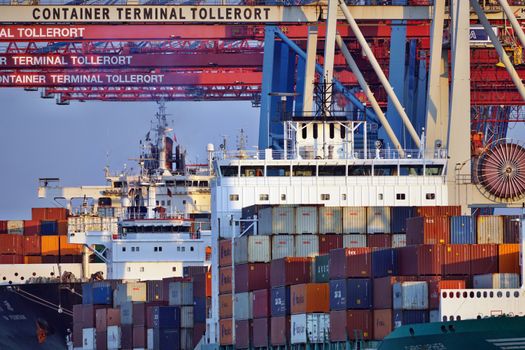
Container ships docked at Tollerort Terminal, Hamburg during sunset. Photo: Bernd von Darl / Pexels
Optimizing ocean freight logistics in the USA demands a strategic approach that goes beyond simply booking the cheapest rate. Businesses must consider a multitude of factors to ensure efficiency, cost-effectiveness, and reliability. One of the most significant strategic decisions involves port selection. The US boasts a vast network of ports, each with varying capabilities, hinterland connections, and levels of congestion. For instance, while West Coast ports like Los Angeles and Long Beach are crucial for trans-Pacific trade, they are also prone to congestion and labor disputes, which can cause significant delays. East Coast and Gulf Coast ports, such as Savannah, Houston, or New York/New Jersey, offer alternative gateways and can sometimes provide more predictable transit times for certain routes, especially from Europe or South America. Analyzing transit times, port congestion data, and inland transportation costs from different ports to your final distribution centers is critical. Another vital consideration is the choice between FCL and LCL shipping. While FCL generally offers faster transit and less risk of damage due to fewer handling points, LCL can be more economical for smaller volumes. However, LCL shipments often involve more handling, consolidation, and deconsolidation, which can extend transit times and increase the risk of delays. Strategic planning involves evaluating the cost-benefit of each option based on shipment size, urgency, and inventory management strategies. For example, a just-in-time inventory model might prioritize FCL for speed and reliability, while businesses with more flexible inventory could leverage LCL for cost savings. Technology plays an increasingly pivotal role in modern ocean freight logistics. Advanced tracking systems, real-time visibility platforms, and predictive analytics tools empower shippers to monitor their cargo's journey, anticipate potential delays, and react proactively. Integrating these technologies with your existing enterprise resource planning (ERP) systems can provide end-to-end supply chain visibility, enabling better inventory management, demand forecasting, and customer communication. Digital platforms are also simplifying documentation, customs filings, and communication with freight forwarders and carriers, reducing manual errors and accelerating processes. Risk management is another cornerstone of strategic ocean freight. This includes understanding and mitigating risks associated with cargo damage, theft, weather delays, port congestion, and geopolitical events. Adequate cargo insurance is non-negotiable, providing financial protection against unforeseen incidents. Diversifying shipping routes and carriers can also build resilience into your supply chain, preventing over-reliance on a single point of failure. Furthermore, staying informed about evolving trade policies, tariffs, and customs regulations is crucial for maintaining compliance and avoiding costly surprises. Proactive engagement with experienced freight forwarders and customs brokers can provide invaluable guidance in navigating these complexities and ensuring smooth operations. A comprehensive approach to supply chain optimization will always integrate these strategic elements.

Common Pitfalls and Best Practices in Ocean Freight Logistics USA
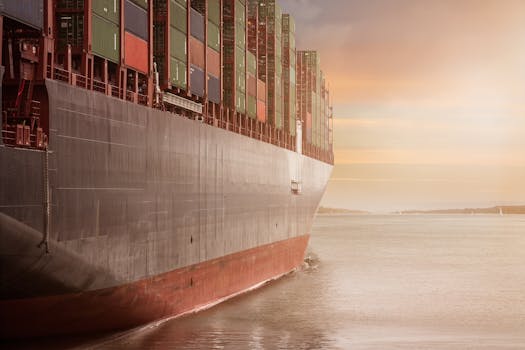
A colossal cargo ship loaded with containers navigates through calm waters against a vibrant sunset sky. Photo: Pixabay / Pexels
Successfully navigating ocean freight logistics in the USA requires not only understanding the processes but also being aware of common pitfalls and implementing best practices. Avoiding these missteps can save businesses significant time, money, and headaches. **Common Pitfalls:** * **Inadequate Documentation:** Incorrect or incomplete paperwork is a leading cause of delays. Missing commercial invoices, packing lists, bills of lading, or certificates of origin can halt shipments at customs, incurring demurrage and detention charges. * **Ignoring Incoterms®:** Misunderstanding Incoterms® (International Commercial Terms) can lead to disputes over responsibility for costs, risks, and insurance. This often results in unexpected expenses or liabilities. * **Underestimating Transit Times:** Failing to account for potential delays from port congestion, weather, customs inspections, or unforeseen events can disrupt supply chains and lead to stockouts. * **Neglecting Cargo Insurance:** Many shippers assume their goods are fully covered. Without proper cargo insurance, businesses can face substantial financial losses from damage, theft, or loss during transit. * **Poor Packaging:** Inadequate packaging that doesn't withstand the rigors of ocean transit (e.g., movement, moisture, multiple handling points) can result in damaged goods upon arrival. * **Lack of Communication:** Poor communication with freight forwarders, carriers, or customs brokers can lead to misunderstandings, missed deadlines, and overall inefficiency. **Best Practices:** * **Partner with Experienced Professionals:** Engage reputable freight forwarders and customs brokers who possess extensive knowledge of US regulations, port operations, and international shipping. Their expertise is invaluable. * **Meticulous Documentation:** Double-check all documentation for accuracy and completeness. Utilize digital platforms to streamline document submission and tracking. A single error can cascade into significant delays. * **Understand and Apply Incoterms® Correctly:** Ensure both buyer and seller clearly understand and agree upon the chosen Incoterms® for each shipment. This clarifies responsibilities and costs from the outset. * **Plan for Contingencies:** Build buffer time into your supply chain schedule to account for potential delays. Have alternative routes or carriers identified for critical shipments. * **Secure Comprehensive Cargo Insurance:** Protect your financial interests by securing robust cargo insurance that covers potential risks from port to final destination. * **Optimize Packaging and Labeling:** Invest in high-quality, ocean-freight-appropriate packaging. Ensure all labels are clear, durable, and compliant with international standards. * **Leverage Technology for Visibility:** Utilize tracking software and supply chain management platforms to gain real-time visibility into your shipments. This allows for proactive problem-solving. * **Maintain Open Communication Channels:** Foster strong relationships with your logistics partners. Regular communication can prevent issues and resolve problems quickly. Regular check-ins and performance reviews are also beneficial. By consciously avoiding these common pitfalls and diligently implementing these best practices, businesses can significantly enhance the reliability, efficiency, and cost-effectiveness of their ocean freight logistics USA operations, turning potential challenges into competitive advantages.

Comparison

FeatureFCL (Full Container Load)LCL (Less than Container Load)Air Freight
Volume SuitabilityLarge, sufficient for full containerSmall to medium, less than full containerAny size, typically smaller/lighter
Cost EfficiencyLower per unit for large volumesHigher per unit for small volumesHighest per unit
Transit TimeModerate (weeks)Longer (weeks, due to consolidation)Fastest (days)
Cargo HandlingLess frequent, lower damage riskMore frequent, higher damage riskMinimal, moderate damage risk
FlexibilityLess frequent departuresMore frequent departures (consolidated)Very frequent departures
ComplexityModerateModerate to HighModerate

What Readers Say

"Our experience with ocean freight logistics USA has been transformed. The team expertly handled all customs documentation, saving us countless hours and preventing costly delays. Their transparency and communication were exceptional."

Sarah Chen · Seattle, WA

"We ship high-volume goods from Asia, and finding reliable ocean freight logistics in the USA was crucial. This service provided consistent on-time delivery and proactive updates, which is invaluable for our supply chain."

Mark Johnson · Miami, FL

"Thanks to their strategic guidance on port selection and FCL vs. LCL, we reduced our shipping costs by 15% last quarter. Their expertise in ocean freight logistics USA directly contributed to our bottom line."

Priya Sharma · Chicago, IL

"While most shipments were flawless, a minor delay occurred due to port congestion, which was out of their control. However, their immediate communication and alternative solutions were highly commendable. Still a top choice for ocean freight logistics USA."

David Lee · Houston, TX

"As a growing e-commerce business, managing international imports was daunting. Their end-to-end ocean freight logistics USA solution, including last-mile delivery, has streamlined our operations and boosted customer satisfaction."

Emily Rodriguez · Los Angeles, CA

Frequently Asked Questions

What are the primary benefits of using ocean freight logistics in the USA?

Ocean freight is highly cost-effective for large volumes and heavy cargo, offering unparalleled capacity compared to other shipping methods. It's also more environmentally friendly on a per-ton basis and provides a global reach, connecting businesses to markets worldwide, particularly for non-urgent shipments.

How can I ensure my cargo clears US customs without delays?

To ensure smooth customs clearance, it's crucial to provide accurate and complete documentation, including commercial invoices, packing lists, and bills of lading. Partnering with a licensed customs broker is highly recommended, as they specialize in navigating complex US import regulations and can pre-file necessary information.

What is the typical process for shipping goods via ocean freight to the USA?

The process generally involves booking cargo space, preparing and packaging goods, inland transport to the origin port, ocean transit, customs clearance upon arrival at a US port, and finally, inland delivery to the final destination. Each step requires coordination among various logistics partners.

How do costs for ocean freight logistics in the USA typically break down?

Costs typically include ocean freight rates (based on FCL/LCL, route, and carrier), port charges (terminal handling, demurrage), customs duties and taxes, insurance, and inland transportation costs (drayage, trucking, rail). Fuel surcharges and peak season surcharges can also apply.

Is ocean freight always cheaper than air freight for shipments to the USA?

Generally, yes, ocean freight is significantly cheaper than air freight, especially for heavy and voluminous cargo. However, air freight offers much faster transit times. The choice depends on the urgency, value, and size of your shipment; for time-sensitive or high-value goods, air freight might be preferable despite the higher cost.

Who should consider using ocean freight logistics for their business in the USA?

Businesses that import or export large quantities of goods, bulky items, or non-perishable products that are not time-sensitive are ideal candidates for ocean freight. This includes manufacturers, distributors, and retailers dealing with consumer goods, raw materials, industrial equipment, and more.

What are the biggest risks associated with ocean freight logistics to the USA?

Key risks include cargo damage or loss, port congestion leading to delays, customs issues (fines, seizures), adverse weather conditions, and geopolitical instability affecting shipping lanes. Mitigating these risks involves comprehensive insurance, strategic planning, and experienced logistics partners.

How will technology impact the future of ocean freight logistics in the USA?

Technology will continue to revolutionize ocean freight through enhanced real-time tracking, AI-powered predictive analytics for route optimization and delay forecasting, blockchain for secure documentation, and automation in port operations. This will lead to greater transparency, efficiency, and resilience in supply chains.

Unlock the full potential of your global supply chain by mastering ocean freight logistics in the USA. Partner with experts who can navigate the complexities, ensuring your cargo moves efficiently and cost-effectively. Reach out today to optimize your international shipping strategy.

Topics: ocean freight logistics usainternational shipping USAcontainer shipping USfreight forwarding USAsupply chain management US
Leo List

IE Escorts NO Escorts US Escorts NZ Escorts AU Escorts
Brampton weed
Adultwork EstrelaBet Vai de Bet R7 Bet Betão Galera Bet Rainbet Bet9ja Shop SportyBet BetKing Sisal Loto Foot Hollywoodbets YesPlay Odibets RushBet Jugabet BetWarrior BetCity MSport betPawa Fortebet