✓ E-commerce sales in the US are projected to exceed $1.6 trillion by 2027, necessitating robust logistics.
✓ Shipping costs and delivery speed are primary factors influencing online purchase decisions for consumers.
✓ Third-Party Logistics (3PL) providers handle over 80% of Fortune 500 companies' logistics functions.
✓ Reverse logistics, or returns management, is a critical and often overlooked component of e-commerce success.
How It Works
1
Inventory Receiving & Storage
Your products arrive at a fulfillment center, where they are meticulously inspected, cataloged, and stored efficiently. Advanced warehouse management systems track every item's location and status.
2
Order Processing & Picking
Upon a customer order, the system identifies the correct items and their location. Warehouse staff or automated robots pick the products accurately and prepare them for packaging.
3
Packaging & Shipping
Items are carefully packaged to prevent damage during transit, often with custom branding. Shipping labels are generated, and packages are dispatched via chosen carriers for timely delivery.
4
Returns Management (Reverse Logistics)
Should a customer return an item, the logistics provider manages the entire process from receipt to inspection and restocking or disposal. This ensures a smooth and customer-friendly return experience.
The Indispensable Role of E-commerce Fulfillment Services
Photo: Alexander Isreb / Pexels
In today's fiercely competitive digital marketplace, the success of an e-commerce business hinges not just on great products and marketing, but profoundly on its ability to deliver those products efficiently, reliably, and cost-effectively. This is where dedicated logistics services for e-commerce come into play, serving as the backbone of online retail operations. Far beyond simply shipping packages, these services encompass a comprehensive suite of activities designed to manage the entire order fulfillment lifecycle from the moment a product leaves the manufacturer until it reaches the customer's doorstep, and even beyond, handling returns. For many e-commerce entrepreneurs, particularly those scaling rapidly, the complexities of inventory management, warehousing, order processing, packaging, shipping, and reverse logistics can quickly become overwhelming, diverting critical resources away from core business growth activities like product development and marketing. Professional e-commerce fulfillment services offer a strategic solution, allowing businesses to outsource these intricate processes to specialized providers who possess the infrastructure, technology, and expertise to execute them flawlessly. This outsourcing model transforms fixed operational costs into variable costs, scaling with your sales volume, which is particularly beneficial for businesses experiencing seasonal fluctuations or rapid growth. A robust logistics partner brings advanced warehouse management systems (WMS) to the table, ensuring optimal inventory placement, real-time tracking, and minimized picking errors. They leverage established relationships with multiple shipping carriers, negotiating preferential rates and offering a diverse range of shipping options to meet varying customer expectations for speed and cost. Moreover, these services are adept at handling peak seasons, such as Black Friday or Cyber Monday, by scaling resources up or down as needed, preventing bottlenecks and ensuring timely deliveries even under immense pressure. The ultimate goal is to enhance the customer experience, turning efficient delivery into a competitive advantage that fosters loyalty and encourages repeat purchases. Without a streamlined logistics operation, even the most innovative e-commerce business can falter, struggling with delays, high shipping costs, and dissatisfied customers. Therefore, understanding and strategically utilizing e-commerce fulfillment services is not merely an operational necessity but a critical component of a sustainable growth strategy in the digital economy.
Navigating the Complex Landscape of E-commerce Logistics Providers
Photo: Tobi &Chris / Pexels
Choosing the right logistics services for e-commerce is a pivotal decision that can significantly impact your business's profitability, scalability, and customer satisfaction. The market is populated by various types of providers, each offering different strengths and specializations. Understanding these distinctions is crucial for making an informed choice. At the forefront are Third-Party Logistics (3PL) providers, which are comprehensive outsourcing solutions handling warehousing, inventory management, order fulfillment, shipping, and often returns. They typically operate multiple fulfillment centers, allowing for distributed inventory and faster delivery times across different regions. This model is ideal for businesses seeking to offload the entire logistics burden and benefit from economies of scale and advanced technology. Many 3PLs also offer value-added services like kitting, custom packaging, and freight forwarding, making them a one-stop shop for complex e-commerce needs. Then there are specialized freight forwarders, who primarily manage the transportation of goods, especially for international shipping. While they might not offer warehousing or fulfillment, they are experts in customs clearance, international regulations, and optimizing shipping routes for cost and speed. For businesses with in-house warehousing, a freight forwarder can be a valuable partner for managing the movement of goods between manufacturing sites, distribution centers, and end customers. Another segment includes technology-driven fulfillment platforms that integrate directly with e-commerce stores. These platforms often leverage AI and machine learning to optimize inventory placement, predict demand, and automate order routing, providing a high level of transparency and control through sophisticated dashboards. Some focus specifically on last-mile delivery, utilizing local networks of couriers to ensure rapid delivery within urban areas, a crucial factor for perishable goods or premium services. When evaluating providers, consider their geographic footprint, especially if you serve a nationwide or international customer base. Look into their technological capabilities – do they integrate seamlessly with your existing e-commerce platform? What kind of reporting and analytics do they offer? Crucially, assess their customer service and responsiveness, as this will be vital during peak seasons or unforeseen logistical challenges. Finally, compare pricing structures, ensuring transparency and understanding how costs scale with your business volume and specific service requirements. A meticulous evaluation process will lead you to a partner that aligns with your strategic goals and supports your long-term growth.
Key Components of Effective E-commerce Supply Chain Management
Photo: Kampus Production / Pexels
An effective e-commerce supply chain is a finely tuned ecosystem where every component works in harmony to ensure seamless product flow and customer satisfaction. At its core, it encompasses several critical elements, each demanding meticulous attention and strategic planning. The first and perhaps most foundational component is inventory management. This involves not just tracking where products are, but forecasting demand accurately to prevent stockouts or overstocking, which can lead to lost sales or increased carrying costs. Advanced inventory management systems, often integrated with logistics providers, use data analytics to optimize reorder points, manage product lifecycles, and allocate inventory across multiple fulfillment centers for faster delivery. Without precise inventory control, the entire supply chain can experience ripple effects, from delayed orders to increased operational expenses. Next is warehousing and storage, which extends beyond simply holding products. Modern e-commerce warehouses are highly optimized facilities designed for rapid picking, packing, and shipping. They utilize sophisticated layouts, automation technologies like robotics, and specialized equipment to maximize efficiency and minimize human error. Strategic placement of these warehouses, often near major transportation hubs or population centers, is crucial for reducing transit times and shipping costs. Order processing and fulfillment represent the operational heart of e-commerce logistics. This includes receiving customer orders, verifying details, picking items from storage, quality checks, packaging, and preparing for shipment. The speed and accuracy of this process directly impact customer satisfaction. Automation plays a significant role here, with systems orchestrating the workflow to ensure orders are fulfilled quickly and correctly. Transportation and shipping are the visible link in the supply chain to the customer. This involves selecting the right carriers, optimizing shipping routes, managing freight costs, and providing real-time tracking information. Effective transportation management balances speed, cost, and reliability, offering customers diverse options from standard ground shipping to expedited air freight. Finally, reverse logistics, the process of managing returns, is an increasingly vital component. A smooth and hassle-free return policy can significantly boost customer trust and loyalty. This involves efficiently receiving returned goods, inspecting them, processing refunds or exchanges, and deciding whether to restock, refurbish, or dispose of the items. Each of these components, when managed effectively, contributes to a resilient, cost-efficient, and customer-centric e-commerce supply chain.
Optimizing Your E-commerce Logistics: Tips and Common Pitfalls to Avoid
Photo: Daniel Andraski / Pexels
Optimizing your e-commerce logistics is an ongoing process that can yield substantial benefits, from reduced costs to improved customer satisfaction. Here are some actionable tips and common pitfalls to steer clear of:
**Tips for Optimization:**
* **Embrace Technology:** Utilize advanced Warehouse Management Systems (WMS), Transportation Management Systems (TMS), and e-commerce platforms that offer robust integrations. Automation in inventory tracking, order processing, and shipping label generation can drastically reduce errors and processing times.
* **Distributed Inventory:** If your customer base is geographically diverse, consider storing inventory in multiple fulfillment centers. This reduces shipping zones, lowers costs, and enables faster delivery, particularly for ground shipping.
* **Negotiate Shipping Rates:** Don't settle for standard carrier rates. As your volume grows, negotiate with multiple carriers or leverage your 3PL's aggregated volume discounts. Explore regional carriers for specific areas.
* **Focus on Packaging Efficiency:** Optimize packaging to protect products while minimizing dimensions and weight, which directly impacts shipping costs. Consider eco-friendly packaging options to appeal to environmentally conscious consumers.
* **Streamline Returns:** Make your return policy clear, easy to understand, and hassle-free for customers. Efficient reverse logistics processes can turn a potential negative experience into a positive one, fostering trust and repeat business.
* **Analyze Data Continuously:** Regularly review your logistics data – shipping costs per order, delivery times, return rates, inventory turnover. Use these insights to identify bottlenecks and areas for improvement.
**Common Pitfalls to Avoid:**
* **Underestimating Shipping Costs:** Many new e-commerce businesses fail to accurately calculate and account for shipping costs, including packaging materials, labor, and carrier surcharges, leading to reduced profit margins.
* **Poor Inventory Accuracy:** Inaccurate inventory counts lead to overselling (stockouts) or underselling (overstock), both of which are detrimental. Invest in robust inventory management to maintain real-time accuracy.
* **Ignoring Returns Management:** Viewing returns as a mere cost center rather than an opportunity to enhance customer loyalty is a mistake. An inefficient returns process can erode customer trust and brand reputation.
* **Lack of Carrier Diversification:** Relying on a single shipping carrier can leave your business vulnerable to service disruptions, price hikes, or regional limitations. Diversifying carriers provides flexibility and resilience.
* **Not Scaling Logistics with Growth:** What works for 50 orders a month will not work for 500 or 5,000. Failing to plan for scalable logistics infrastructure, whether in-house or with a 3PL, can cripple growth.
* **Neglecting Customer Communication:** Keep customers informed about their order status, shipping updates, and potential delays. Proactive communication builds trust and manages expectations, reducing customer service inquiries.
Comparison
Feature
In-House Fulfillment
Small 3PL
Large 3PL
Dropshipping
Inventory Control
High
Medium
Medium
Low
Setup Cost
High
Medium
Low
Very Low
Scalability
Low
Medium
High
Very High
Shipping Speed
Variable
Good
Excellent
Variable
Technology Access
DIY
Basic
Advanced
Supplier Dependent
Order Volume Ideal
Low-Medium
Medium
High
Any
Custom Branding
✓
Limited
Limited
✗
Returns Management
✓
✓
✓
✗
What Readers Say
★★★★★
"Switching to a 3PL for our e-commerce logistics was a game-changer. Our shipping costs dropped by 15%, and delivery times are consistently faster across the US. This allowed us to focus on product development."
Sarah J. · Austin, TX
★★★★★
"The seamless integration of their logistics services with our Shopify store has been incredible. Inventory management is now automated, and we rarely have stockouts, even during peak season. Customer reviews on shipping have improved dramatically."
Mark D. · Miami, FL
★★★★★
"Our e-commerce business saw a 30% increase in repeat customers within six months, directly attributable to the reliable and fast delivery provided by our logistics partner. Their reverse logistics process also makes returns effortless for our customers."
Emily R. · Denver, CO
★★★★★
"While the initial onboarding took a bit longer than expected, the long-term benefits of using professional logistics services for e-commerce are undeniable. Their support team is responsive, and their technology gives us great visibility into our supply chain."
David L. · Seattle, WA
★★★★★
"As a small business owner, I used to spend hours packing orders. Outsourcing our logistics has freed up so much time, allowing me to concentrate on marketing and growth. It's an investment that pays for itself many times over."
Jessica M. · Boston, MA
Frequently Asked Questions
What exactly are logistics services for e-commerce?
Logistics services for e-commerce encompass the entire process of managing the flow of goods from the point of origin to the consumer. This includes warehousing, inventory management, order processing, picking, packing, shipping, and reverse logistics (returns). These services are designed to optimize efficiency, reduce costs, and enhance the customer experience for online retailers.
Is outsourcing e-commerce logistics expensive for small businesses?
While there's an initial cost, outsourcing e-commerce logistics can actually save small businesses money in the long run. It eliminates the need for investing in warehousing, staffing, and shipping infrastructure. Furthermore, 3PLs often secure better shipping rates due to their high volume, passing those savings onto you. Many providers offer scalable pricing models suitable for various business sizes.
How do I choose the best logistics partner for my e-commerce store?
To choose the best partner, first assess your specific needs: your order volume, product types, shipping destinations, and budget. Research providers' reputations, technology integrations (with your e-commerce platform), geographic reach, and customer service. Always request detailed quotes and compare their service level agreements (SLAs) to ensure they align with your business goals.
What is the typical cost structure for e-commerce logistics services?
The cost structure typically involves several components: receiving fees (for inbound inventory), storage fees (per pallet, bin, or cubic foot), pick & pack fees (per item or order), and shipping costs (carrier rates, often discounted). Some providers may also charge for kitting, custom packaging, or returns processing. Always seek a transparent breakdown of all potential fees.
How do logistics services handle international e-commerce shipping?
Many logistics providers offer comprehensive international shipping solutions. This includes managing customs documentation, duties and taxes (DDP/DDU options), compliance with international regulations, and selecting optimal international carriers. They often have expertise in navigating complex global supply chains, simplifying the process for e-commerce businesses looking to expand internationally.
Who should use logistics services for e-commerce?
Any e-commerce business looking to scale, reduce operational overhead, improve delivery times, and enhance customer satisfaction can benefit. This includes startups experiencing rapid growth, established businesses struggling with in-house fulfillment, or those seeking to expand into new markets without significant capital investment in infrastructure.
What risks are associated with outsourcing e-commerce logistics?
Key risks include loss of direct control over fulfillment, potential communication issues with the provider, and dependency on their technology or operational efficiency. Mitigate these by choosing a reputable provider with strong communication channels, clear SLAs, robust reporting, and a proven track record. Regular performance reviews are also essential.
How will AI and automation impact the future of e-commerce logistics?
AI and automation are set to revolutionize e-commerce logistics by enabling predictive analytics for demand forecasting, optimizing warehouse layouts and picking routes, powering autonomous robots for picking and sorting, and enhancing real-time tracking and delivery optimization. These advancements will lead to even faster, more cost-effective, and highly personalized fulfillment experiences for consumers.
Ready to transform your e-commerce operations and delight your customers? Invest in robust logistics services for e-commerce today. Streamline your supply chain, reduce costs, and unlock unprecedented growth for your online business.

 Photo: Alexander Isreb / Pexels
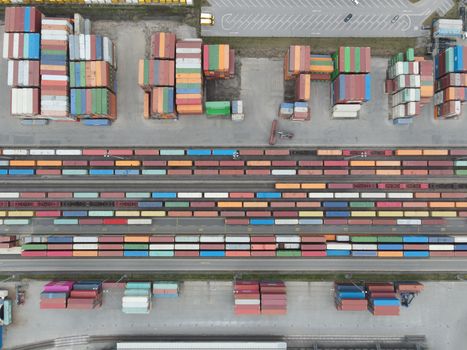 Photo: Tobi &Chris / Pexels
 Photo: Kampus Production / Pexels
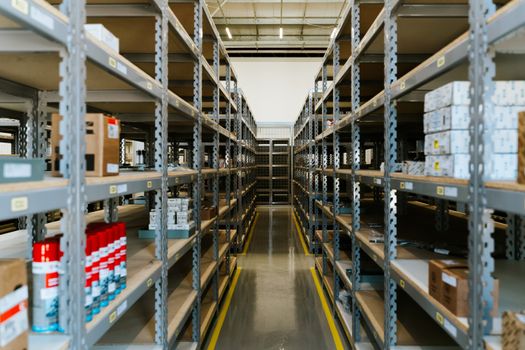 Photo: Daniel Andraski / Pexels