Mastering Cold Chain Logistics Services USA: Your Guide
Preserve product integrity and meet strict regulatory demands with advanced cold chain solutions across the US.
Explore SolutionsKey Takeaways
- ✓ The US cold chain market is projected to reach over $300 billion by 2028.
- ✓ Pharmaceuticals and fresh produce are the largest segments requiring cold chain.
- ✓ Temperature excursions are a leading cause of product loss and regulatory fines.
- ✓ Advanced IoT and AI are transforming cold chain visibility and efficiency.
How It Works
We begin by thoroughly assessing your specific product requirements, temperature sensitivities, and regulatory obligations. This involves detailed route planning and selecting appropriate packaging and transport modes.
Utilizing a network of specialized refrigerated vehicles, air cargo, and ocean containers, your goods are moved under precise temperature conditions. Real-time monitoring systems track environmental parameters throughout transit.
Products are stored in state-of-the-art temperature-controlled warehouses strategically located across the USA. Our facilities offer various temperature zones, inventory management, and cross-docking services to optimize distribution.
Continuous data logging and IoT sensors provide end-to-end visibility of temperature, humidity, and location. This ensures strict adherence to industry regulations like GDP and FDA guidelines, with detailed reports available.
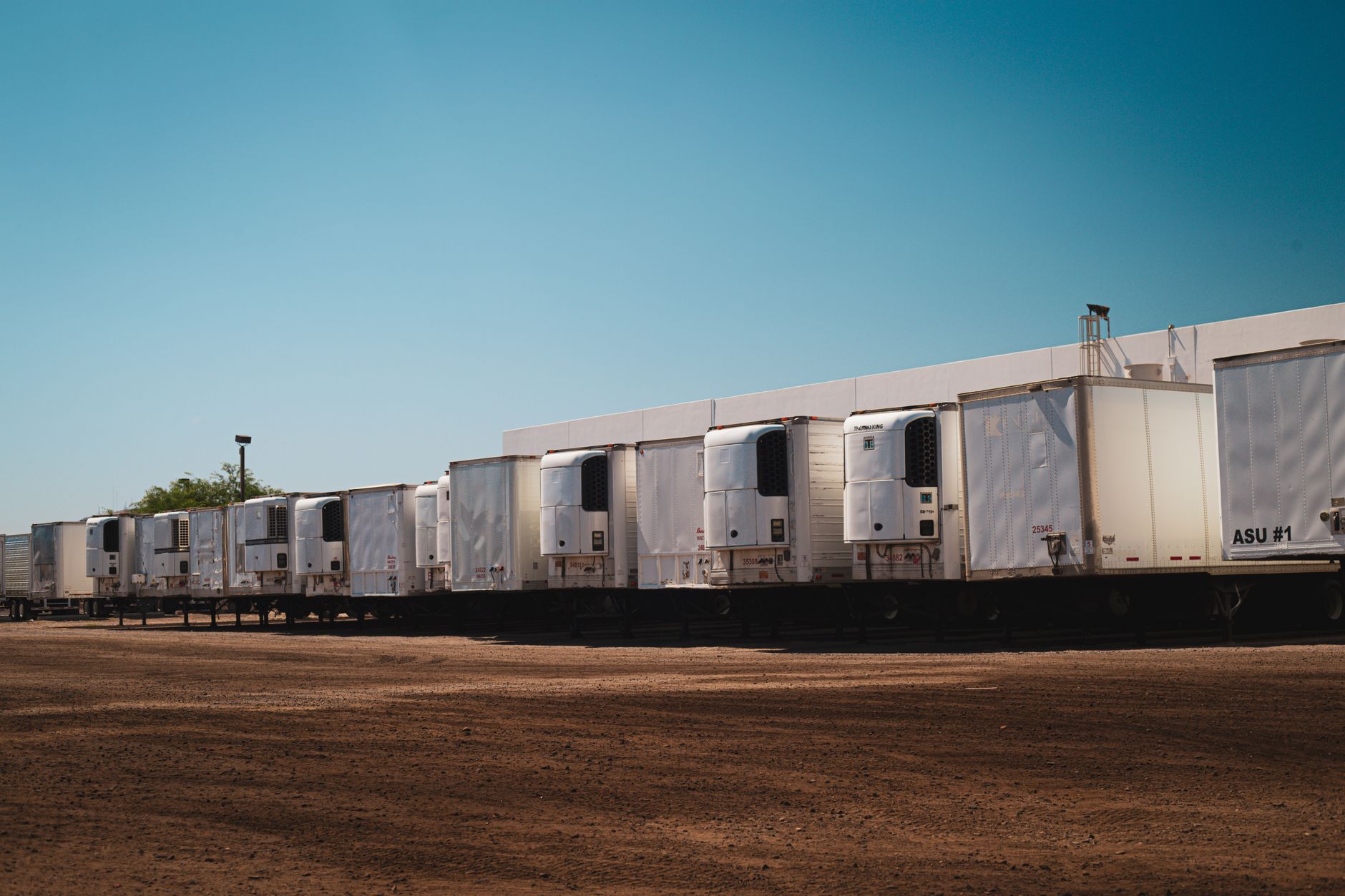
The Critical Role of Temperature-Controlled Shipping in the USA
 Photo: Tom Jackson / Pexels
Key Industries Reliant on Advanced Cold Chain Logistics
 Photo: MART PRODUCTION / Pexels
Technological Advancements Driving Cold Chain Efficiency and Reliability
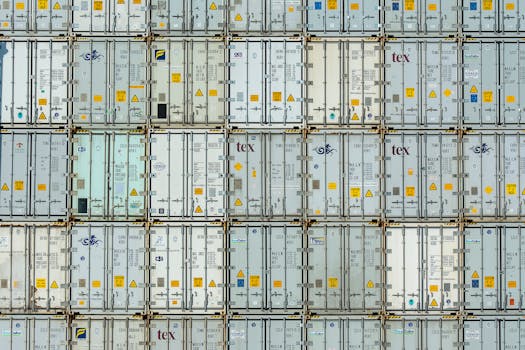 Photo: Jan van der Wolf / Pexels
Avoiding Common Pitfalls in Cold Chain Management
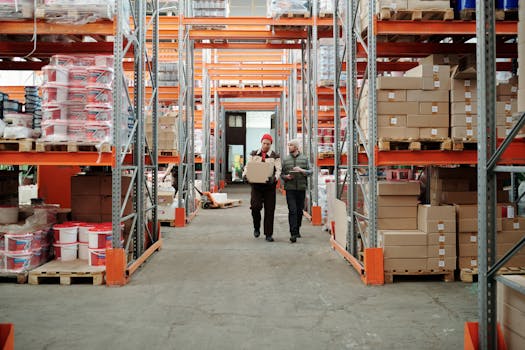 Photo: Tiger Lily / Pexels
- Inadequate Temperature Mapping and Monitoring: A common error is assuming uniform temperatures throughout a warehouse or transport unit. Hot and cold spots exist. Proper temperature mapping identifies these variations, and continuous, multi-point monitoring is essential to ensure conditions are met everywhere, not just at a single sensor point.
- Poor Packaging Selection: Choosing the wrong type or size of insulated packaging, or insufficient coolants for the transit duration and external temperatures, is a frequent cause of temperature excursions. Passive packaging requires careful planning based on ambient conditions and transit time.
- Lack of Standard Operating Procedures (SOPs): Without clear, documented SOPs for handling, loading, unloading, and emergency protocols, human error becomes a significant risk. Every touchpoint in the cold chain needs precise instructions to maintain integrity.
- Insufficient Training: Even the best technology and SOPs are ineffective without properly trained personnel. Employees handling temperature-sensitive goods must understand the critical nature of their tasks, the technology they use, and how to respond to deviations.
- Ignoring Last-Mile Challenges: The 'last mile' of delivery, especially to diverse geographic locations or residential addresses, presents unique challenges. Temperature control can be lost during transfers, waiting times, or when smaller, less-equipped vehicles are used.
- Neglecting Regulatory Compliance Updates: Regulations from bodies like the FDA, USDA, and state health departments are dynamic. Failing to stay current with these requirements can lead to costly fines, product seizures, and reputational damage.
- Lack of Contingency Planning: Mechanical failures, extreme weather, traffic delays, or power outages can all disrupt the cold chain. Without robust contingency plans and backup systems, even minor issues can become major crises.
- Data Silos and Poor Communication: When different parts of the cold chain (e.g., carrier, warehouse, shipper) operate with disconnected systems or poor communication, critical information about product conditions or delays can be lost, preventing timely intervention.
Comparison
| Feature | Specialized Cold Chain Provider | Standard LTL Carrier (Reefer) | In-House Logistics |
|---|---|---|---|
| Temperature Precision | Excellent (Multi-zone, real-time monitoring) | Good (Single-zone, less granular monitoring) | Variable (High initial investment, expertise needed) |
| Regulatory Compliance | Expert (GDP, FDA, USDA adherence built-in) | Moderate (Basic compliance, less specialized) | Challenging (Requires dedicated compliance team) |
| Network Coverage (US) | Extensive (Strategic hubs, diverse modes) | Good (Major routes, limited specialized access) | Limited (Dependent on company infrastructure) |
| Technology Integration | ✓ (IoT, AI, blockchain, telematics) | ✗ (Basic GPS, temperature logging) | ✓ (Can be high, but costly to implement) |
| Scalability & Flexibility | Excellent (Adjusts to seasonal/volume changes) | Moderate (Capacity limitations, less flexible) | Limited (Fixed assets, difficult to scale quickly) |
| Cost Efficiency | Optimized (Economies of scale, reduced spoilage) | Lower initial cost, higher risk of spoilage | High CapEx, OpEx, and risk exposure |
What Readers Say
"Our pharmaceutical shipments require absolute precision, and these cold chain logistics services in the USA consistently deliver. Their real-time monitoring gives us peace of mind, knowing our biologics are always at the correct temperature."
Sarah J. · San Francisco, CA"As a national fresh produce distributor, reliability is everything. Their refrigerated transport network across the US is unmatched, ensuring our fruits and vegetables arrive fresh and extend their shelf life significantly."
Mark D. · Chicago, IL"We reduced our temperature excursion rate by 90% after partnering with this cold chain provider. Their expertise in FDA compliance for clinical trial materials has been invaluable, leading to faster approvals and zero product loss."
Dr. Emily R. · Boston, MA"While overall excellent, we've had minor communication hiccups during peak season. However, their proactive problem-solving and dedication to maintaining product integrity for our frozen goods still make them our preferred cold chain logistics services USA provider."
David L. · Dallas, TX"Managing imported specialty foods with diverse temperature needs is complex. This company's multi-zone warehousing and flexible distribution options have streamlined our supply chain, allowing us to expand our product offerings without worry."
Jessica M. · Miami, FLFrequently Asked Questions
What is the primary challenge in cold chain logistics services in the USA?
The primary challenge is maintaining consistent, precise temperature control across vast geographic distances and varied climatic zones, while simultaneously navigating complex regulatory compliance and managing potential risks like equipment failure or human error. Real-time visibility and proactive intervention are key to overcoming these hurdles.
How do I ensure my products remain compliant with FDA regulations during transit?
Ensuring FDA compliance requires partnering with a cold chain provider that has robust Good Distribution Practices (GDP) in place. This includes validated equipment, continuous temperature monitoring with calibration records, detailed documentation of all handling procedures, and a clear audit trail for every shipment. Always ask for proof of compliance and their specific protocols.
What technologies are essential for modern cold chain logistics services?
Modern cold chain services rely heavily on IoT sensors for real-time temperature and humidity monitoring, GPS and telematics for location tracking and route optimization, and data analytics/AI for predictive risk management. Blockchain is also emerging for enhanced traceability and immutable record-keeping, offering unparalleled transparency.
What is the typical cost structure for cold chain logistics services in the USA?
The cost structure for cold chain logistics services is highly variable, depending on factors like product type, required temperature range, transit distance, volume, urgency, and specific value-added services (e.g., specialized packaging, customs clearance). It's generally higher than standard freight due to specialized equipment, energy consumption, and compliance overhead. Requesting a detailed quote based on your specific needs is crucial.
How do cold chain services compare to standard freight for sensitive goods?
Cold chain services are specifically designed for temperature-sensitive goods, offering precise climate control, specialized equipment (reefers, insulated containers), real-time monitoring, and strict compliance protocols. Standard freight, while more cost-effective for stable goods, lacks these critical features, making it unsuitable for perishable or delicate products where temperature fluctuations can cause damage or spoilage.
Who should utilize cold chain logistics services in the USA?
Any business that transports products requiring controlled temperatures should utilize cold chain logistics services. This includes pharmaceutical companies, biotech firms, food and beverage manufacturers and distributors (fresh, frozen, dairy), floriculturists, chemical producers, and certain high-tech component manufacturers. Essentially, if temperature deviation can compromise your product, cold chain is essential.
What are the biggest safety or risk factors in cold chain operations?
Key risk factors include temperature excursions due to equipment malfunction, human error during handling, power outages, traffic delays, and extreme weather events. Biological contamination and theft of high-value goods are also concerns. Robust risk assessment, contingency planning, and secure facilities are vital for mitigation.
What future trends will impact cold chain logistics services in the USA?
Future trends include increased adoption of sustainable cooling technologies, greater integration of AI and machine learning for predictive logistics, advanced autonomous vehicles for last-mile delivery, and the expansion of 'pharma-grade' cold chain standards across more industries. The focus will be on even greater precision, efficiency, and environmental responsibility.
Don't compromise on product integrity or compliance. Partner with leading experts in cold chain logistics services USA to ensure your sensitive goods are delivered safely, efficiently, and exactly as intended. Contact us today to discuss a tailored solution for your unique requirements and elevate your supply chain.