Boost Efficiency & Cut Costs with Logistics Consulting Services
logistics consulting services

Boost Efficiency & Cut Costs with Logistics Consulting Services

Transform your supply chain into a strategic asset, driving unparalleled efficiency and substantial cost reductions.

Optimize Your Logistics Now

Key Takeaways

  • ✓ Logistics consulting can reduce operational costs by 10-30%.
  • ✓ Optimized logistics lead to improved customer satisfaction and on-time delivery rates.
  • ✓ Expert consultants offer unbiased, data-driven insights for strategic decision-making.
  • ✓ The U.S. logistics market is projected to grow significantly, emphasizing the need for efficiency.

How It Works

1
Discovery & Assessment

Consultants conduct an in-depth analysis of your current logistics operations, identifying pain points and opportunities. This involves data collection, process mapping, and stakeholder interviews.

2
Strategy Development

Based on the assessment, a tailored strategic plan is developed, outlining recommended improvements and a roadmap for implementation. This includes technology recommendations, process re-engineering, and network design.

3
Implementation & Support

The consulting team assists with the execution of the new strategies, ensuring a smooth transition and proper integration. This may involve training, vendor selection, and project management.

4
Monitoring & Optimization

Post-implementation, consultants monitor performance, provide ongoing support, and identify further optimization opportunities. Continuous improvement ensures sustained benefits and adaptability to market changes.

Understanding the Value of Logistics Consulting Services

Two workers handle a package in a spacious warehouse surrounded by shelves stocked with boxes and products. Photo: Tiger Lily / Pexels
In today's fast-paced global economy, efficient logistics are no longer just a necessity; they are a critical competitive advantage. Businesses across the United States face unprecedented challenges, from fluctuating fuel prices and labor shortages to increasing customer expectations for faster, cheaper, and more reliable delivery. This complex landscape often overwhelms in-house teams, who may lack the specialized knowledge, tools, or time to identify and implement truly transformative solutions. This is precisely where professional logistics consulting services become indispensable. These services provide external, objective expertise to meticulously analyze your entire supply chain, from procurement and warehousing to transportation and last-mile delivery. They delve deep into your existing processes, data, and technologies to uncover inefficiencies, bottlenecks, and hidden costs that might be eroding your profitability and customer satisfaction. The core value proposition of logistics consulting lies in its ability to deliver tangible, measurable improvements. Consultants bring a wealth of industry best practices, cutting-edge technological insights, and a fresh perspective that internal teams, often engrossed in day-to-day operations, might overlook. They can help you optimize your transportation routes, negotiate better rates with carriers, streamline warehouse operations, implement advanced inventory management systems, and even design entirely new supply chain networks that are more resilient and responsive. The goal isn't just to fix immediate problems but to build a sustainable, future-proof logistics strategy that supports your long-term business objectives. Whether you're a small e-commerce startup struggling with shipping costs or a large enterprise grappling with complex global distribution, logistics consultants offer scalable solutions tailored to your specific needs and challenges. They act as strategic partners, guiding you through the complexities of supply chain management and empowering you to make data-driven decisions that translate directly into reduced operational expenses, enhanced service levels, and improved market competitiveness. Engaging with expert logistics consulting services is an investment that consistently yields significant returns, transforming your logistics from a cost center into a strategic differentiator. Effective logistics management is crucial for any business aiming for sustainable growth and customer loyalty.

Key Areas Where Logistics Consulting Delivers Impact
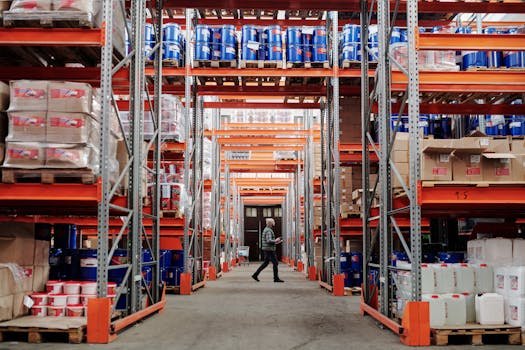
A man walking through a large industrial warehouse with stacked shelves filled with goods and products. Photo: Tiger Lily / Pexels
Logistics consulting services offer a comprehensive suite of solutions, addressing various facets of the supply chain to unlock maximum value. One primary area of impact is **Transportation Optimization**. Consultants analyze your entire transportation network, including modes (road, rail, air, sea), carrier selection, route planning, and freight consolidation strategies. They leverage advanced analytics and specialized software to identify the most cost-effective and efficient ways to move goods, often resulting in significant reductions in freight spend and faster transit times. This might involve renegotiating carrier contracts, implementing dynamic routing software, or exploring multimodal transport options. Another critical focus is **Warehouse and Distribution Center Optimization**. This involves a thorough review of warehouse layout, storage methodologies, material handling equipment, and order fulfillment processes. Consultants can design more efficient picking and packing strategies, optimize inventory placement, recommend automation technologies (like AS/RS or robotics), and improve labor utilization. The aim is to reduce operational costs, minimize errors, and accelerate throughput, ensuring that products are stored and dispatched efficiently. **Inventory Management and Forecasting** also represent a substantial area of improvement. Poor inventory management leads to either stockouts (lost sales) or excess inventory (high carrying costs). Logistics consultants implement sophisticated forecasting models, optimize safety stock levels, and establish robust inventory policies to strike the perfect balance. This reduces obsolescence, improves cash flow, and ensures product availability, directly impacting profitability and customer satisfaction. They can also help integrate inventory data across various systems for a unified view. Furthermore, consultants specialize in **Supply Chain Technology Integration**. The modern supply chain relies heavily on technology, from Warehouse Management Systems (WMS) and Transportation Management Systems (TMS) to Enterprise Resource Planning (ERP) and supply chain visibility platforms. Consultants help businesses evaluate, select, and implement the right technologies, ensuring seamless integration and data flow across the entire network. This digital transformation streamlines operations, provides real-time insights, and enhances decision-making capabilities. They also ensure that existing systems are being utilized to their full potential. Finally, **Risk Management and Supply Chain Resilience** have become paramount. Recent global events have highlighted the vulnerabilities in supply chains. Logistics consulting services help businesses identify potential risks (e.g., natural disasters, geopolitical instability, supplier failures), develop contingency plans, and build more resilient and agile supply chain networks. This includes diversifying suppliers, establishing alternative routes, and implementing robust monitoring systems to proactively address disruptions. By addressing these key areas, logistics consultants empower businesses to build more robust, efficient, and cost-effective supply chains.

Choosing the Right Logistics Consulting Services Partner

Two workers handle a package in a spacious warehouse surrounded by shelves stocked with boxes and products. Photo: Tiger Lily / Pexels
Selecting the appropriate logistics consulting services partner is a pivotal decision that can significantly impact the success of your supply chain optimization efforts. The market is diverse, with firms ranging from large, global consultancies to specialized boutique agencies, each offering unique strengths and areas of expertise. To make an informed choice, begin by clearly defining your objectives. Are you looking to reduce transportation costs, improve warehouse efficiency, implement new technology, or develop a complete supply chain overhaul? A clear understanding of your needs will help narrow down potential partners. Next, evaluate their **experience and expertise**. Look for consultants with a proven track record in your specific industry and with challenges similar to yours. Do they have case studies or testimonials that demonstrate tangible results? Inquire about the individual consultants who will be working on your project – what are their backgrounds, certifications, and specialized skills? A team with deep industry knowledge and practical experience is invaluable. For instance, a consultant specializing in cold chain logistics would be ideal for a food distributor, whereas a firm focused on lean manufacturing might be better for a production company. Consider their **methodology and approach**. A reputable consulting firm will have a structured, data-driven methodology that emphasizes collaboration and measurable outcomes. They should be transparent about their process, from initial assessment to strategy development, implementation, and post-project support. Avoid firms that offer generic solutions; instead, seek those that promise a tailored approach based on your unique operational context. Ask how they ensure knowledge transfer to your internal teams, empowering you to sustain the improvements long after their engagement concludes. **Technology proficiency** is another crucial factor. In today's digital landscape, consultants must be adept at leveraging and recommending modern supply chain technologies, including WMS, TMS, ERP integrations, AI-driven analytics, and IoT solutions. They should be able to guide you through technology selection, implementation, and optimization, ensuring that your investments yield the desired returns. Finally, assess their **cultural fit and communication style**. A successful partnership relies on open communication, trust, and alignment of values. Interview potential partners thoroughly, ask for references, and ensure their team can integrate seamlessly with yours. The right partner won't just provide solutions; they will become an extension of your team, driving sustainable change and helping you achieve your strategic logistics goals. Financial considerations, while important, should not be the sole determinant. Focus on the potential return on investment (ROI) that a consulting engagement can bring. A higher-priced firm with a strong track record and clear methodology might deliver significantly greater savings and efficiencies than a cheaper alternative with less expertise. Request detailed proposals that outline scope, deliverables, timelines, and costs to compare options effectively. Ultimately, the right logistics consulting services partner will be a strategic ally, providing expert guidance and practical solutions that propel your business forward.

Common Pitfalls to Avoid and Tips for Success with Logistics Consulting

Group of diverse professionals celebrating achievement in office setting with enthusiasm. Photo: Yan Krukau / Pexels
While engaging logistics consulting services can be incredibly beneficial, certain pitfalls can hinder success if not properly managed. One common mistake is **failing to clearly define project scope and objectives** at the outset. Without a precise understanding of what you aim to achieve, the project can drift, leading to budget overruns and unsatisfactory results. Ensure both parties agree on specific, measurable, achievable, relevant, and time-bound (SMART) goals. Another pitfall is **insufficient internal stakeholder engagement**. Logistics projects often impact multiple departments – sales, finance, operations, IT. If key internal stakeholders are not involved and bought into the process from the beginning, resistance to change can derail implementation efforts. Foster cross-functional collaboration and communication throughout the consulting engagement. **Over-reliance on the consultant without internal knowledge transfer** is also a risk. The goal is not just to implement solutions but to empower your team to maintain and improve them. Ensure the consulting agreement includes provisions for training, documentation, and knowledge sharing to build internal capabilities. Similarly, **ignoring the importance of data quality** can lead to flawed analysis and recommendations. Garbage in, garbage out. Invest time in cleaning and organizing your data before the consultant begins their deep dive. Here are some tips for maximizing your success: * **Do Your Homework:** Thoroughly vet potential consulting firms. Check references, review case studies, and ensure their expertise aligns with your specific industry and challenges. * **Be Transparent:** Provide consultants with complete and accurate information about your operations, challenges, and aspirations. Honesty fosters trust and leads to more effective solutions. * **Allocate Internal Resources:** Assign a dedicated internal project manager and team members to work alongside the consultants. This facilitates communication, ensures buy-in, and aids knowledge transfer. * **Focus on Change Management:** Recognize that implementing new logistics strategies involves significant change. Develop a robust change management plan to address employee concerns, provide training, and ensure smooth adoption of new processes and technologies. * **Monitor and Measure:** Establish clear KPIs before the project begins and continuously monitor performance against these metrics. This allows you to track progress, identify areas for further refinement, and demonstrate the ROI of the consulting engagement. By proactively addressing these potential pitfalls and following these best practices, businesses can significantly enhance the likelihood of a successful and impactful engagement with logistics consulting services, leading to sustainable improvements in their supply chain performance.

Comparison

FeatureFull-Service Consulting FirmBoutique SpecialistIn-House Team
Breadth of ExpertiseVery Broad (Strategy, Tech, Ops)Niche (e.g., cold chain, last-mile)Limited (Internal knowledge)
Objectivity & Fresh PerspectiveHighHighLow
CostHighMedium-HighLow (Salaries/Overhead)
Implementation SupportExtensiveVariable, often strongHigh (Direct control)
Access to Best Practices
Speed of TransformationFast (Dedicated resources)Fast (Focused effort)Slow (Day-to-day distractions)
Technology IntegrationExpertSpecializedDependent on IT dept.

What Readers Say

"Our experience with their logistics consulting services was transformative. They helped us identify inefficiencies in our last-mile delivery that we never even realized existed, leading to a 15% reduction in fuel costs."

Sarah Chen · New York, NY

"The team provided an incredibly detailed analysis of our warehousing operations. Their recommendations for layout optimization and new WMS integration have dramatically improved our order fulfillment speed."

David Miller · Chicago, IL

"We saw a 20% improvement in our on-time delivery rates within six months of implementing their transportation strategy. This directly translated to higher customer satisfaction and repeat business."

Maria Rodriguez · Houston, TX

"While the initial investment was significant, the long-term cost savings from their inventory management strategies have far exceeded our expectations. Communication could have been slightly better at times, but the results speak for themselves."

Mark Johnson · Los Angeles, CA

"As a growing e-commerce business, scaling our logistics was a nightmare. These logistics consulting services gave us a clear roadmap, integrated our systems, and helped us negotiate better freight rates, empowering our expansion."

Emily White · Miami, FL

Frequently Asked Questions

What specifically do logistics consulting services do?

Logistics consulting services analyze, optimize, and manage various aspects of a company's supply chain. This includes transportation, warehousing, inventory management, network design, and technology integration, aiming to reduce costs, improve efficiency, and enhance customer satisfaction through strategic recommendations and implementation support.

Is logistics consulting only for large corporations?

No, logistics consulting benefits businesses of all sizes. While large corporations often use them for complex global supply chains, small to medium-sized businesses (SMBs) can also gain significant value by optimizing their shipping, warehousing, and inventory to compete more effectively and scale efficiently.

How do I choose the right logistics consultant?

To choose the right consultant, define your specific needs and objectives, research firms with relevant industry experience and expertise, evaluate their methodology, and ensure a good cultural fit. Ask for case studies, client references, and a clear proposal outlining scope, deliverables, and costs to make an informed decision.

How much do logistics consulting services cost?

The cost of logistics consulting services varies widely based on the scope, duration, complexity of the project, and the firm's reputation. It can range from a few thousand dollars for a focused assessment to hundreds of thousands for a comprehensive, long-term engagement. Focus on the potential return on investment (ROI) rather than just the upfront cost.

How do logistics consulting services differ from a 3PL (Third-Party Logistics) provider?

Logistics consulting services provide strategic advice, analysis, and recommendations for optimizing your supply chain, but typically do not execute the physical logistics operations themselves. A 3PL provider, on the other hand, physically manages and executes logistics functions like warehousing, transportation, and fulfillment on your behalf, often based on a strategy developed by consultants or internally.

What kind of ROI can I expect from logistics consulting?

While ROI varies, companies often report significant returns, including 10-30% reductions in operational costs, improved inventory turns, faster delivery times, and enhanced customer satisfaction. The exact ROI depends on the initial state of your logistics, the scope of the project, and the effectiveness of implementation.

What risks are associated with engaging logistics consultants?

Potential risks include misaligned expectations, inadequate internal support, over-reliance on the consultant without knowledge transfer, and failure to implement recommendations effectively. Mitigate these by clearly defining scope, fostering internal collaboration, ensuring robust change management, and selecting a reputable firm with a proven track record.

How will future trends like AI and automation impact logistics consulting?

Future trends like AI, machine learning, and automation will increasingly shape logistics consulting. Consultants will be instrumental in helping businesses integrate these advanced technologies, develop predictive analytics models for demand forecasting, optimize autonomous vehicle routes, and design highly automated warehouses, ensuring clients stay at the forefront of innovation.

Ready to transform your supply chain into a competitive advantage? Explore how our expert logistics consulting services can drive efficiency, reduce costs, and build resilience for your business. Contact us today for a personalized assessment and unlock your full operational potential.

Topics: logistics consulting servicessupply chain optimizationlogistics strategyinventory management consultingtransportation consulting
Leo List
Brampton weed
Adultwork EstrelaBet Vai de Bet R7 Bet Betão Galera Bet Rainbet Bet9ja Shop SportyBet BetKing Sisal Loto Foot Hollywoodbets YesPlay Odibets RushBet Jugabet BetWarrior BetCity MSport betPawa Fortebet