Unlock Efficiency with Expert Logistics Consulting Services
logistics consulting services

Unlock Efficiency with Expert Logistics Consulting Services

Transform your supply chain into a competitive advantage with strategic insights and data-driven solutions.

Request a Free Consultation

Key Takeaways

  • ✓ Logistics consulting can reduce operational costs by 10-25%.
  • ✓ Improved logistics often leads to a 15-30% increase in delivery speed.
  • ✓ Data-driven strategies are key to modern supply chain resilience.
  • ✓ Consultants offer unbiased, external perspectives for complex challenges.

How It Works

1
Initial Assessment & Discovery

We begin with a comprehensive review of your current logistics operations, identifying pain points and opportunities. This involves data analysis, stakeholder interviews, and process mapping to understand your unique challenges.

2
Strategy Development & Planning

Based on the assessment, we develop customized strategies and a detailed action plan. This includes recommendations for technology, process improvements, network design, and cost reduction, all aligned with your business goals.

3
Implementation & Execution Support

Our team assists in the execution of the agreed-upon strategies, providing project management, change management, and training. We work alongside your team to ensure smooth integration and adoption of new systems or processes.

4
Performance Monitoring & Optimization

Post-implementation, we establish metrics and monitor performance to ensure sustained improvements. We provide ongoing support and recommendations for continuous optimization, adapting to market changes and evolving business needs.

The Critical Role of Logistics Consulting in Modern Business
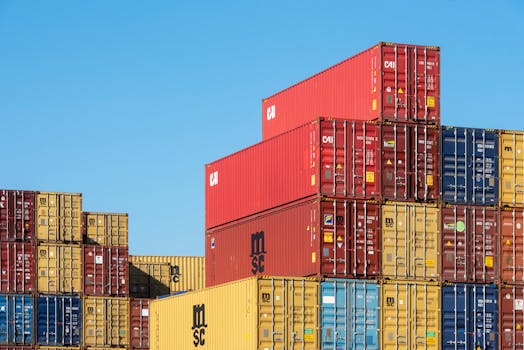
A vibrant collection of stacked shipping containers under a clear, blue sky. Ideal for logistic themes. Photo: Jan van der Wolf / Pexels
In today's fast-paced global economy, the efficiency and resilience of a company's supply chain are paramount to its success. Businesses face a myriad of challenges, from fluctuating fuel prices and labor shortages to geopolitical instability and ever-increasing customer expectations for faster, cheaper, and more reliable delivery. This complex landscape makes optimizing logistics not just a competitive advantage, but a necessity for survival. This is where expert logistics consulting services become invaluable. Logistics consultants bring an objective, external perspective coupled with deep industry knowledge and analytical rigor to dissect existing operations. They are not merely advisors; they are strategic partners who help companies identify inefficiencies, mitigate risks, and unlock significant cost savings and performance improvements. Whether a business is struggling with high transportation costs, inefficient warehousing, outdated inventory management, or a lack of visibility across its supply chain, consultants provide tailored solutions that address specific pain points. They often leverage advanced analytics, simulation models, and industry best practices to design optimized networks, streamline processes, and implement cutting-edge technologies. Consider the impact of a poorly optimized logistics system: delays in deliveries lead to customer dissatisfaction and lost sales; excess inventory ties up capital and incurs storage costs; and inefficient routing wastes fuel and labor. Conversely, a well-oiled logistics machine can dramatically reduce operational expenses, improve cash flow, enhance customer loyalty through reliable service, and provide the agility needed to respond quickly to market changes. Consultants typically begin with a comprehensive audit, scrutinizing every facet of the supply chain from procurement and production to distribution and returns. They analyze data on freight patterns, warehouse layouts, inventory turnover, and supplier performance to create a holistic picture of current operations. Beyond just identifying problems, logistics consulting services focus on developing actionable strategies. This could involve redesigning a distribution network to reduce transit times and costs, implementing a new warehouse management system (WMS) to improve inventory accuracy and picking efficiency, or negotiating better rates with carriers. They also play a crucial role in helping companies navigate the complexities of international trade, compliance regulations, and sustainability initiatives. For many businesses, particularly those undergoing rapid growth, mergers, or technological transformations, external expertise is essential to avoid costly mistakes and ensure a smooth transition. The investment in logistics consulting often yields a substantial return, not just in immediate cost savings but in long-term operational resilience and strategic advantage. Their ability to benchmark against industry leaders and introduce innovative solutions ensures that businesses remain competitive and future-proof in an ever-evolving global market.

Key Areas of Expertise in Logistics Consulting

Delivery worker using a tablet to manage shipments with stacked boxes in the background. Photo: Artem Podrez / Pexels
Logistics consulting encompasses a broad spectrum of specialized areas, each designed to address distinct challenges within the supply chain. Understanding these areas helps businesses identify where external expertise can provide the most significant impact. One of the primary focuses is **Supply Chain Strategy and Network Design**. Consultants evaluate a company's entire supply chain, from sourcing raw materials to final delivery, to design an optimal network. This includes determining the ideal number, location, and size of warehouses, distribution centers, and manufacturing facilities. They use sophisticated modeling tools to analyze transportation lanes, inventory positioning, and service levels, aiming to minimize costs while maximizing efficiency and customer satisfaction. A well-designed network can drastically reduce transportation expenses and improve delivery times, directly impacting profitability. Another critical area is **Warehouse Operations and Inventory Optimization**. Warehouses are often at the heart of logistics inefficiencies. Consultants analyze existing warehouse layouts, material flow, storage strategies, and labor utilization to identify bottlenecks and opportunities for improvement. They might recommend implementing automation technologies, optimizing picking and packing processes, or restructuring inventory slotting. For inventory, they help businesses strike the delicate balance between having enough stock to meet demand and avoiding excessive carrying costs. This involves implementing advanced forecasting models, safety stock calculations, and inventory policies that align with demand variability and lead times. **Transportation Management** is another cornerstone of logistics consulting. With rising fuel costs and driver shortages, optimizing transportation is more crucial than ever. Consultants assist with carrier selection and negotiation, route optimization, freight consolidation, and the implementation of Transportation Management Systems (TMS). They can help companies transition to multi-modal transportation strategies, assess the viability of private fleets versus third-party logistics (3PL) providers, and ensure compliance with transportation regulations. The goal is to reduce freight costs, improve delivery reliability, and enhance visibility over in-transit goods. Furthermore, **Technology Implementation and Digital Transformation** are increasingly vital. Modern logistics relies heavily on data and technology. Consultants guide businesses through the selection and implementation of various software solutions, including Enterprise Resource Planning (ERP) systems, Warehouse Management Systems (WMS), Transportation Management Systems (TMS), and advanced analytics platforms. They ensure that these technologies are integrated seamlessly into existing operations, providing real-time visibility, improving decision-making, and automating manual processes. This digital leap is essential for gaining a competitive edge and building a resilient, future-proof supply chain. Finally, **Risk Management and Supply Chain Resilience** have become paramount in recent years. Geopolitical events, natural disasters, and global pandemics have highlighted the fragility of global supply chains. Logistics consultants help businesses identify potential vulnerabilities, develop contingency plans, diversify supplier bases, and build more robust, agile supply chains that can withstand disruptions. This proactive approach ensures business continuity and minimizes the financial impact of unforeseen events, safeguarding long-term operational stability and customer trust.

Choosing the Right Logistics Consulting Services Partner
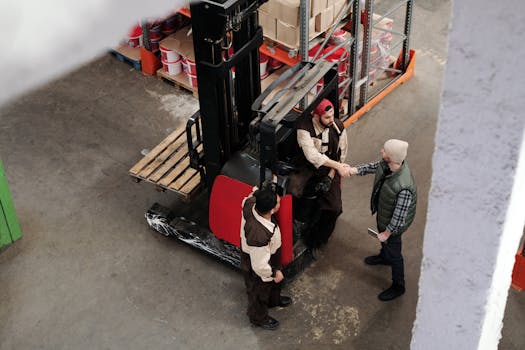
Three warehouse workers in conversation and handshake next to a forklift in an industrial setting. Photo: Tiger Lily / Pexels
Selecting the appropriate logistics consulting services partner is a strategic decision that can significantly influence the success of your supply chain transformation. The market is populated with a diverse range of consulting firms, from large global entities to specialized boutique operations, each offering unique strengths. The first step in this selection process involves clearly defining your specific needs and objectives. Are you looking to reduce transportation costs, optimize warehouse operations, implement new technology, or develop a comprehensive supply chain strategy? A clear understanding of your goals will help narrow down potential partners. One crucial factor to consider is the **firm's expertise and industry experience**. Look for consultants who have a proven track record in your specific industry sector. Logistics challenges can vary significantly between retail, manufacturing, healthcare, and e-commerce. A firm with relevant industry experience will understand the nuances of your business, regulatory requirements, and competitive landscape, leading to more tailored and effective solutions. Ask for case studies or client testimonials that demonstrate their success in similar projects. Their consultants should possess deep knowledge of current logistics trends, best practices, and emerging technologies. **Methodology and approach** are also vital. A reputable consulting firm will employ a structured, data-driven methodology. They should be able to articulate their process from initial assessment to implementation and ongoing support. Beware of firms that promise quick fixes without a thorough analysis. Look for an approach that emphasizes collaboration, knowledge transfer, and sustainability, ensuring that your team is equipped to maintain improvements long after the consultants have departed. Transparency in their process and deliverables is a strong indicator of a reliable partner. **Cultural fit and communication** cannot be underestimated. You will be working closely with these consultants, potentially for an extended period. A good cultural fit ensures smoother collaboration, better communication, and a more positive working relationship. Assess their communication style during initial meetings – are they good listeners? Do they ask insightful questions? Are they able to explain complex concepts clearly? Effective communication is critical for successful project execution and change management within your organization. A partner who understands your company culture and can adapt their approach accordingly will be more successful in driving adoption of new processes. Finally, consider the **value proposition and return on investment (ROI)**. While cost is a factor, it should not be the sole determinant. Focus on the potential ROI the consulting engagement can deliver. A good firm will be able to quantify the expected benefits, such as cost savings, efficiency gains, and improved service levels. They should also be transparent about their fee structure and any potential hidden costs. Requesting proposals from multiple firms and comparing their approaches, proposed solutions, timelines, and pricing will enable you to make an informed decision. Ultimately, choosing the right logistics consulting services partner is an investment in your company's future, leading to a more resilient, efficient, and profitable supply chain.

Common Pitfalls to Avoid in Logistics Optimization

A patterned array of industrial shipping containers stacked in a storage terminal. Photo: Jan van der Wolf / Pexels
Embarking on a logistics optimization journey, even with expert consulting services, comes with potential pitfalls that businesses must be aware of to ensure success. Avoiding these common mistakes can save significant time, resources, and prevent frustrating setbacks. One of the most frequent errors is **underestimating the complexity and scope of the supply chain**. Many companies view logistics in isolated silos – transportation, warehousing, inventory – without recognizing their interconnectedness. A change in one area can have ripple effects across the entire system. Without a holistic view, optimization efforts might just shift problems rather than solve them. Consultants help bridge this gap by providing an end-to-end perspective. Another critical mistake is **failing to secure internal buy-in and manage change effectively**. Implementing new logistics strategies often requires significant operational shifts, new technologies, and changes in job roles. Resistance from employees who are comfortable with existing processes can derail even the best-laid plans. It's essential to involve key stakeholders early, communicate the benefits of the changes, and provide adequate training and support. Without strong leadership endorsement and effective change management, new initiatives can quickly lose momentum. **Ignoring data or relying on outdated information** is another common pitfall. Effective logistics optimization is inherently data-driven. Decisions based on gut feelings or anecdotal evidence rather than accurate, real-time data are likely to be flawed. Companies must invest in robust data collection, analysis tools, and ensure data integrity. Consultants can help set up the right metrics and dashboards to provide actionable insights. **Focusing solely on cost reduction without considering service levels** can also backfire. While cost savings are a primary driver for logistics optimization, aggressively cutting corners can lead to compromised service quality, longer delivery times, and ultimately, customer dissatisfaction and lost business. A balanced approach that optimizes for both cost and service is crucial. Finally, **lack of continuous improvement and adaptation** is a significant oversight. The logistics landscape is constantly evolving due to technological advancements, market shifts, and unforeseen disruptions. A one-time optimization project will only yield temporary benefits. Businesses must embed a culture of continuous monitoring, evaluation, and adaptation to maintain an efficient and resilient supply chain. This involves regularly reviewing performance metrics, reassessing strategies, and being agile enough to respond to new challenges and opportunities. By proactively addressing these pitfalls, companies can maximize the value derived from their logistics consulting engagements.

Comparison

FeatureFull-Service Logistics ConsultingIn-house Logistics TeamSpecialized Niche Consultant3PL Provider
Scope of ExpertiseBroad, strategic to operationalLimited to internal knowledgeDeep in specific area (e.g., freight)Operational execution focus
ObjectivityHigh, external perspectiveLow, internal biasesHigh within nichePotentially biased towards their services
Cost EfficiencyHigh ROI from long-term savingsOngoing salary, overheadTargeted cost for specific projectService fees, variable costs
Implementation Support✗ (often advisory only)✓ (for their services)
Technology AgnosticismHigh, recommends best fitLimited to existing techHigh within their nicheBiased towards their tech stack
Change ManagementStrong emphasisOften challengingLimitedNot primary focus

What Readers Say

"Our experience with logistics consulting services was transformative. They identified over $1.2 million in annual savings in our transportation network, far exceeding our expectations. Their team was incredibly insightful and professional."

Sarah Chen · Dallas, TX

"We struggled with warehouse inefficiencies for years. The consultants provided a clear, actionable plan that optimized our layout and processes, reducing picking errors by 30% and improving throughput significantly. Highly recommend their expertise."

Michael Rodriguez · Chicago, IL

"Our supply chain was constantly disrupted. These logistics consulting services helped us build a resilient strategy, diversifying suppliers and implementing better risk management protocols. We've seen a 20% improvement in on-time delivery despite global challenges."

Emily White · Atlanta, GA

"The initial assessment was incredibly thorough, pinpointing areas we hadn't even considered. While the implementation phase had a few minor bumps, the overall outcome was very positive, and we're seeing tangible improvements in our freight costs."

David Kim · Los Angeles, CA

"As an e-commerce startup, our logistics were a nightmare. The consultants designed a scalable fulfillment strategy that prepared us for rapid growth, integrating new technology seamlessly. They've been instrumental in our success."

Jessica Lee · New York, NY

Frequently Asked Questions

What specifically do logistics consulting services do?

Logistics consulting services analyze, optimize, and manage a company's supply chain operations. This includes everything from transportation and warehousing to inventory management, network design, and technology integration, with the goal of improving efficiency, reducing costs, and enhancing customer satisfaction.

Is logistics consulting only for large corporations?

No, logistics consulting benefits businesses of all sizes. While large corporations might tackle complex global networks, small and medium-sized enterprises (SMEs) can also gain significant advantages by optimizing their local or regional logistics, leading to better cash flow and competitive positioning. The scope is tailored to the client's needs.

How long does a typical logistics consulting engagement last?

The duration of a logistics consulting engagement varies widely depending on the project's scope and complexity. A focused assessment might take a few weeks, while a comprehensive supply chain redesign and implementation could span several months to over a year. The timeline is always discussed and agreed upon during the initial planning phase.

What is the typical ROI for investing in logistics consulting services?

While ROI varies, many companies report significant returns, often seeing cost reductions of 10-25% in logistics expenses. Beyond direct cost savings, benefits include improved customer service, reduced inventory holding costs, enhanced operational efficiency, and increased supply chain resilience, all contributing to a strong overall ROI.

How do logistics consulting services differ from a 3PL provider?

Logistics consulting services primarily provide strategic advice, analysis, and implementation guidance, empowering your company to manage its own improved logistics. A 3PL (third-party logistics) provider, on the other hand, typically executes the operational aspects of logistics, such as warehousing, transportation, and fulfillment, often using their own assets and staff. Consultants help you design the best strategy, while 3PLs help you execute it.

Who within an organization typically engages logistics consulting services?

Typically, decision-makers such as Supply Chain Directors, Operations VPs, CEOs, CFOs, or COOs engage logistics consulting services. These leaders recognize the strategic importance of an optimized supply chain to the company's profitability, customer satisfaction, and overall competitive advantage.

What are the risks if we don't optimize our logistics?

Failing to optimize logistics can lead to higher operational costs, decreased customer satisfaction due to delivery delays or errors, reduced competitiveness, increased inventory holding costs, and a heightened vulnerability to supply chain disruptions. These factors can severely impact profitability and market share.

What future trends are logistics consulting services addressing?

Logistics consulting services are actively addressing trends such as AI and machine learning for predictive analytics, automation and robotics in warehousing, sustainable logistics practices, increased supply chain visibility through IoT, and the development of highly agile and resilient supply chain networks to combat future disruptions.

Ready to transform your logistics into a powerful engine for growth and efficiency? Contact us today to explore how our expert logistics consulting services can tailor a solution to your unique business challenges and propel you towards operational excellence. Let's build a smarter, more resilient supply chain together.

Topics: logistics consulting servicessupply chain optimizationfreight management consultingwarehouse optimizationlogistics strategy
Leo List

DK Escorts LU Escorts AT Escorts SE Escorts FI Escorts CH Escorts DE Escorts HR Escorts IE Escorts GR Escorts CZ Escorts NO Escorts BE Escorts FR Escorts SI Escorts IL Escorts NL Escorts PL Escorts HU Escorts ES Escorts IT Escorts PT Escorts SK Escorts RO Escorts ZA Escorts UY Escorts US Escorts UK Escorts NZ Escorts AU Escorts
Brampton weed
Adultwork EstrelaBet Vai de Bet R7 Bet Betão Galera Bet Rainbet Bet9ja Shop SportyBet BetKing Sisal Loto Foot Hollywoodbets YesPlay Odibets RushBet Jugabet BetWarrior BetCity MSport betPawa Fortebet