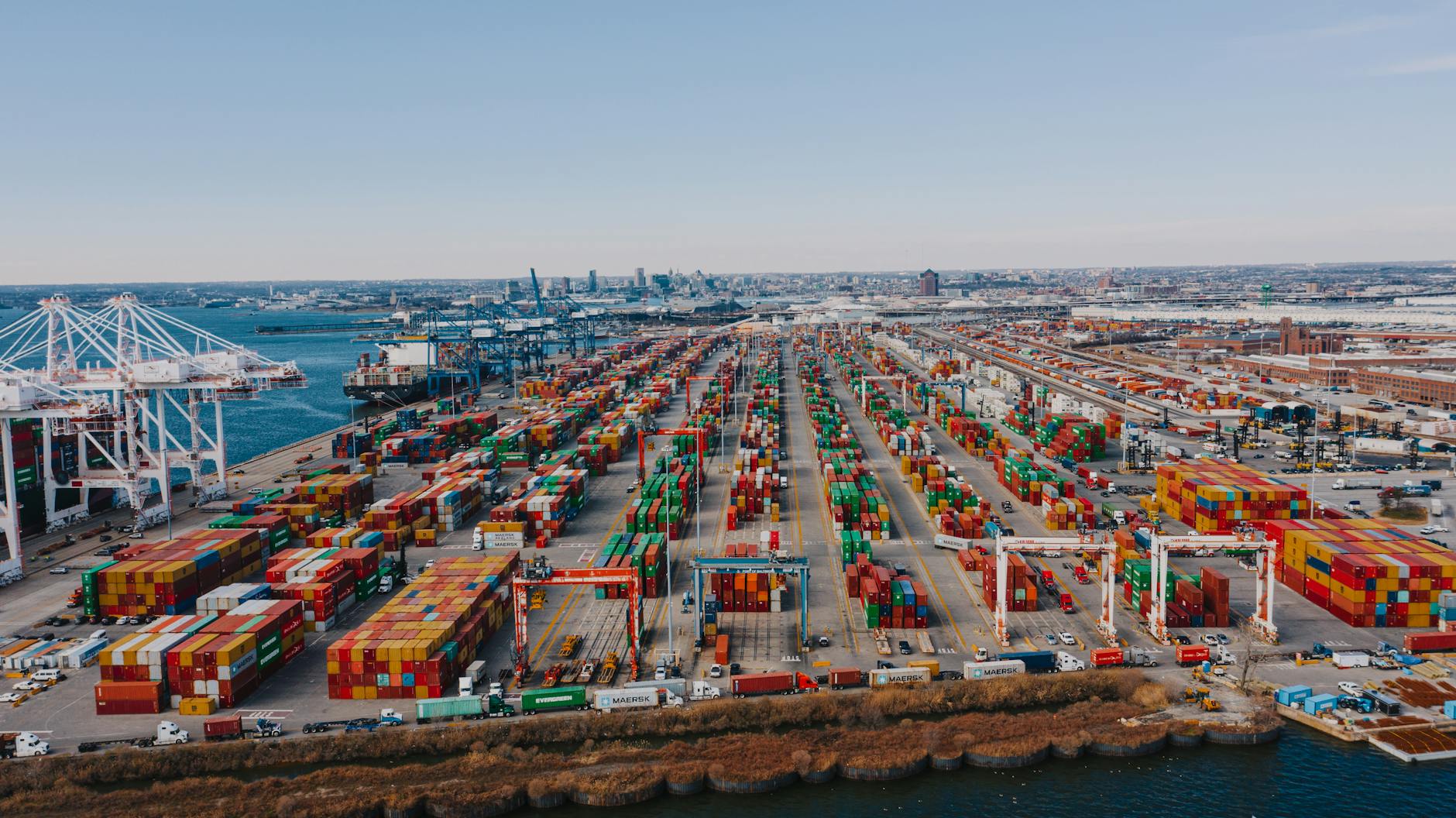
The Undeniable Importance of Logistics in Business Success
Mastering logistics is crucial for efficiency, cost savings, and delivering exceptional customer experiences.
Optimize Your LogisticsKey Takeaways
- ✓ Logistics directly impacts customer satisfaction by ensuring timely and accurate deliveries.
- ✓ Efficient logistics can reduce operational costs by up to 20% or more.
- ✓ Poor logistics can lead to lost sales, damaged reputation, and significant financial losses.
- ✓ Modern logistics incorporates advanced technologies like AI, IoT, and automation for enhanced performance.
How It Works
Businesses define their logistical needs, identify reliable suppliers, and establish strategic partnerships to secure raw materials and components. This foundational step sets the stage for the entire supply chain, ensuring quality and availability.
Goods are stored strategically in warehouses, utilizing advanced inventory systems to track stock levels, minimize waste, and optimize space. Effective management prevents stockouts and overstocking, balancing demand with supply.
Products are moved from warehouses to customers or retail points using the most efficient modes and routes. This involves careful planning of routes, selection of carriers, and real-time tracking to ensure timely and cost-effective delivery.
The process extends to managing returns, repairs, and recycling, closing the loop on the product lifecycle. Customer feedback is continuously gathered and analyzed to refine processes and improve future logistical operations.
The Foundational Role of Logistics in Supply Chain Management
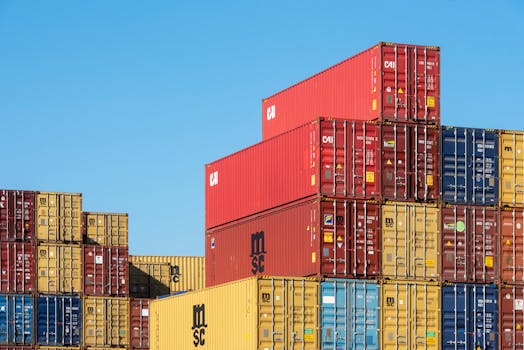 Photo: Jan van der Wolf / Pexels
Driving Cost Efficiency and Enhancing Profitability Through Optimized Logistics
 Photo: Gergő Køvács / Pexels
Elevating Customer Satisfaction and Building Brand Loyalty with Superior Logistics
 Photo: Kindel Media / Pexels
Navigating Modern Logistics: Tips for Optimization and Common Pitfalls to Avoid
 Photo: Alexander Isreb / Pexels
Comparison
| Feature | Optimized Logistics | Traditional Logistics | Outsourced Logistics (3PL) |
|---|---|---|---|
| Cost Efficiency | High | Medium-Low | High (potential) |
| Delivery Speed | Fast/Reliable | Variable/Slower | Fast/Reliable |
| Inventory Accuracy | High (real-time) | Moderate | High (specialized) |
| Scalability | High | Low | Very High |
| Technology Integration | Advanced (AI, IoT) | Basic/Manual | Advanced (cutting-edge) |
| Customer Satisfaction | Excellent | Average | Excellent |
| Risk Management | Proactive | Reactive | Specialized |
| Environmental Impact | Conscious/Reduced | Less Focused | Potentially Reduced |
What Readers Say
"Understanding the importance of logistics in business transformed our small e-commerce store. We went from chaotic shipping to streamlined deliveries, drastically cutting our operational costs and delighting customers."
Sarah J. · Austin, TX"Our manufacturing company always saw logistics as a cost center. After optimizing our supply chain, we realized it's a huge competitive advantage, improving our lead times and inventory turnover significantly."
Mark D. · Chicago, IL"We implemented a new TMS based on the principles of logistics importance, and our on-time delivery rate jumped from 80% to 98% within six months. This directly led to a 15% increase in repeat customers."
Emily R. · Miami, FL"While integrating new logistics software was a challenge initially, the long-term benefits are undeniable. We're still refining our processes, but the improved visibility and cost savings are already making a big difference."
David K. · Seattle, WA"As a food distributor, cold chain logistics is paramount. Recognizing the importance of logistics in business helped us invest in advanced tracking and temperature control, ensuring product quality and compliance every step of the way."
Jessica L. · Denver, COFrequently Asked Questions
What is the primary importance of logistics in business operations?
The primary importance of logistics in business operations is to ensure the efficient and effective flow of goods, services, and information from the point of origin to the point of consumption. This optimizes supply chain performance, reduces costs, enhances customer satisfaction, and ultimately drives profitability and competitive advantage.
How does poor logistics impact a business's reputation?
Poor logistics can severely damage a business's reputation by leading to delayed or incorrect deliveries, damaged goods, and frustrating customer experiences. This results in negative reviews, decreased customer loyalty, and a loss of trust, which can be very difficult to recover from in today's interconnected market.
How can a small business improve its logistics without a large budget?
Small businesses can improve logistics by focusing on strategic partnerships with local carriers, optimizing inventory through better forecasting, utilizing cloud-based logistics software, and potentially outsourcing specific functions to 3PLs that offer scalable solutions. Starting with small, impactful changes can yield significant results.
What is the return on investment (ROI) for investing in logistics technology?
The ROI for investing in logistics technology can be substantial, often seen in reduced operational costs, improved delivery times, lower inventory holding costs, and increased customer satisfaction. Businesses can expect to see returns through enhanced efficiency, fewer errors, and better decision-making capabilities that directly impact profitability.
How does logistics differ from supply chain management?
Logistics is a component of supply chain management. Supply chain management encompasses the entire process of sourcing, manufacturing, and delivering products, including strategic planning and relationships. Logistics specifically focuses on the physical movement, storage, and handling of goods within that broader supply chain.
Who should prioritize understanding the importance of logistics in their business?
Every business, regardless of size or industry, that deals with physical products or services requiring coordination of resources should prioritize understanding the importance of logistics. This includes e-commerce retailers, manufacturers, distributors, service providers, and even small businesses handling their own deliveries.
Are there environmental risks associated with inefficient logistics?
Yes, inefficient logistics can lead to significant environmental risks, primarily through increased carbon emissions from suboptimal routes and excess transportation, higher waste generation from damaged goods or inefficient packaging, and greater resource consumption. Sustainable logistics practices are crucial for mitigating these impacts.
What future trends will further emphasize the importance of logistics in business?
Future trends like increasing e-commerce growth, demand for faster and more personalized deliveries, the rise of AI and automation in warehouses, blockchain for supply chain transparency, and the imperative for sustainable practices will further emphasize the importance of logistics in business. Adapting to these trends will be critical for survival and growth.
Embrace the strategic importance of logistics in business to unlock unprecedented efficiency, cultivate customer loyalty, and secure your competitive edge. Start optimizing your supply chain today to transform challenges into opportunities for growth and profitability.